Quick Summary
Hair towel samples usually do not need a complicated rework story. For most Beauty GWP programs, the buyer needs a clean hair towel sample approval checklist: does the GSM and hand feel match the brief, does the finished size wrap correctly, does the button loop work, and does the print, logo or packing match the brand plan?
- Start with material route, GSM and hand feel before decoration.
- Approve finished size on the sewn sample, not only on the pattern measurement.
- Check button loop placement because it affects real use.
- Review logo, print or label on the actual fabric route.
- Keep packing approval connected to how the GWP will be handed to the consumer.
If your team has sample photos but not a full RFQ yet, WhatsApp the hair towel sample approval notes first.
Use the hair towel sample approval checklist practically
Hair towel samples should not be turned into an artificial problem list. In normal projects, the useful approval points are straightforward: material feel, GSM, finished size, button loop, logo or print, edge finish and packing. A buyer can approve quickly when each point is visible and tied to the final use.
If the sample is for a Beauty GWP, the buyer should also confirm how the towel will be presented: folded with a band, packed in a pouch, boxed, bundled with skincare, or handed out as a single item. The packing route changes how the hair towel sample approval should be photographed and reviewed.
For a fast first check, WhatsApp the sample photo and packing route before sending longer artwork files.
GSM helps, but hand feel still needs a real sample
GSM is a useful specification because it gives a shared reference for fabric weight. But GSM does not fully describe softness, thickness, stretch, absorbency expectation or how the towel wraps on the head. A sample should be handled, folded and photographed so the buyer can judge the actual feel, not only the number.
AATCC standards provide useful context for textile performance and color testing discussions.1 For a buyer brief, the practical wording is simple: specify the material route, target hand feel, approximate GSM if known, and whether a softer or faster-drying route matters more.
| Sample point | What the buyer should check | What to send back |
|---|---|---|
| Fabric route | Softness, thickness, drying expectation and whether the hand feel matches the campaign level. | Approve, or ask for a softer, lighter, thicker or faster-drying option. |
| Finished size | Whether the towel wraps comfortably after sewing, binding and button placement. | Final size approval or one clear size correction. |
| Logo or print | Whether the mark is readable on the actual surface and not too close to seam or fold lines. | Artwork placement approval, color note or logo route change. |
| Packing | Whether the folded towel, band, pouch or box looks ready for the GWP handoff. | Packing approval or a single packing route change. |
If GSM is the open point, WhatsApp the GSM and hand-feel question with a sample photo or target reference.
Finished size and button loop are use checks
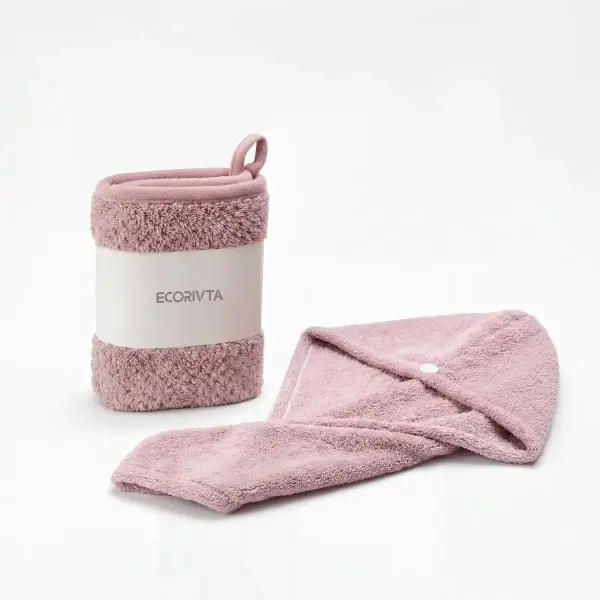
The buyer should approve finished size after sewing because binding, fabric thickness and edge finishing can change how the towel wraps. Button loop placement should also be checked in real use. If the loop is too short, too long or placed poorly, the towel may look fine flat but feel awkward in use.
For bulk inspection planning, acceptance-sampling language can help buyer and supplier discuss how finished goods will be checked, but the pre-bulk sample still needs clear approval first.2
When the sample is physically available, WhatsApp the finished-size and button-loop photos before confirming bulk.
Logo, print and label should match the actual material
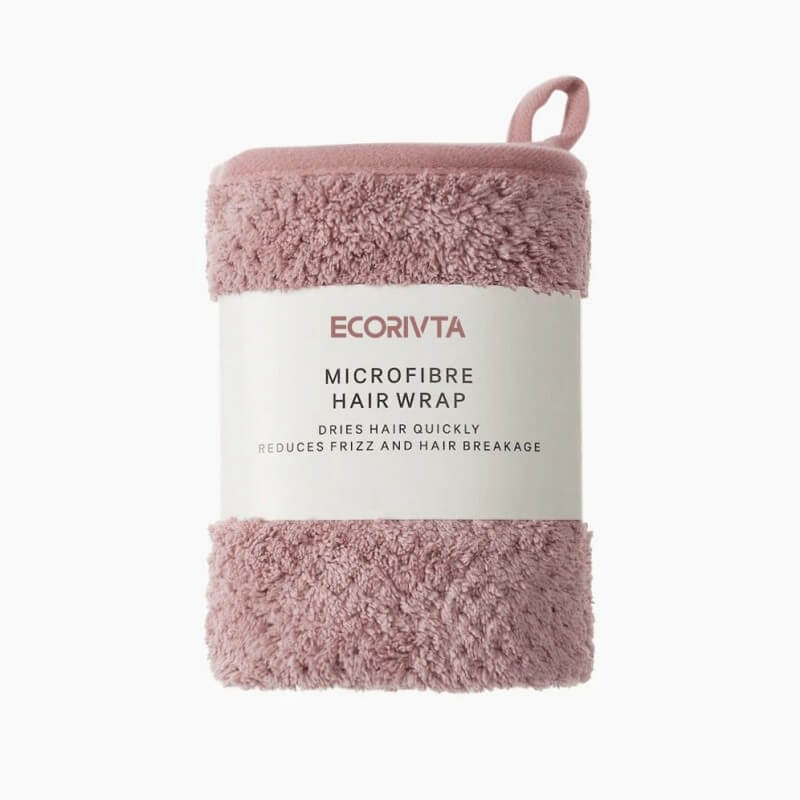
A print or label can look correct in artwork and still feel wrong on the towel route. Texture, pile, waffle structure, stretch and color can affect how the brand mark appears. If the logo is important to the campaign, the print checklist should be approved on the actual material route or on the actual packing route.
One completed 10,000-piece microfiber hair turban order used a 65 × 25 cm finished size and a logo printed on the edge binding. That route needed repeated tuning, and the approved artwork stayed simple. This real order supports a clear sample decision: compare embroidery, woven label and edge print against the actual fabric, contact area, fold line and available logo space. It does not mean edge printing is suitable for every complex brand symbol.
If the buyer requests skin-contact or material safety support, document scope should be discussed by material and project. OEKO-TEX STANDARD 100 is one recognized textile testing framework, but any claim should be tied to actual product and certificate scope.3
Packing approval should show the buyer experience
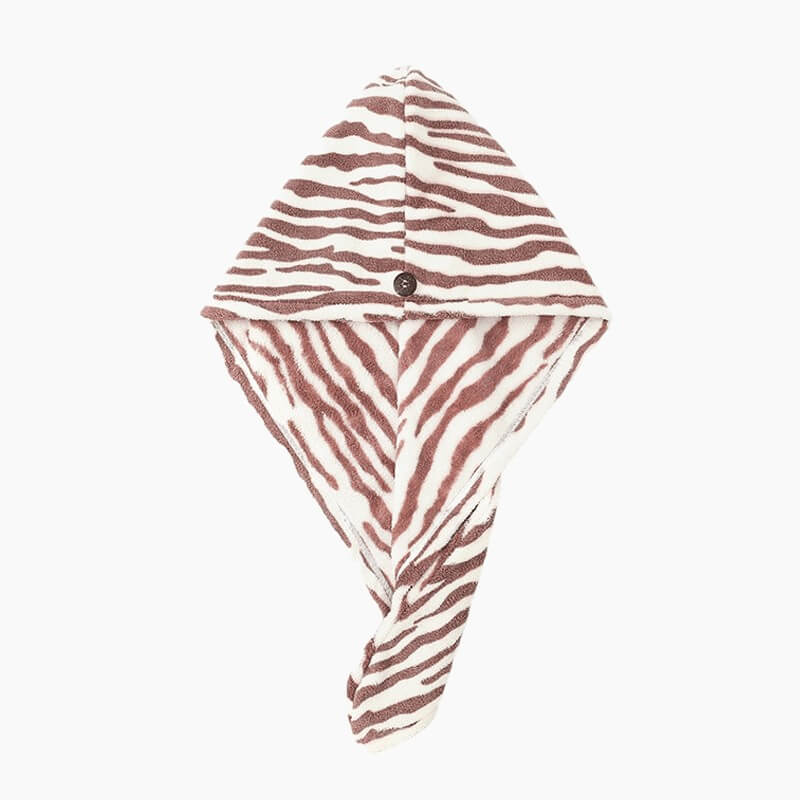
For a GWP, the towel is not only a sewn item. The buyer may care about how it looks in a gift box, pouch, carton, display tray or launch kit. Packing approval should show the folded size, logo visibility, insert or band position and how the product will be opened by the end user.
Textile labeling and fiber wording should remain specific and supportable, especially when packaging includes material language.4 The approval package should help the buyer say yes without asking for too many extra files.
Hair towel sample approval FAQ
What is the first thing to check on a hair towel sample?
Start with material feel and finished size. If the fabric route or wrap size is wrong, logo and packing approval will not solve the core issue.
Is GSM the only way to judge a hair towel?
No. GSM helps compare fabric weight, but hand feel, absorbency expectation, thickness, edge finish and how the towel wraps also matter.
Do button loop details matter?
Yes. The button loop length and placement affect whether the towel is easy to secure. They should be checked on the sewn sample.
Should print be approved before or after sample sewing?
Artwork can be prepared earlier, but the buyer should approve logo or print on the actual fabric route before bulk if color, texture or placement matters.
Send the sample comments Ecorivta should review
Send the target towel type, fabric preference, finished size, GSM or hand-feel target, button loop expectation, logo or print file, packing idea, quantity and launch window. If the buyer is unsure about GSM, Ecorivta can first compare practical material routes instead of forcing a number. If artwork is already available, include a simple print checklist: logo file, print size, placement, color and packing view.
For faster routing, WhatsApp the sample approval brief and use the Contact form for artwork or longer files.
Evidence Used in This Brief
-
AATCC standards overview – used for textile performance, color and material testing context. ↩︎
-
ISO 2859-1 sampling procedures – used for acceptance-sampling context during sample and bulk inspection discussions. ↩︎
-
OEKO-TEX STANDARD 100 – used for careful wording around tested skin-contact textile materials. ↩︎
-
FTC Textile Fiber Products Identification Act rules – used for careful textile fiber and labeling language in buyer briefs. ↩︎