Quick Buyer Summary for Glitter Clip RFQs
A glitter claw clip RFQ should not be treated as a generic claw clip quote. The buyer usually needs style-by-style pricing, logo render confirmation, 1-per-polybag packing, UPC sticker placement, sample cost, refund rule, HS code and quantity tiers. If a buyer sends a brand logo render, treat it as artwork for quotation only and confirm authorization before production if needed.
UPC and barcode handoff can be structured with references such as GS1 Identification Standards 1, color and logo expectations should stay tied to a shared system such as Pantone Color Systems 2, and HS code questions should be handled with a neutral reference such as WCO Harmonized System 3.
Quote Each Glitter Clip Style Separately
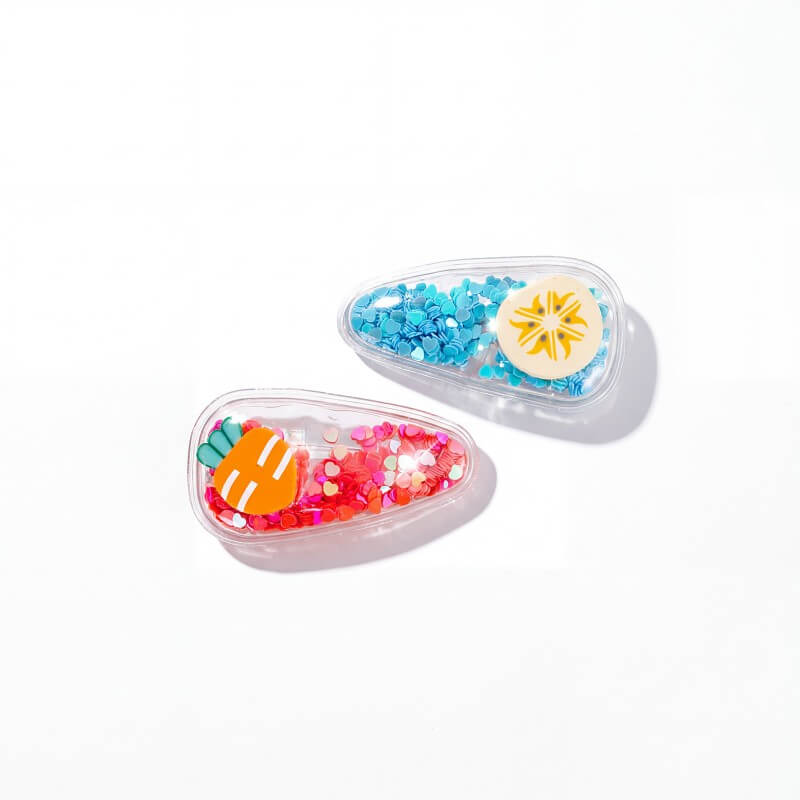
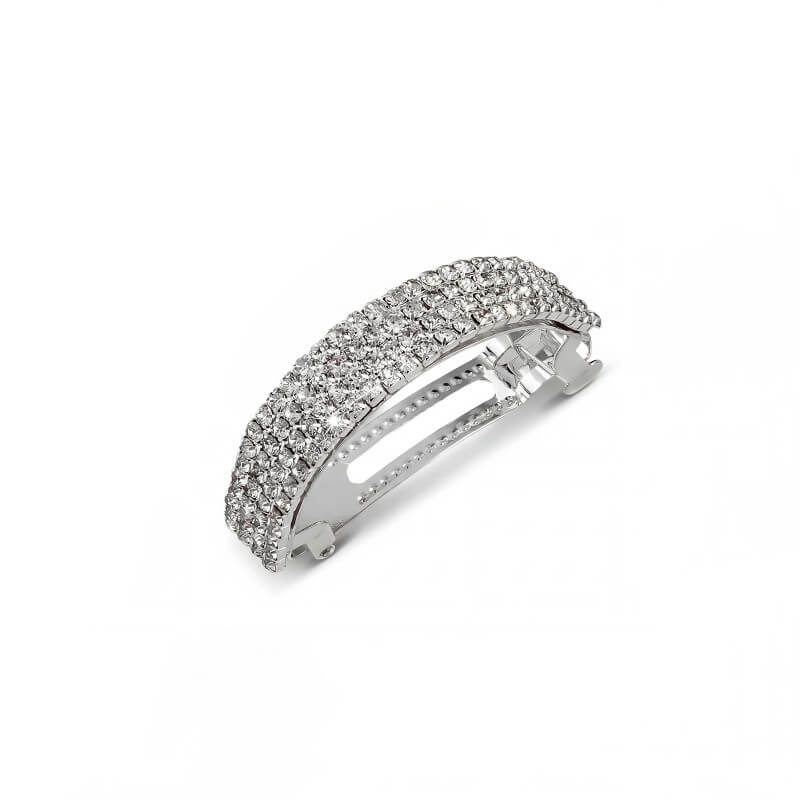
When a buyer asks for glitter claw clips, the first practical step is to separate the styles before discussing price. A set of two glitter clips and a single larger glitter clip do not share the same packing logic, display area or production labor. Even when both use a similar logo render, the quote should list each style with material, size, logo method, set count and quantity tier.
This is especially important for retail buyers who ask for 500, 1000 and 5000 pieces per style. If the quote combines the styles too early, the buyer cannot compare the set route against the single clip route. A cleaner RFQ table lets the buyer decide whether to keep both styles, remove one style or adjust quantity before sampling.
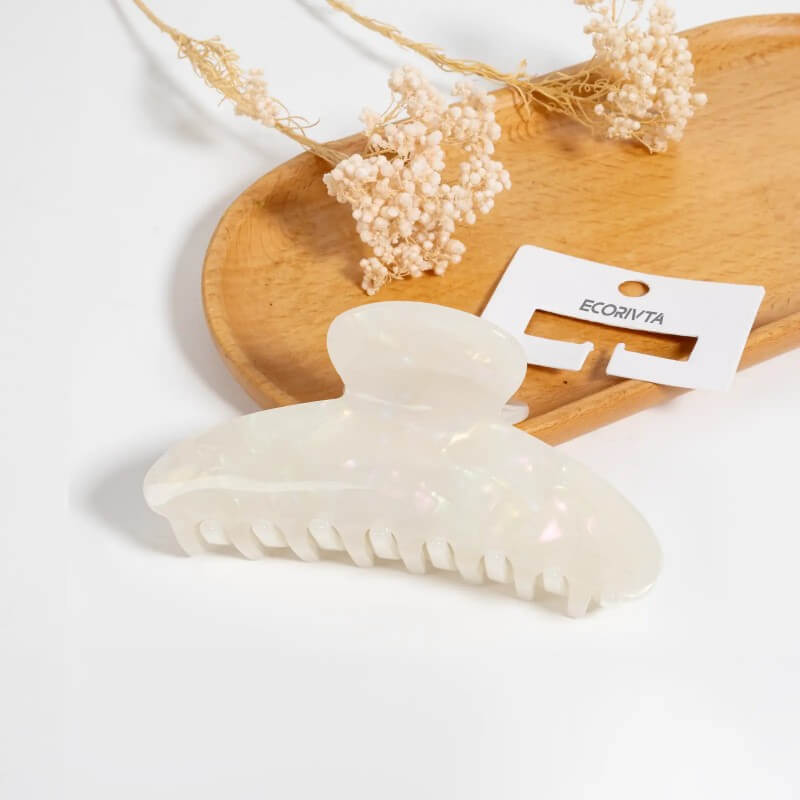
The quotation should also avoid assuming that every glitter clip uses the same base material. Some decorative clips use resin, some use acrylic, some use acetate, and some use glitter film or liquid-shaker construction. The RFQ should ask for the preferred material route, but the supplier can also suggest the route that best matches the reference photo and target price.
| RFQ line item | What to ask for | Why it protects the quote |
|---|---|---|
| Style split | Style A set of 2, Style B single clip, or each clip shape separately. | Set count changes card size, polybag, UPC, labor and unit price. |
| Logo render | Logo file, print/plate/foil/engrave route, logo size and placement. | A rendering is not enough for costing unless the application route is clear. |
| UPC bag | 1-per-polybag, UPC sticker size, placement, language and carton label. | Retail pack-out affects labor, warehouse acceptance and quotation accuracy. |
| Quote tiers | 500, 1000 and 5000 pcs per style, with sample charge and lead time. | Style-by-style quantity tiers prevent mixed assumptions across the quote. |
Logo Render Needs a Production Route
A buyer-supplied logo render is useful, but it is not a production method. The supplier still needs to confirm whether the logo is printed, foil stamped, engraved, plate-applied, stickered on the card or used only on packing. Each route changes cost, lead time and approval risk.
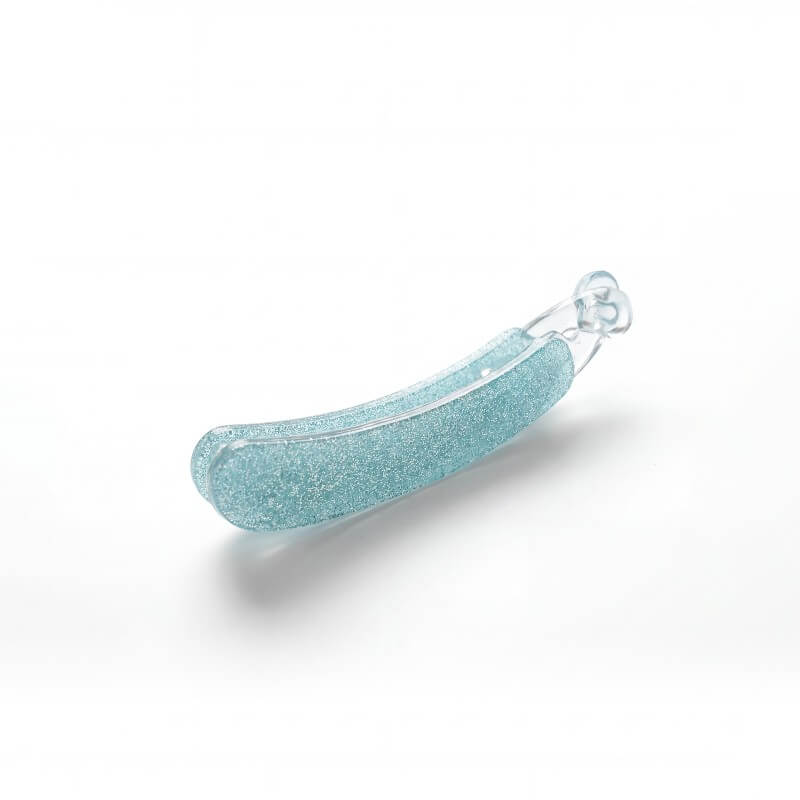
For glitter hair clips, logo visibility can also be affected by shine, curved surfaces and clear material. The sample should show the logo on the actual style, not only on a flat mockup. If the buyer uses a large retail brand logo, the production team should keep authorization confirmation separate from the quote so the RFQ process stays clean.
One useful approval route is to quote the clip first with a defined logo application, then prepare a sample with the exact logo size and position. The buyer can check whether the logo is readable on the glitter surface before approving bulk. This protects both price accuracy and brand presentation.
UPC Polybag Details Belong in the First Quote
Retail packing is not a small afterthought. If the buyer asks for one clip per polybag and a UPC sticker, the quotation should include bag material, bag size, sticker position, barcode responsibility, carton quantity and carton mark. These details affect labor and shipment readiness.
For a set of two, the buyer should confirm whether both clips go into one bag, whether the set needs a backing card, and whether the UPC is for the set or each individual clip. For a single clip, the supplier should confirm whether the clip needs a protective insert, card or simple bag. The barcode route should be clear before bulk packing starts.
Sample Cost, HS Code and Lead Time Should Be Written Together
A complete glitter claw clip RFQ should ask for sample cost, whether the sample charge is refundable, sample lead time, bulk lead time after approval, packing details, carton size, gross weight and HS code. These are not only purchasing details. They help the buyer compare suppliers and decide whether the program can meet the retail launch window.
The short version for the buyer is simple: send style photos, material preference, logo render, packing requirement, UPC instruction, quantity tiers and destination. Ecorivta can turn that into a style-by-style quotation and sample route without asking the buyer to prepare a long technical file at the first contact.
Send a Style-by-Style Glitter Clip RFQ
Send the reference photo, style split, logo render, quantity tiers, UPC bag requirement, destination market and launch date. Ecorivta can quote each glitter claw clip style with sample cost, packing, lead time and HS code notes.
Glitter Claw Clip RFQ Questions
Should a set of two clips and a single clip be quoted together?
No. Quote them as separate style lines first, then summarize the total program if the buyer keeps both routes.
What should be included for UPC packing?
Bag size, 1-per-polybag or set packing, UPC sticker size and placement, carton quantity, carton size and carton mark should be listed.
Can a logo render be used for final production?
It can guide quotation, but final production still needs an approved logo file, placement, color and application route.
What quantity tiers are useful for this type of RFQ?
500, 1000 and 5000 pieces per style are useful tiers when the buyer is comparing retail or GWP program cost.
Related Ecorivta pages and guides
- Acetate Claw Clips for Beauty GWP – Use this page for claw clip material, style and GWP positioning.
- Beauty GWP Hair Clip Supplier – Use this page when the buyer is still comparing hair clip formats.
- Contact Ecorivta – Send style photos and quantity tiers for quotation.
Evidence Used in This Brief
-
GS1 Identification Standards – Used for UPC, barcode and retail identification discussions when products move into store or kit logistics. ↩︎
-
Pantone Color Systems – Used for brand color communication across product, logo, trim, print and packaging. ↩︎
-
WCO Harmonized System – Used as a neutral reference when buyers ask for HS code and cross-border quotation details. ↩︎