Quick Buyer Summary
A French barrette RFQ should not be treated as a generic hair clip quote. The buyer needs the acetate top, metal automatic mechanism, rubber anti-slip part, mold route, MOQ, sample cost and lead time separated before price is meaningful.
For Ecorivta, this topic is worth defending because recent inquiries ask about French mechanisms, rubber grip and whether the supplier can match an attached sample. The safest reply is not a simple yes/no; it is a sample route that checks mechanism, grip, color, finish and tooling risk.
Mechanism Comes Before Decoration
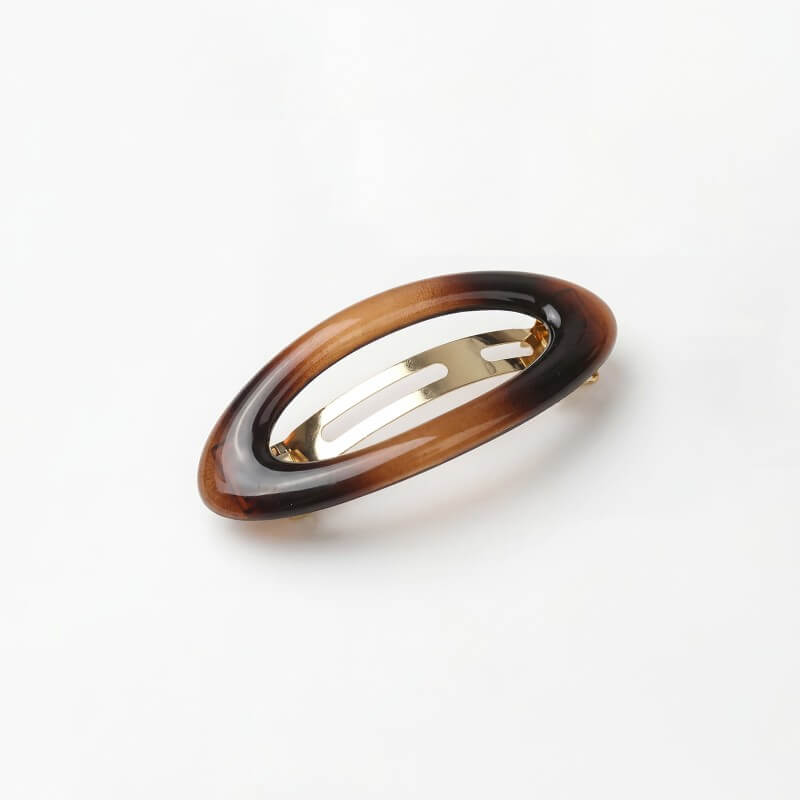
When a buyer says “French barrette,” the mechanism is the first technical checkpoint. The front may be acetate, acrylic or resin, but the back mechanism decides whether the clip opens smoothly, holds hair securely and feels premium after repeated use.
A useful RFQ should ask for the buyer’s sample photo, desired length, mechanism type, hair-holding requirement and whether black rubber anti-slip is required. If the buyer asks for a French-made mechanism, the supplier should clarify whether that means imported hardware, French-style automatic mechanism, or simply the barrette construction commonly called French clip.
Skin-contact material and document needs should be kept realistic. If the buyer asks for safety support, start with project-dependent material records and standards such as OEKO-TEX Standard 100 rather than making a blanket certification promise. See OEKO-TEX Standard 100 1 for one formal reference buyers may recognize.
| RFQ checkpoint | What to confirm | Why it matters |
|---|---|---|
| Mechanism | Automatic French mechanism, tension and back-side build. | Prevents approving only the front shape. |
| Grip | Rubber anti-slip, pressure and hair-holding behavior. | Protects sample comfort and use performance. |
| Mold route | Existing mold, modified mold or new tooling. | Explains cost and lead-time differences. |
| Logo | Engraving, print, plate or label position. | Keeps branding realistic on curved acetate. |
Acetate Top, Rubber Grip and Back-Side Fit Need One Sample
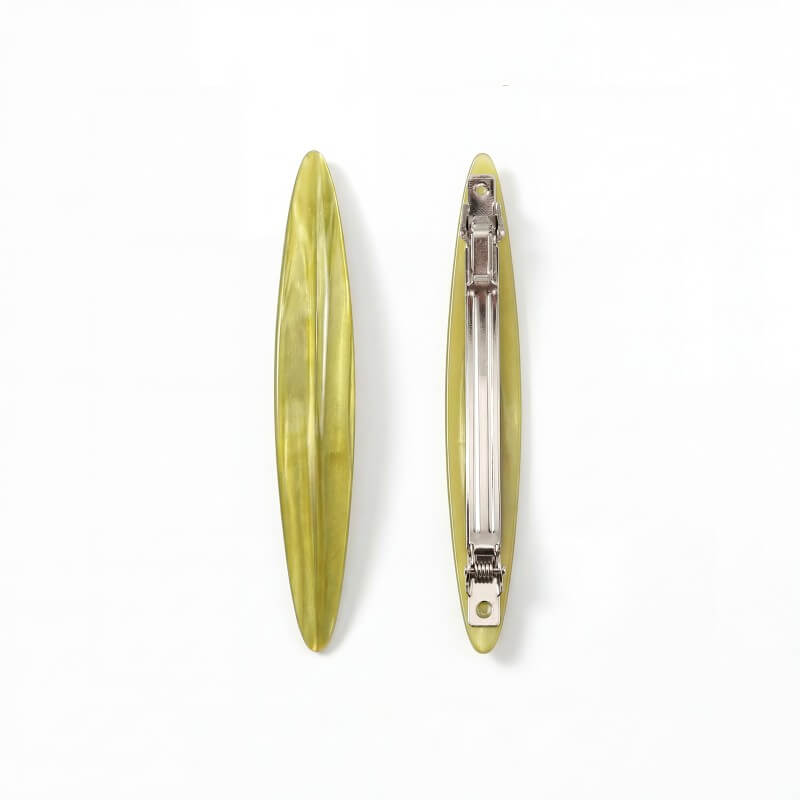
The sample should show both the front acetate top and the back mechanism. Buyers often approve the front color and shape first, then later notice the grip is weak or the rubber does not sit correctly. That creates avoidable sample loops.
For French barrettes, the rubber part is not just a comfort detail. It can affect slip resistance, pressure, hair type compatibility and perceived quality. A brand asking for a premium collection should review the rubber position, tension and finish together with the mechanism.
If the buyer has restricted-substance or compliance questions, keep the discussion tied to the actual material batch. References such as the ECHA Candidate List help explain why material declarations and supplier records matter for acetate or resin accessory programs. See ECHA Candidate List 2 for a documentation reference point.
Mold Cost Depends on Whether the Shape Already Exists
The fastest route is to match the buyer’s concept to an existing mold and adjust color, finish, logo and packing. This keeps sample cost and timing lower. A new top shape, new length or unusual mechanism position can require tooling and should be quoted separately.
For quantity tiers such as 300, 500 and 1000 pieces, the quote should show whether mold cost is included, separate, refundable or spread into the unit price. Otherwise the buyer may compare one supplier’s existing-mold quote against another supplier’s new-mold quote and misunderstand the price gap.
A practical approval route is: existing mold check, material/color selection, blank sample or photo sample, logo route, then final branded pre-production sample.
Logo and Finish Should Follow the Mechanism Decision
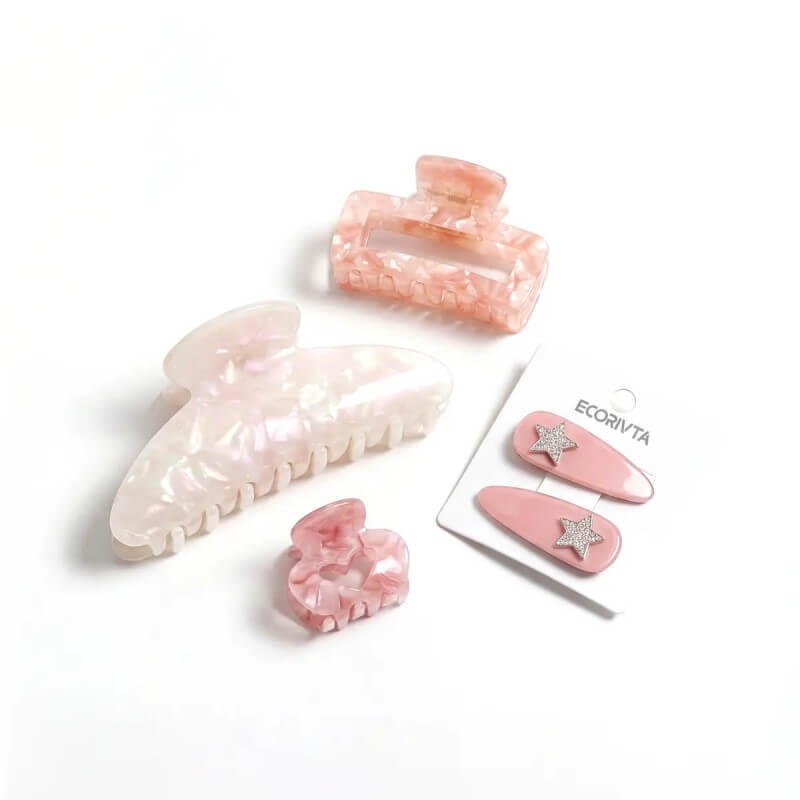
Logo method should not be decided before the sample route is clear. Curved acetate, glossy finish and narrow top surfaces may limit engraving, pad print, foil or logo plate options. The logo can also affect whether the clip still looks premium at small MOQ.
Environmental or material claims should be qualified. The FTC Green Guides are useful as a reminder that claims such as “eco,” “sustainable” or “non-toxic” need support, not only buyer preference language.
The strongest first reply to this type of inquiry is a short technical checklist: sample photo, target size, mechanism route, rubber grip, color/finish, logo position, mold route, MOQ and lead time. See FTC Green Guides 3 when claim wording needs a conservative check.
Send a Focused Sample Brief
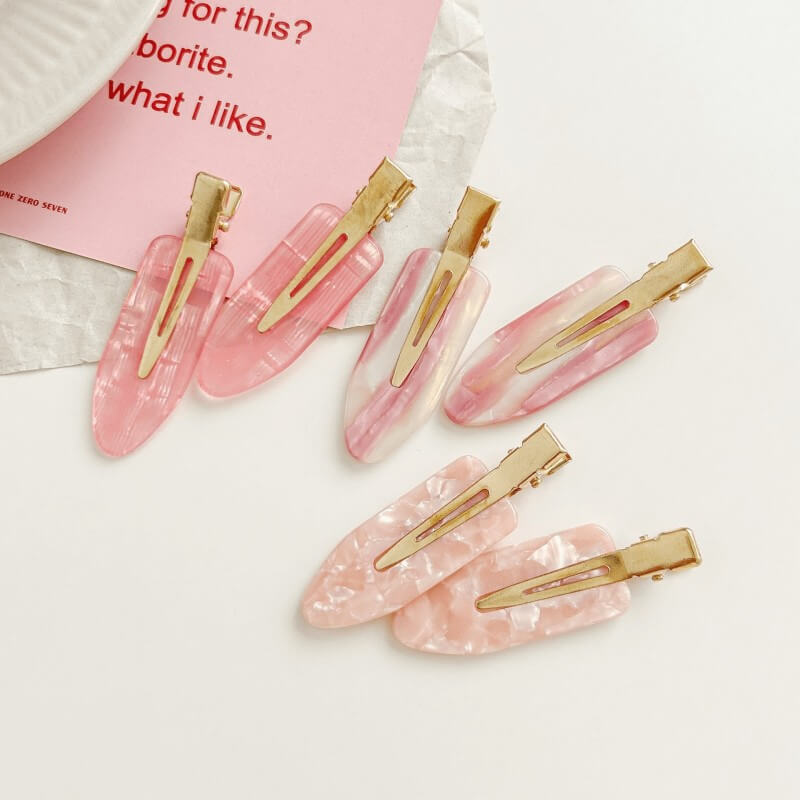
Share the sample photo, target size, material route, quantity tier, logo method, packing expectation and delivery market. Ecorivta can review whether an existing route is enough or whether sample/tooling approval should be separated before bulk pricing.
French Barrette Mechanism Brief Questions
Is a French barrette the same as a normal hair clip?
No. A French barrette usually needs a defined metal automatic mechanism, top shape, grip behavior and back-side construction review.
When does a French barrette need mold cost?
Mold or tooling cost may be needed when the buyer wants a new acetate top shape, new size, or custom hardware route instead of an existing mold.
Should the buyer approve the back mechanism?
Yes. The front style may look right while the mechanism, tension or rubber grip still fails in use.
Can the logo be added after shape approval?
It can, but logo placement should be checked during sample approval because curved acetate surfaces can limit print or engraving area.
Related Ecorivta pages and guides
- Beauty GWP Hair Clip Supplier – Use this page when the buyer is still comparing hair clip formats.
- Barrettes and French Clips – Use this page for French barrette and barrette-style sourcing.
- Contact Ecorivta – Send photos, mechanism requirement and quantity tiers for review.
Evidence Used in This Brief
-
OEKO-TEX Standard 100 – Used for skin-contact material safety and document-support discussion. ↩︎
-
ECHA Candidate List – Used as a reference point when buyers ask about restricted substances and supplier material declarations. ↩︎
-
FTC Green Guides – Used to keep environmental and material claims specific, qualified and supportable. ↩︎