Quick Buyer Summary
A bio-acetate claw clip inquiry is not only a style inquiry. Buyers may ask for MSDS, plasticizer limits, PFAS or phthalate restrictions, nickel-free spring hardware and documentation before sampling.
The best RFQ response separates what can be verified now, what depends on the selected sheet or colorway, and what needs supplier material records before a public claim is made.
Material Verification Comes Before Marketing Claims
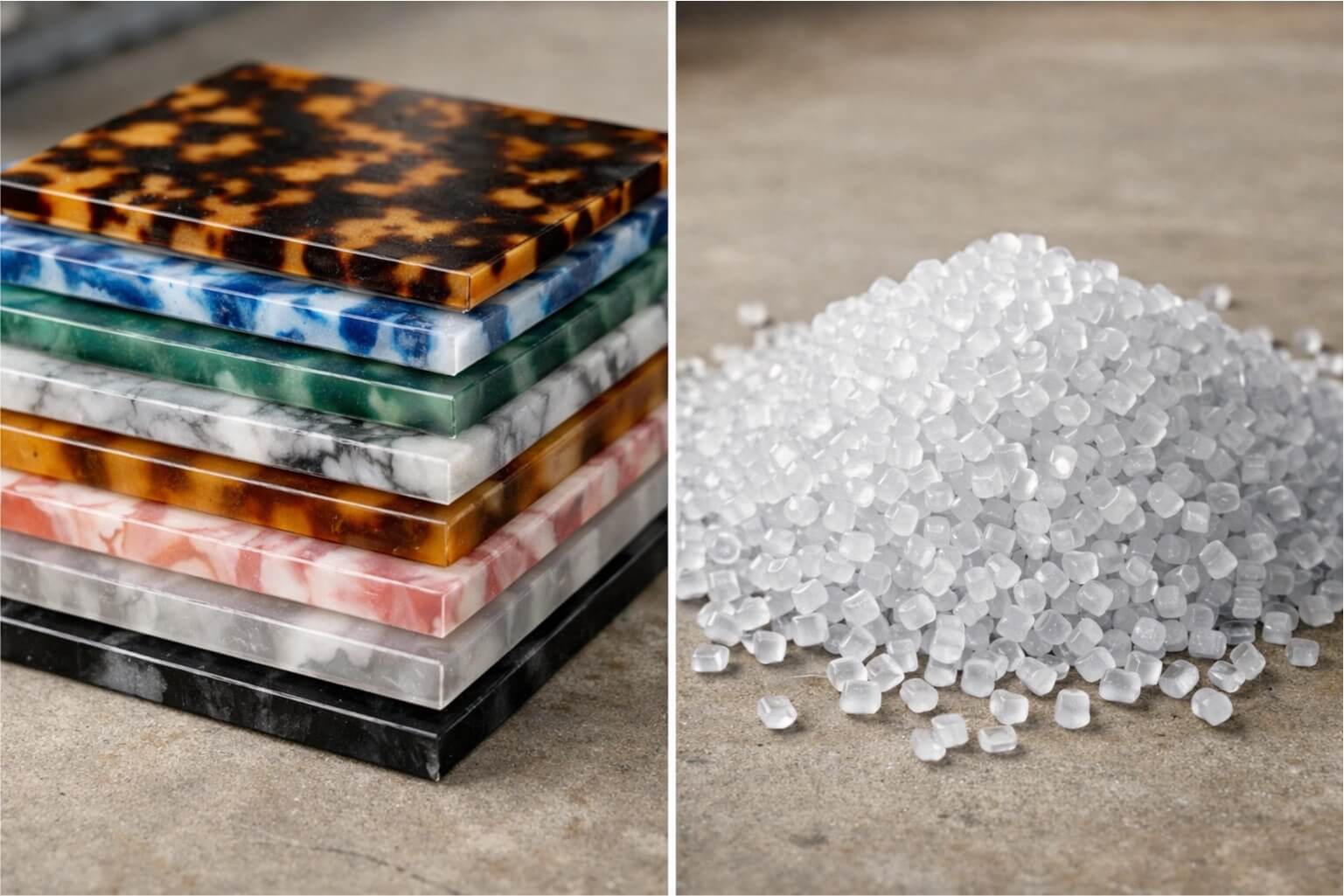
When a buyer asks for true bio-acetate, the supplier should not start with broad sustainability language. Start with the selected sheet or resin route, whether the material source can provide MSDS or equivalent material information, and what claim wording the buyer wants to use.
Some buyers name specific acetate grades or ask for food-grade or bio-based plasticizer routes. That does not mean every available sheet automatically qualifies. It means the material choice and document route need to be reviewed before sample approval.
OEKO-TEX Standard 100 can be a useful skin-contact reference when buyers ask about material safety, but the exact document support is project-dependent and should be confirmed against the chosen material. See OEKO-TEX Standard 100 1 for one formal reference buyers may recognize.
| RFQ checkpoint | What to confirm | Why it matters |
|---|---|---|
| Material | Selected bio-acetate sheet or resin route. | Claims and documents depend on the actual source. |
| MSDS scope | Available supplier documents for the chosen material. | Avoids unsupported compliance promises. |
| Plasticizer limits | Buyer restrictions such as DEP, phthalates, PFAS or bisphenols. | Helps decide whether the route is suitable before sampling. |
| Spring hardware | Tension, finish, rust resistance and nickel concerns. | Premium feel depends on hardware, not only acetate. |
Plasticizer and Restricted Substance Questions Need Clear Scope
Premium buyers may ask whether DEP, traditional phthalates, bisphenols or PFAS are excluded. The useful answer is not a casual “yes.” It is a record-based answer tied to the actual material source, selected colorway and supplier declaration.
If a buyer requests MSDS before a sample order, prepare the material route first. A generic clip photo does not answer chemistry questions. The buyer needs to know which sheet, pigment, hardware and coating route will be used for the sample.
References such as the ECHA Candidate List help explain why restricted-substance questions should be handled through documentation rather than sales wording. See ECHA Candidate List 2 for a documentation reference point.

Premium Spring Hardware Is Part of the Product Standard
A bio-acetate clip can still fail the buyer’s expectation if the spring feels low-grade, the opening is uneven or the metal finish creates concern. The spring should be checked for tension, smooth opening, rust resistance, finish and whether the buyer has nickel-related requirements.
For a long-term brand program, the spring should be treated as a spec item. The buyer can approve the acetate color and still reject the sample if the grip, spring pressure or closing feel does not match the positioning.
This is why a strong sample brief includes material sheet, clip size, spring route, teeth spacing, edge polishing, logo method and packing, not only a product photo.
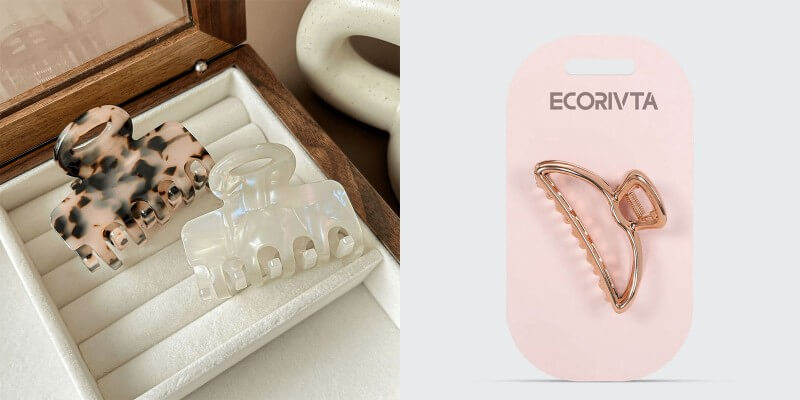
Use Claims Carefully in Catalogs and Product Pages
Buyers often want words such as bio-based, non-toxic or eco-friendly because the product will appear in a premium beauty assortment. Those words need support. The safer route is to describe the selected material, available documentation and what the buyer can verify before bulk.
The FTC Green Guides are a useful reminder that environmental claims should be specific and qualified. For supplier communication, this means avoiding claims that go beyond the document package available for the chosen material.
A clean RFQ should ask for the buyer’s target claim, market, material preference, document needs, logo method, packaging route and sample schedule. That lets the supplier quote a realistic compliance path instead of overpromising. See FTC Green Guides 3 when claim wording needs a conservative check.
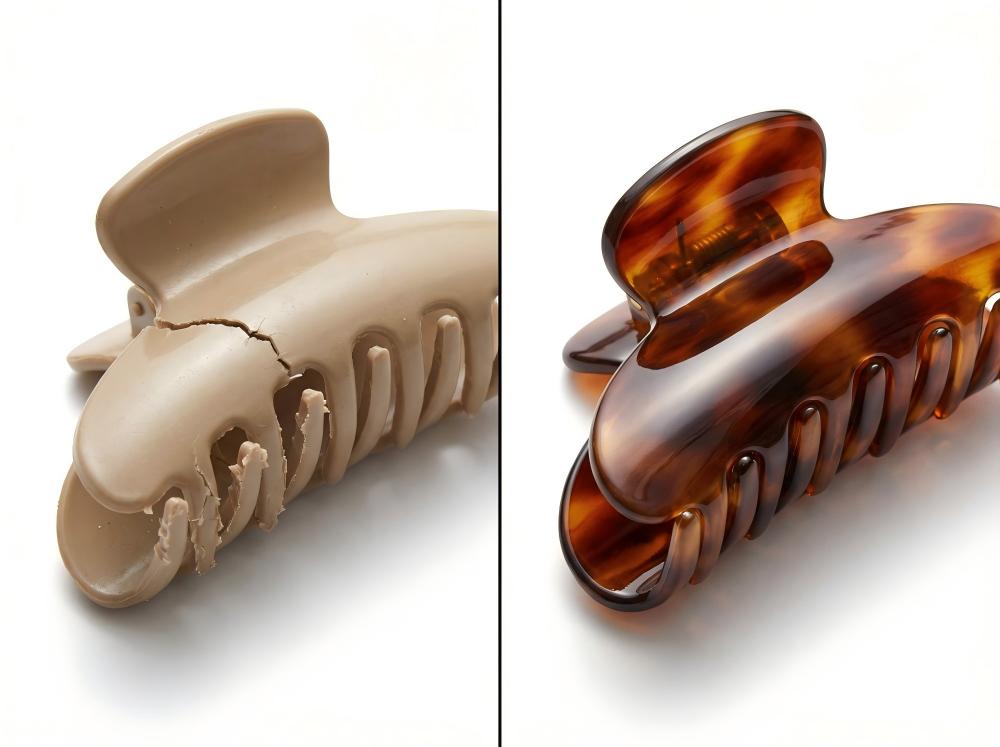
Send a Focused Sample Brief
Share the sample photo, target size, material route, quantity tier, logo method, packing expectation and delivery market. Ecorivta can review whether an existing route is enough or whether sample/tooling approval should be separated before bulk pricing.
Bio-Acetate Claw Clip Compliance Brief Questions
What should a bio-acetate claw clip buyer ask first?
Ask for the actual material route, MSDS or supplier declaration scope, spring hardware details, MOQ, sample lead time and color options.
Can a supplier simply promise “bio-acetate”?
No. The claim should be tied to the material batch, supplier documentation and agreed wording before the buyer uses it publicly.
Why does spring hardware matter in a compliance brief?
Premium buyers often ask for durable, nickel-conscious or high-tension hardware because the spring affects both feel and long-term product quality.
Should PFAS or phthalate questions be handled in the first RFQ?
Yes, if the buyer raises them. The supplier should state what documentation can be reviewed and avoid unsupported blanket claims.
Related Ecorivta pages and guides
- Acetate Claw Clips Manufacturer – Use this page for claw clip material, style and GWP sourcing.
- Beauty GWP Hair Clip Supplier – Use this page when the buyer is still comparing hair clip formats.
- Contact Ecorivta – Send material, hardware and compliance questions for review.
Evidence Used in This Brief
-
OEKO-TEX Standard 100 – Used for skin-contact material safety and document-support discussion. ↩︎
-
ECHA Candidate List – Used as a reference point when buyers ask about restricted substances and supplier material declarations. ↩︎
-
FTC Green Guides – Used to keep environmental and material claims specific, qualified and supportable. ↩︎