Struggling to find a truly reliable eco-friendly manufacturer? Many make claims they can’t back up. These key questions will help you find a partner who delivers on their promises.
To assess a manufacturer’s true capability, you must ask targeted questions. Focus on their material sourcing, quality control, problem-solving skills[^1], and supply chain management. This approach helps you identify genuine experts and secure a trustworthy partner for your brand’s success.

Finding the right partner is crucial for your brand. It’s about more than just a good price; it’s about reliability, quality, and a shared commitment to sustainability. The wrong choice can lead to delays, poor quality, and damage to your reputation. Let’s break down the essential questions you need to ask. These questions will give you the clarity you need to make the best choice and build a strong, lasting partnership.
Questions About Their Material Sourcing and Innovation Capabilities?
Worried about greenwashing? Many suppliers talk about eco-materials but lack real expertise. Asking the right questions reveals their true commitment to sustainable sourcing and protects your brand’s integrity.
Ask manufacturers about their sustainable material supply chain history. A good partner can detail specific materials, explain sourcing challenges, and show a clear plan for future development. This demonstrates genuine expertise, not just marketing buzzwords, and proves they are a long-term, reliable choice.
[^2] like rPET and organic cotton for cosmetic bags](https://www.ecorivta.com/wp-content/uploads/2025/10/various-eco-friendly-materials-like-rpet-and-organ.png)
Building a stable supply chain for sustainable materials is not a simple task, especially in today’s market. In my experience, it takes years of dedication. In my manufacturing work, I have spent years developing sustainable-material sourcing routes for beauty-accessory programs, and even now, there are always challenges to overcome. This long journey has given us deep insights that newer manufacturers, perhaps with only two or three years of experience, simply don’t have. They might know the basics, but they haven’t faced the real-world problems that build true expertise. A manufacturer whose main business isn’t eco-friendly products but uses “eco” as a gimmick is not a reliable long-term partner. You need a specialist. To see if a potential partner is a true specialist, ask these questions:
Key Sourcing & Innovation Questions
| Question Category | Specific Question to Ask | What It Reveals |
|---|---|---|
| Supply Chain History | “Can you describe the history of your sustainable material supply chain? What were the biggest challenges you overcame?” | This probes for genuine, long-term experience versus recent, superficial claims. |
| Material Innovation | “What new eco-friendly materials are you currently developing or testing? What makes them a better choice?” | This tests their commitment to staying ahead of trends and their R&D capabilities. |
| Supplier Verification | “How do you verify the certifications (e.g., GRS, OCS) of your raw material suppliers?” | This checks their due diligence process for ensuring material authenticity and ethical sourcing. |
Questions to Uncover Their End-to-End Quality Control System?
Poor quality products can damage your brand’s reputation. A weak quality control (QC) system leads to defects and costly returns. How can you be sure a manufacturer’s process is reliable?
To properly vet their quality control, ask about their specific QC checkpoints from raw materials to final inspection. Inquire about their standard defect rates, how they handle failed inspections, and if they provide detailed QC reports. A trustworthy manufacturer will be transparent.
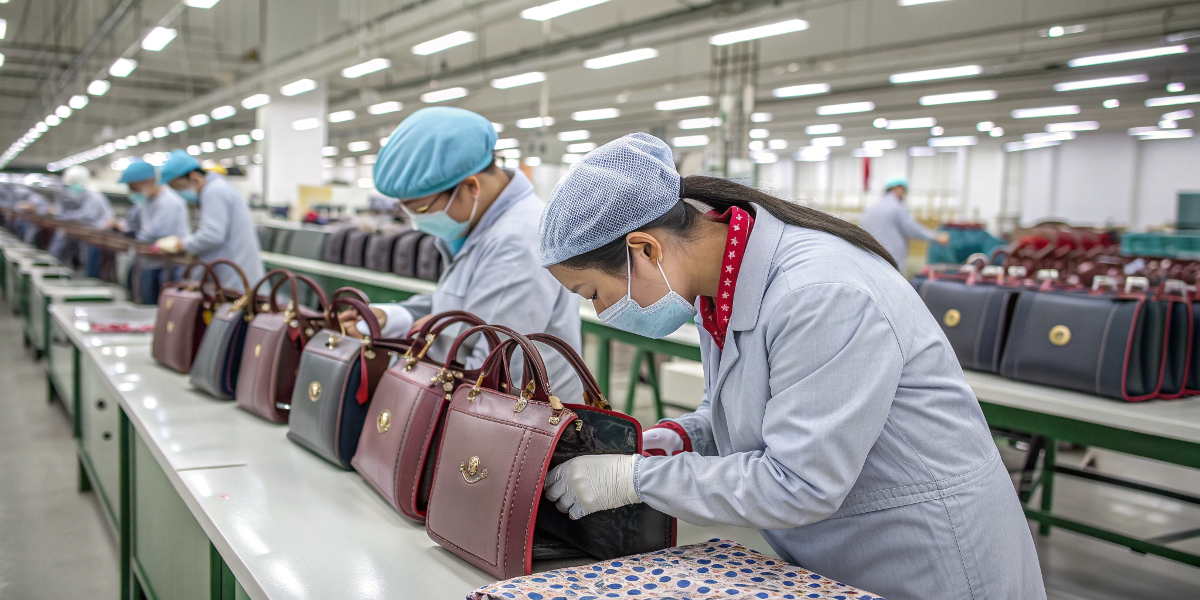
A comprehensive quality control system is non-negotiable. It must be integrated into every step of the production process, not just a final check. A good system is built on clear, documented standards that everyone on the production line understands and follows. From the moment raw materials arrive at our factory to the final packing of the cosmetic bags, we have specific checkpoints. This end-to-end approach is the only way to ensure consistency and catch potential issues before they become major problems. A manufacturer who can’t walk you through their process in detail is a red flag. They should be able to explain their system clearly and provide documentation to back it up. Vague answers about “high quality” are not enough; you need to know the ‘how’ and ‘why’ behind their claims.
Diving into Their QC Process
A robust QC system is typically broken down into three main stages. Here’s what to ask for each:
-
Incoming Quality Control (IQC): This is the first line of defense.
-
Question: “What is your process for inspecting incoming raw materials like fabric, zippers, and thread? What are your criteria for rejection?”
-
What to listen for: They should mention checking for color consistency, fabric defects, zipper functionality, and correct material specifications.
-
In-Process Quality Control (IPQC): This ensures quality is maintained during production.
-
Question: “How often do you conduct inspections on the production line? What specific things do you check for during sewing and assembly?”
-
What to listen for: They should talk about checking stitch length, seam strength, logo placement accuracy, and overall construction at various points in the assembly line.
-
Final Quality Control (FQC): This is the last check before the products are shipped.
-
Question: “Can you walk me through your final inspection process? What is your AQL (Acceptable Quality Limit) standard?”
-
What to listen for: Look for a detailed, systematic final check that covers all aspects of the bag, from aesthetics to function, and a clear, industry-standard AQL they adhere to.
Questions That Test Their Problem-Solving Skills and Production Experience?
Unexpected problems happen during production. How a manufacturer handles these issues is what truly matters. A lack of experience can turn a small problem into a major, costly delay for you.
To gauge their experience, ask for specific examples of production problems they have solved in the past. Their answer will reveal their problem-solving ability, their communication style during a crisis, and their commitment to finding a good solution for their clients.
Theory is one thing, but real-world experience is what counts when things go wrong. Over my 30 years in this business, I’ve seen it all—from a batch of custom-dyed fabric arriving in the wrong shade to a new type of eco-friendly zipper failing stress tests right before a major shipment. These are the moments that define a manufacturer. A good partner doesn’t just identify the problem; they immediately communicate with you, present a clear plan with potential solutions, and explain the impact on the timeline and cost. An inexperienced manufacturer might panic, hide the issue, or offer weak excuses. True expertise is demonstrated through calm, transparent, and effective problem-solving that protects the client’s interests. This is the kind of partner you want on your side.
Uncovering Their Real-World Expertise
To dig deeper, present them with a hypothetical scenario or ask about their past experiences with these key questions:
- Question 1: The Material Flaw
- “Imagine your fabric supplier sends a roll of certified rPET material with a slight, but noticeable, color inconsistency. It’s only discovered after 20% of the order is cut. What are your immediate next steps?”
- A strong answer should include:
- Immediately halting production to prevent more waste.
- Contacting the client (you) right away to explain the situation and show photos.
- Presenting options: using the slightly off-color fabric with a discount, or reordering new fabric and providing a revised timeline.
- Working with their supplier to understand why it happened and prevent it in the future.
- Question 2: The Unexpected Delay
- “A typhoon warning is issued, and local authorities require your factory to shut down for three days, right during the peak production of our order. How do you manage this to minimize the delay?”
- A strong answer should include:
- Proactive communication about the potential shutdown.
- A clear plan to make up for lost time, such as authorizing approved overtime or reorganizing shift schedules once the factory reopens.
- Providing a realistic, updated delivery schedule.
Questions Regarding Their Supply Chain Management and On-Time Delivery Record?
Late deliveries can ruin a product launch and cause huge losses. You need a partner with a proven track record. How can you be sure a manufacturer can manage their supply chain effectively?
Ask for their on-time delivery rate over the last year and how they manage production scheduling. A reliable manufacturer will have a clear system for tracking progress, managing suppliers, and communicating potential delays proactively, ensuring transparency and accountability for your orders.
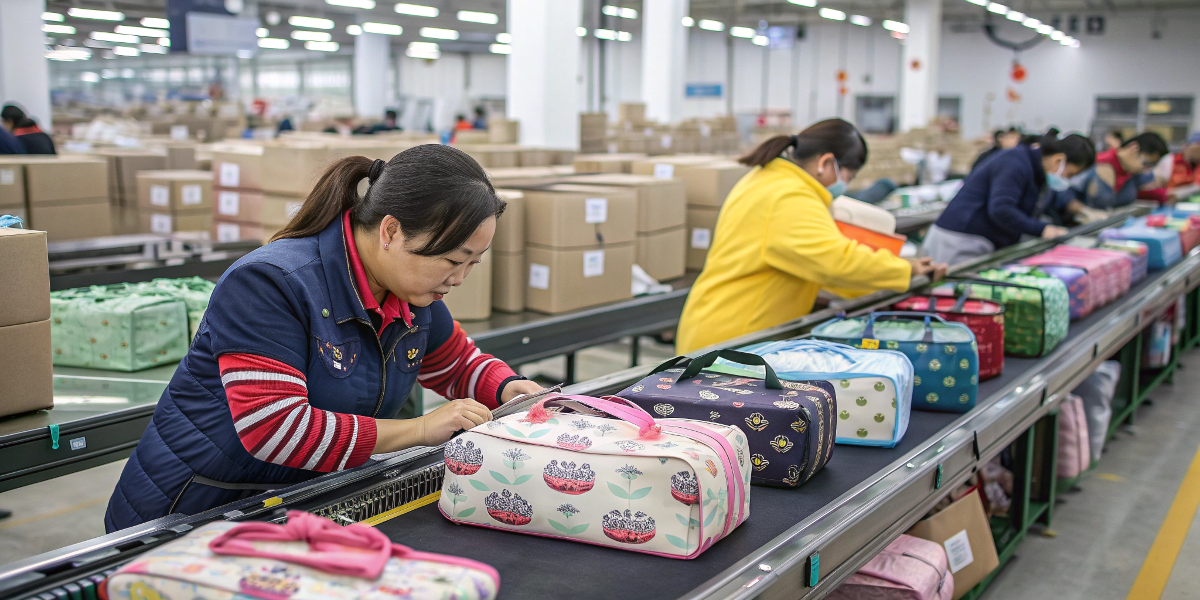
Great quality means nothing if the products don’t arrive on time. Consistent, on-time delivery is the result of excellent supply chain management, not luck. This involves meticulous planning from the very beginning. It means ordering raw materials well in advance, coordinating with multiple sub-suppliers, scheduling production runs efficiently, and having contingency plans for unexpected issues. At our facility, we use a production planning system that gives us a clear view of every order’s status. This allows us to anticipate bottlenecks before they happen and communicate proactively with our clients. A manufacturer who can’t provide a clear, confident answer about their on-time delivery rate or their management process likely struggles with it, which is a risk you cannot afford to take.
Evaluating Their Delivery Reliability
A transparent and well-managed production schedule is key to on-time delivery. Here are the questions to ask to verify their process:
-
Question 1: Performance Metrics
-
“What was your on-time delivery percentage for the last 12 months? Can you provide references who can confirm your reliability?”
-
What it reveals: A confident manufacturer with a high rate (e.g., 95%+) will be proud to share this number and connect you with happy clients. Hesitation is a major warning sign.
-
Question 2: Production Tracking
-
“How do you track production milestones[^3], and how often will you provide us with updates on our order’s progress?”
-
What it reveals: They should describe a system, whether it’s software or a dedicated account manager, that tracks the order from material arrival to final shipment. Look for a commitment to regular, proactive updates.
-
Question 3: Risk Management
-
“How do you manage risks with your own suppliers (e.g., fabric mills, zipper providers) to prevent them from causing delays to our order?”
-
What it reveals: An experienced manufacturer will have a network of trusted primary and backup suppliers, and they will build buffer time into their production schedule to account for potential issues.
Conclusion
Asking these targeted questions about materials, quality control, problem-solving, and delivery will help you identify a truly capable and reliable eco-friendly cosmetic bag manufacturer for a successful partnership.
---

[^1]: Understand the significance of problem-solving in manufacturing and how it affects production efficiency.
[^2]: Stay updated on the latest innovations in eco-friendly materials for sustainable manufacturing.
[^3]: Explore the significance of tracking production milestones for successful project management.