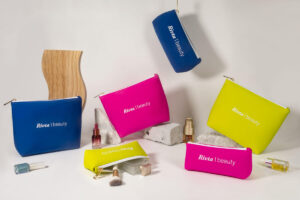
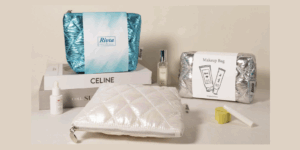
Lab testing for a beauty bag is useful only when the buyer, supplier and lab are testing the right sample for the right risk. Rub, pull and color fastness requirements should be discussed before material sourcing, logo sampling and bulk production.
Buyer Summary
Beauty bag lab testing should be planned before material approval, logo sampling and bulk production, not treated as a final paperwork step. The practical purchasing decision is simple: define the test risk at RFQ stage, name the component to be tested, confirm whether an internal factory check is enough or whether a buyer-paid third-party report is required, and keep the report tied to the exact sample, color, material, logo method and SKU. For most cosmetic bag programs, rub, pull, color fastness, abrasion, logo durability, hardware checks and restricted-substance requests should be scoped by product use, market route and retailer requirement.
| Best for | This guide is best for beauty brands, private-label buyers, sourcing managers, product teams and GWP teams preparing a custom makeup bag, pouch, toiletry bag or travel kit order where lab-test language has already appeared in a customer, retailer, importer, distributor or EU / US market request. It fits buyers who need to decide whether rub, pull, color fastness, abrasion, logo durability, hardware checks, restricted substances or third-party reports should be planned before quote, sample approval and bulk material purchase. It is especially useful when several colors, logo methods, materials or market routes may require different evidence files, approval owners and report timing. |
| Less suitable | This guide is less suitable for one-piece personal purchases, generic marketplace resale, finished stock bought without customization, or projects where the buyer only wants a visible low price and has no retailer, importer, distributor, market or internal quality requirement to document. It is also not a laboratory manual, legal opinion, chemical compliance review or replacement for a retailer testing protocol. If the buyer already has an appointed lab, formal test manual and exact pass criteria, this guide should be used as a supplier briefing checklist rather than as the final technical authority. |
| Ecorivta reality | Main material testing is common. Ecorivta can do internal color fastness checks after fabric arrives, plus internal salt-spray and pull checks for metal or hardware parts. |
| Core boundary | Internal checks are not third-party lab reports. Professional reports are arranged when the buyer requires them, and third-party test fees are normally paid by the buyer. |

Why do beauty bag lab tests create confusion?
Beauty buyers often use broad language such as “please pass testing” or “we need color fastness.” A factory cannot act on that alone. A cotton pouch, rPET vanity bag, clear TPU pouch, embroidered logo patch and metal zipper puller may each create different risks. The test method, sample scope and pass level need to be defined before the sample is sent to a lab.
The most common confusion is treating the report as a universal certificate. A report usually applies to the specific sample, material, color, logo method, component and test method submitted. If bulk production later changes material roll, dye lot, print process, lining or zipper puller, the old report may no longer represent the final goods.
For Ecorivta, the practical approach is to ask what the customer is trying to control: material color transfer, print rubbing, seam failure, zipper strength, handle pull, abrasion, odor, restricted substances, metal corrosion or claim evidence. Customers may be beauty brands, retailers, importers, distributors or EU / US market teams. Sometimes the request is only verbal, so the supplier should turn it into a clear test scope before the order moves forward.
Main material testing is common in Ecorivta projects. When fabric arrives at the factory, Ecorivta can run internal color fastness checks before production decisions move too far. For metal parts, Ecorivta can also run internal salt-spray checks, and for hardware or attachment points it can run internal pull checks. These internal checks help project control, but they are not the same as a professional third-party lab report.
| Working logic | Order-stage test requirement + internal factory check where practical + third-party report when required + approval file = fewer late disputes. |
Which tests are most relevant to cosmetic bags?
Cosmetic bags are soft goods, not cosmetic formulas. The relevant tests usually relate to textile or flexible material behavior, component strength, print durability, color transfer, abrasion and buyer-specific restricted substance requirements. A buyer should not ask for every possible test. The better question is which risk matters for this material, this logo method and this launch route.
For a Dongguan, Guangdong supplier-side workflow, the practical split is simple: factory checks help catch obvious issues before bulk work, while third-party lab reports support formal buyer, retailer or importer documentation. Ecorivta brings more than 30 years of bag-production experience to this split, so test planning is treated as part of production management, not only a document collected at the end.
| Test area | What it checks | Common beauty bag trigger |
|---|---|---|
| Color fastness to rubbing | Whether color transfers when rubbed dry or wet. | Dark fabric, bright lining, printed surface or product contact. |
| Pull / tensile strength | Whether fabric, seam, handle or strap resists force. | Heavy skincare jars, travel kit filling or hanging toiletry case. |
| Color fastness to washing | Whether textile color changes or stains other fabric after washing. | Washable cotton or fabric pouch claims. |
| Color fastness to perspiration | Whether color changes or transfers under acidic or alkaline perspiration conditions. | Handheld bags, summer campaigns or body-contact accessories. |
| Abrasion resistance | How fabric surface behaves under repeated rubbing or wear. | Retail bag, travel pouch, rough handling or premium finish concern. |
| Restricted substance testing | Whether selected substances meet a buyer or market requirement. | AZO, heavy metal, REACH, CPSIA, OEKO-TEX or brand-policy request. |
| Salt-spray check | Whether metal parts resist corrosion under a salt-spray condition. | Metal zipper puller, logo plate, buckle or decorative hardware. |
 |
 |
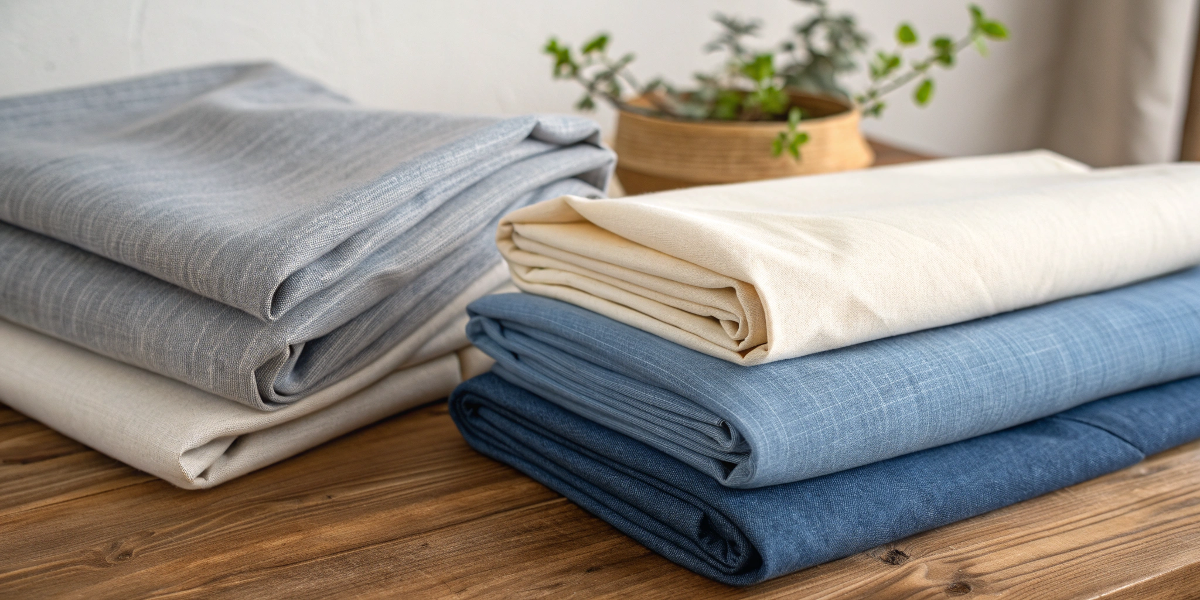
| Material risk first
Material choice affects color fastness, abrasion and restricted substance planning. |
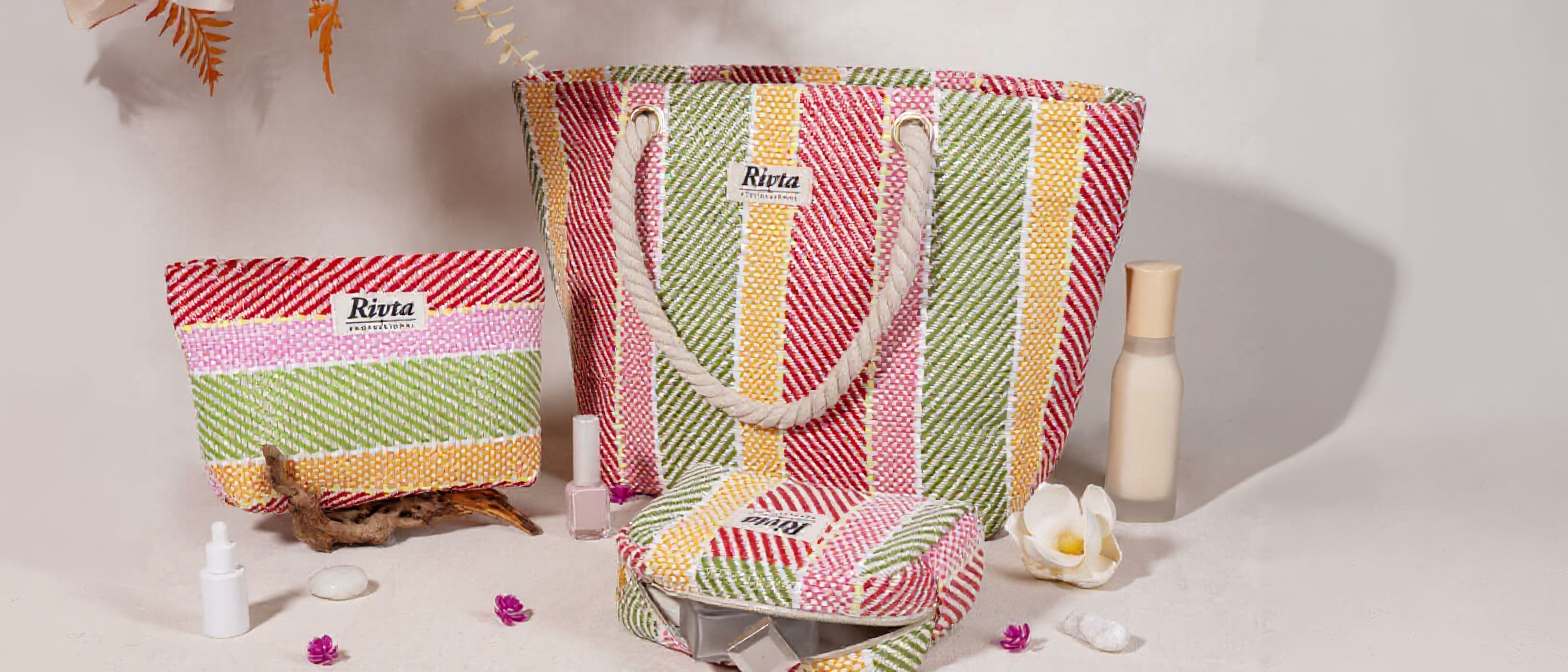
Logo surface matters
Logo testing should use the actual material surface whenever possible. |
What does a rub test or crocking test mean?
Rub testing, often discussed as crocking for textiles, checks whether color transfers from one surface to another under controlled rubbing. Buyers usually care about this when the bag uses dark fabric, bright dye, coated material, printed logo, colored lining or a surface that may contact cosmetic cartons, clothes or hands.
ISO 105-X12 color fastness to rubbing [1] and AATCC TM8 crocking testing [2] are examples of official methods used in textile contexts. The important supplier-side question is not only “can it pass?” The question is which component and which surface should be tested: outer fabric, lining, printed logo, zipper tape, leather-like patch or finished bag panel.
| Rub-test question | Why it matters | Supplier note |
|---|---|---|
| Dry or wet rubbing? | Wet conditions can create higher transfer risk. | Ask the buyer which condition is required. |
| Material or finished bag? | Flat material is easier to test; finished panels may represent real use better. | Confirm sample scope before sending to lab. |
| Outer or lining? | Dark lining may stain product cartons or light products. | Do not only test the outer shell if lining contact matters. |
| Logo surface? | Print, foil, patch or coating may rub differently from fabric. | Logo strike-off may need its own check. |
| Color grade target? | Buyers may require a minimum grade. | Pass level must be agreed before testing. |
What does pull strength mean for a beauty bag?
Pull strength can refer to several things: fabric tensile strength, seam strength, handle pull, strap pull, zipper puller attachment or hardware fixation. A buyer who simply says “pull test” may be thinking about a handle, while the lab may need a fabric tensile method. The component must be named.
Textile tensile standards such as ISO 13934-1 tensile properties of fabrics [3] and ASTM D5034 textile breaking strength [4] are examples used for fabric breaking force or elongation testing under defined methods. For cosmetic bags, however, the practical project risk may be at the seam, handle, zipper puller or side tab rather than the flat fabric alone.
| Pull area | Typical risk | What to define |
|---|---|---|
| Fabric panel | Material tears under force. | Fabric test method and sample direction. |
| Seam | Stitching opens when products are packed tightly. | Seam type, force direction and acceptable result. |
| Handle / strap | Handle detaches during use or transport. | Load, duration and attachment point. |
| Zipper puller | Puller breaks, detaches or bends. | Hardware material and pull direction. |
| Hanging hook | Hook fails when bag is loaded. | Loaded sample weight and hanging condition. |
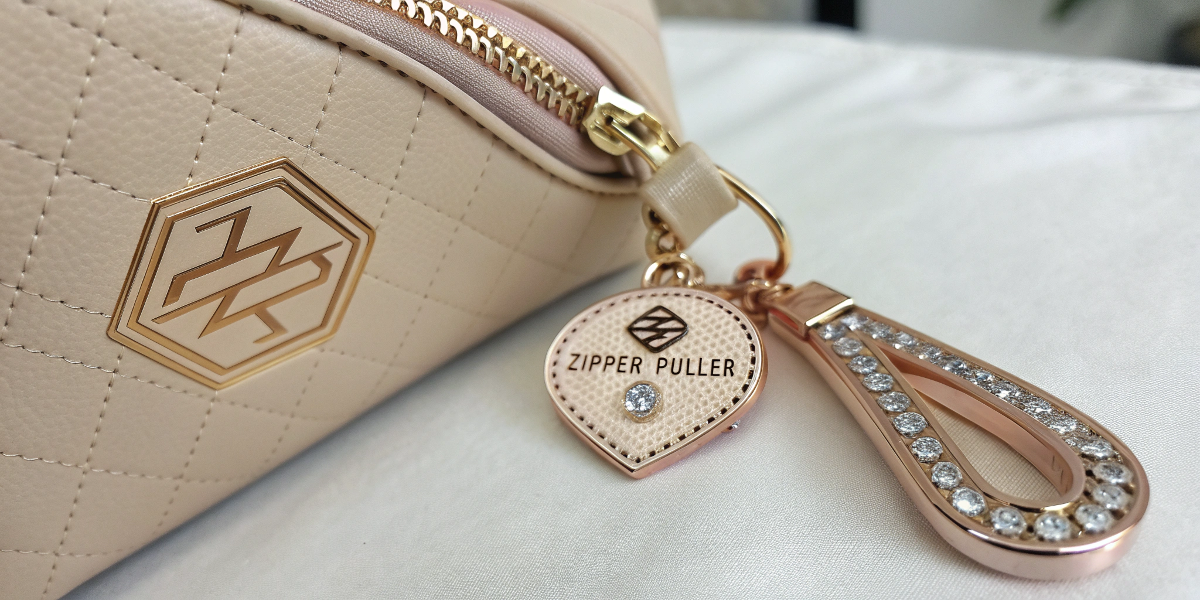 |
| Hardware is part of pull risk
Pull strength may involve hardware and zipper parts, not only fabric. |
What does color fastness cover beyond rubbing?
Color fastness is not one test. It can cover rubbing, washing, perspiration, light, water, sea water, saliva or other exposure routes depending on product category and buyer requirement. For a beauty bag, the most relevant routes usually depend on material and use case. A washable cotton pouch, premium travel case and single-campaign GWP bag should not automatically receive the same test package.
ISO 105 includes many textile color fastness parts, including examples for artificial light exposure [5], domestic and commercial laundering [6] and perspiration testing [7]. Buyers should avoid vague requests such as “test color fastness” and instead state the exposure route, sample component and required grade.
| Color fastness route | Relevant when | Beauty bag example |
|---|---|---|
| Rubbing | Color transfer to hands, cartons or other surfaces is a concern. | Black cotton pouch with white logo. |
| Washing | The buyer markets the bag as washable or reusable in a wash context. | Cotton skincare pouch with care label. |
| Perspiration | Handheld or summer-use item may contact sweat. | Gift pouch carried in hot weather campaign. |
| Light | Display, window exposure or color fading matters. | Premium pouch displayed in retail environment. |
| Water | Bag may be exposed to damp bathroom or travel conditions. | Toiletry pouch or clear travel case. |
How should logo and print testing be handled?
Logo durability is often more visible to the customer than fabric strength. A bag can be structurally acceptable but still feel poor if the logo scratches, cracks, peels, bleeds or sits in the wrong color contrast. Logo testing should be linked to the logo method and material surface.
Screen print on cotton, heat transfer on polyester, foil on PU-like material, embroidery on canvas and patch branding on clear pouch surfaces all behave differently. A logo strike-off is a useful early reference, but if a buyer has a specific rubbing, adhesion or abrasion requirement, that should be included before logo sampling. For fabric surface wear concerns, methods such as ISO 12947-2 abrasion resistance by Martindale method [8] may be relevant when the buyer requests it.
| Logo method | Test concern | Approval reference |
|---|---|---|
| Screen print | Rubbing, cracking, color match and edge clarity. | Printed swatch or strike-off on actual material. |
| Heat transfer | Peeling, edge lift and surface compatibility. | Transfer sample after cooling and handling. |
| Embroidery | Thread color, backing, puckering and pull. | Embroidery sample on final fabric. |
| Patch | Attachment strength and edge finish. | Patch sample with stitching or bonding method. |
| Metal puller logo | Plating, bending and attachment strength. | Hardware sample and puller assembly. |
When should testing be planned in the sourcing timeline?
Testing should be discussed at order stage, before the supplier buys bulk material or finishes production. Ecorivta has seen projects where the customer raised testing only after bulk work had already moved forward. At that point, even a reasonable requirement can create delay because the material, sample, report timing and cost owner were not planned.
The buyer does not need to know every standard number at the beginning. But if a retailer, importer, distributor or EU / US market team may require AZO, heavy metal, REACH, CPSIA, color fastness, pull, zipper, seam, abrasion, odor or other testing, that requirement should be shared before sampling and bulk material approval.
| Stage | Best action | Risk if skipped |
|---|---|---|
| RFQ | State retailer, market, test method or restricted substance requirement. | Supplier quotes the wrong material or process. |
| Material selection | Choose fabric, lining, coating and color with test needs in mind. | Beautiful material later fails rubbing or color fastness. |
| Logo strike-off | Check print, patch, embroidery or hardware on actual surface. | Approved artwork cannot survive handling. |
| Pre-production sample | Confirm sample scope for lab submission. | Lab tests a sample that does not represent bulk. |
| Bulk inspection | Compare goods with tested sample and approval file. | Report exists but production version is different. |
How should RFQ-stage testing requirements be written?
RFQ-stage testing language should be specific enough to affect the quote, material route, sample plan and schedule. A useful request does not need to sound like a laboratory manual. It should tell the supplier which market or retailer is involved, which component creates the risk, whether a factory internal check is acceptable for early screening, and whether a third-party report from an appointed lab will be required before bulk approval.
When the buyer has an appointed lab, the lab name, test package, sample quantity, submission account, report language and billing route should be shared before sampling. If the buyer does not have an appointed lab, Ecorivta can help convert the commercial concern into a component-level request, then confirm whether internal checks or a professional third-party report are the right next step. The cost owner still needs to be confirmed early because third-party testing is normally buyer-paid and can add lead time.
| RFQ field | Buyer should share | Why it changes sourcing |
|---|---|---|
| Market or retailer | Destination, retailer manual, importer note or internal quality request. | Different routes may require different reports, wording and timing. |
| Component risk | Outer fabric, lining, print, patch, zipper puller, handle, strap or hardware. | The lab and factory need to test the part that can actually fail. |
| Lab route | Internal check, buyer-appointed lab or supplier-arranged third-party lab. | Quote, sample quantity, report timing and fee owner depend on this route. |
| Decision point | Before sample approval, before material purchase or before shipment. | Late testing can disrupt production even when the requirement is reasonable. |
What should be written on the test request?
A test request should be specific enough that the supplier, lab and buyer are aligned. It should name the item, sample version, component, method, pass level if known, destination market, retailer requirement and who pays for testing. If the buyer does not know the exact method, they should share the retailer manual, importer request, market-team note or previous report requirement instead of asking the supplier to guess.
Ecorivta internal checks, such as practical color fastness review, salt-spray checks for metal parts and pull checks for hardware or attachment areas, are normally part of project control and do not create a separate lab-report fee. If the buyer requires a professional third-party report, the test fee is normally not included in the normal sample fee and is paid by the buyer unless separately agreed.
| Field | What to write | Why it matters |
|---|---|---|
| Product | Bag style, SKU, color and version. | Links report to the correct order file. |
| Component | Outer fabric, lining, logo, zipper puller, handle or finished bag. | Prevents testing the wrong part. |
| Method | ISO, ASTM, AATCC, retailer method or buyer method if known. | Different methods are not interchangeable. |
| Pass level | Grade, force, rating or buyer threshold. | Lab result needs a target to be meaningful. |
| Sample status | Prototype, pre-production sample or bulk material. | Shows what the report can represent. |
| Cost owner | Internal factory check or paid third-party report. | Third-party test fee is normally buyer-paid and separate from normal sample fee. |
What is the difference between Ecorivta internal checks and third-party reports?
Ecorivta internal checks are practical controls before or during production. For example, when fabric arrives at the factory, the team can check color fastness risk before cutting. For metal parts, Ecorivta can run salt-spray checks. For pull-related risks, it can check zipper pullers, hardware, handles or attachment points. These checks are useful for preventing obvious production problems.
A third-party report is different. It is issued by a professional lab under a named method, sample scope and report format. Buyers usually need third-party reports when a retailer, importer, distributor or market team requires formal documentation. Because third-party testing has lab cost and timing, it should be requested before the order is confirmed or at least before sampling and material approval are locked.
| Check type | Best use | Cost note |
|---|---|---|
| Ecorivta internal color fastness check | Factory-level review when main fabric arrives. | No separate charge in normal project handling. |
| Ecorivta internal salt-spray check | Metal zipper puller, plate, buckle or decorative hardware review. | No separate charge in normal project handling. |
| Ecorivta internal pull check | Zipper puller, handle, strap, seam or hardware attachment risk. | No separate charge in normal project handling. |
| Third-party lab report | Retailer, importer, distributor or market-team documentation. | Normally buyer-paid and separate from normal sample fee; adds lead time. |
What can a test report prove and not prove?
A test report can show how a submitted sample performed under a named method and condition. It can help a buyer, supplier or retailer judge whether the sample meets a defined requirement. It can also create traceability when paired with sample photos, material references and order files.
A report does not automatically prove that every future production lot, every color or every SKU will perform the same way. Dye lot, material roll, coating, print batch, washing route and component supplier can change performance. This is why test reports should be stored with order files and approved sample references, not treated as standalone marketing copy.
| Report can support | Report cannot replace |
|---|---|
| Evidence for one submitted sample and test method. | Bulk production control and final inspection. |
| Buyer or retailer review against a known requirement. | Legal advice or full market compliance review. |
| Material, logo or component decision before bulk. | Approval of changed material, color or supplier chain. |
| Traceability when linked to SKU and sample files. | A universal claim that all similar bags are compliant. |
How should Ecorivta manage lab-test evidence?
For beauty bag programs, test evidence should live inside the project file. Ecorivta already treats order information, standard-version images, videos and documents as separated references. Lab-test evidence should follow the same logic: link the report to the tested sample, SKU, material, logo method, color and approval date.
This is especially important when a customer has many SKUs, different colors or different country packaging versions. A test report for one black rPET pouch may not represent a cream cotton pouch or a TPU clear pouch. Evidence should be traceable enough that the buyer knows exactly what was tested.
| Evidence item | Purpose | File note |
|---|---|---|
| Test report | Shows result and method. | Name by SKU, color, component and date. |
| Sample photos | Shows what was submitted or approved. | Keep front, back, logo, lining and component detail. |
| Material record | Connects report to fabric, roll or color reference. | Keep with supplier material approval. |
| Logo proof | Connects print or patch result to test request. | Use final artwork version, not old mockup. |
| Buyer requirement | Shows why the test was requested. | Attach retailer manual excerpt or buyer email if available. |
What does a composite lab-test case teach?
A customer selected a dark fabric for a beauty GWP pouch that would be packed with light skincare cartons. At the initial stage, the request sounded simple: make the pouch in the approved color, add the logo and proceed with sampling. The hidden risk was color transfer. Ecorivta had seen dark-fabric transfer problems before, so the team treated the arriving fabric as a material-risk checkpoint instead of waiting until finished goods were packed.
The customer did not name a formal method at first. The real business concern was whether the dark textile could rub against light cartons, inserts or other bag surfaces during handling. If this had been ignored, the bag could look correct in sample photos but still create a claim, packing or retailer-receiving problem after production.
When the fabric arrived at the factory, Ecorivta ran an internal color fastness check before the project moved too far. The team also kept the material record, logo proof and sample photos connected to the order file. If the buyer had required a formal report for a retailer, importer or EU / US market team, the next step would have been a third-party lab report with buyer-paid test fee and additional lead time.
The lesson: testing works best when the buyer states the requirement at order stage. When a customer raises testing only after the order has already moved forward, the lab method, sample scope, report fee, tested component and schedule all become pressure points.
Anonymous feedback from brand buyers
These comments summarize recurring buyer-side concerns Ecorivta hears during beauty GWP bag development. Names are withheld because the points are used only to explain sourcing patterns, not to identify customers or expose retailer, importer and distributor requirements.
| Buyer concern | Practical lesson |
|---|---|
| One brand team said the hardest part was knowing whether the material, logo or finished bag should be tested. | Turn broad retailer requests into component-level test checklists before sampling. |
| Another buyer said lead time became stressful when a market team asked for a report after the order had moved forward. | Ask internal teams about REACH, CPSIA, OEKO-TEX, GRS or other documentation before confirming the sample route. |
| A distributor-side buyer said internal factory checks were useful for early warning, but their retailer still needed a third-party report. | Separate internal checks from buyer-paid third-party lab reports early. |
What can Ecorivta deliver for beauty bag lab-test planning?
Ecorivta is a better fit for buyers who can share test requirements early and connect them to real product risks. Testing becomes inefficient when it is used as a late surprise or vague negotiating tool. For suitable projects, Ecorivta can help separate internal checks from professional third-party reports and keep evidence tied to the order file.
| Buyer input | Ecorivta output |
|---|---|
| Material, color, logo method and hardware details. | Risk review for rub, color fastness, pull, abrasion or corrosion concerns. |
| Retailer, importer or market-team test requirement. | Component-level test request fields before sampling. |
| Need for internal check or formal report. | Clear split between factory checks and buyer-paid third-party lab reports. |
| SKU, color and sample reference information. | Test evidence stored with order files, photos, videos and approval documents. |
Which related Ecorivta guide should buyers read next?
 Certification scope Use when deciding whether a requirement is material proof, supplier audit evidence or claim documentation. |
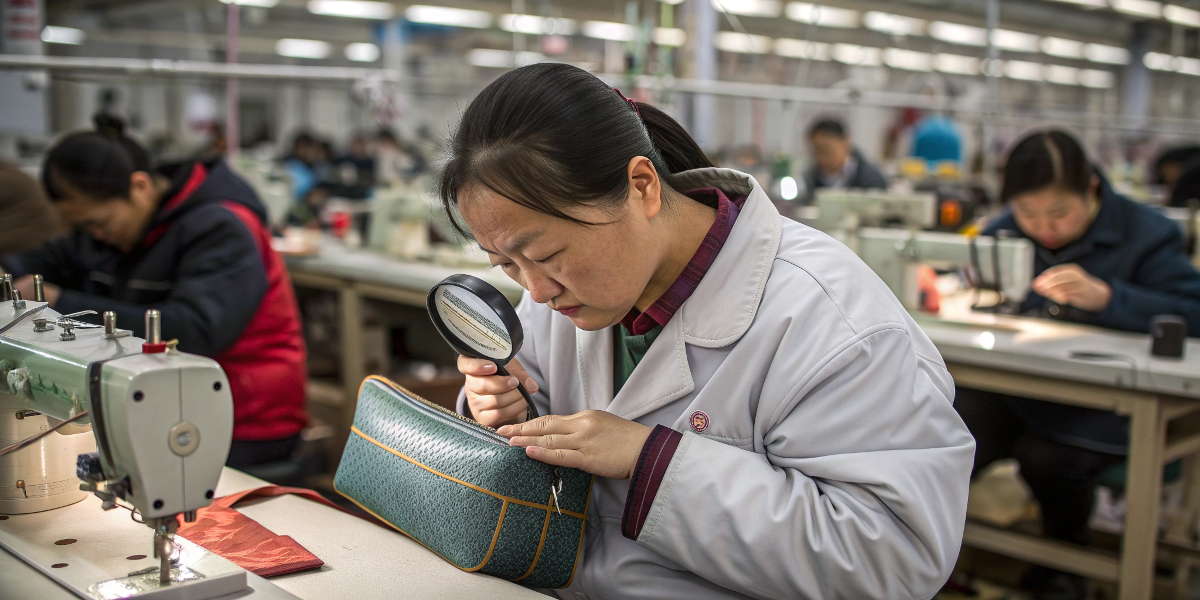 AQL inspection Use when lab testing must be paired with defect classification and bulk inspection references. |
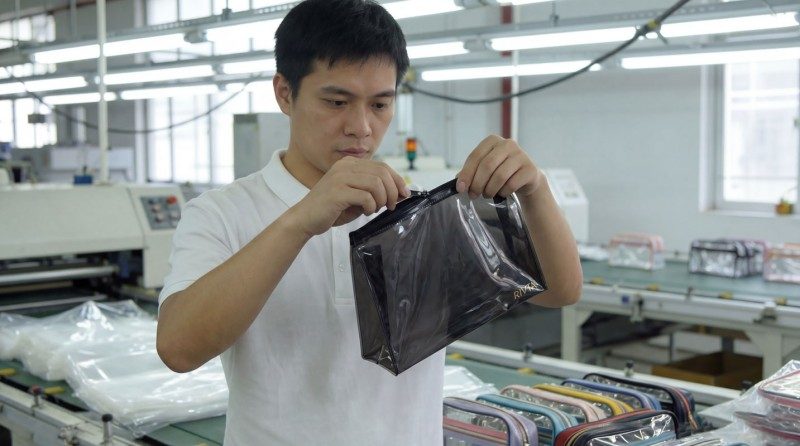 Sample approval Use when transparent pouch material, zipper, cleanliness and packed look need confirmation before bulk. |
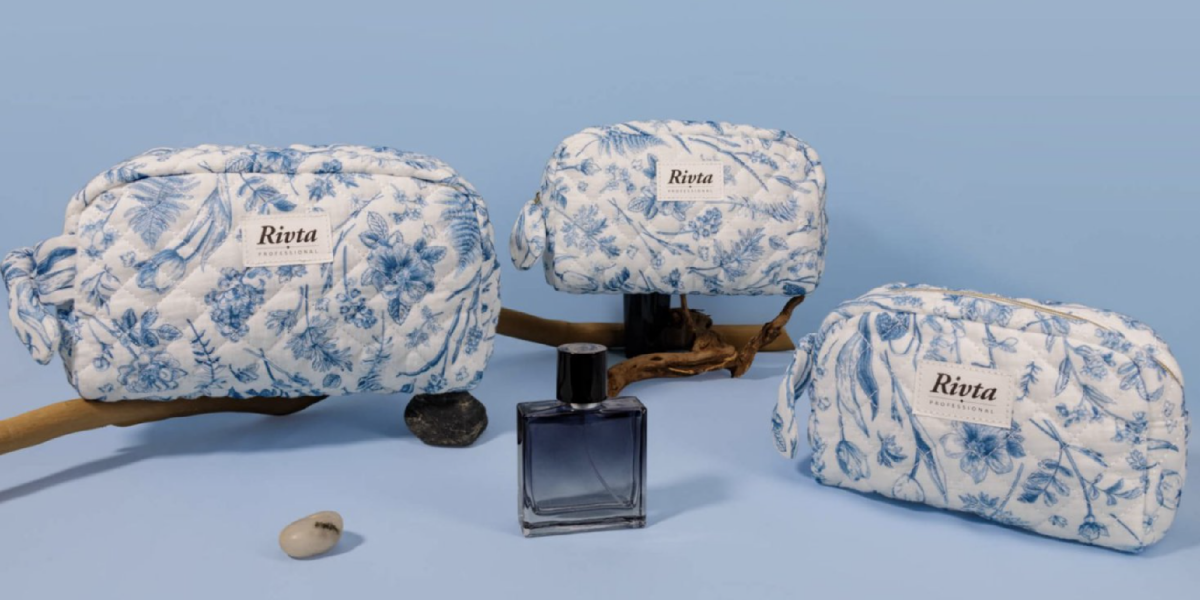 SKU planning Use when different colors, materials or market versions may need separate test and approval references. |
 First sourcing Use when material, logo, MOQ, packaging and testing requirements need to be clarified before quote. |
 Supplier review Send your bag style, material, logo method, target test method, pass level and market requirement for review. |
FAQ: beauty bag lab test planning
What beauty bag lab tests are most commonly requested?
Main material tests are common, especially color fastness, rubbing or crocking, pull strength, seam strength, abrasion, odor and restricted substance requests such as AZO, heavy metal, REACH or CPSIA when the buyer or retailer requires them.
Does Ecorivta do any tests internally?
Yes. Ecorivta can run internal color fastness checks when fabric arrives, internal salt-spray checks for metal parts and internal pull checks for hardware, zipper pullers, handles or attachment risks.
When is a third-party lab report needed?
A third-party lab report is needed when the beauty brand, retailer, importer, distributor or EU or US market team requires professional documentation under a named method or buyer standard.
Who pays for third-party lab testing?
Ecorivta internal checks normally do not create a separate lab-report fee in normal project handling. Third-party test fees are normally paid by the buyer and are not included in the normal sample fee unless separately agreed.
Can one report cover every color or SKU?
Usually no. A report applies to the submitted sample and method. Different colors, dye lots, material rolls, logo methods, hardware or SKUs may need separate review.
When should testing requirements be shared?
Testing requirements should be shared at order stage or before sampling and material approval. Raising testing after bulk work starts can create delay, retesting, rework or cost disputes.
Copy-ready beauty bag lab test requirement brief
- Program name: campaign, SKU or Beauty GWP program name.
- Bag style and material: shape, size, outer material, lining, color and finish.
- Component to test: outer fabric, lining, logo, zipper puller, handle, strap, hardware or finished bag.
- Test requirement: method name if known, retailer manual, buyer standard, importer request, market-team note or previous report example.
- Pass level: required grade, force, rating or buyer threshold if available.
- Sample status: prototype, pre-production sample, material swatch, logo strike-off or bulk material.
- Market and claim: destination market, retailer route, label wording and any restricted substance requirement.
- Evidence needed: report, sample photos, material reference, logo proof, video or order-file record.
- Timing and cost: testing deadline, report language, lab preference, whether internal check is enough, and confirmation that third-party lab fees are buyer-paid unless separately agreed.
Need help planning beauty bag tests before the order moves forward?
Send your material, color, logo method, hardware, target market and test requirement. Ecorivta can separate internal factory checks from third-party report needs before bulk material and sample approval are locked.
About the author
Lina Lv works with beauty brands and sourcing teams on custom cosmetic bags, GWP pouches, material selection, logo methods, sample approval and production documentation. Her supplier-side work focuses on turning early buyer requirements into clear product briefs, realistic sample routes and traceable approval files before bulk production.
Trademark and Testing Notice
Standard, certification, laboratory, retailer and regulatory references in this guide belong to their respective owners. They are used only to explain supplier-side planning for beauty bag testing. This guide is not legal, laboratory, retailer compliance or certification advice, and it does not replace the full official test method.
Sources
- International Organization for Standardization, ISO 105-X12 colour fastness to rubbing. Source ↩
- AATCC, TM8 colorfastness to crocking. Source ↩
- International Organization for Standardization, ISO 13934-1 tensile properties of fabrics. Source ↩
- ASTM International, ASTM D5034 textile breaking strength and elongation. Source ↩
- International Organization for Standardization, ISO 105-B02 colour fastness to artificial light. Source ↩
- International Organization for Standardization, ISO 105-C06 colour fastness to domestic and commercial laundering. Source ↩
- International Organization for Standardization, ISO 105-E04 colour fastness to perspiration. Source ↩
- International Organization for Standardization, ISO 12947-2 abrasion resistance by Martindale method. Source ↩