A first cosmetic bag order can look simple from the outside: choose a shape, add a logo and ask for price. In factory work, the useful starting point is different. The supplier needs to know purpose, product fill, size, material, logo method, packaging, market and approval timing before a quote can mean anything.
Buyer Summary
First-time beauty brands should send suppliers a structured sourcing brief before asking for cosmetic bag pricing. The brief should cover product size, budget range, target quantity, material route, logo method, packaging scope and launch date. Ecorivta can help suitable buyers turn early ideas into sample-ready fields, choose an existing style, semi-custom or OEM route, and check claim, packing and QC details before bulk production.
| Best fit | This guide is best for beauty founders, brand teams, private-label buyers and sourcing managers preparing a first custom makeup bag, GWP pouch, travel kit or launch-set bag order. It fits buyers with a real brand, a target launch window, a sample-first process and an expected order around MOQ 500+ or higher. It is especially useful when the buyer has product fill dimensions, brand artwork, material direction, packaging ideas and a need to compare supplier routes without losing control of samples, claims and carton packing. |
| Less suitable | This guide is less suitable for single-piece personal orders, generic marketplace resale, no-brand projects, one-off event favors without production files, or price-only sourcing where the only goal is the most price-driven visible item. It is also not the right workflow when the buyer has no product fill, no launch timing, no sample approval owner and no plan to review material, logo, packaging or market requirements before bulk production. |
| Ecorivta reality | First-time buyers often ask for price before size, material, logo, packing and MOQ are fixed. A better brief reduces wrong samples and quote changes. |
| Core boundary | This is a sourcing-start guide. It is not a full compliance manual, legal advice, freight guide or price-only playbook. |
Why is cosmetic bag sourcing confusing the first time?
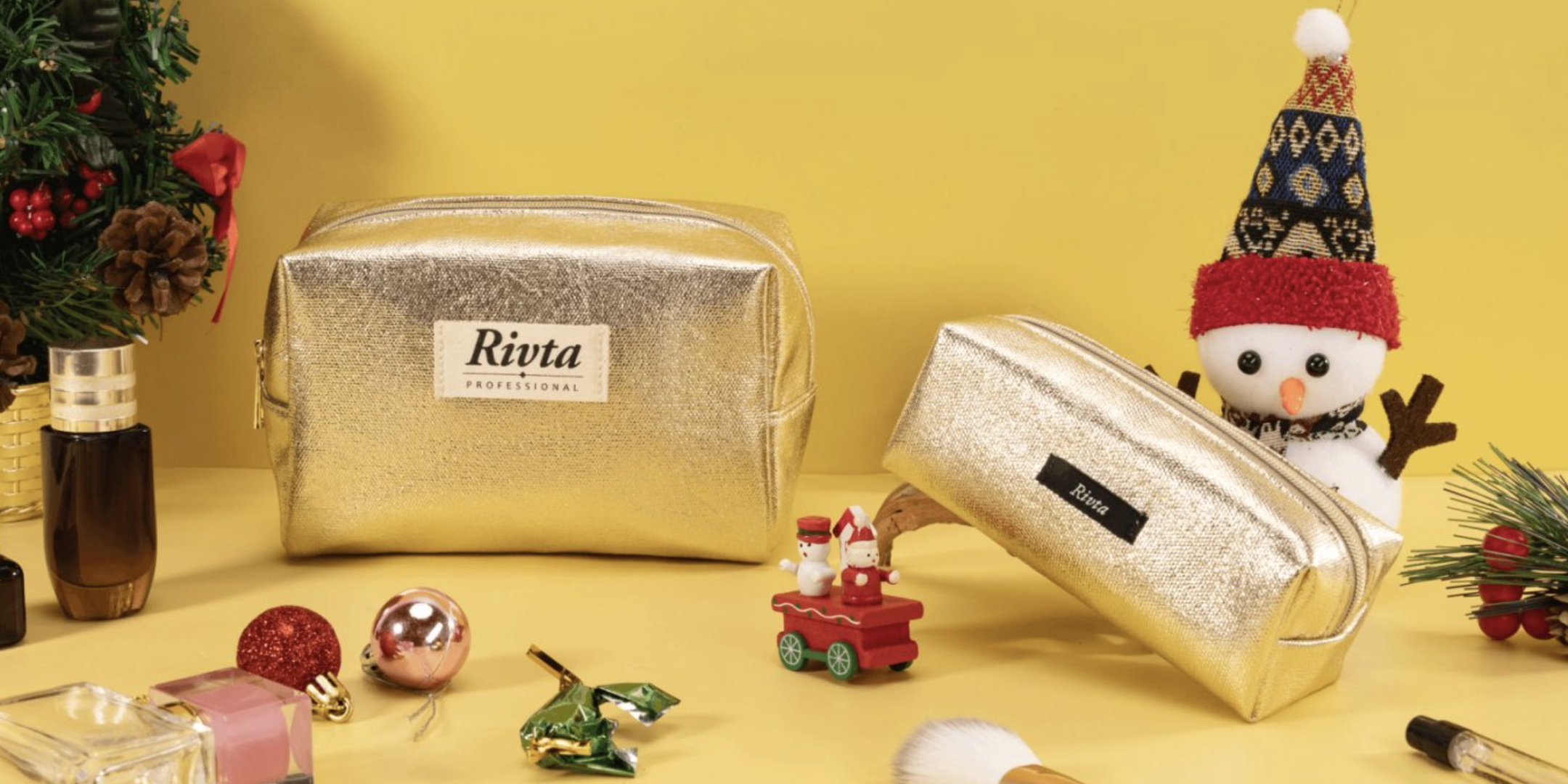
Cosmetic bags sit between fashion accessory, packaging, gift item and retail support. That is why first-time beauty buyers often compare suppliers too early. A pouch for a serum launch, a clear travel set, a reusable GWP bag and a retail toiletry case may all be called a cosmetic bag, but they need different materials, construction, packing and quality controls.
The first sourcing mistake is asking for a unit price without a production brief. A supplier can guess, but the price may change after the product fill, logo method, material thickness, packaging version, carton quantity or market requirement becomes clear. The buyer then feels the supplier changed the price. In reality, the project changed.
For Ecorivta, a better first conversation starts with use case. Is the bag a GWP item, paid set component, retail pack, travel pouch, influencer kit or brand loyalty item? Will the bag hold real products during shipping, or will the customer fill it later? Is the bag expected to support a recycled-content or paper-label claim? Those answers decide the route before artwork begins.
| Working logic | Purpose + product fill + size + material + logo + packaging + quantity + market = supplier-ready first sourcing brief. |
What should a first-time buyer decide before contacting factories?
You do not need a perfect technical drawing before the first supplier conversation. You do need enough information to prevent the supplier from quoting the wrong item. The goal is not to act like an engineer. The goal is to explain the commercial use, physical contents and approval constraints clearly.
| Decision | What to prepare | Why the supplier needs it |
|---|---|---|
| Bag purpose | GWP, launch kit, retail set, travel pouch, sample bundle or refill pouch. | Purpose changes durability, look, packing and cost expectations. |
| Product fill | Product dimensions, number of units, whether products ship inside the bag. | Product fit affects size, gusset, zipper position and packing tests. |
| Budget range | Target unit-cost band, sample budget and any packaging cost limit. | The supplier can avoid routes that look attractive but do not match the commercial range. |
| Target quantity | Total quantity and any color, SKU or market split. | MOQ and unit price are usually affected by SKU split. |
| Brand finish | Logo size, color, method, placement and artwork status. | Print, embroidery, patch and hardware logo have different setup needs. |
| Market | Destination country, retailer route and label language. | Country and retailer requirements may affect label, carton mark and claims. |
| Launch date | Required delivery date, sample deadline and approval owner. | A tight launch may require an existing style or simpler construction. |
 |
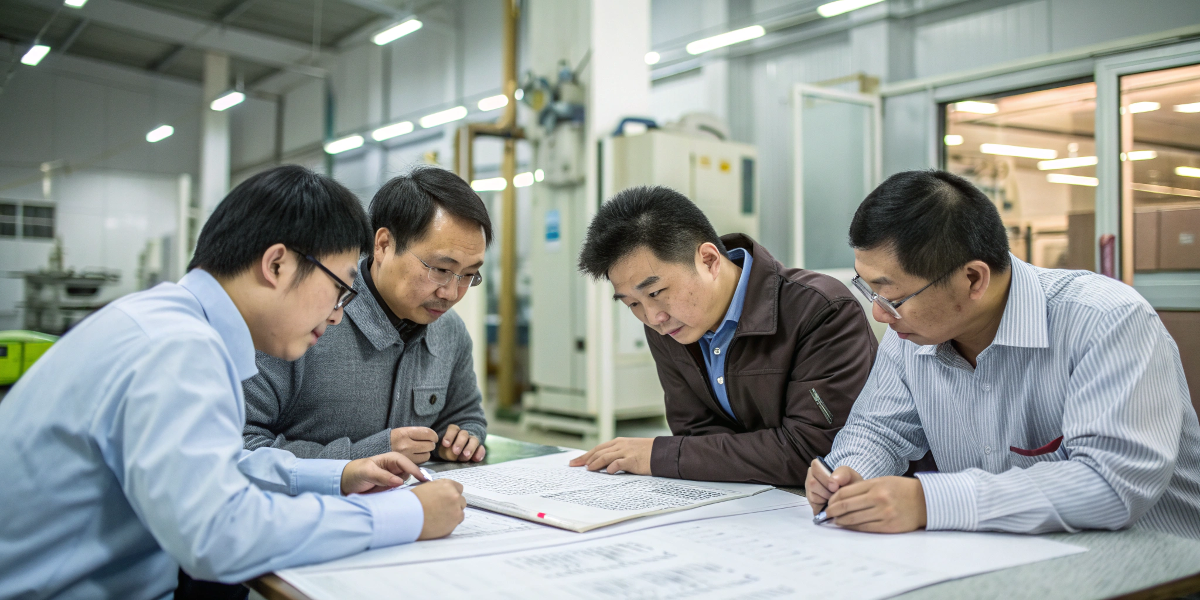 |
| Start with use case
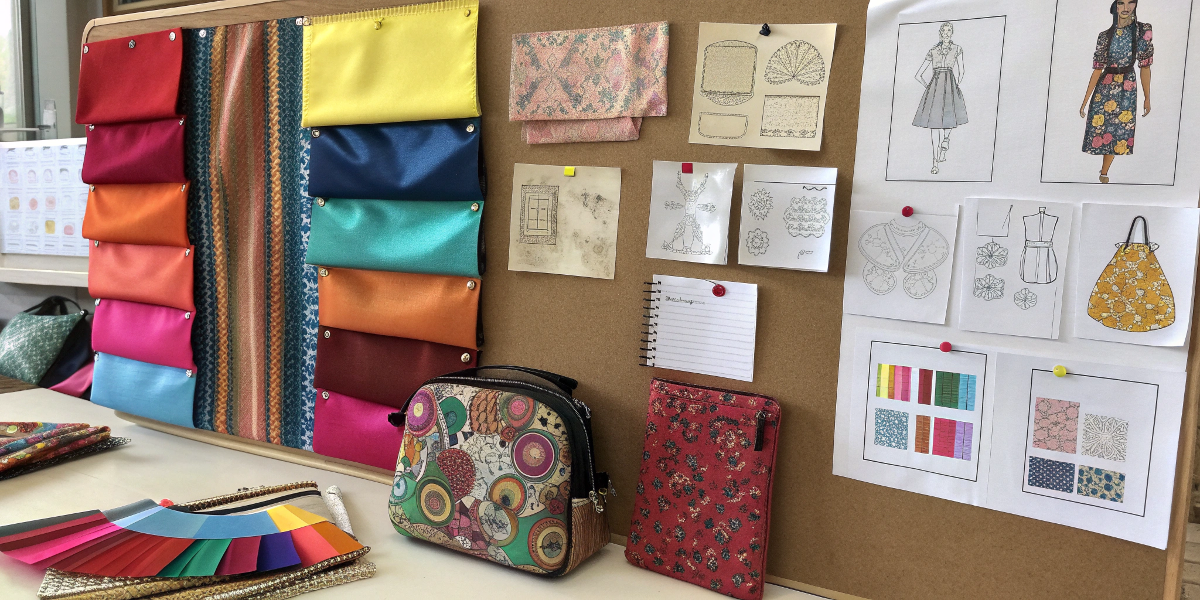
A mood board helps, but the supplier still needs size, material and quantity fields. |
Turn ideas into production fields
The first supplier conversation should reduce guessing before quote. |
How should you choose existing style, semi-custom or full OEM?
Most first-time beauty brands should not start by asking for full OEM unless the bag shape must be unique or must hold a specific product arrangement. Existing style and semi-custom routes are often more predictable because the pattern, sewing sequence and approximate cost are already known. Full OEM gives more design control, but it also adds development time, sample rounds and more decisions.
| Route | Best fit | First-time risk | Buyer note |
|---|---|---|---|
| Existing style | Fast GWP, simple brand logo, lower development risk. | Limited shape control. | Good when timing matters more than custom structure. |
| Semi-custom | Known shape with custom material, color, logo or zipper puller. | Some details still need sample approval. | Good balance for many launch and loyalty programs. |
| Full OEM | New pattern, special product fit, unique compartment or retail form. | More sample rounds and higher uncertainty. | Use when existing structures cannot meet the brief. |
If the bag is part of a dated campaign, development route is a schedule decision as much as a design decision. A first-time buyer should ask the supplier which details are standard, which details need new sampling and which details may affect MOQ or lead time.
What belongs in the first RFQ?
An RFQ should help the supplier quote the same project you are imagining. It should not be a one-line request for “eco cosmetic bag with logo.” That request can point to many products: cotton pouch, rPET vanity case, TPU clear pouch, paper sleeve with bag insert, zipper toiletry case or multi-SKU launch kit.
Barcode, carton mark and label fields may feel early, but they matter when the bag is going to retail, a distributor or a specific market. Global trade systems often depend on item identification and country or destination information, so those fields should not be treated as decoration after bulk packing. GS1 barcode standards [3] can help buyers understand why item identification should stay tied to the correct SKU and market route.
| RFQ field | Minimum detail | Common weak version |
|---|---|---|
| Size | Approximate L x H x D or product dimensions to fit. | “Medium makeup bag.” |
| Budget | Target unit-cost range, sample budget and whether packaging is included. | “Please quote best price.” |
| Quantity | Total units plus color, SKU or country split. | “Maybe 1,000 to 10,000.” |
| Material | Preferred route: cotton, rPET, PU alternative, TPU, EVA or open to suggestion. | “Sustainable material.” |
| Logo | Artwork file, logo color, method preference and placement. | “Put our logo on it.” |
| Packaging | Bulk pack, individual polybag, paper sleeve, insert card, label or display box. | “Standard packing.” |
| Target date | Sample approval deadline and delivery target. | “As soon as possible.” |
| Requirements | Testing, retailer rule, claim wording, barcode, carton mark or document need. | “Must be compliant.” |
First RFQ checklist for cosmetic bag sourcing
Use this checklist before contacting factories:
- Product dimensions and product weight for every item that may sit inside the bag.
- Budget range for unit cost, sample fee, logo setup and packaging.
- Target order quantity, plus split by color, SKU, market or retailer.
- Preferred material route and any material documentation needed.
- Logo file, logo size, logo color, placement and method preference.
- Packaging scope, including insert card, sleeve, label, barcode and carton mark.
- Target sample date, bulk delivery date and launch window.
How should first-time buyers compare suppliers?
The best supplier is not always the supplier who replies with the fastest low price. For a first order, compare how the supplier thinks. A good supplier asks clarifying questions before locking a quote. They explain what affects MOQ, which construction is realistic, what sample should prove and where packaging or claims need approval.
Supplier comparison should also include file control. If the supplier cannot keep artwork, sample photos, packing instructions and carton marks separated, a small project can still become confusing when several colors or markets are involved. For first-time buyers, a supplier’s question quality is often the clearest early signal.
| Signal | Good sign | Risk sign |
|---|---|---|
| Questions | Asks about product fill, quantity split, logo, packaging and timeline. | Quotes immediately without clarifying the bag. |
| Material advice | Explains tradeoffs and claim limits. | Uses vague “eco” language without component detail. |
| Sample plan | Defines what the sample proves and what may still change. | Treats a mockup as final production approval. |
| MOQ logic | Separates material MOQ, color MOQ, logo setup and packing version. | Gives one MOQ without explaining what it covers. |
| QC control | Connects inspection to approved sample and order files. | Only says quality is controlled, without naming sample, defect or packing references. |
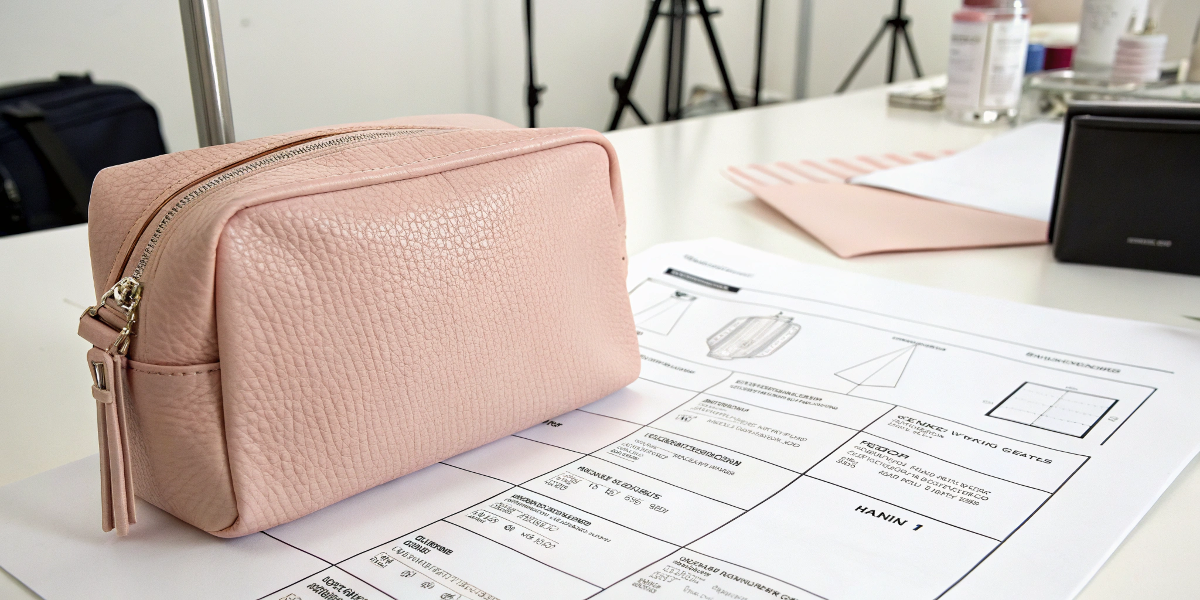 |
| Sample as production reference
A useful supplier conversation turns vague inspiration into production fields. |
What should the sample prove?
A sample is not only a visual preview. It should prove fit, construction, logo effect, material handfeel, zipper behavior, packing method and approval standard. If the buyer approves a beautiful sample without checking the actual product fill, the bulk bag may still be wrong for the launch.
| Sample check | What to verify | Why it matters |
|---|---|---|
| Product fit | Place real products or size dummies inside. | Prevents a good-looking bag that cannot hold the kit. |
| Logo | Check color, scale, position and durability expectation. | Logo is often the most visible brand-quality signal. |
| Material | Check transparency, color, stiffness, texture and lining. | Digital mockups cannot prove handfeel or material behavior. |
| Zipper and puller | Open, close and check puller comfort. | Small hardware details affect perceived quality. |
| Packing | Confirm sleeve, card, label, barcode and carton plan. | A correct bag can still fail if packed as the wrong retail version. |
If a sample is approved with comments, those comments should be converted into a clear pre-production reference. For example, “make it better” is not a usable production instruction. “Move logo 8 mm lower, use white print, keep zipper tape tone-on-tone and confirm product fit with 30 ml tube” is usable.
How should MOQ and price be discussed?
MOQ is not only a factory preference. It can come from material purchase, color dyeing, zipper color, print setup, packaging print, carton mark separation or the labor needed to control many small versions. A 3,000-piece order in one color may be easier than 3,000 pieces split across six colors and two country packs.
First-time buyers should ask what the MOQ is based on. If the supplier says 1,000 pieces, ask whether that is per style, per color, per material, per logo, per packaging version or per shipment. The answer will make the quote easier to compare and will prevent late surprises.
| Cost driver | Why it changes price | First-time buyer question |
|---|---|---|
| Material | Different materials have different purchase minimums and waste. | Is this MOQ per material or per color? |
| Logo method | Screen print, embroidery, patch and metal hardware have different setup. | What is included in logo setup? |
| Construction | Compartments, piping, lining and special zipper work add labor. | Which details are driving labor cost? |
| Packaging | Sleeves, cards, stickers and barcodes may need separate printing. | Is individual packaging included? |
| Quantity split | Small SKU runs reduce efficiency. | Does the price change by color or market split? |
How should sustainability claims be handled safely?
First-time beauty brands often want the bag to support a sustainability story. That is reasonable, but the wording needs to stay specific. “Eco-friendly cosmetic bag” is weaker than “cosmetic bag made with recycled polyester fabric, subject to confirmed material documentation.” Claims should connect to a component, percentage, document or approved label route.
In the United States, environmental marketing claims are watched for clarity and substantiation. In practice, that means buyers should avoid broad claims if the exact material, recycled content, disposal route or certification evidence has not been confirmed. FTC Green Guides [2] are a useful reference point for avoiding vague environmental wording. For textiles, material-related certifications or restricted substance standards can also be relevant depending on the buyer’s market and product position, including OEKO-TEX STANDARD 100 [6] when its scope matches the actual component.
| Weak wording | Safer sourcing question | Supplier document to request |
|---|---|---|
| Eco bag | Which component is lower-impact or recycled? | Material specification and supplier declaration. |
| Recyclable | Can the full bag be recycled in the target market? | Component structure and claim review. |
| Made from recycled material | What percentage and which component? | Recycled-content documentation where applicable. |
| Certified sustainable | Which certification, scope and label rule? | Certificate scope and artwork approval route. |
| Plastic-free | Do zipper, thread, coating, label or packing contain plastic? | Component bill and packaging specification. |
What quality and compliance details should be raised early?
A cosmetic bag usually does not follow the same rules as the cosmetic formula inside it, but the bag can still carry labels, claims, barcodes, country marks and retailer requirements. If the bag is packed with cosmetic products, the full kit presentation may also need label review by the brand’s responsible team. In the United States, cosmetic labeling requirements apply to cosmetic products and their labels, so the bag and insert should not create confusion around the product claim or identity. FDA cosmetics labeling guidance [1] can help teams understand why product-facing wording should be handled carefully.
For imported goods, country of origin, invoice detail and reasonable care are not late decorative steps. They affect how a shipment is declared and received. First-time buyers should decide who owns customs classification, import documentation and market-specific review before bulk shipment, not after cartons are packed. U.S. Customs and Border Protection importer tips [4] are a useful reminder that import responsibilities should be assigned early.
| Topic | Raise early if | Supplier-side action |
|---|---|---|
| Country of origin | Goods will be imported or sold through retail. | Confirm marking plan and carton information. |
| Barcode / GTIN | Retail, distributor or warehouse receipt is involved. | Apply buyer-provided code to the correct SKU. |
| Testing | Buyer has restricted substances, textile or retailer requirements. | Confirm sample material and test scope before bulk. |
| Inspection | Bulk order, multi-SKU program or strict launch date. | Set approved sample, defect list and inspection reference. |
| Packaging label | Paper sleeve, insert, claim or market language is used. | Keep artwork version and SKU version separated. |
What does first bulk production need before release?
Bulk production should start only after the supplier and buyer share the same reference. That reference can include approved sample photos, material swatches, logo proof, packaging proof, carton mark proof and order file. The more the project depends on color, logo position, market version or product fill, the more important these references become.
Inspection planning should be based on the approved version, not only a general promise of quality. Sampling standards can help define how goods are inspected, but the inspector still needs the correct reference for size, color, logo, packaging and SKU identity. ISO 2859-1 sampling procedures [5] can support inspection planning when paired with clear approved references.
| Before bulk | What to lock | Failure prevented |
|---|---|---|
| Approved sample | Physical or photo reference with final comments closed. | Production follows an old or partial sample. |
| Artwork | Logo file, placement, color and method. | Wrong logo scale or color. |
| Material | Material type, color, lining, thickness and component claim. | Material substitution or color drift. |
| Packaging | Insert card, sleeve, label, barcode and carton mark. | Correct bag packed into wrong version. |
| QC checklist | Defect points and sampling expectation. | Inspection misses buyer-specific requirements. |
Composite case: first RFQ became sample-ready
A new beauty brand wanted a pouch for a skincare trial kit. The first request was only “cotton cosmetic bag with logo, 3,000 pieces.” After discussion, the real brief became more specific: the bag needed to hold three product sizes, stay within a defined unit-cost band, use a soft natural fabric look, carry a one-color logo, include a printed insert card and ship to two market versions.
The sourcing route changed from a vague cotton pouch quote to a semi-custom pouch with product-fit check, logo proof, insert-card artwork and carton mark separation. Ecorivta first asked for product dimensions, budget range, quantity split, target material, logo file, packaging scope and sample deadline. Those details showed that a fully new pattern was unnecessary, but a standard pouch still needed a size adjustment and packaging review.
The first sample then had a clear job: confirm product fit, fabric handfeel, logo placement, insert-card position and carton version before bulk production. The buyer avoided approving a bag that looked right in a mockup but could not hold the actual kit cleanly. The main lesson was simple: first-time sourcing works better when the RFQ is treated as a production brief, not just a price request.
Anonymous feedback from brand buyers
Names are withheld because these points summarize recurring sourcing concerns Ecorivta hears from beauty brand, importer and procurement-side conversations.
| Buyer role | Feedback | Practical lesson |
|---|---|---|
| Beauty founder, name withheld | “I thought a logo file and mood board were enough, but the supplier kept asking about product size and packing.” | Product fill and packaging scope should be part of the first RFQ, not discovered after sample photos. |
| Brand marketing manager, name withheld | “Our launch date was fixed, so a beautiful custom shape became less useful than a reliable semi-custom route.” | Route choice should follow launch timing, sample rounds and approval capacity. |
| Procurement coordinator, name withheld | “The hardest comparison was not price. It was knowing which quote included insert card, carton marks and material proof.” | Ask suppliers to separate bag cost, logo setup, packaging, document and testing assumptions. |
What can Ecorivta deliver for first-time cosmetic bag sourcing?
Ecorivta is a better fit for first-time buyers who are willing to clarify the brief before chasing a price-only option. For these projects, Ecorivta can help turn early ideas into sourcing fields, identify missing details and suggest a practical sample route before bulk production.
| Buyer input | Ecorivta output |
|---|---|
| Purpose, product fill, size target and launch date. | Practical development route and first sample focus. |
| Budget range, target MOQ and approval owner. | Route recommendation that avoids overdeveloping a first program. |
| Material direction, logo file and brand finish. | Supplier-ready material and logo questions. |
| Quantity, color split, market route and packing need. | MOQ, quote and packaging-scope review points. |
| Claim wording, testing needs or retailer requirements. | Early risk flags and document questions for the buyer’s team to confirm. |
Which related Ecorivta guide should buyers read next?
 RFQ checklist Use when you need a supplier-ready attachment list before asking for quote and sample timing. |
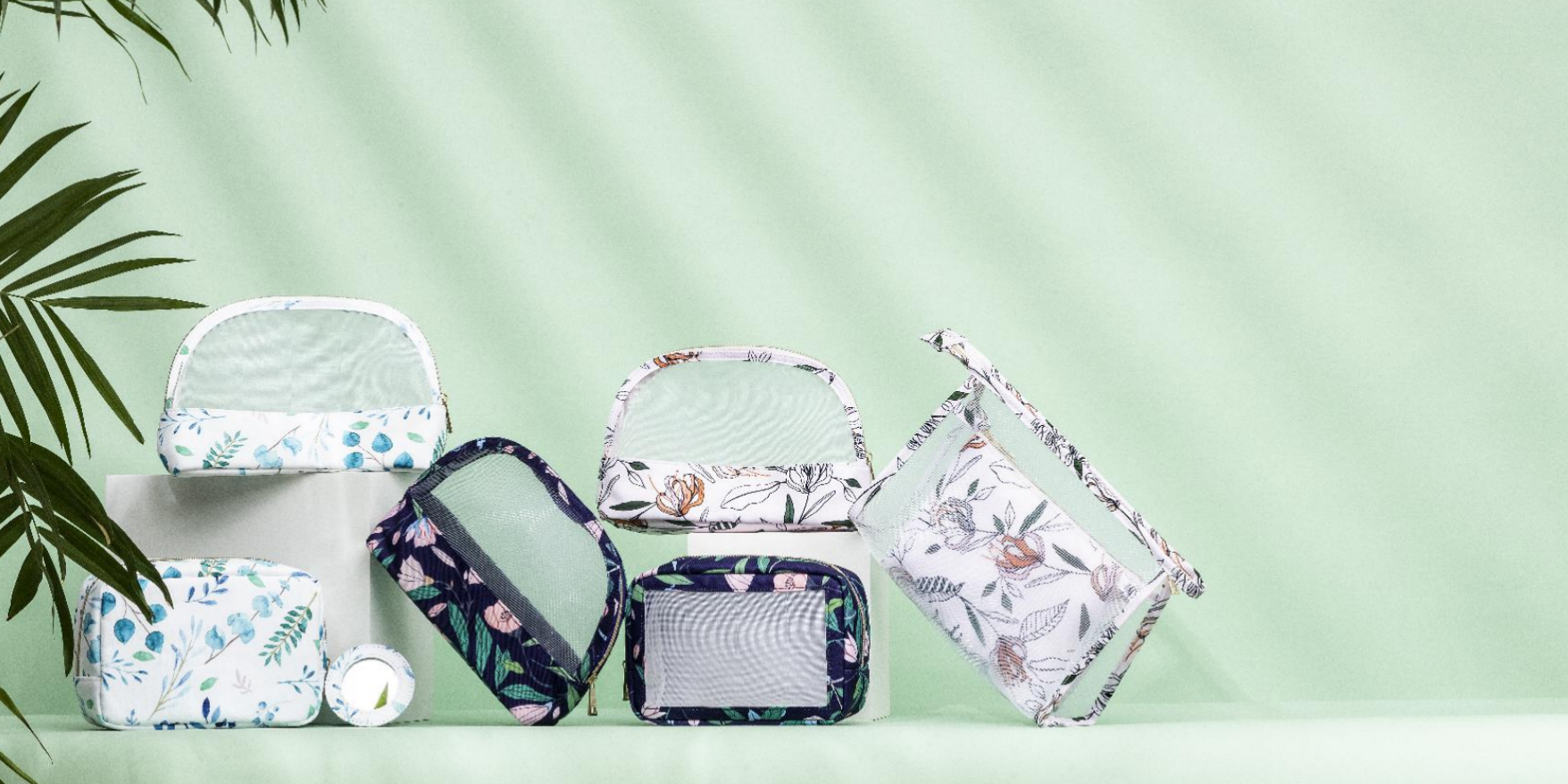 Development route Use when deciding whether first production should be existing style, semi-custom or full OEM. |
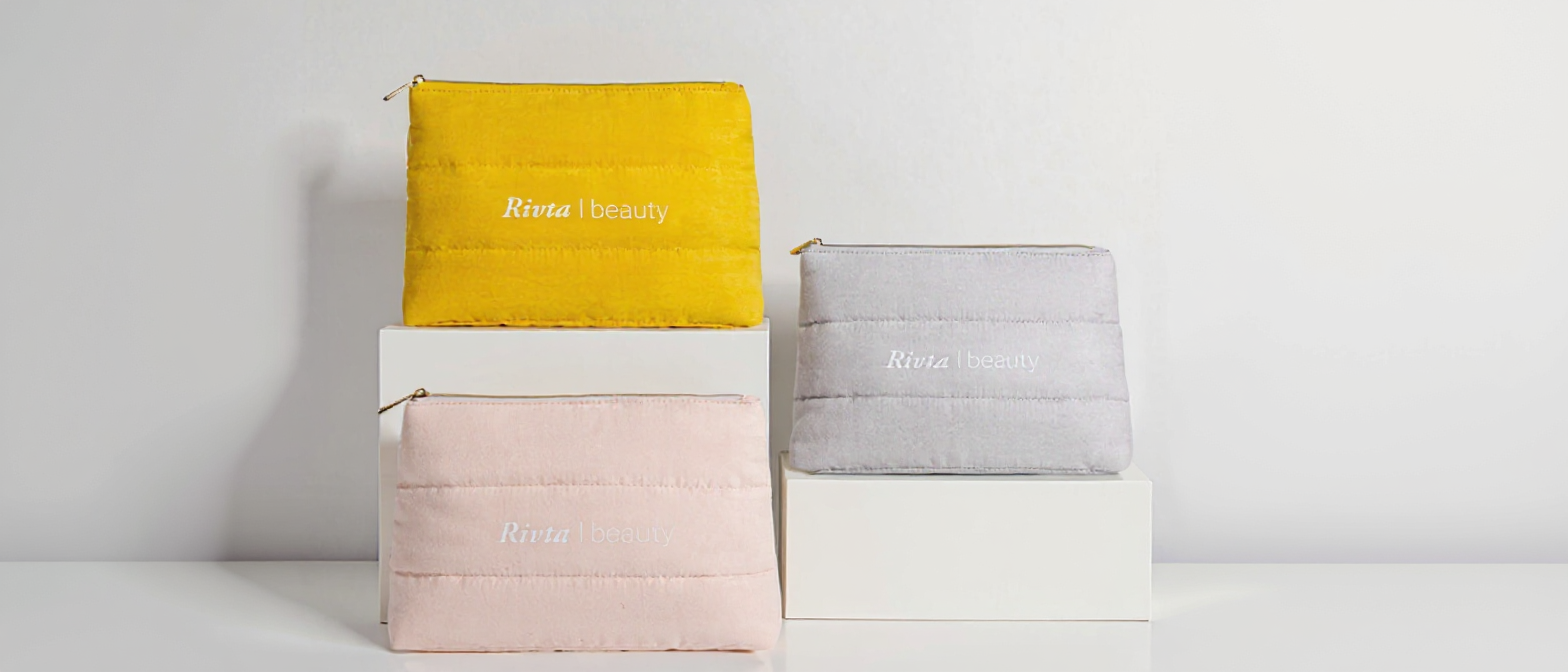 Launch packing Use when sample approval, packaging proof and delivery date must be planned together. |
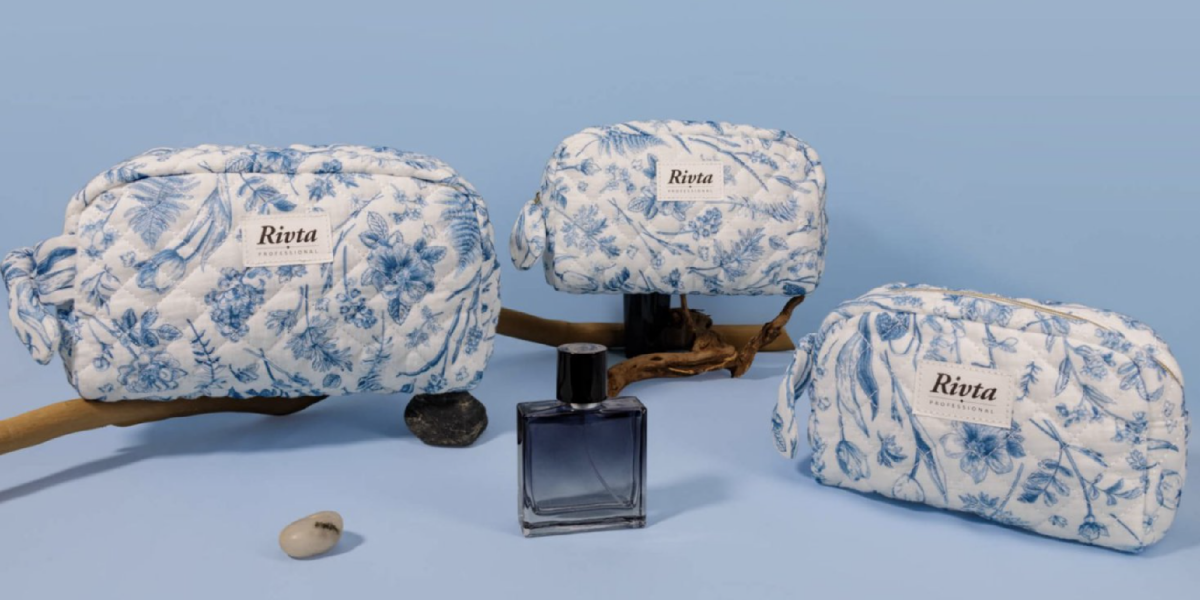 SKU planning Use when colors, countries, packaging versions or product fills create several production versions. |
 Testing route Use when rub, pull, color fastness, logo checks or third-party reports may affect the order. |
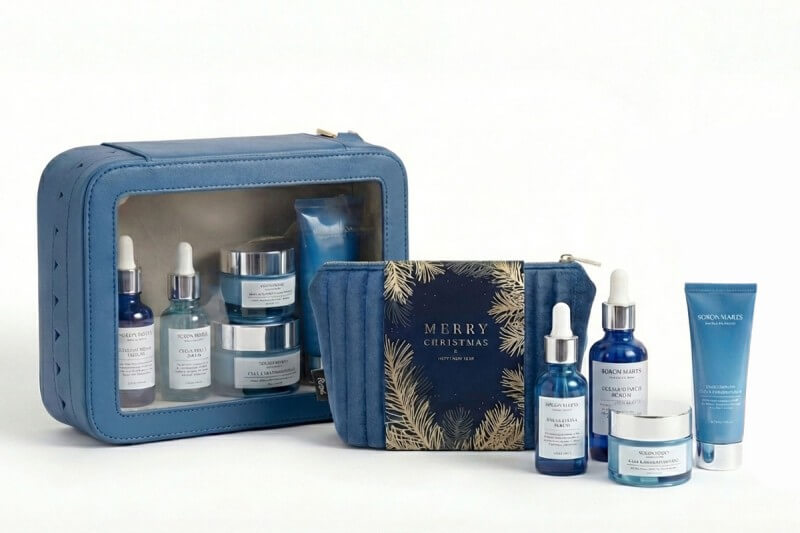 Supplier review Send purpose, product fill, size, material, logo, quantity, packaging and timeline for review. |
Copy-ready first-time cosmetic bag sourcing brief
- Program purpose: GWP, retail set, launch kit, travel pouch, sample pack or loyalty gift.
- Product fill: product names, dimensions, weight and whether products ship inside the bag.
- Bag target: preferred size, shape, closure, handle, clear window, lining or compartment needs.
- Material direction: cotton, recycled polyester, TPU, EVA, PU alternative, paper packaging or open to suggestion.
- Branding: logo file, logo size, color, method, placement and any hardware or zipper puller detail.
- Quantity: total quantity and split by color, SKU, country, retailer or product line.
- Budget: unit-cost band, sample fee expectation, logo setup and packaging cost boundary.
- Packaging: individual pack, insert card, sleeve, sticker, barcode, carton mark and display needs.
- Market and claims: destination market, retailer requirements, testing needs and any environmental wording to review.
- Timeline: sample deadline, approval owner, bulk delivery target and launch date.
Starting your first beauty bag sourcing project?
Send the brief fields above. Ecorivta can review the route, identify missing production details and suggest a practical sample and MOQ path before bulk production.
FAQ
What should a first-time beauty brand prepare before asking for a quote?
Prepare the bag purpose, product fill, target size, budget range, material direction, logo method, packaging scope, quantity, destination market and launch timing.
Should a first-time buyer choose existing style or full OEM?
Existing style or semi-custom is often safer when timing matters or the buyer is still learning production details. Full OEM is better when the shape or product fit must be unique.
Why does product fill matter for cosmetic bag sourcing?
Product fill affects size, gusset, zipper placement, structure, packing method and sample approval. A good-looking empty bag may fail once real products are inserted.
What belongs in a first cosmetic bag RFQ?
A first RFQ should include product dimensions, budget range, target quantity, material route, logo file, packaging scope, destination market, claim or testing needs and target sample date.
How should sustainability wording be handled?
Keep claims specific to the actual component, material percentage, certificate scope or document. Avoid broad wording unless the buyer’s evidence and market review support it.
What should be locked before bulk production?
Lock the approved sample, artwork, material, packaging proof, carton mark, QC checklist and any SKU or market-version references before bulk production starts.
About the author
Lina Lv is Brand & Product Specialist at Ecorivta, working with beauty brands, importers and sourcing teams on custom cosmetic bags, clear pouches and sewn beauty accessories. Her project work focuses on translating buyer briefs into sample development, material confirmation, logo approval, packing scope, QC evidence and shipment handoff. Ecorivta is operated by Rivta Culture Equipment and backed by a Dongguan factory group with long-term experience in sewn bags and accessories.
Trademark and Compliance Notice
Brand, retailer, barcode, certification, customs, cosmetics and environmental-claim references in this guide belong to their respective owners. They are used only to explain supplier-side sourcing and production planning for beauty brand bag programs. This guide is not legal, customs, retail compliance or cosmetics regulatory advice.
Sources
- U.S. Food and Drug Administration, cosmetics labeling guide. Source ↩
- U.S. Federal Trade Commission, Green Guides for environmental marketing claims. Source ↩
- GS1, barcode standards overview. Source ↩
- U.S. Customs and Border Protection, importer and exporter tips. Source ↩
- International Organization for Standardization, ISO 2859-1 sampling procedures. Source ↩
- OEKO-TEX, STANDARD 100. Source ↩