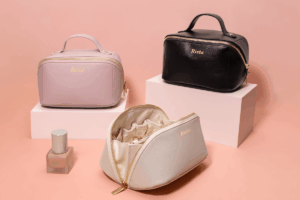
A launch kit is not finished when the cosmetic bag is approved. The buyer still needs to approve how the bag, product fill, insert card, sleeve, sticker, SKU label and carton marks come together as one pack-out system.
Buyer Summary
Beauty GWP launch kit packing should be approved as one complete pack-out system, not as separate bag, card, sleeve, label and carton decisions. The purchasing conclusion is clear: before bulk packing starts, the buyer should define one finished kit, provide real product fill or reliable substitutes, approve the bag fit with filled products, confirm insert card and sleeve placement, lock SKU label and carton mark fields, and request photo evidence that production can repeat. Ecorivta can support this when the buyer shares product dimensions, artwork, barcode or SKU rules, carton requirements and launch timing before packing work begins.
| Best for | This guide is best for beauty brands, private-label teams, sourcing managers, product marketers, distributors and GWP project owners preparing skincare, makeup, fragrance, wellness or travel retail launch kits that combine a cosmetic bag with product fill, insert card, sleeve, sticker, SKU label, barcode or carton mark requirements. It fits projects where the bag has already moved beyond the rough idea stage and the next risk is operational: how the approved pieces should be placed, counted, labeled, protected, photographed and packed before bulk. It is especially useful when the buyer must align brand, warehouse, retailer and supplier expectations across approval teams. |
| Less suitable | This guide is less suitable for single empty-bag orders, stock cosmetic bag purchases without product fill, simple sample requests with no paper components, or projects where the buyer has not yet decided the product set, launch market, artwork direction or carton quantity. It is also not a logistics manual, freight plan, retailer routing guide, legal review or artwork design guide. If the buyer only needs to choose a pouch shape or compare material options, the packing checklist should wait until the product fill and launch-kit scope are clearer. |
| Ecorivta reality | The biggest delay is often not sewing the bag. It is missing product samples, exact dimensions or final carton information, so fit and packing need repeated revision. |
| Core boundary | This is a pack-out checklist, not a paper-component design guide, claim-copy guide, launch timeline article or clear-bag packaging brief. |
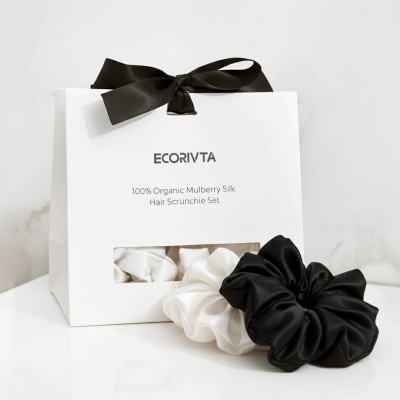
Why does a Beauty GWP launch kit need a packing checklist?
A Beauty GWP launch kit is usually a group of small decisions: the bag, filled products, insert card, sleeve, sticker, SKU label and master carton mark. Each item may look simple alone. The problem appears when the buyer, supplier, warehouse and retailer understand the final pack-out differently.
In Ecorivta’s day-to-day project work, the most common packing problem is straightforward: the buyer wants a launch kit, but the actual products to be packed are not provided. When the supplier only receives rough dimensions or a reference photo, the bag may be too tight, too loose or wrong for the final product mix. That creates repeated sample changes and wastes production time.
A packing checklist turns a campaign idea into a repeatable production instruction. It tells the supplier what goes inside the bag, where the card sits, whether the sleeve wraps the bag or outer box, how many kits go into one carton, and what the carton mark should say. For retail or distributor handling, barcode and identification rules should also be confirmed before labels are printed, especially when GS1 barcode standards [1] or retailer scan rules apply.
| Working logic | Approved bag + approved paper components + pack-out order + carton mark + photo evidence = launch kit ready for bulk packing. |
How is this different from packaging scope, insert card and timeline guides?
This checklist sits after the buyer has chosen the main components. A packaging scope guide answers what packaging should be included. An insert card and hangtag guide answers how paper components should be specified. A launch timeline guide answers when each approval should happen. This checklist answers the operational question: how should the approved pieces be packed, counted, labeled and evidenced before bulk?
| Related guide | Best used for | This checklist answers |
|---|---|---|
| Clear Beauty GWP packaging brief | Packaging scope and travel retail brief fields. | Pack-out order and carton mark approval. |
| Insert card and hangtag checklist | Paper component artwork, claim and placement details. | How the card or tag is packed with the bag and products. |
| Beauty GWP launch timeline | Approval sequence and timing. | Final packing fields before bulk packing. |
| Packed clear pouch sample approval | Filled clear pouch sample review. | Whole launch-kit packing instruction across bag, card, sleeve and carton. |
What belongs in the launch kit pack-out?
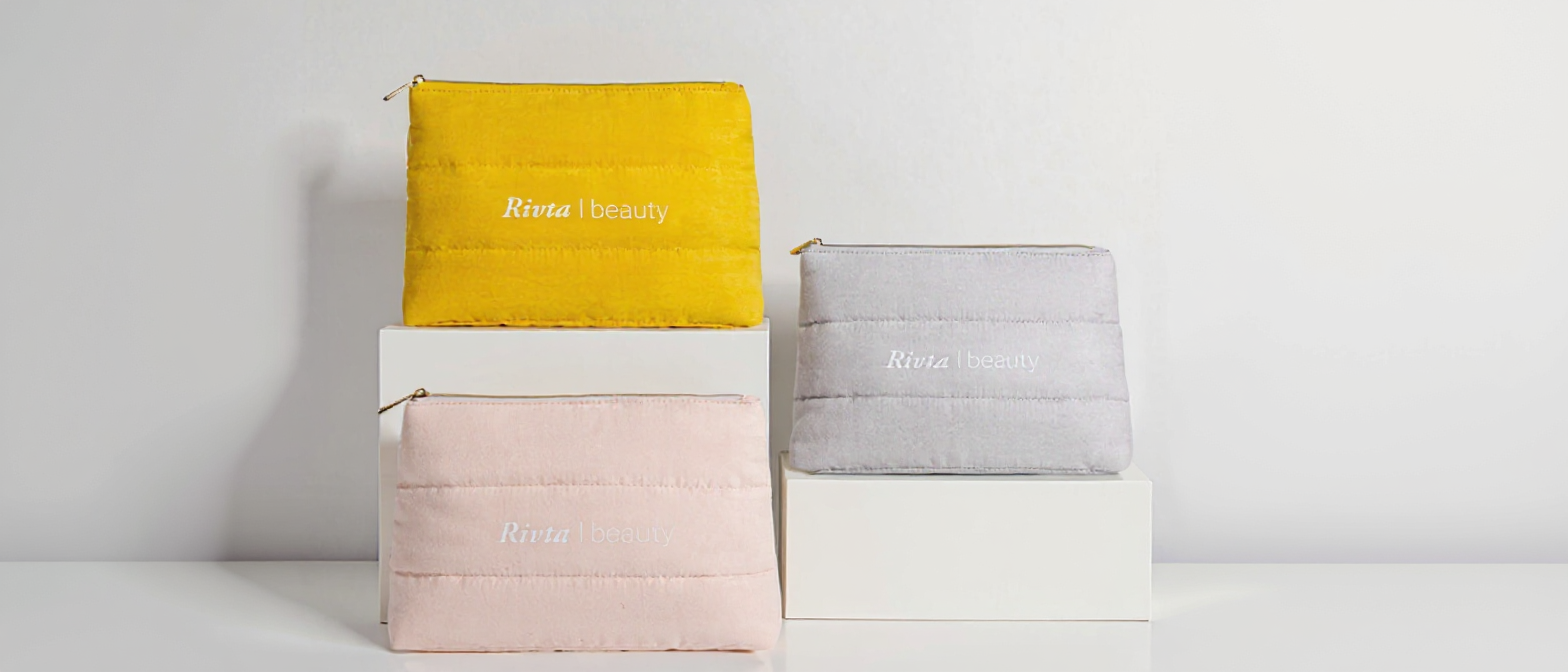
The first decision is not the carton. It is the unit. A buyer should define what one finished launch kit contains. For some projects, one unit is an empty cosmetic bag with one insert card. For others, one unit is a filled pouch with skincare minis, a thank-you card, sleeve, sticker and barcode label.
| Pack-out component | What to confirm | Why it matters |
|---|---|---|
| Cosmetic bag | Approved style, size, color, logo and zipper direction. | The bag is the container and visual anchor. |
| Product fill | SKU count, size, weight, orientation and whether products are real or dummies. | Missing product samples or inaccurate dimensions cause repeated fit changes. |
| Insert card / thank-you card | Size, paper route, copy, position and language version. | Common in launch kits and usually needs buyer artwork approval. |
| Sleeve | Whether it wraps the bag, kit, box or product set. | Fit problems appear only after the bag is filled. |
| Sticker / SKU label | Barcode, SKU, market version and adhesive position. | Warehouse and retailer teams need correct identification. |
| Carton mark | PO, item number, quantity, destination, carton size and handling marks. | Incorrect carton marks can create receiving delays. |
 |
 |
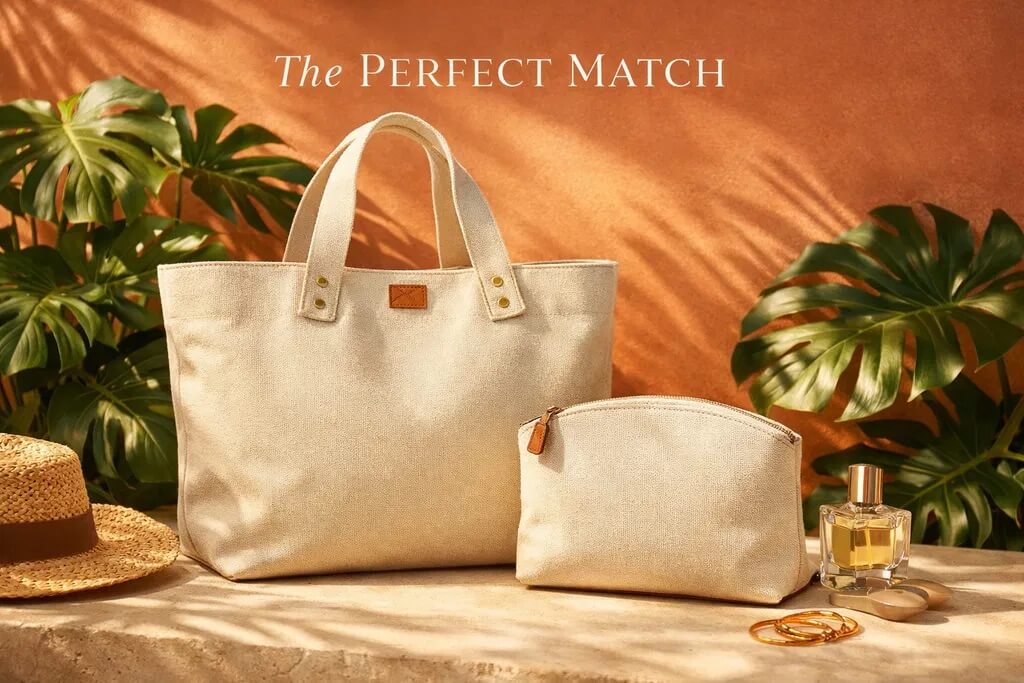
| Define one finished kit
Carton quantity is easier to control after the unit is fixed. |
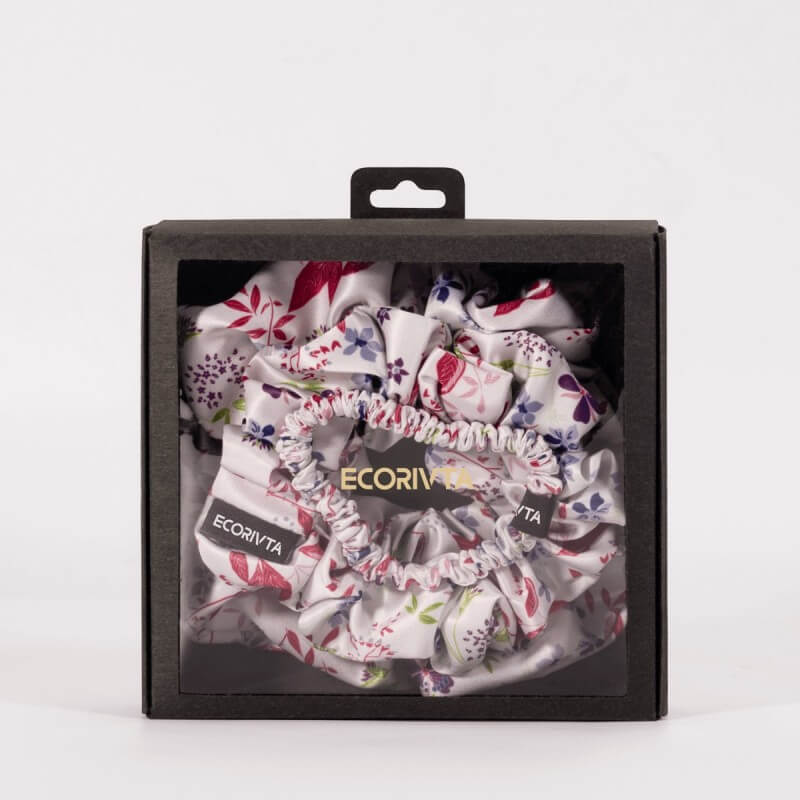
Approve paper components in context
Cards and sleeves should be checked as part of the final pack-out. |
What should the buyer confirm before packing starts?
Packing mistakes often come from assumptions. The buyer says the launch is urgent, but the product set, size, sleeve, copy or carton mark is not confirmed. Ecorivta’s practical approach is to confirm the product fill first, then the bag, then paper components, then packing method, then carton information.
When the final product is not available, the buyer should provide the closest reliable substitute: exact dimensions, filled weight, product photos, label direction and any hard or sharp packaging points. If the real products arrive later and behave differently, the packing plan may need to change.
| Approval item | Hard requirement | Useful evidence |
|---|---|---|
| Product fill | Final product dimensions and quantity per kit. | Photo layout or physical sample. |
| Bag fit | Filled sample closes without forcing the zipper. | Front, side and top photos. |
| Insert card | Final artwork, language and paper size. | Print proof and packed position photo. |
| Sleeve | Fit after product fill, not only around an empty bag. | Flat proof and assembled sample. |
| Carton mark | PO, SKU, quantity, destination and carton sequence. | Carton mark PDF or photo. |
How should launch kit packing costs be quoted?
For launch kit projects, Ecorivta normally separates the bag price from paper components, printing items and special packing work when those details affect cost. This is especially important for smaller quantities, because paper cards, sleeves, stickers or labels may involve printing setup or machine fees.
Separate quotation also makes revisions cleaner. If the buyer changes only the insert card artwork, the bag price should not be confused with the card print cost. If the final product requires copy paper, tissue, divider or another protection layer, that should be added as a packing requirement instead of being treated as a quality failure after approval.
| Quote line | Why separate it | Common trigger |
|---|---|---|
| Base cosmetic bag | Controls material, size, logo and sewing cost. | Bag style or material change. |
| Insert card / hangtag / sleeve | Printing setup and machine fees may matter. | Artwork, paper, size or language change. |
| Sticker / SKU label | Barcode and market version may change independently. | Retail or warehouse requirement. |
| Special packing material | Copy paper, tissue, divider or inner protection may be needed after product-fit review. | Product surface, leakage risk, fragile sleeve or hard bottle edge. |
| Pack-out labor | Complex filled kits take more handling than empty bag packing. | Multi-product set, sequence requirement or evidence photos. |
How should insert cards and sleeves be packed?
The insert card and sleeve are usually simple, but they need a defined position. A thank-you card can sit inside the bag, behind the products, on top of the product set or inside an outer sleeve. A sleeve can wrap an empty bag, a filled bag or an outer gift set. The factory should not guess this from artwork alone.
If the insert card carries an environmental or material claim, the copy should match the component being claimed. FSC paper wording should stay connected to the paper item, while recycled fabric wording should stay connected to the bag material. This is supplier-side guidance, not legal advice; final wording should be reviewed by the buyer’s responsible team against sources such as FSC on-product label rules [2] and the FTC Green Guides summary [3].
| Paper component | Packing choice | Approval risk |
|---|---|---|
| Thank-you card | Inside bag, on top of products or behind product set. | Message hidden, bent or covering visible product labels. |
| Material card | Inside bag or attached by hangtag. | Claim appears broader than the approved evidence. |
| Sleeve | Around bag, around box or around finished kit. | Sleeve too tight after products are inserted. |
| Sticker | Bag, sleeve, polybag, inner box or carton. | Residue, wrong SKU or poor scan position. |
How should SKU labels, barcodes and carton marks be controlled?
Carton marks look administrative, but they are part of the launch kit workflow for warehouses and retailers. Buyer teams should confirm PO number, item code, SKU, market version, carton quantity, gross weight, net weight, carton size, destination and handling symbols before bulk packing.
Barcode and SKU rules should be provided by the buyer when the kit will enter retail or distributor systems. The supplier can place the label and protect it during packing, but the buyer usually controls the barcode data and retail receiving requirement. Handling marks should be consistent with recognized packaging symbols such as ISO 780 package handling symbols [5].
| Carton / label field | Owner | Check before bulk |
|---|---|---|
| PO / item number | Buyer | Matches order and shipment documents. |
| SKU / barcode | Buyer or retailer | Scans correctly and matches market version. |
| Quantity per carton | Supplier + buyer approval | Matches packing method and carton strength. |
| Destination / market | Buyer | Correct language, SKU and carton routing. |
| Handling marks | Supplier follows buyer requirement | Symbols are appropriate and readable. |
What pack-out sequence should the factory follow?
The packing sequence should be written in the same order the production team will repeat it. If the instruction only says “put card inside bag”, the factory still needs to know whether the card faces forward, whether products sit in front of it, whether the sleeve is added before or after the sticker, and whether the finished kit goes into an individual polybag before carton packing.
| Step | Factory action | Buyer approval point |
|---|---|---|
| 1 | Check bag against approved sample. | Style, logo, material and color are correct. |
| 2 | Place product fill in agreed orientation. | Product labels face the correct direction. |
| 3 | Add insert card or thank-you card. | Card is visible, protected and not bent. |
| 4 | Apply sleeve, sticker or SKU label. | Position matches artwork proof and scan need. |
| 5 | Pack finished units into inner or master carton. | Carton quantity and carton mark match the order. |
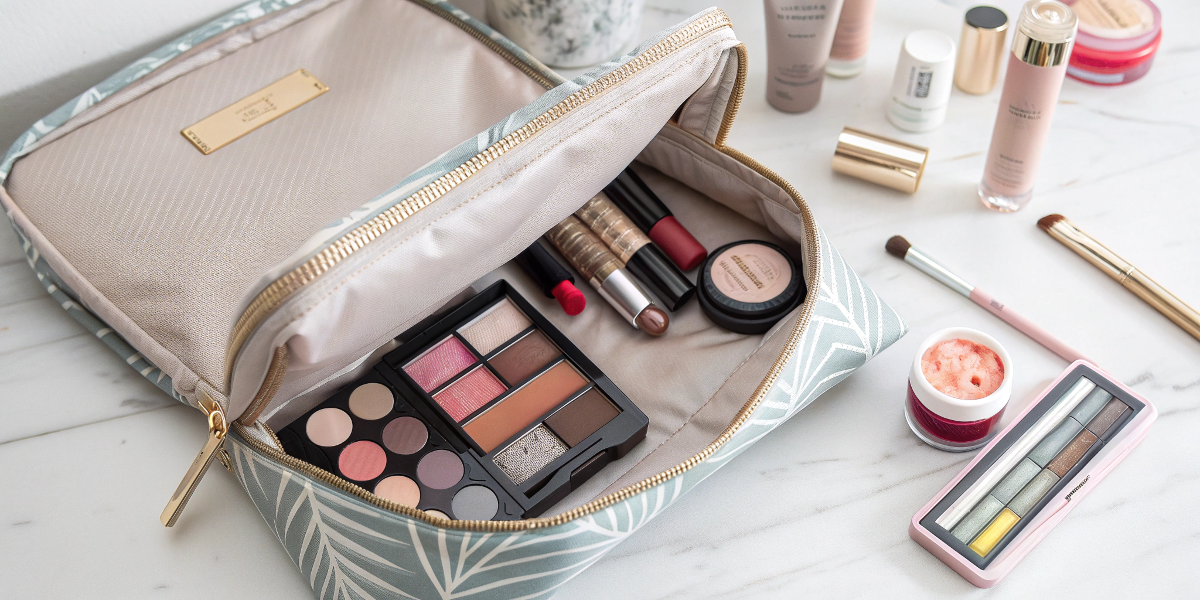 |
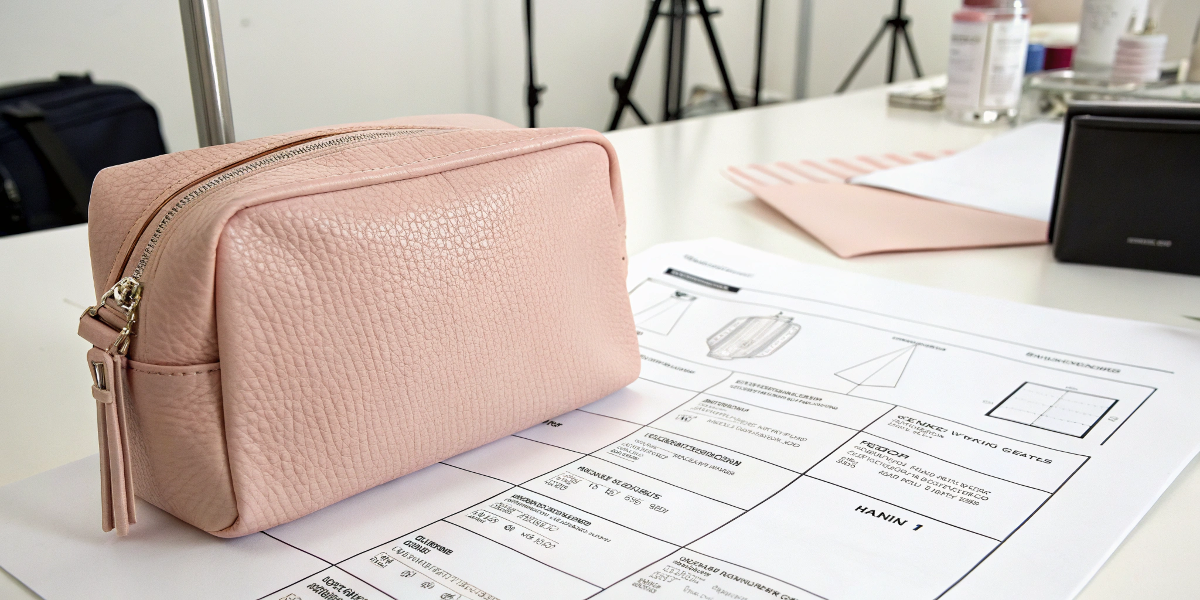 |
| Flat lay approval
Helps buyer and factory align on what the recipient should see first. |
Packed sample reference
Keeps production, packing and QC aligned to the same approved result. |
What photo evidence should the supplier provide?
For a launch kit, one beautiful product photo is not enough. The supplier should provide a practical photo set: empty bag, filled bag, card position, sleeve assembly, sticker or label position, individual packing, inner carton arrangement and master carton mark.
| Evidence photo | Purpose | Decision it supports |
|---|---|---|
| Empty bag front and back | Confirms bag identity and logo. | Style approval. |
| Filled bag front / side / top | Shows real product fit. | Pack-out approval. |
| Card and sleeve position | Shows display order. | Unboxing and claim placement approval. |
| Label / barcode close-up | Shows scan and SKU placement. | Retail or warehouse receiving approval. |
| Carton mark photo | Shows shipping identification. | Shipment release. |
How should shipping protection be included without turning this into a logistics guide?
This checklist should not become a freight manual, but packing protection still matters. A launch kit can pass appearance approval and then arrive with crushed sleeves, rubbed clear panels or bent insert cards if carton packing is weak. The buyer should tell the supplier whether the goods ship by air, sea, courier, warehouse transfer or retailer distribution.
For fragile paper sleeves, transparent bags or kits with hard skincare bottles, the supplier may need copy paper, tissue, divider, inner carton or carton-strength review. If the buyer or retailer requires transport testing, that requirement should be stated before carton packing approval. Packaging performance tests such as ISTA test procedures [7] should be treated as defined buyer requirements, not assumptions added after goods are ready.
| Shipping condition | Packing concern | Checklist field |
|---|---|---|
| Air shipment | Fast transit, but carton handling can still mark clear surfaces. | Individual protection and carton mark approval. |
| Sea shipment | Longer transit and carton compression risk. | Carton strength and inner packing method. |
| Courier / sample shipment | Small quantity may move through rough handling. | Sample protection and photo evidence before dispatch. |
| Retailer warehouse | Receiving depends on SKU, barcode and carton mark accuracy. | Final label and carton mark proof. |
How should defects and small issues be handled before shipment?
The purpose of the packing checklist is to prevent avoidable rework. If a real packing issue appears, it should be corrected. If a small issue appears, the supplier and buyer should discuss it against the approved sample, inspection plan or agreed standard. Bulk shipment should not depend on personal opinion alone.
For larger orders, the approved pack-out sample can support quality inspection and sampling decisions. If the buyer uses formal inspection criteria, they should state the sampling method and defect classification before inspection. AQL or inspection standards work better when the approved sample and carton mark are already defined, alongside recognized sampling concepts such as ISO 2859-1 inspection sampling [4]. A supplier quality system such as ISO 9001 quality management [6] can support process control, but it does not replace project-specific pack-out approval.
| Issue type | Supplier action | Buyer decision |
|---|---|---|
| Wrong product fit | Stop packing and correct the bag or layout. | Approve revised packed sample. |
| Card bent or hidden | Adjust card position or size. | Approve updated placement photo. |
| Sleeve too tight | Revise sleeve dimension or packing sequence. | Confirm new assembled sample. |
| Wrong carton mark | Correct before shipment. | Approve carton mark proof. |
| Minor visual tolerance | Compare against sample and inspection scope. | Accept, correct or define limit. |
What does a compressed launch kit packing case teach?
A skincare brand had a tight Beauty GWP launch date and wanted a cosmetic pouch, thank-you card, paper sleeve, barcode sticker and master carton mark. The first instruction only said, “Please pack as gift set.” It did not show whether the card should sit inside the pouch or outside the sleeve, whether the barcode belonged on the sleeve or carton, whether the skincare minis should face forward, or how many kits should be packed in each master carton.
Ecorivta first asked the buyer to define one finished kit. The answer became one cosmetic bag, three skincare minis, one thank-you card, one paper sleeve and one SKU sticker. Because the real product fill was not available at the start, the buyer provided exact dimensions, filled weight, label direction and product photos. Ecorivta used those details to check pouch capacity, zipper closure, sleeve tension and carton quantity before bulk packing.
The next step was evidence. The buyer approved photos of the filled bag from front, side and top angles, then approved the card position, sleeve assembly, sticker placement and carton mark proof. The carton mark included PO, SKU, quantity, destination and handling details, so the warehouse team did not need to interpret the kit from brand artwork alone. When a sleeve dimension changed, the separate quote line for paper components made the revision easier to track without reopening the base bag cost.
A launch kit is not only a product. It is a repeatable packing instruction. If product fill, paper components, labels and carton marks are not defined together, the bag may be correct while the shipped kit is still wrong.
Anonymous feedback from brand buyers
These comments summarize recurring buyer-side concerns Ecorivta hears during Beauty GWP launch kit development. Names are withheld because the points are used only to explain sourcing patterns, not to identify customers, retailers, distributors or warehouse teams.
| Buyer role | Feedback pattern | Practical lesson |
|---|---|---|
| Brand project manager | The bag sample looked approved, but the team had not decided where the insert card and sleeve should sit once products were added. | Approve the filled pack-out photo, not only the empty bag and flat artwork. |
| Sourcing buyer | Carton mark fields arrived late, so label printing and packing approval had to pause close to shipment. | Collect PO, SKU, quantity, destination and carton sequence before bulk packing starts. |
| Distributor-side buyer | Barcode placement worked visually, but warehouse scanning needed a different label position. | Confirm scan rules and receiving needs before sticker or SKU label position is locked. |
What can Ecorivta deliver for launch kit packing review?
Ecorivta is a better fit for launch kit projects where the buyer can confirm product fill, artwork, packing method and carton information before bulk. For these projects, Ecorivta can help convert scattered launch details into a supplier-ready checklist.
| Buyer input | Ecorivta output |
|---|---|
| Product dimensions, weights and SKU count. | One-kit definition and filled-sample approval points. |
| Bag sample, artwork and paper component direction. | Pack-out sequence across bag, card, sleeve, sticker and label. |
| PO, SKU, barcode and destination information. | Carton mark and label confirmation checklist. |
| Surface protection or transport concerns. | Special packing material and photo evidence requirements. |
Which related Ecorivta guide should buyers read next?
RFQ attachment route Use before quote when the buyer still needs to send product fill, artwork, claim and launch timing. |
 Insert card route Use when paper artwork, QR code, hangtag or thank-you card details need approval. |
 Packaging brief route Use when sleeve, label, carton mark and travel retail packing scope still need definition. |
 Launch schedule route Use when material, sample, artwork, packing and delivery approvals need a launch calendar. |
 AQL route Use when bulk inspection, defect class and sampling standard need to be aligned. |
 Supplier review Send product fill, card, sleeve, label and carton mark requirements for supplier-side review. |
Copy-ready Beauty GWP launch kit packing brief
- Project name: campaign name, launch market and target delivery date.
- One finished kit includes: bag style, product fill, insert card, sleeve, sticker, label and any outer packing.
- Product fill: product dimensions, weight, quantity per kit and preferred layout.
- Bag approval: approved style, size, logo, material, zipper and sample reference.
- Paper components: insert card, thank-you card, hangtag, sleeve, sticker, QR code or barcode details.
- Quote structure: whether bag, paper components, label, special packing material and pack-out labor should be quoted separately.
- Pack-out order: where each item sits and what the recipient should see first.
- Individual packing: polybag, sleeve, box, copy paper, tissue, divider, sticker or no extra packing.
- Carton mark: PO, SKU, item number, destination, quantity, carton size and handling mark.
- Evidence required: photo set, video, physical packed sample or carton mark proof.
- Inspection rule: approved sample, defect tolerance and any required sampling method.
Need a launch kit packing review?
Send the product fill, cosmetic bag sample, card artwork, sleeve direction, label requirement and carton mark fields. Ecorivta can help turn them into a supplier-ready launch kit packing checklist before bulk production.
About the author
Lina Lv works with beauty brands and sourcing teams on custom cosmetic bags, GWP pouches, sample approval, material selection, logo methods and production documentation. Her supplier-side work focuses on turning early campaign requirements into clear product briefs, realistic sample routes and repeatable approval files before bulk production.
Trademark Notice
Brand, certification, barcode, packaging and inspection references in this guide belong to their respective owners. References are used only to explain supplier-side Beauty GWP packing workflow. This guide is not legal, logistics, compliance or retailer receiving advice.
FAQ
What is a Beauty GWP launch kit packing checklist?
It is a supplier-ready instruction that defines one finished kit, product fill, bag approval, paper component placement, labels, carton marks, evidence photos and inspection expectations before bulk packing.
Why is product fill needed before packing approval?
Product dimensions, weight, label direction and packaging shape affect bag fit, sleeve tension, card position and carton quantity. Without reliable product fill, the supplier may pack against the wrong assumption.
Should bag, insert card, sleeve and packing labor be quoted separately?
Often yes. Separate quotation makes changes easier to understand when artwork, label, sleeve, protection material or pack-out labor changes after sampling.
What photos should the supplier provide before bulk packing?
Ask for empty bag photos, filled bag photos, card and sleeve position, label or barcode close-up, individual packing, inner carton arrangement and master carton mark photo.
Does this checklist replace a logistics plan?
No. It helps define packing protection and carton-mark expectations for the supplier, but freight, customs, retailer routing and warehouse receiving rules should be handled by the buyer’s logistics or retailer team.
Sources
- GS1, barcode standards overview. Source ↩
- Forest Stewardship Council US, FSC on-product labels. Source ↩
- U.S. Federal Trade Commission, Environmental Claims: Summary of the Green Guides. Source ↩
- International Organization for Standardization, ISO 2859-1 sampling procedures. Source ↩
- International Organization for Standardization, ISO 780 packaging handling symbols. Source ↩
- International Organization for Standardization, ISO 9001 quality management. Source ↩
- International Safe Transit Association, test procedures. Source ↩