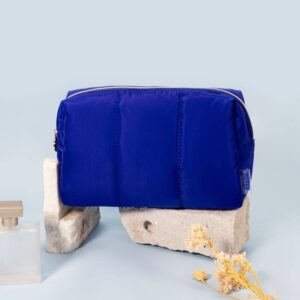
A beauty gift bag is not automatically gift-ready or retail-ready. Buyers need to define which sleeve, label, sticker, insert card, carton mark and display requirements are included before the supplier quotes or samples the project.
Buyer Summary
Beauty gift bag packaging scope should be defined before quote, because sleeves, polybags, insert cards, hangtags, labels, stickers, carton marks, display trays and market-version labels can change cost, sample timing, artwork approval, packing labor and shipment release. The purchasing conclusion is simple: separate the base bag from packaging extras, confirm which components are included, list them as quote lines when they affect cost, and approve evidence for each item before bulk. Ecorivta can help buyers turn sleeve, label, carton and display requirements into a supplier-ready scope instead of a late add-on.
| Best for | This guide is best for beauty buyers, private-label teams, sourcing managers, product marketers, distributors and GWP owners preparing cosmetic bags, pouches or gift bags for seasonal sets, e-commerce bundles, retailer promotions, loyalty campaigns or travel retail programs. It fits projects where the base bag is already roughly defined, but the buyer still needs to decide whether sleeve, polybag, insert card, hangtag, sticker, SKU label, market-version label, carton mark, protection material or display packaging belongs in the quote and sample scope. It is especially useful when different internal teams own artwork, retail data, carton information, launch presentation, timing and approval evidence. |
| Less suitable | This guide is less suitable for one-piece personal orders, stock bag purchases without packaging customization, projects that only need a paper-card copy checklist, or launch kits where the buyer already has approved components and only needs a repeatable pack-out sequence. It is also not a logistics plan, retailer routing guide, legal review, certification manual or full artwork guide. If the buyer has not chosen the base bag style, target quantity, product fill or launch route, packaging scope should be drafted as assumptions and refined before the first firm quote. |
| Ecorivta reality | Customers ask for many packaging types, but display boxes and counter displays are less common than sleeves, stickers, cards, polybags and carton marks. |
| Core boundary | This is packaging scope. It is not a pack-out sequence, insert-card copy guide, claim guide or clear pouch travel retail brief. |
Why should packaging scope be defined before quote?
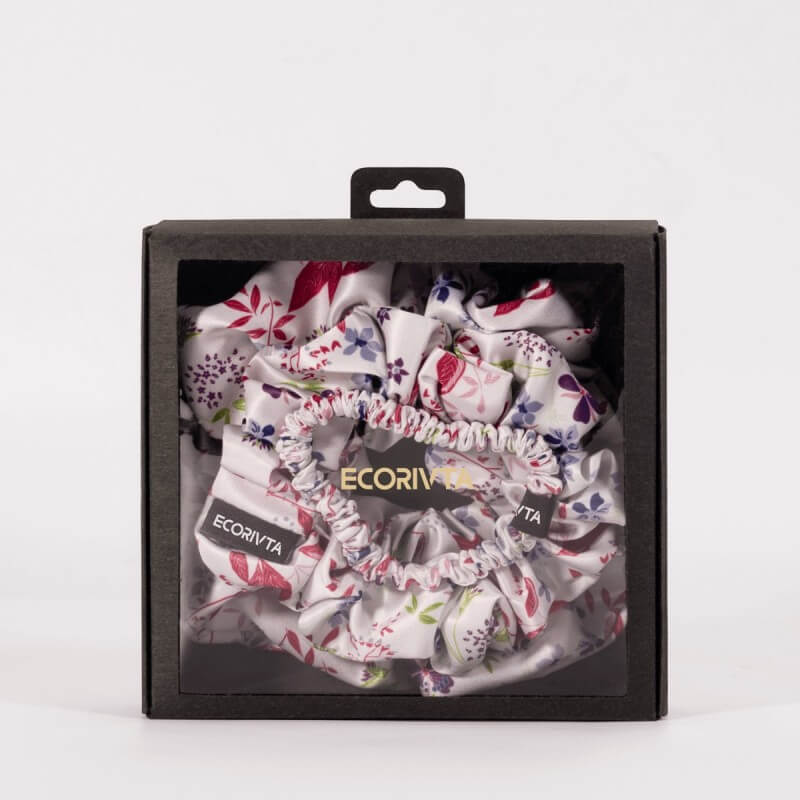
A buyer may ask for a beauty gift bag price, but the supplier still needs to know whether the price includes only the bag or the full gift-ready package. A sleeve, sticker, insert card, hangtag, label, carton mark or display box can change printing setup, material cost, sample time, packing labor and carton planning. If these items are not named before quote, the first price is not a real gift-ready price.
Packaging scope is not the same as packing sequence. Packaging scope defines which components are included, quoted, sampled and approved. Pack-out sequence defines how those approved components are physically placed. Ecorivta separates the two because a project can have simple packing but still need multiple packaging components priced and approved.
| Working logic | Base bag price + packaging scope + carton mark + display requirement = realistic gift-ready or retail-ready cost. |
What must be defined before the supplier quotes?
The quote should be built from a visible scope, not from a vague request for a gift-ready bag. Before the supplier prepares a firm price, the buyer should define which components are included, which are optional, which need artwork, which need retailer or warehouse data, and which can be confirmed after the first sample. This is especially important when the same bag may have different market versions, sleeve languages, SKU labels or carton marks.
| Before quote field | Buyer should define | Why it changes cost or timing |
|---|---|---|
| Included components | Base bag, polybag, sleeve, insert card, hangtag, sticker, label, carton mark and display item. | Each component may add material, printing setup, labor or proof approval. |
| Artwork owner | Who supplies print-ready files, language versions, QR code, barcode and claim wording. | Missing artwork can block proofing even when the bag sample is ready. |
| Market version | Country, retailer, distributor, SKU, barcode and label variation. | One bag style may need different labels or carton marks by market. |
| Evidence needed | Flat proof, assembled sample, barcode scan photo, carton mark proof or display mockup. | Evidence determines sample timing and approval responsibility. |
| Optional display | Whether display tray, shelf-ready box, counter display or shipper is required now. | Display packaging can change quote structure and sample lead time. |
How is this different from related Ecorivta guides?
This guide is intentionally narrow. It does not explain how to write insert-card copy, how to pack one finished launch kit, or how to build a clear pouch travel retail brief. It helps buyers decide what packaging components belong in the quote and approval scope before the supplier starts detailed pack-out work.
| Related guide | Best used for | This guide answers |
|---|---|---|
| Launch kit packing checklist | Pack-out sequence and evidence for approved components. | Which packaging components should be included and quoted. |
| Insert card and hangtag checklist | Paper component artwork, QR code, claim and placement details. | Whether those paper components are part of the packaging scope. |
| Clear Beauty GWP packaging brief | Clear pouch and travel retail packaging brief fields. | General beauty gift bag packaging scope across materials. |
| Beauty GWP launch timeline | Approval timing. | What packaging must be listed before that timing is realistic. |
| Sibling guide | Use that guide when | Use this packaging scope guide when |
|---|---|---|
| W2-03 Insert card and hangtag checklist | The paper component copy, QR code, barcode, claim wording, artwork file or placement detail needs approval. | The buyer is still deciding whether insert card, hangtag, sleeve or sticker is included in the quote. |
| W2-06 Launch kit packing checklist | The approved bag, card, sleeve, label and carton mark need a repeatable pack-out sequence. | The buyer has not yet separated base bag cost from sleeve, label, carton or display requirements. |
What are the six packaging scope layers?
The easiest way to prevent missed cost is to split packaging into layers. Not every project needs every layer, but each layer should be reviewed. Ecorivta customers may ask for sleeve, sticker, insert card, hangtag, polybag, carton mark, display box or counter display. The supplier’s job is to make the scope visible instead of hiding everything inside one vague bag unit price.
| Layer | Common items | Buyer must confirm | Cost / timeline impact |
|---|---|---|---|
| Bag-level | Polybag, tissue, dust bag, copy paper, no individual bag. | Protection, cleanliness and recipient experience. | Material and packing labor. |
| Message-level | Insert card, thank-you card, material card, care card. | Artwork, language, paper size and claim boundary. | Printing setup and artwork approval. |
| Branding-level | Hangtag, sticker, sleeve, QR label, seal label. | Brand visibility, position and adhesive or attachment method. | Sampling and placement check. |
| Retail-level | Barcode, SKU label, market version label, product label. | Retailer or distributor data and scan requirement. | Label proof and data control. |
| Carton-level | Inner carton, master carton, carton mark, carton quantity. | PO, SKU, destination, quantity, gross weight and carton size. | Warehouse receiving and shipment release. |
| Display-level | Display tray, shelf-ready box, counter display, retail shipper. | Display location, unit count and size limit. | Usually higher sampling and printing complexity. |
 |
 |
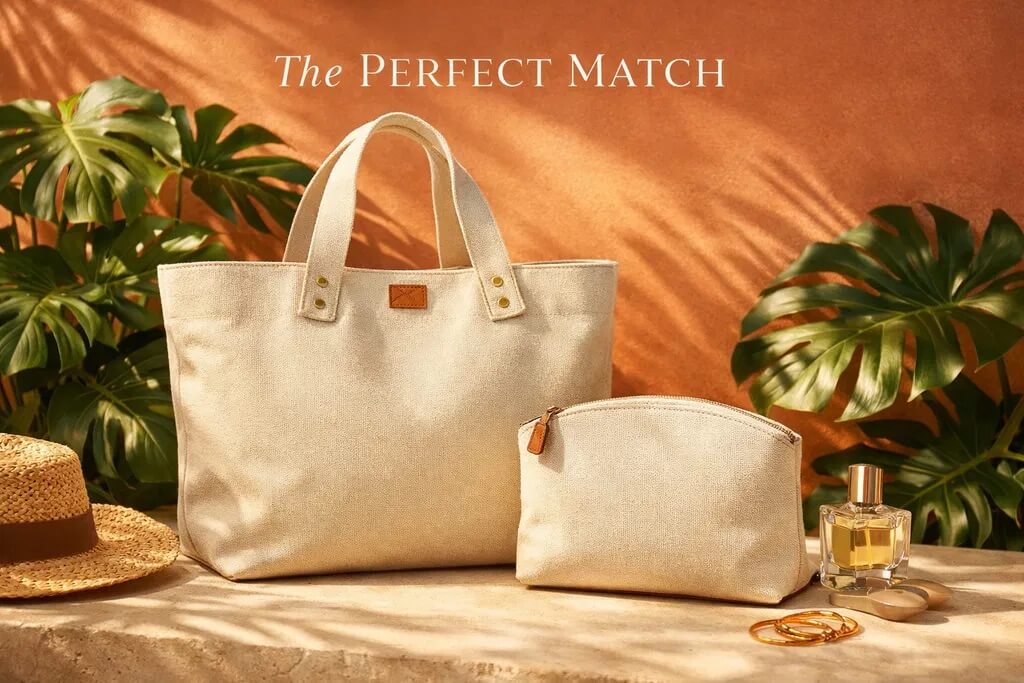
| Packaging scope first
List the included packaging components before the supplier prepares a quote. |
Gift-ready presentation
Cards, sleeves, labels and protection can all change the final cost and sample route. |
What should buyers decide for sleeves, labels and stickers?
Sleeves, labels and stickers look simple, but they should not be treated as automatic extras. A sleeve may need a paper route, print setup, folding, fit check and assembled sample. A sticker may need barcode data, adhesive selection, residue review and scan approval. A label may need language version, market version or retailer approval.
When a sleeve or hangtag carries an environmental statement, the wording should stay connected to the correct component. FSC wording belongs to the paper component when the paper route supports it; it should not imply that the whole cosmetic bag, zipper, lining and carton are FSC. Broad environmental claims should be checked against the buyer’s evidence and market review before artwork is released. Supplier-side packaging claims can reference frameworks such as FSC on-product label guidance [3] and the FTC Green Guides summary [4], but final claim wording should be reviewed by the buyer’s responsible team.
| Item | Best use | Risk if undefined |
|---|---|---|
| Sleeve | Gift-ready presentation, FSC paper story, shelf effect or campaign message. | Too tight after product fill, wrong paper or late print cost. |
| Sticker | Campaign seal, simple brand mark, SKU mark or barcode support. | Residue, poor scan position or wrong market version. |
| Hangtag | Visible material story, care note or simple outside branding. | Wrong string, poor position or tag bending inside carton. |
| QR label | Landing page, campaign story or traceability link. | Too small to scan or placed on a curved area. |
| Market label | Language, SKU or retailer-specific requirement. | One global label used for different receiving systems. |
What approval evidence should be requested for packaging scope?
Packaging scope should create evidence, not only a list of words in a quote. For each component, the buyer should know what proof or sample confirms it. A sleeve may need an assembled sample. A barcode label may need a scan photo. A carton mark may need a proof layout. A display tray may need a mockup with unit count and front-facing direction.
This evidence also helps factory teams avoid mixing old and new artwork. When sleeve, sticker or carton mark files change, the supplier should know which version is final. A quality-management workflow works better when approved component evidence is tied to one order record instead of scattered across chat messages and separate email attachments. Systems such as ISO 9001 quality management [5] can support that discipline, but the project still needs clear approved evidence.
| Scope item | Evidence to request | Approval risk |
|---|---|---|
| Sleeve | Flat artwork proof and assembled sample photo. | Correct artwork but wrong fit after assembly. |
| Sticker / label | Printed proof, position photo and scan check when needed. | Wrong SKU, poor adhesive or unreadable barcode. |
| Insert card / hangtag | Paper proof, hole or string detail and packed position. | Claim wording or position differs from buyer intent. |
| Carton mark | Carton mark proof or printed carton photo. | Warehouse receives a correct product with wrong outer ID. |
| Display packaging | Mockup, dimension drawing or assembled sample. | Display does not fit counter, shelf or shipper requirement. |
Why is the carton mark often the missed scope?
In Ecorivta projects, carton mark is one of the most commonly missed packaging scope items. Buyers focus on the bag, card and sleeve, then carton information arrives late. Ecorivta can prepare a carton mark for customer confirmation, but the buyer still needs to confirm PO, SKU, item number, quantity, destination, carton sequence and any retailer-specific receiving requirement.
A carton mark is not decoration. It is receiving information. If it is wrong, the warehouse may have trouble identifying the goods even when the product is correct. Barcode rules and handling symbols should be confirmed before bulk cartons are printed or labeled, especially where GS1 barcode standards [1] or ISO 780 handling symbols [2] are part of the buyer’s receiving expectation.
| Carton field | Why it matters | Who usually confirms |
|---|---|---|
| PO / order number | Connects shipment to buyer system. | Buyer. |
| SKU / item code | Supports warehouse and retailer receiving. | Buyer or retailer. |
| Quantity per carton | Controls counting and carton planning. | Supplier proposes, buyer approves. |
| Destination / market | Prevents mixed market shipment. | Buyer. |
| Gross / net weight and carton size | Supports logistics and receiving checks. | Supplier provides after carton plan. |
| Handling mark | Shows handling expectation. | Buyer requirement or supplier recommendation. |
How should display requirements be handled?
Display packaging is less common in Ecorivta’s everyday beauty bag projects than sleeves, stickers, insert cards, polybags and carton marks. When it appears, it should be treated as a separate scope item, not a casual add-on. A display tray, shelf-ready box, counter display or retail shipper can change product orientation, carton quantity, sleeve fit, barcode location and sample lead time.
Buyers should explain where the gift bag will be displayed: counter, shelf, travel retail area, e-commerce mailer or retailer promotion table. They should also confirm how many units sit in one display, whether the bag must face forward, whether the product fill is visible and whether the display ships assembled or flat.
| Display type | Buyer should confirm | Supplier risk |
|---|---|---|
| Counter display tray | Counter size, unit count, front-facing direction. | Tray too large or units lean forward. |
| Shelf-ready box | Shelf size, perforation, barcode and visible product face. | Retailer cannot place it as intended. |
| Window carton | Window size, product visibility and material protection. | Bag or product scratches against window edge. |
| Retail shipper | Whether it is shipping carton, display carton or both. | Carton strength and display appearance conflict. |
| E-commerce mailer | Compression, unboxing order and protection. | Gift bag arrives marked or bent. |
 |
| Presentation versus display
Flat lay approval helps separate gift presentation from carton and display requirements. |
How should packaging scope be quoted?
Ecorivta normally separates the bag price from paper components, labels, display items and special packaging work when those details affect cost. This is especially important for smaller quantities because printing, label production or paper setup may involve machine or setup fees. A buyer who only asks for a bag unit price may miss the real cost of a gift-ready or retail-ready item.
| Quote line | Why separate it | When it matters most |
|---|---|---|
| Base bag | Material, size, logo and sewing cost. | Every project. |
| Paper components | Insert card, hangtag, sleeve and paper proof cost. | Small quantities and multi-language versions. |
| Label / sticker | SKU, barcode, adhesive and market version cost. | Retailer and distributor projects. |
| Carton mark | Printing, label or carton proof work. | Warehouse receiving and multi-market orders. |
| Display packaging | Structure, print, sample and assembly cost. | Counter or shelf-ready programs. |
| Special protection | Copy paper, tissue, divider or inner carton. | Fragile sleeves, clear panels or hard product fill. |
How does packaging scope affect inspection and shipment release?
Packaging scope should be visible during final inspection. If the quote includes sleeve, barcode label, carton mark and display tray, those items should be checked as part of the shipment record. The inspection question is not only whether the bag is sewn correctly. It is also whether the right paper component, label, carton mark and packing scope are present in the approved version.
For larger or retailer-sensitive orders, buyers may use sampling plans or inspection criteria to define how cartons and packed goods are checked. That process works better when the packaging scope is already clear. Sampling references such as ISO 2859-1 inspection sampling [6] and packaging performance frameworks such as ISTA test procedures [7] can support defined buyer requirements when display boxes, clear panels, fragile sleeves or special cartons are involved.
| Inspection point | Packaging scope link | Common issue |
|---|---|---|
| Carton count | Quantity per carton and carton sequence. | Correct bag but wrong carton quantity. |
| Label version | SKU, market and barcode label. | Mixed language or market version. |
| Paper component | Sleeve, card, hangtag or sticker. | Artwork version mismatch. |
| Display unit | Display tray or shelf-ready box. | Assembly differs from approved mockup. |
| Shipment release | Carton mark and handling mark. | Goods delayed at warehouse receiving. |
What does a composite packaging scope case teach?
A skincare buyer asked for a reusable beauty gift bag with a premium sleeve and simple sticker. The first request did not mention carton marks, barcode labels, market-version labels or whether the set would go to a retailer warehouse. The quote looked simple because it only included the bag, sleeve and sticker. After sample approval, the buyer added a retailer carton mark, one SKU label, two language versions and one display tray request.
The project became clearer when Ecorivta separated the scope into base bag, sleeve, sticker, carton mark, market label and optional display tray. The display tray was confirmed as less urgent and moved to a separate quote line because the buyer did not yet know the counter size, unit count or whether the tray would ship assembled. The carton mark was prepared for customer confirmation before bulk packing, with PO, SKU, destination, quantity and handling fields separated from the artwork files.
The buyer then approved evidence by component: sleeve flat proof, assembled sleeve photo, sticker position, carton mark proof and label version list. This kept the base bag approval from being reopened every time a packaging item changed. It also helped the buyer see that a packaging scope decision is different from the later pack-out sequence. The lesson: packaging scope should be defined before quote, because late carton, label and display requirements change cost, approval and delivery logic even when the bag itself is already correct.
Anonymous feedback from brand buyers
These comments summarize recurring buyer-side concerns Ecorivta hears during beauty gift bag packaging scope planning. Names are withheld because the points are used only to explain sourcing patterns, not to identify customers, retailers, distributors or warehouse teams.
| Buyer role | Feedback pattern | Practical lesson |
|---|---|---|
| Sourcing buyer | The first quote looked competitive, but it did not include sleeve proofing, sticker printing or carton mark work. | Ask suppliers to separate the base bag from packaging scope before comparing prices. |
| Brand project manager | The campaign needed two market labels, but the label versions were not discussed until packing was close. | Confirm market version, SKU and barcode requirements before artwork release. |
| Retail coordinator | The display idea sounded simple, but no one had confirmed counter size, unit count or whether the display shipped flat. | Treat display packaging as a separate scope item, not a casual add-on. |
What can Ecorivta deliver for beauty gift bag packaging scope?
Ecorivta is a better fit when buyers are willing to define what packaging is included before quote. For these projects, Ecorivta can help separate the base bag from paper, label, carton and display requirements so the quote and sample route are easier to control.
| Buyer input | Ecorivta output |
|---|---|
| Bag style, material, logo, size and target quantity. | Base bag scope separated from packaging extras. |
| Sleeve, card, hangtag, sticker or label requirements. | Paper and label component checklist for quote and approval. |
| Barcode, SKU, PO, destination and carton information. | Carton mark and label confirmation fields. |
| Display or shelf-ready expectation. | Separate display requirement review instead of hidden add-on cost. |
Which related Ecorivta guide should buyers read next?
 Pack-out route Use when approved packaging components need a repeatable packing sequence. |
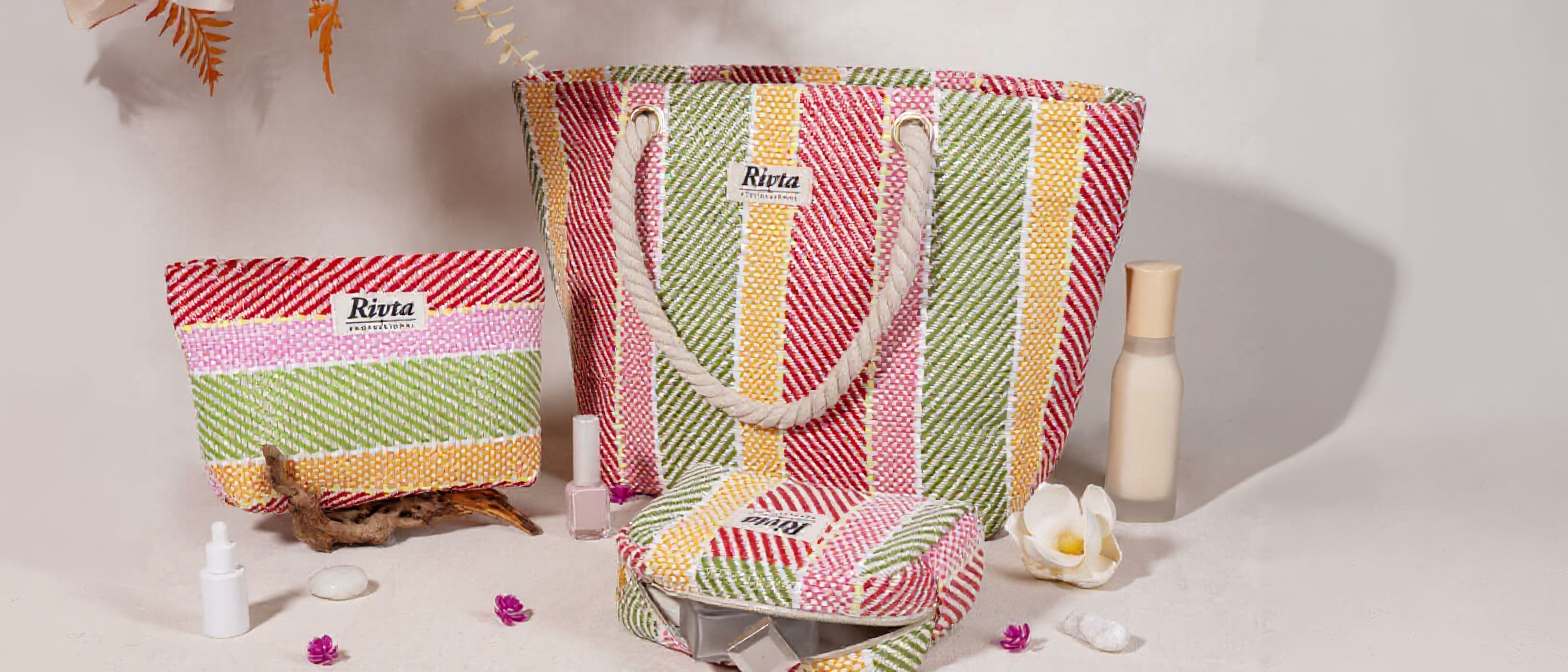 Paper component route Use when insert card, hangtag, QR code or claim wording needs detailed approval. |
 Clear pouch route Use when the packaging brief is specific to clear pouch or travel retail use. |
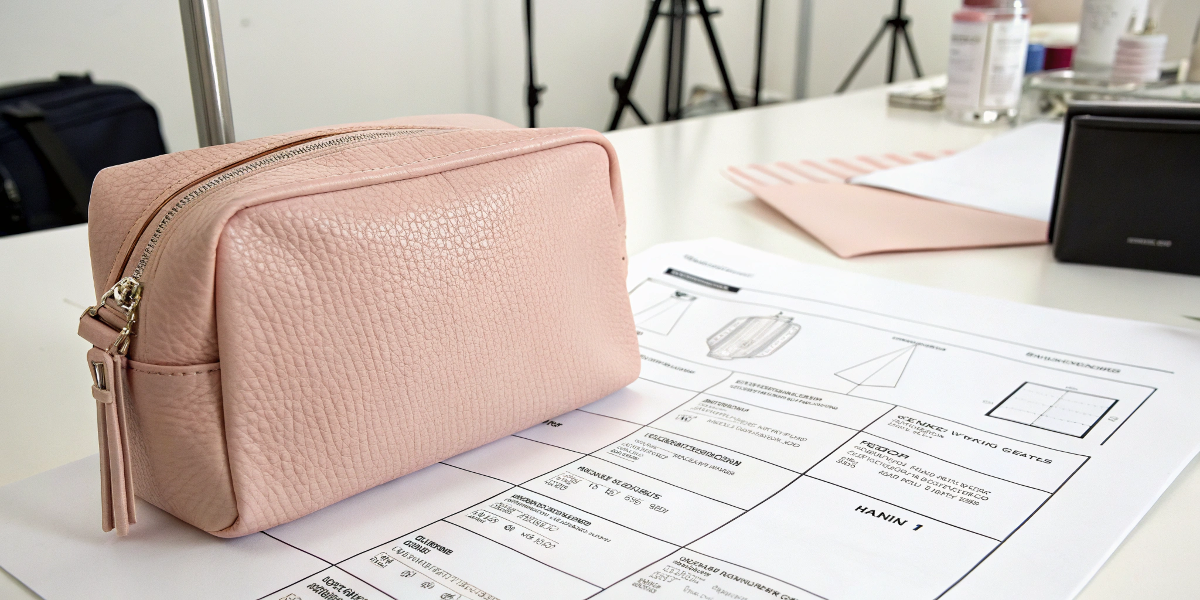 RFQ route Use before quote when product fill, artwork, packaging scope and launch date must be attached. |
 Inspection route Use when carton, label or packed-goods defects need inspection classification. |
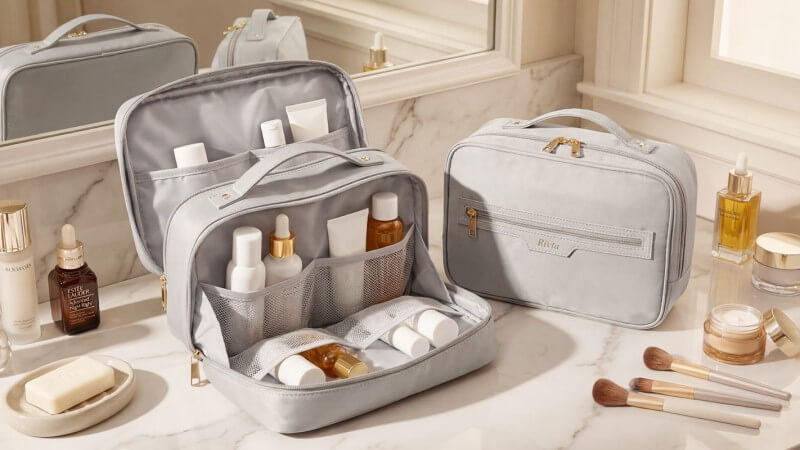 Supplier review Send bag, sleeve, label, carton and display requirements for supplier-side review. |
Copy-ready beauty gift bag packaging scope brief
- Project type: Beauty GWP gift bag, cosmetic pouch, skincare gift set, fragrance gift bag, e-commerce bundle or retail promotion.
- Base bag: style, size, material, logo, color and quantity.
- Bag-level packaging: polybag, tissue, copy paper, dust bag, divider or no individual packaging.
- Paper components: insert card, thank-you card, hangtag, sleeve, material card or care card.
- Label / sticker: campaign sticker, barcode, SKU label, QR label, market version label or seal label.
- Carton mark: PO, item number, SKU, quantity, destination, carton size, gross weight, net weight and handling mark.
- Display requirement: none, counter display, shelf-ready box, window carton, retail shipper or e-commerce mailer.
- Quote structure: confirm which packaging components should be listed separately from the base bag price.
- Approval evidence: artwork proof, assembled sample, carton mark proof, barcode proof or display mockup.
Need a packaging scope review?
Send your beauty gift bag style, sleeve, label, carton mark and display requirements. Ecorivta can help separate the base bag from packaging scope before quote and sampling.
About the author
Lina Lv works with beauty brands and sourcing teams on custom cosmetic bags, Beauty GWP packaging scope, paper components, sample approval, material selection and production documentation. Her supplier-side work focuses on turning early campaign requirements into clear product briefs, realistic sample routes and traceable approval files before bulk production.
Trademark Notice
Brand, barcode, certification, packaging and inspection references in this guide belong to their respective owners. References are used only to explain supplier-side Beauty GWP packaging scope. This guide is not legal, retail compliance, logistics or trademark advice.
FAQ
What is beauty gift bag packaging scope?
It is the list of packaging components included in a quote and sample route, such as sleeve, insert card, sticker, SKU label, carton mark, display tray and protection material.
Is packaging scope the same as pack-out sequence?
No. Packaging scope defines what is included and quoted. Pack-out sequence defines how approved components are placed, counted, labeled and packed.
Why should carton marks be confirmed before quote or sampling?
Carton marks affect receiving, SKU control, market routing, carton quantity and sometimes label or print work. Late carton information can change packing and shipment release.
Should display boxes be included in the first quote?
Only if the buyer can define display type, unit count, size limit, product orientation and whether the display ships flat or assembled. Otherwise, display packaging should be separated as an optional scope line.
What evidence should be approved for packaging scope?
Approve artwork proofs, assembled sleeve photos, label or barcode position, carton mark proof, display mockup and any special protection method before bulk packing.
Sources
- GS1, barcode standards overview. Source ↩
- International Organization for Standardization, ISO 780 packaging handling symbols. Source ↩
- Forest Stewardship Council US, FSC on-product labels. Source ↩
- U.S. Federal Trade Commission, Environmental Claims: Summary of the Green Guides. Source ↩
- International Organization for Standardization, ISO 9001 quality management. Source ↩
- International Organization for Standardization, ISO 2859-1 sampling procedures. Source ↩
- International Safe Transit Association, test procedures. Source ↩