Appearance-first buyer brief
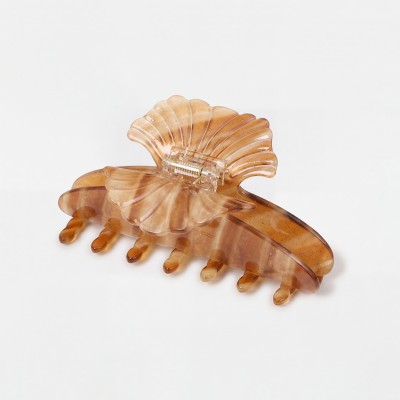
For a cellulose acetate hair clip program, the most important buyer decision is often not the resin name. It is the style and appearance: shape, curve, color pattern, finish, logo position and how the clip looks on the backing card. A quote based only on size and material can still miss the product the beauty team wants to launch.
If the program will use tortoise, marble, pearl or translucent acetate, approve the visual range early. Color systems such as Pantone color systems 1 help teams discuss color direction, but patterned acetate still needs real sample approval.
Start with the style decision
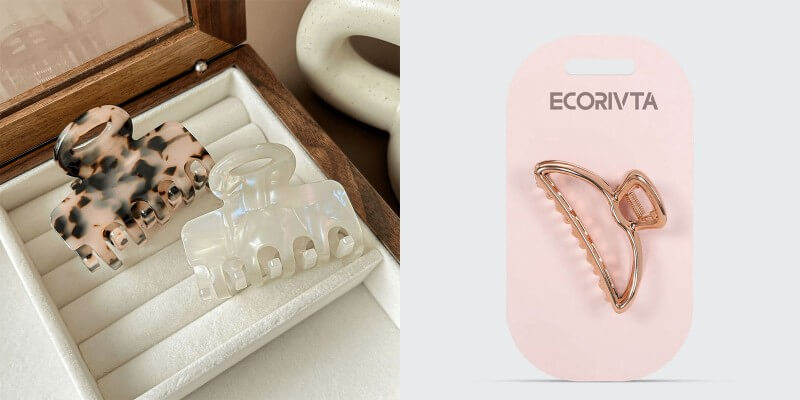
A beauty GWP buyer usually cares whether the clip feels premium, matches the campaign palette and looks like a brand accessory, not a commodity clip. That is why the first brief should define the style family before the final quote is compared.
| Appearance decision | What to send | Why it matters |
|---|---|---|
| Silhouette | Reference clip or marked sketch | Controls whether existing mold is enough or a new outline is needed |
| Color pattern | Photos, color direction and unacceptable examples | Prevents surprise when acetate sheet patterns vary |
| Finish | Glossy, matte, pearl, translucent or metal trim | Changes the premium feel and product photography |
| Logo position | Top surface, side, metal plate, card only or no logo | Avoids late changes that affect sampling and packing |
| Packing view | Backing card, pouch, sleeve or gift-set insert | The clip must look right inside the final beauty program |
Appearance details that change sampling
For acetate clips, small visual choices can create different sample routes. A flat rectangular clip, a curved claw clip and a decorative barrette may all use acetate, but the approval questions are different. A buyer should tell the supplier which look is central to the campaign and which details can be adjusted for MOQ, timing or tooling.
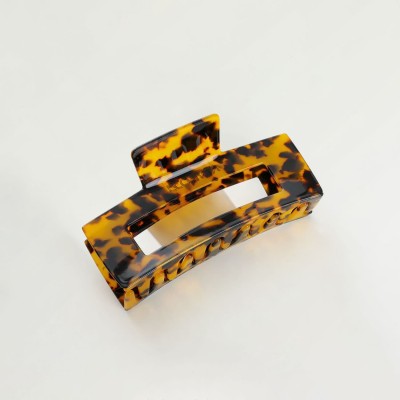
- Shape: curved jaw, flat barrette, rectangular clip, butterfly, flower or simple daily-use outline.
- Pattern: tortoise, marble, shell, translucent, solid color or custom color direction.
- Hardware: spring color, hinge tone and metal trim should match the visible style.
- Surface: glossy acetate gives stronger shine; matte or translucent effects need separate approval.
- Logo: visible logo can look premium when planned early, but forced logo placement can make the product feel cheaper.
Be careful with eco or recycled appearance claims
Some campaigns want bio-acetate, recycled plastic, FSC card or other environmental wording on the package. The styling team may treat this as copy, but the sourcing team should treat it as a document and claim question. FTC Green Guides explain why environmental marketing claims need clear support and should not be over-broad.FTC Green Guides 2
For Ecorivta, the safer route is to write the claim as project-dependent: material, certificate and label wording should be confirmed before card printing. This avoids a pretty sample that later needs packaging copy changes.
What to include in the RFQ
A strong hair clip RFQ does not need to be long. It needs to show how the buyer wants the accessory to look and how strict the campaign is about matching that look.
- Target use: beauty GWP, retail accessory, launch kit add-on or salon/spa gift.
- Reference style: shape, approximate size and preferred clip family.
- Appearance: color pattern, finish, hardware tone and acceptable variation.
- Logo: whether logo belongs on clip, card, pouch or sticker.
- Packing: backing card, polybag, pouch, set box or carton requirements.
- Quantity and color split: total units and how many colors/SKUs.
- Launch window and delivery market.
- Document needs: material, testing, audit or certificate support if required.

Sample approval should protect the final look
Approve one physical sample as the reference, then define what variation is acceptable. For patterned acetate, a buyer should not expect every piece to have identical pattern placement. For brand work, the important control is whether the overall look still matches the campaign mood.
Before bulk production, ask for clear sample photos under neutral light, close-ups of logo position, card or pouch layout, and a short note on what can vary. This gives the buyer, supplier and internal marketing team one shared approval record.
Review acetate clip sample details
Send the appearance brief
If your team already has a reference style, send the style image, target quantity, launch window, preferred color family, logo position and packing route. Ecorivta can review whether the program should use an existing mold, a modified style route or a new sample route.
FAQ
What is the first decision for an acetate hair clip GWP brief?
Start with style and appearance: silhouette, size feel, color pattern, finish, spring color, logo position and packing route. The material name alone is not enough for a reliable sample.
Do beauty buyers need a new mold for every acetate hair clip?
No. Existing molds can work when the shape is acceptable. A new mold is only worth discussing when the campaign needs a distinctive silhouette or brand-owned outline.
How should a buyer describe tortoise or marble acetate color?
Send reference photos and color direction, then approve a tolerance range on physical samples. Patterned acetate will vary by sheet and cutting position.
What should be approved before bulk hair clip production?
Approve the physical sample, color/pattern range, logo placement, backing card or pouch, carton mark and any claim wording before bulk production starts.
Related Ecorivta pages and guides
- Hair Clip Manufacturer for the main hair clip sourcing page.
- Claw Clips Manufacturer for shape, mold and claw clip route details.
- Quality Control for sample and bulk inspection workflow.
- Certifications for project-dependent document support.