RFQ brief in one sentence
For scrunchies, fabric creates the look, but elastic size decides whether the product feels right. If the buyer only says “silk scrunchie” or “satin scrunchie,” the supplier still has to guess finished diameter, stretch, wrist comfort, hold strength, packing route and color split.
Use the RFQ to separate appearance from fit. Textile wording and care-label discussions should stay accurate and supported by the actual material route; FTC textile guidance is a useful boundary when fabric names are used in customer-facing copy.FTC clothing and textile guidance 1
Send a scrunchie elastic brief
Use elastic size to define the product
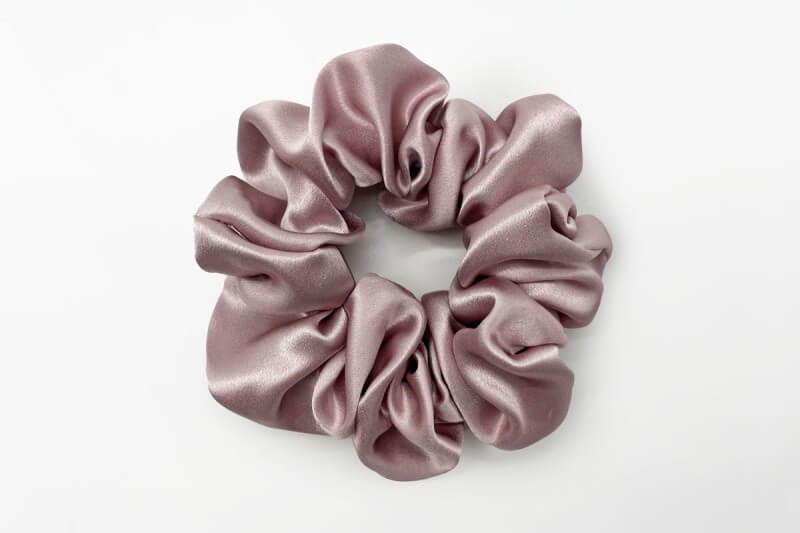
Jolian’s buyer-side insight is simple: elastic size matters. Two scrunchies can use similar fabric and still feel completely different because the inner elastic width, stretch and recovery are different. This affects whether the product works as a wrist accessory, a soft hair tie, a spa gift, or a retail SKU.
| Buyer use | Elastic decision | RFQ note |
|---|---|---|
| Beauty GWP gift | Comfortable stretch, soft hand feel | Avoid overly tight elastic if the item is worn on wrist |
| Retail hair accessory | Stable hold and recovery | Define finished diameter and sample pull feel |
| Spa or wellness set | Soft tension and easy removal | Avoid seams or elastic feel that marks hair |
| High-volume campaign | Consistent elastic and color split | Lock the approved sample before bulk cutting |
The RFQ fields that prevent guessing
A good scrunchie RFQ should not be a long essay. It should give the supplier the inputs that change sample feel and quote route.
- Finished size: outer diameter, fabric fullness and target stretch feel.
- Elastic: width or softness preference, strong hold vs gentle hold, and any comfort concern.
- Fabric: silk, satin, recycled fabric, velvet, cotton blend or buyer-supplied direction.
- Quantity: total MOQ target and color/SKU split.
- Use: GWP, retail, set insert, launch kit, spa gift or promotional add-on.
- Logo: woven label, care label, card, sticker, no logo, or print route.
- Packing: loose bulk, individual bag, card, pouch, set box or retail-ready pack.
- Timeline: sample approval date and launch window.
Packing should follow gift vs retail logic
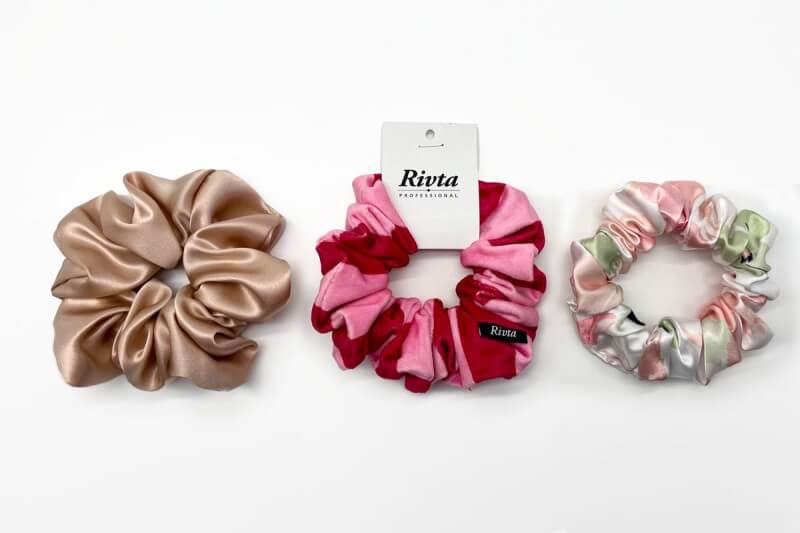
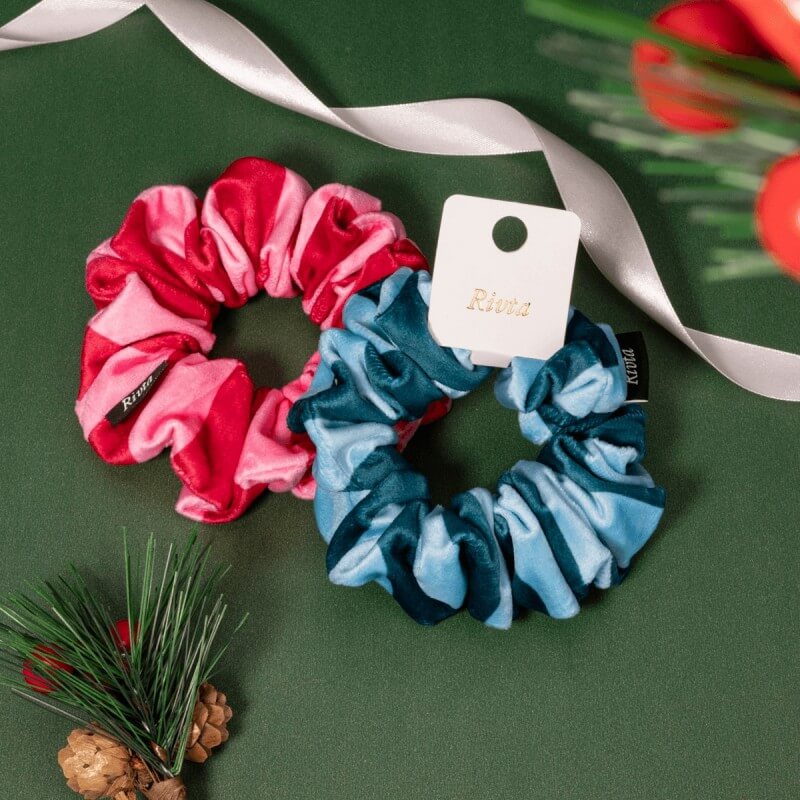
Gift and retail routes are not the same. A GWP scrunchie may need brand color, simple unit packing and fast campaign pack-out. A sellable SKU may need a card, barcode, material wording, country/import label path and a more controlled retail presentation. Barcode placement guidance from GS1 US is useful when a buyer plans scanned retail packaging.GS1 US barcode placement guidance 2
Review scrunchie packing route
Sample approval should check feel, not only photos
Scrunchie samples need touch and stretch review. The buyer should check whether the sample feels too tight, too loose, too bulky at the seam, or too flat after stretching. If the product is part of a beauty gift set, also place it next to the pouch, card, hair clip, eye mask or skincare product to make sure the color story still works.
If a buyer requests tested textile documentation, the required scope should be confirmed by project and material. OEKO-TEX STANDARD 100 is one recognized textile testing reference, but support depends on the selected fabric and supplier document route.OEKO-TEX STANDARD 100 3

Send the elastic and packing brief
If the launch team already knows the gift route or retail route, send the intended use, finished diameter, elastic feel, fabric route, color split, packing method and launch window. The fastest useful reply is a sample route, not a generic price list.
FAQ
What is the most important scrunchie spec to confirm?
Elastic size and stretch are usually the first fit decision. Fabric may create the look, but elastic controls wrist comfort, hair hold and finished diameter.
Should a scrunchie buyer send fabric first or elastic first?
Send both. The supplier needs fabric route, finished diameter, elastic width or tension preference, color split, logo route and packing before a useful sample is made.
How does gift vs retail change a scrunchie RFQ?
GWP projects often prioritize campaign look and simple unit packing. Retail projects usually need card, barcode, label, SKU split and stronger pack-out control.
What should be checked on the scrunchie sample?
Check finished diameter, stretch recovery, seam bulk, hand feel, color, label position, logo quality and whether the packing matches the launch route.
Related Ecorivta pages and guides
- Scrunchies Manufacturer for the main product page.
- Beauty GWP Accessories for accessory set positioning.
- Quality Control for sample and bulk approval checks.
- Certifications for project-dependent textile and audit support.
-
FTC clothing and textile guidance is used as a boundary for careful fabric and textile wording in customer-facing copy. ↩︎
-
GS1 US barcode placement guidance is relevant when scrunchies become retail-ready or trackable SKUs. ↩︎
-
OEKO-TEX STANDARD 100 is included as a recognized textile testing reference when buyers request tested material support. ↩︎