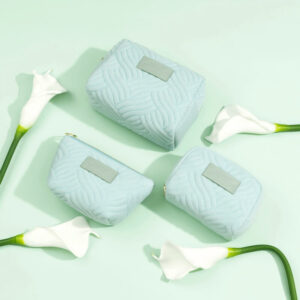
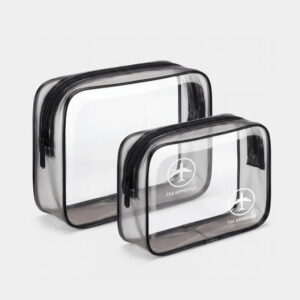
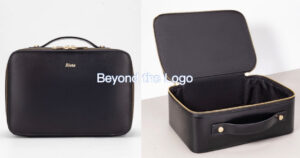
Most Beauty brand cosmetic bag projects do not need to start from a blank page. The better first question is whether the buyer should adapt an existing style, create a semi-custom route or invest in full OEM development.
Buyer Summary
Most beauty GWP cosmetic bag programs should start by checking whether an existing style or semi-custom route can meet product fit, logo, material, packing and launch timing. Full OEM is useful only when the buyer has a clear reason for a new structure, stronger files, enough MOQ, budget and sample time. For many first or seasonal programs, semi-custom gives a better balance of brand control, sample risk and production speed.
| Best fit | This guide is best for beauty brand teams, procurement buyers, product developers and private-label managers deciding how to turn a reference image, GWP idea, product-fill requirement or design file into a supplier-ready cosmetic bag program. It fits buyers with a real brand, MOQ 500+ or higher, a launch window, product dimensions, logo files, material direction and a sample-first approval process. It is especially useful when the buyer wants a branded result but does not yet know whether the project should stay close to an existing style, move into semi-custom development or justify full OEM investment with enough time and budget. |
| Less suitable | This guide is less suitable for single-piece personal orders, no-brand marketplace purchases, copy requests based only on competitor photos, or projects with no product dimensions, no logo file, no launch timing, no approval owner and no realistic MOQ. It is also not a full ODM development manual, tooling contract or legal design-ownership review. If the buyer needs an exclusive invention, custom mold or protected brand-owned pattern, those ownership and development terms should be handled separately before quotation and sampling approval. |
| Ecorivta reality | Most customers adapt existing design directions instead of starting from full OEM. That can move projects faster from concept to mock-up, sampling and production. |
| Core distinction | Existing style saves time, semi-custom adapts proven structure, and full OEM belongs to buyer-led designs with stronger files and higher commitment. |
Why is this not another generic OEM vs ODM guide?
A basic OEM vs ODM article explains who develops the product route and who provides the design direction. This guide is narrower: it focuses on Beauty brand cosmetic bag programs where the buyer must decide whether to use an existing supplier style, adapt an existing design direction or create a full custom structure. Quality-management thinking [1] is useful here because the route must create clear requirements before quote, sample and production.
That distinction matters because most Ecorivta customers are not asking for a fully new OEM project from zero. They usually want to customize from an existing design base: color, logo, material, size, structure, lining, zipper or packaging. This is one of Ecorivta’s practical strengths, because a known structure can shorten the path from concept to mock-up, quote, sample and production.
Working logic: reference image or idea -> closest existing structure -> mock-up -> buyer confirmation -> quote -> sample route.
How does this guide connect with OEM, RFQ, timeline and material decisions?
The broader OEM vs ODM decision is the first procurement layer. This article explains the next layer: how a Beauty buyer should choose between existing style adaptation, semi-custom development and full OEM for a cosmetic bag program.
| Related buyer need | Better route | How this article helps |
|---|---|---|
| Need the broader OEM vs ODM decision? | OEM vs ODM guide | Use this article for the practical cosmetic bag route after the broad procurement choice. |
| Need RFQ attachments? | Send RFQ attachments | Clarify which development route those files should support. |
| Need launch timing? | Send launch timing | Check how route choice affects sample, packaging and shipment gates. |
| Need material choice? | Cosmetic bag material guide | Decide whether material change stays semi-custom or pushes the project toward OEM complexity. |
Three-route decision table for beauty cosmetic bag programs
| Route | Use when | Buyer should prepare | Not suitable when |
|---|---|---|---|
| Existing style adaptation | The buyer needs a fast GWP, the base size works, and branding can come from logo, color or simple packing. | Product dimensions, logo file, quantity, color direction, packing need and launch date. | The buyer expects a new exclusive structure, custom hardware or a copied competitor design. |
| Semi-custom | The buyer likes a proven structure but needs material, size, lining, zipper, puller, logo, insert card or sleeve changes. | Reference style, product fill, material target, artwork, budget range, packaging scope and sample deadline. | The buyer keeps adding changes after sample approval without adjusting MOQ, cost or timeline. |
| Full OEM | The buyer has a tech pack, special structure, unique opening, long-term retail plan or brand-owned product requirement. | Dimensioned file, material specification, tolerance, hardware details, sample rounds, MOQ, budget and ownership notes. | The buyer only has a mood image, low MOQ, urgent launch date or no technical file. |
What are the three practical development paths?
Beauty buyers often use one word, custom, for very different work. In practice, the supplier needs to know whether the buyer wants an existing style with simple changes, a semi-custom version of an existing structure, or a full OEM product based on buyer-owned files. Intellectual-property boundaries [5] should also be kept clear when reference images, tech packs or exclusive designs are involved.
| Path | What it means | Best fit | Main risk |
|---|---|---|---|
| Existing style adaptation | Choose a proven design and adjust logo, color or simple packaging. | Fast Beauty GWP, first-time buyers, seasonal campaigns. | Buyer expects exclusive new structure from a base-model quote. |
| Semi-custom development | Adapt an existing structure with material, size, lining, zipper, puller, insert card or sleeve changes. | Most Beauty brand cosmetic bag programs. | Too many changes are added without sample and MOQ planning. |
| Full OEM development | Buyer provides design file, tech pack or detailed brief for a new structure or brand-owned route. | Established brands, premium programs, long-term retail items. | Timeline, sample rounds, cost and technical detail are underestimated. |
Why do many Beauty brands start from an existing Ecorivta design direction?
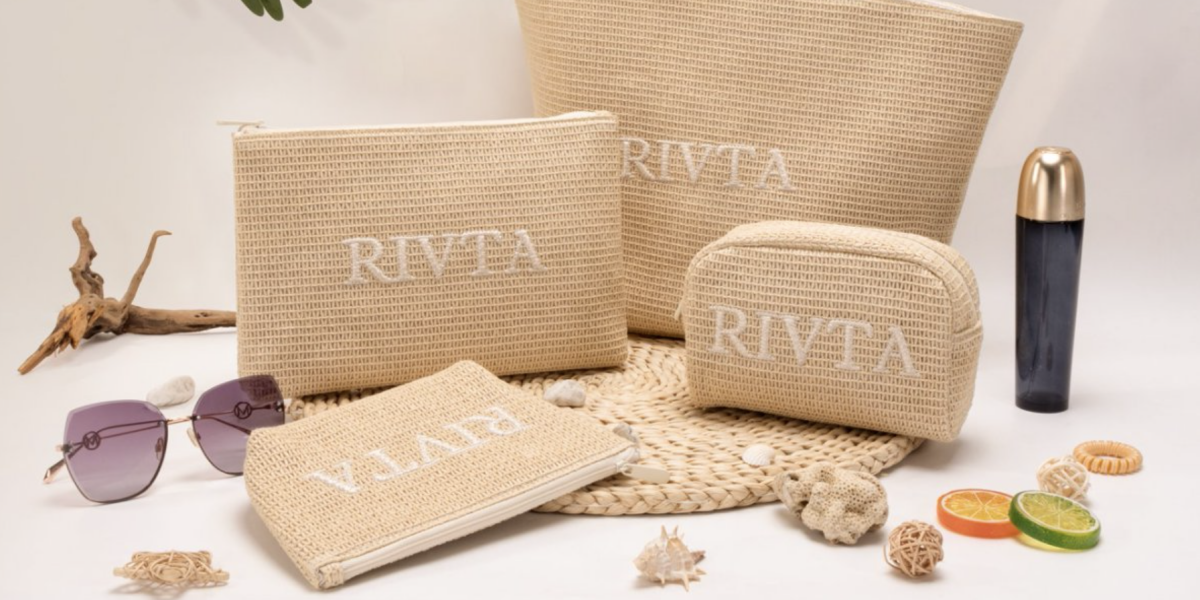
Starting from an existing design direction does not mean the final product is generic. It means the buyer uses a known structure as a starting point, then changes the parts that matter to the campaign: material, color, logo, dimensions, structure details and packaging. For many Beauty GWP projects, this is more practical than inventing every seam and pattern from zero.
This route is also easier to quote honestly. If the supplier can identify the closest existing shape first, the buyer can review a mock-up and confirm whether the project is still a light adaptation or becoming semi-custom. Only after that route is confirmed should the quote be treated as meaningful.
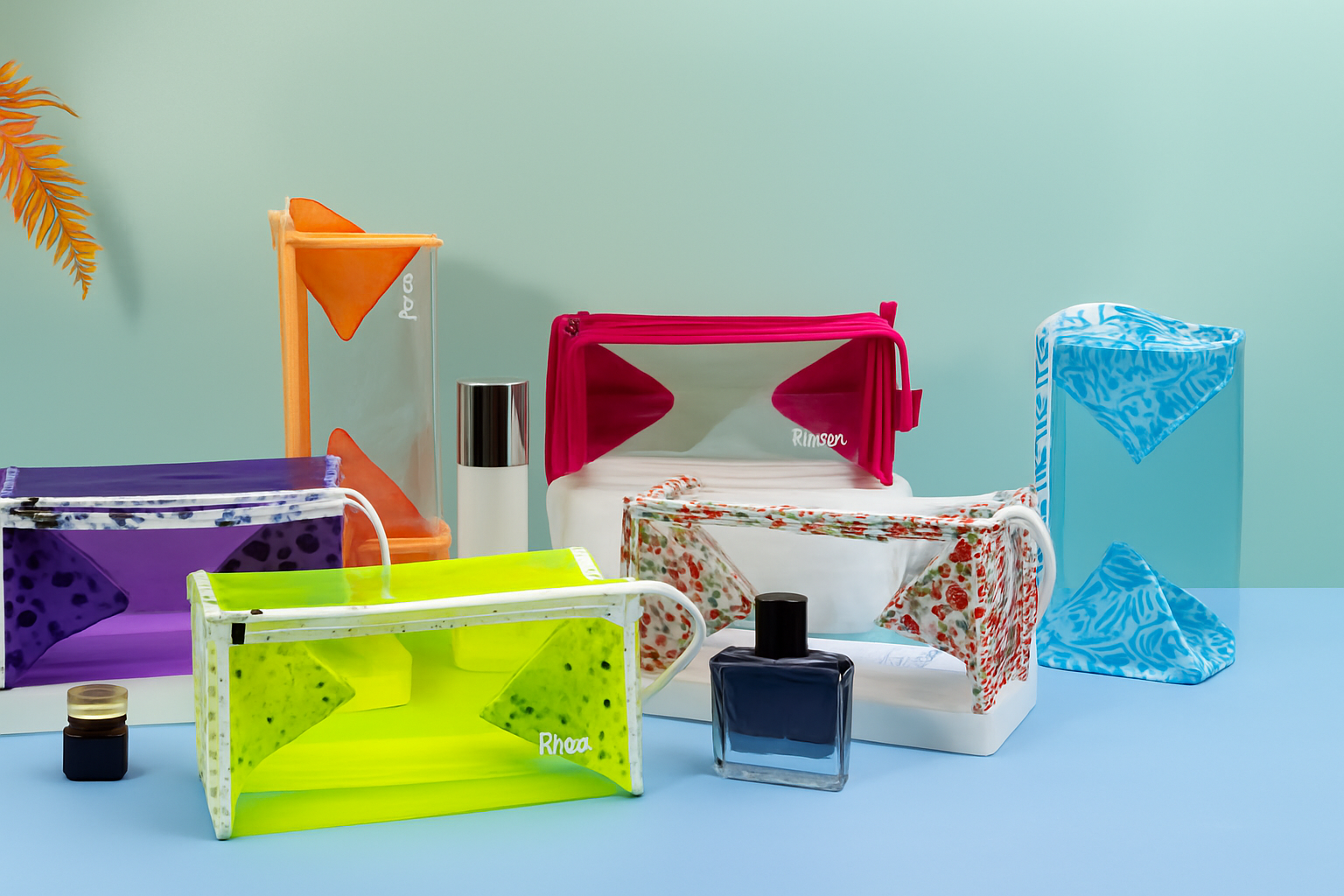 Existing style base Existing styles give buyers a faster design base before material, size and logo decisions. |
 Semi-custom details Semi-custom work often lives in the details: logo method, zipper puller, trim and finishing. |
When is existing style adaptation the right answer?
Existing style adaptation is the cleanest route when speed matters and the buyer does not need a brand-new shape. It is especially useful for first-time Beauty GWP buyers, seasonal promotions and simple cosmetic pouch requests where logo, color and packaging do most of the brand work.
| Buyer need | Existing style works if | Buyer should provide |
|---|---|---|
| Fast GWP pouch | Existing size and opening can fit the products. | Product dimensions, quantity, logo and launch date. |
| Private label cosmetic bag | The base design already matches the desired use case. | Logo file, color direction and packaging need. |
| Seasonal campaign | The campaign can rely on color, insert card and branding. | Theme, artwork, target delivery and approval owner. |
| Budget-controlled program | No new pattern, tooling or complex structure is needed. | Budget range and acceptable existing style options. |
When does a project become semi-custom?
Semi-custom is the most common practical route for Ecorivta: the buyer starts from a known design direction and changes more than surface branding. This may include material, color, logo, size, lining, zipper, puller, structure, insert card, sleeve, carton mark or product-fit adjustment. It gives the brand more control without forcing a blank-page OEM process. When recycled or other documented material routes are involved, material proof scope [3] should be clarified before artwork approval. If the route includes paper sleeves or hangtags, paper label scope [7] should stay separate from the bag material claim.
| Change requested | Why it matters | Approval needed |
|---|---|---|
| Material change | Handfeel, color, MOQ and timing may change. | Material swatch and sample approval. |
| Size change | Product fit, structure and carton packing may change. | Product-fill and packed sample approval. |
| Logo / trim change | Print, embroidery, patch or puller can change perceived value. | Artwork sample and placement approval. |
| Packaging change | Insert card, sleeve, barcode and carton mark affect cost and timeline. | Packaging proof before bulk. |
| Structure adjustment | Opening, gusset, lining or pocket change may affect pattern. | Revised sample and fit test. |
When does full OEM make sense for a cosmetic bag program?
Full OEM belongs to projects where the buyer brings a design file, tech pack, detailed structure brief or strong brand-owned product direction. It makes sense when the buyer needs a new shape, exclusive structure, unique opening, custom hardware, special function or a long-term retail program. It is less suitable when the buyer only needs a faster Beauty GWP gift pouch.
| Full OEM signal | What the buyer should prepare | Why it matters |
|---|---|---|
| New shape or pattern | Dimensioned design, product fill and function notes. | Supplier cannot quote accurately from a mood image alone. |
| Custom hardware | Puller, buckle, frame, charm or mold direction. | Tooling, finish, scratch and sample timing may change. |
| Brand-owned retail item | Tech pack, material spec, artwork and tolerance. | OEM needs stronger documentation and approval control. |
| Premium long-term program | Budget, MOQ, sample rounds and launch calendar. | OEM development should not be compressed like a quick GWP. |
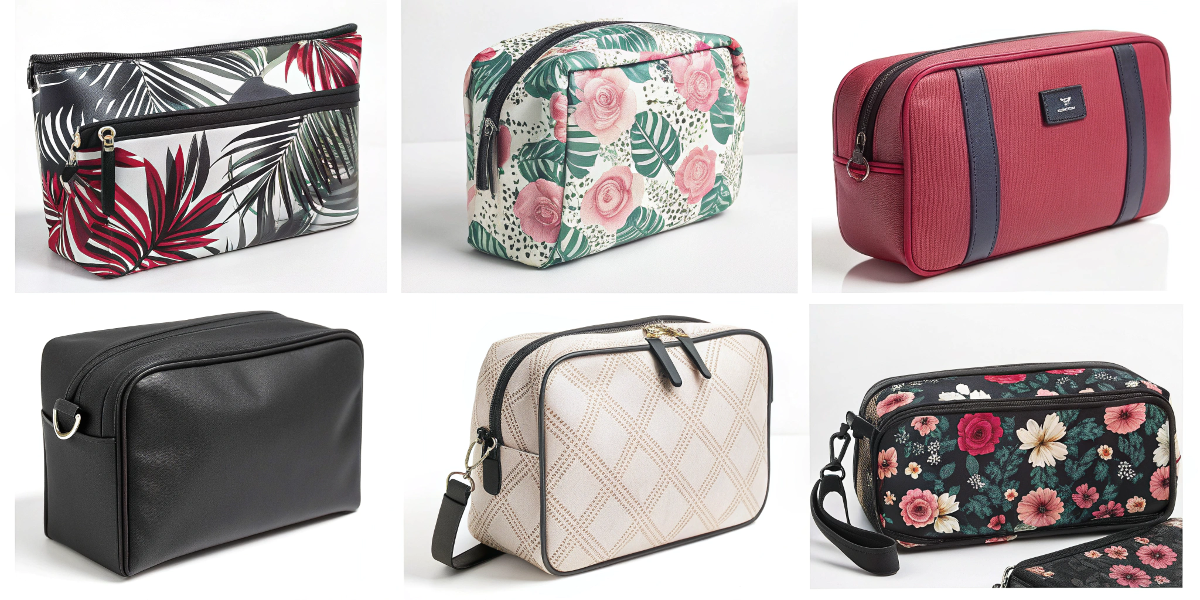 Existing style Use a known cosmetic bag direction when speed, quote clarity and lower development risk matter. |
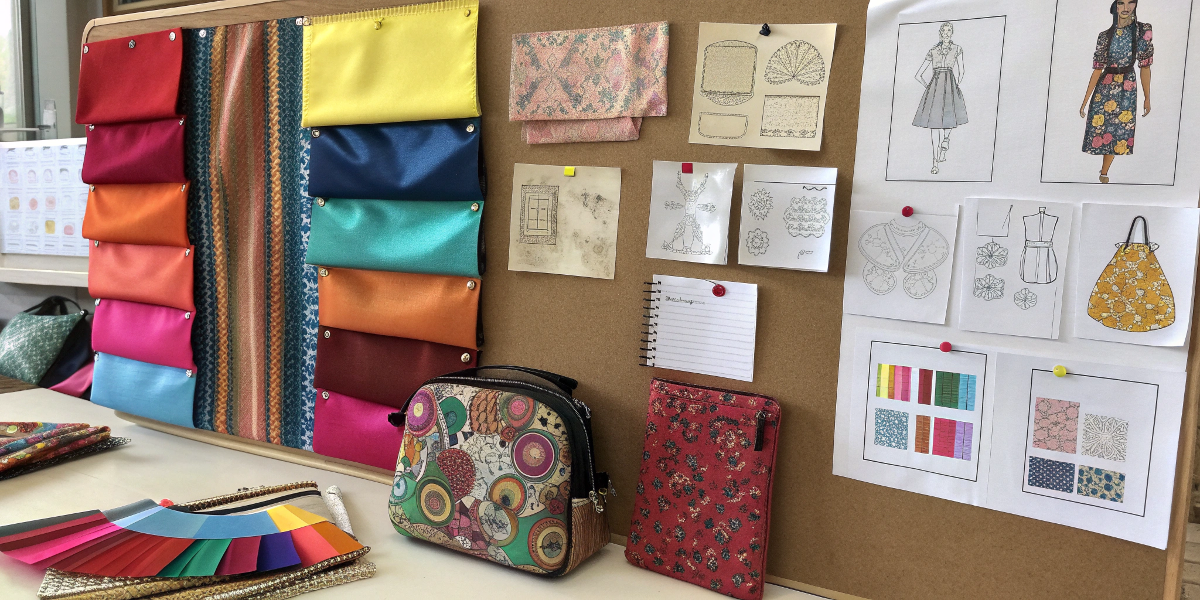 Semi-custom route Change material, color, logo, size, structure or packaging while keeping a practical base. |
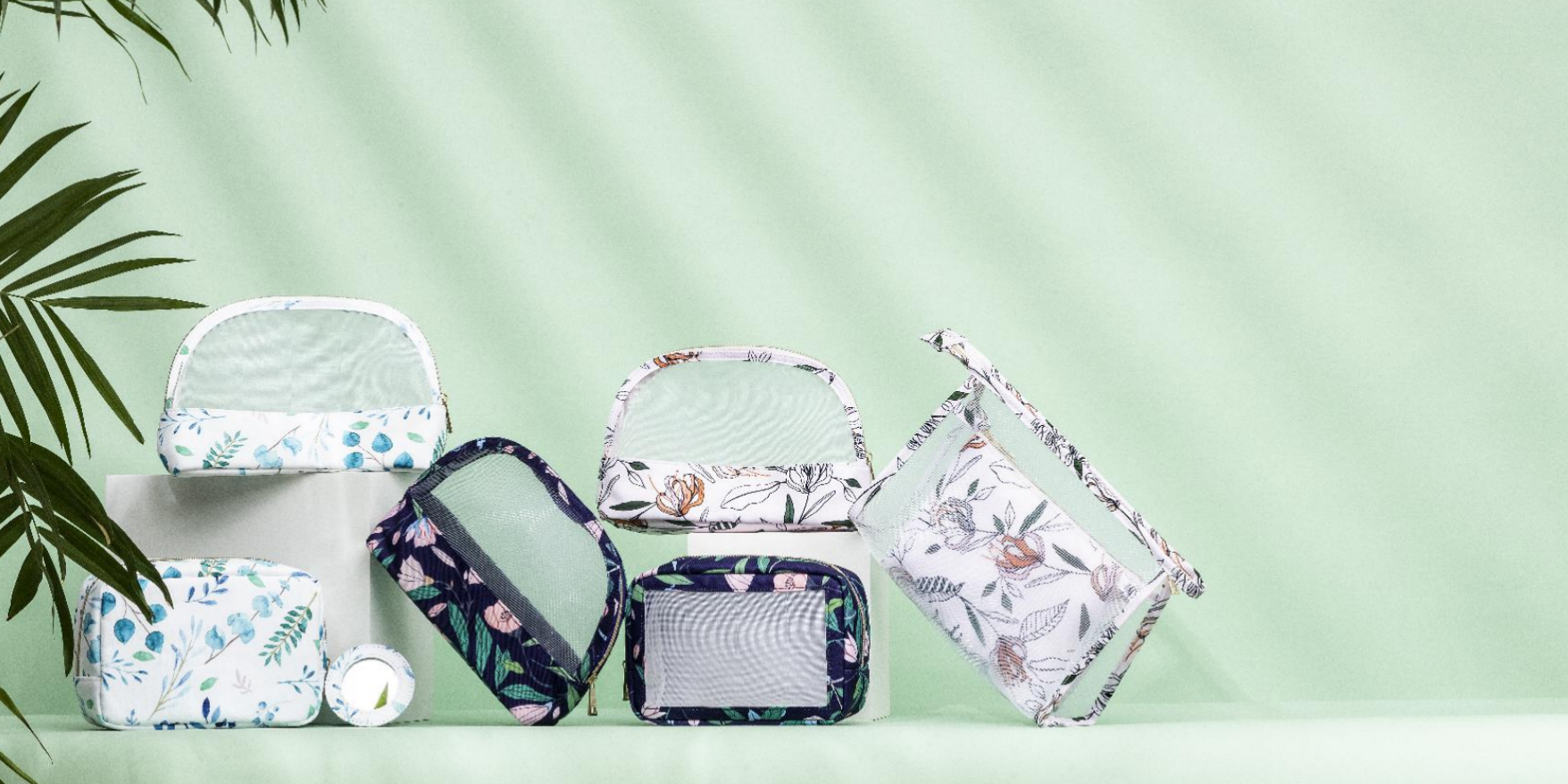 Full OEM Use full OEM when the buyer has stronger design files, technical requirements and development budget. |
How should buyers choose the route from their actual situation?
| Buyer situation | Recommended route | Why |
|---|---|---|
| Need fast GWP with logo | Existing style adaptation | Existing structure saves time and quote uncertainty. |
| Need color, logo and insert card | Existing style or semi-custom | Brand expression can come from surface and packaging changes. |
| Need size change to fit real products | Semi-custom | Product fill must be checked before bulk. |
| Need new material plus zipper/puller changes | Semi-custom | More approval gates are needed but full OEM may not be necessary. |
| Need custom shape or unique structure | Full OEM | Structure must be developed, sampled and tested. |
| Have complete tech pack | Full OEM | Supplier can follow buyer-owned specification. |
| Only have reference image | Existing style search first | A reference image is not enough for reliable OEM quoting. |
What happens when a buyer only sends a reference image?
A reference image can show style direction, but it is not a production brief. Ecorivta usually looks for the most similar existing style or structure first, prepares a mock-up for buyer confirmation, and quotes after the route is clearer. That process protects both sides. It helps the buyer see whether the concept can be adapted from a known model, and it prevents the supplier from pretending that a full OEM quote is accurate when product fill, size, material and budget are not known.
| Buyer sends | Ecorivta next step | What must be confirmed before quote |
|---|---|---|
| Reference image only | Find closest existing style direction. | Size, product fill, material, logo and quantity. |
| Reference image plus brand color | Create mock-up around similar style. | Pantone, logo position and packaging scope. |
| Reference image plus product sizes | Check whether an existing structure can fit. | Opening, gusset, zipper, lining and packed sample need. |
| Reference image plus tech pack | Evaluate whether it is full OEM. | Pattern, material spec, tolerance and ownership notes. |
How do sample approval responsibilities change by route?
The more the buyer changes from an existing structure, the more sample approval becomes part of the project cost and timeline. Existing style adaptation may only need logo, color and packaging confirmation. Semi-custom needs material, size, lining, zipper, product fit and packed sample checks. Full OEM needs structure, function, material, artwork, tolerance and repeated development review.
| Route | Sample focus | Buyer approval risk |
|---|---|---|
| Existing style adaptation | Logo, color, simple packaging and product fit. | Assuming base model can change without consequence. |
| Semi-custom | Material, size, lining, zipper, logo, packaging and packed sample. | Adding too many changes after first sample. |
| Full OEM | Pattern, structure, function, material, trim, tolerance and bulk feasibility. | Approving visual direction before technical fit is stable. |
How do MOQ, cost and timeline change across the three paths?
Route choice affects cost and MOQ because it changes pattern work, material sourcing, component sourcing and sample rounds. Existing style adaptation is usually the most efficient. Semi-custom is often the best balance for Beauty brand cosmetic bag programs. Full OEM requires stronger MOQ, budget and timeline discipline. Exact MOQ depends on material availability, component supplier, logo method, packaging scope and production route. Sampling inspection standards [6] are a useful reminder that larger or more complex runs also need clearer acceptance planning.
| Route | Typical planning logic | Why |
|---|---|---|
| Existing style adaptation | Often more realistic around 500-1,000+ when changes are simple. | Known structure, simpler sample and lower development risk. |
| Semi-custom | Often more realistic around 1,000-3,000+ depending on material and parts. | Material, size, trim and packaging changes need more control. |
| Full OEM | Often more realistic around 3,000-5,000+ for serious new development. | New pattern, engineering work, sample rounds and component decisions matter. |
How should route choice affect launch timing?
Existing style adaptation can move faster if material, logo and product dimensions are ready. Semi-custom needs more time for material and packed sample approval. Full OEM needs a development buffer and revision time. The full launch timeline should be planned separately; this route guide helps the buyer avoid choosing a development path that cannot fit the campaign window.
If the launch date is tight, Ecorivta may recommend staying closer to existing style or semi-custom changes rather than opening a full OEM structure. If the buyer needs custom material, that material work can add a fixed time block. If the buyer adds full-panel print plus another process, decoration can also add days. Those timing decisions should be made before the first sample route is locked.
What design ownership and reference-image boundaries should be clear?
A reference image can guide style direction, but it should not be treated as permission to copy another brand’s design. In existing style adaptation, the buyer is usually using the supplier’s available design direction. In full OEM, the buyer may bring their own design files, artwork, tech pack and brand-owned requirements. Pattern ownership, custom mold, hardware, exclusivity and logo trademark responsibility should be clarified when the project requires it. Environmental and product claims [2] should also stay within the proof and wording scope when branding is added.
| Design input | Safe interpretation | What to clarify |
|---|---|---|
| Reference image | Style direction only. | Do not copy competitor design directly. |
| Supplier existing style | Adaptable base model. | What can and cannot change. |
| Buyer artwork | Logo and visual identity input. | File ownership and approval responsibility. |
| Tech pack | Buyer-led OEM specification. | Tolerance, pattern, component and sample gates. |
| Custom hardware or mold | Potential tooling route. | Cost, lead time, ownership and exclusivity. |
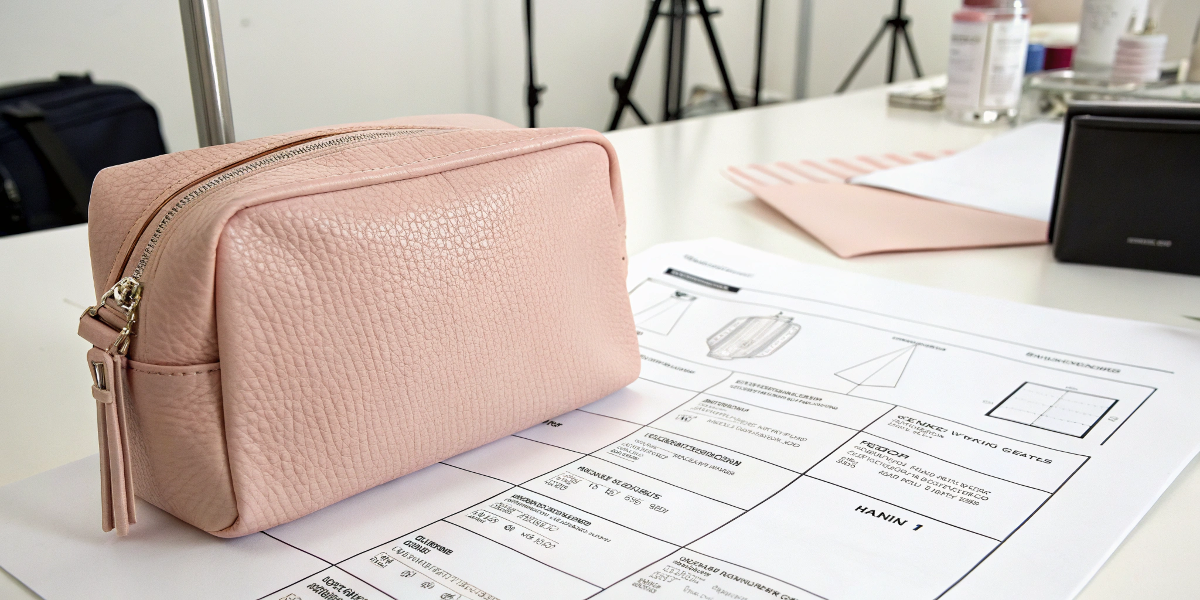 Brief route Route choice becomes easier when product fill, artwork, material and launch date are attached early. |
 Timeline route Existing style, semi-custom and full OEM each create different approval pressure. |
 Approval route Send reference images, product sizes and design files so Ecorivta can recommend the right path. |
When should Ecorivta recommend against full OEM development?
Full OEM is valuable when the buyer has a real reason for it. It is not always the best answer. Ecorivta may recommend against full OEM when MOQ is too low, launch date is too urgent, budget is too limited, the buyer has no product dimensions, or the buyer only has a reference image with no technical details. In those cases, existing style adaptation or semi-custom development often protects the project better.
| Situation | Why full OEM is risky | Better first route |
|---|---|---|
| MOQ is too low | Development cost and sample work may not be justified. | Existing style or light semi-custom. |
| Launch date is too urgent | New pattern and revision time cannot be skipped safely. | Existing style with controlled branding. |
| Budget is too limited | Custom material, hardware and sampling can exceed project scope. | Known structure with material/logo changes. |
| Product sizes are missing | Structure cannot be tested properly. | Mock-up after product-fill confirmation. |
| Only a competitor image is provided | Copying design creates ownership and feasibility risk. | Closest existing style direction. |
What does a cosmetic bag route-cleanup case teach?
Composite anonymized scenario: A skincare buyer sent a reference photo and asked Ecorivta to make the same cosmetic pouch for a Beauty GWP campaign. The buyer called it a custom OEM project, but there was no tech pack, no product dimensions and no material spec. Instead of quoting a full OEM route immediately, Ecorivta searched for the closest existing structure, prepared a mock-up with the buyer’s logo and color direction, and asked for the real skincare product dimensions. Textile safety context [4] can also become relevant later when material requirements are added.
After the buyer confirmed the mock-up, the route changed from unclear full OEM to semi-custom: existing structure, adjusted size, new color, logo placement, insert card and packaging. The team then separated the decisions that had been mixed together in the first email. Size was checked against the skincare jar and tube set. Material was treated as a campaign-positioning choice, not just a photo match. Logo placement was reviewed on the actual front panel, and packaging was kept simple enough for the launch date.
The quote became more realistic because the supplier no longer had to guess whether the buyer wanted a copied structure, a full new pattern or a practical adaptation. Sample risk went down, and the buyer could still achieve a branded result without paying for unnecessary blank-page development. The lesson is simple: many Beauty GWP cosmetic bag projects need smarter adaptation, not full reinvention. Full OEM should be used when it solves a real product, ownership or retail need, not because the word custom sounds stronger in the first email.
Anonymous feedback from brand buyers
Names are withheld because these points summarize recurring development-route concerns Ecorivta hears from beauty brand, procurement and product-development conversations.
| Buyer role | Feedback | Practical lesson |
|---|---|---|
| Beauty founder, name withheld | “We said OEM because we wanted our logo and color, but we did not actually need a new structure.” | Separate branding customization from full structure development before asking for price. |
| Product development manager, name withheld | “The reference image helped explain style, but the supplier still needed product dimensions and packing scope.” | A reference image should lead to route review, not immediate full OEM quotation. |
| Procurement buyer, name withheld | “Semi-custom gave us enough brand control without adding avoidable sample rounds before launch.” | Use semi-custom when material, logo, size and packaging changes can achieve the campaign goal. |
What can Ecorivta deliver for route-heavy cosmetic bag programs?
Ecorivta is a better fit when the buyer can share a reference image, product dimensions, quantity, logo file, material direction, packaging need, budget range and launch date. With those inputs, the team can find the closest existing structure, prepare a mock-up and recommend whether the project should stay existing style, move semi-custom or become full OEM.
Full OEM is usually not the right first answer when a project has very low MOQ, an urgent launch date, missing product dimensions, no logo file, no approval owner or only a competitor screenshot. In those cases, existing style adaptation or semi-custom development often gives the buyer a more realistic route.
Which related guide should buyers read next?
| Buyer question | Next page | Why |
|---|---|---|
| Need the broader OEM vs ODM decision? | OEM vs ODM guide | Use this for general procurement route definitions. |
| Need RFQ attachments? | Send RFQ attachments | Use this when product fill, artwork, claim and packaging fields need review. |
| Need material choice? | Cosmetic bag material guide | Use this for material decision before route lock. |
| Need launch timing? | Send launch timing | Use this for approval gates and shipment planning. |
| Need campaign context? | Beauty GWP Solutions | Use this for Beauty GWP program context. |
| Ready to choose route? | Contact Ecorivta | Send reference image and project fields for route review. |
Copy-ready cosmetic bag route review brief
- Project type: Beauty GWP cosmetic pouch / makeup bag / clear bag / skincare gift bag / fragrance pouch.
- Current design input: reference image, existing Ecorivta style, mock-up request, buyer design file or full tech pack.
- Customization needed: color, logo, material, size, structure, lining, zipper, puller, insert card, sleeve or carton mark.
- Product fill: product dimensions, quantity, weight and whether real products can be sent for fit testing.
- Route preference: existing style adaptation, semi-custom or full OEM, if known.
- Commercial limits: quantity, budget range, launch date, destination market and sample deadline.
- Ownership question: buyer-owned design, supplier existing style, custom mold/hardware or exclusivity need.
Send these fields through the Ecorivta contact page. Ecorivta can review whether the project should start from an existing style, semi-custom route or full OEM development.
Need help choosing the right cosmetic bag development route?
Share your reference image, product dimensions, customization needs, quantity, budget and launch date. Ecorivta can find the closest existing structure, prepare a mock-up and recommend whether the project should stay existing style, move semi-custom or become full OEM.
FAQ
Do most Beauty brand cosmetic bag projects need full OEM?
No. Most projects can start from existing design directions and become light ODM or semi-custom. Full OEM is better when the buyer has a design file, tech pack or strong need for a new structure.
What does custom usually mean in Ecorivta projects?
It usually means adapting an existing design: changing color, logo, material, size, structure or packaging so the bag can fit the buyer’s products and campaign style.
What should a buyer do if they only have a reference image?
Send the reference image with product dimensions, quantity, material direction, logo and launch date. Ecorivta can find a similar existing style and prepare a mock-up before quoting.
When should a buyer avoid full OEM?
Avoid full OEM when MOQ is too low, launch timing is too urgent, budget is too limited or the buyer does not have product dimensions, artwork and development details ready.
Can semi-custom still feel exclusive?
Yes. Material, color, logo, size, lining, zipper, puller, insert card and packaging can create a strong brand result without starting from a blank pattern.
Trademark notice
Brand, standard, platform and design references in this guide belong to their respective owners. References are used only to explain buyer-side development route, sample approval and RFQ planning. Ecorivta does not claim endorsement by any third party or permission to copy third-party designs.
About the author
Lina Lv is Brand & Product Specialist at Ecorivta, working with beauty brands, importers and sourcing teams on custom cosmetic bags, clear pouches and sewn beauty accessories. Her project work focuses on translating buyer briefs into sample development, material confirmation, logo approval, packing scope, QC evidence and shipment handoff. Ecorivta is operated by Rivta Culture Equipment and backed by a Dongguan factory group with long-term experience in sewn bags and accessories.
Sources
- International Organization for Standardization, ISO 9001 quality management. Source ↩
- U.S. Federal Trade Commission, Green Guides environmental claims summary. Source ↩
- Textile Exchange, recycled standards. Source ↩
- OEKO-TEX, STANDARD 100. Source ↩
- World Intellectual Property Organization, introduction to intellectual property. Source ↩
- International Organization for Standardization, ISO 2859-1 sampling procedures for inspection by attributes. Source ↩
- Forest Stewardship Council, FSC label guidance. Source ↩