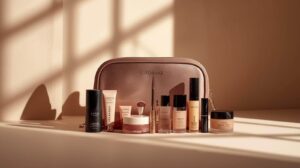
A hair accessories manufacturer brief for a beauty brand launch kit should connect product use, target price, launch timing, component mix, logo route, packing, certificate needs and sample approval. Without those decisions, a buyer may receive a quote for one product while the real launch kit needs scrunchies, headbands, clips, hair towels, eye masks and a pouch together.
Ecorivta has historically been strong in cosmetic bags, but beauty buyers now ask for more sewn and small accessory routes around launch kits and GWP programs. Hair accessories are not only add-on items. They can carry color stories, perceived value, retail display and repeat campaign logic when the brief is built before the first quote.
This brief is written for beauty brands, haircare brands, DTC teams, retail private label buyers and GWP programs that need MOQ 500+ production with sample-first review.
Table of Contents
- Quick Summary
- Why should the launch kit brief come before product selection?
- Which hair accessories belong in a launch kit brief?
- How should target price guide the route?
- What should buyers confirm by product type?
- How do logo, packing and certificate files affect quotation?
- How should MOQ, sample timing and bulk timing be written?
- What should buyers send to Ecorivta?
- What can Ecorivta deliver for hair accessory launch kit briefs?
- FAQ
Quick Summary
A hair accessories launch kit brief should state product use, target price, launch timing, component mix, SKU split, logo route, packing scope and certificate needs before quotation. Ecorivta can review scrunchies, headbands, clips, hair towels, eye masks, pouches and coordinated sets from MOQ 500+ planning ranges, then recommend existing-style adaptation or custom routes based on budget, sample timing and approval files.
Why should the launch kit brief come before product selection?
A launch kit is not a random group of accessories. It usually has a campaign goal, target market, launch window, target price, color story and packing hierarchy. Ecorivta’s beauty GWP accessories hub [1] helps buyers compare scrunchies, headbands, clips, hair towels, eye masks, pouches and other sewn accessories before the product list is locked.
If a buyer starts by asking only for “hair accessories,” the supplier may not know whether to prioritize a retail-ready scrunchie, a spa headband, an acetate hair clip, a microfiber towel or a pouch set. The brief should explain whether the item is a gift, retail product, salon launch item, skincare set component, subscription box item or hospitality program. That choice affects material, logo, packing and quality control.
| Brief signal | Strong launch-kit fit | Needs more detail first |
|---|---|---|
| Program | Beauty, haircare, skincare, spa, retail, subscription or hospitality launch. | One-off personal purchase or no-brand resale request. |
| Quantity and timing | MOQ 500+ planning quantity with sample target and launch window. | No quantity, no sample path or no real deadline. |
| Files | Target price, color, logo, packing, certificate and SKU inputs. | Price-only inquiry without product use or packing information. |
Which hair accessories belong in a launch kit brief?
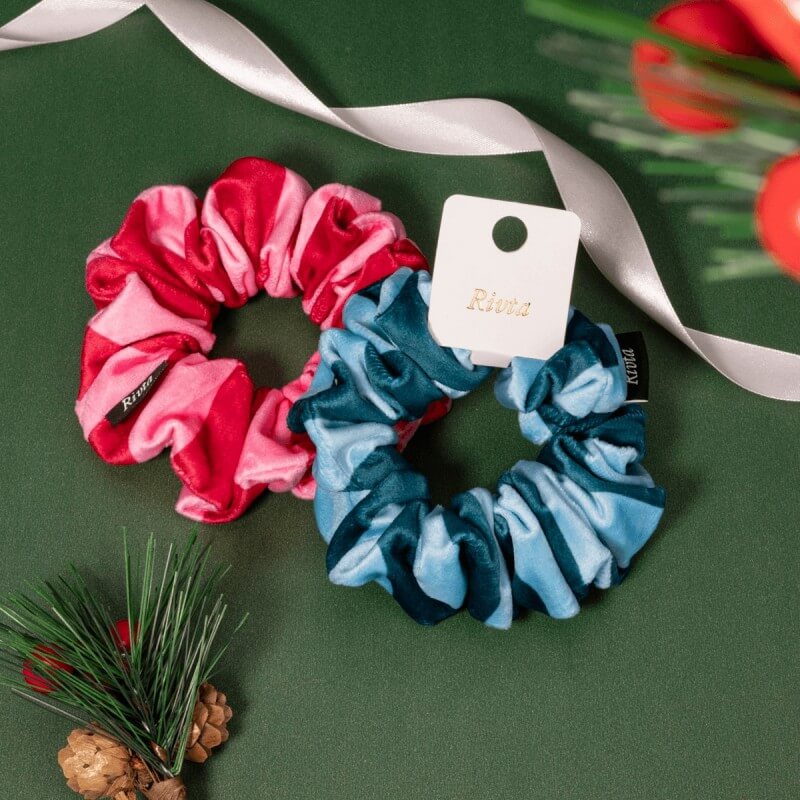
The most common launch kit component question is not “which item is best?” It is “which combination supports the campaign?” A haircare launch may need a scrunchie and towel. A skincare GWP may need a spa headband and pouch. A sleep or wellness set may need an eye mask and soft accessory pouch. A retail program may need carded clips or scrunchies with barcode and market version.
| Component | Brief detail to send | Common risk if missing |
|---|---|---|
| Scrunchie | Material, color, logo label, use case, packing and target price. | Logo scale or fabric route changes after quotation. |
| Headband | Material, length, width, elastic strength, logo and skincare/spa use. | Fit and use case are unclear before sampling. |
| Hair clip | Existing style vs new mold, size, color, logo, card and quality check. | Tooling or card file changes after quote. |
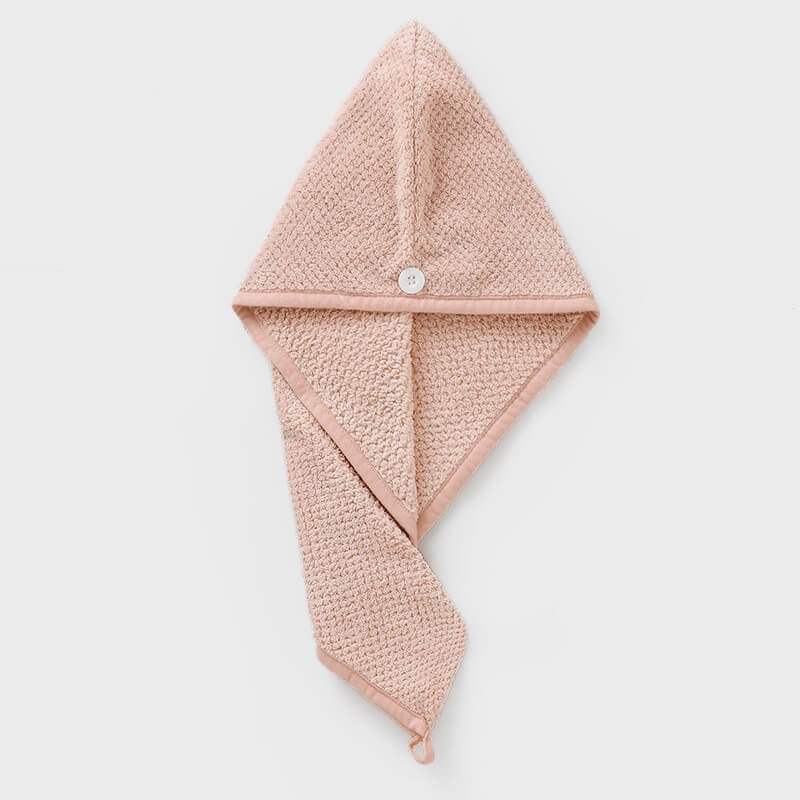
| Hair towel | Material, size, absorbency direction, button/loop, logo and carton packing. | Sample looks right but packout or carton plan changes. |
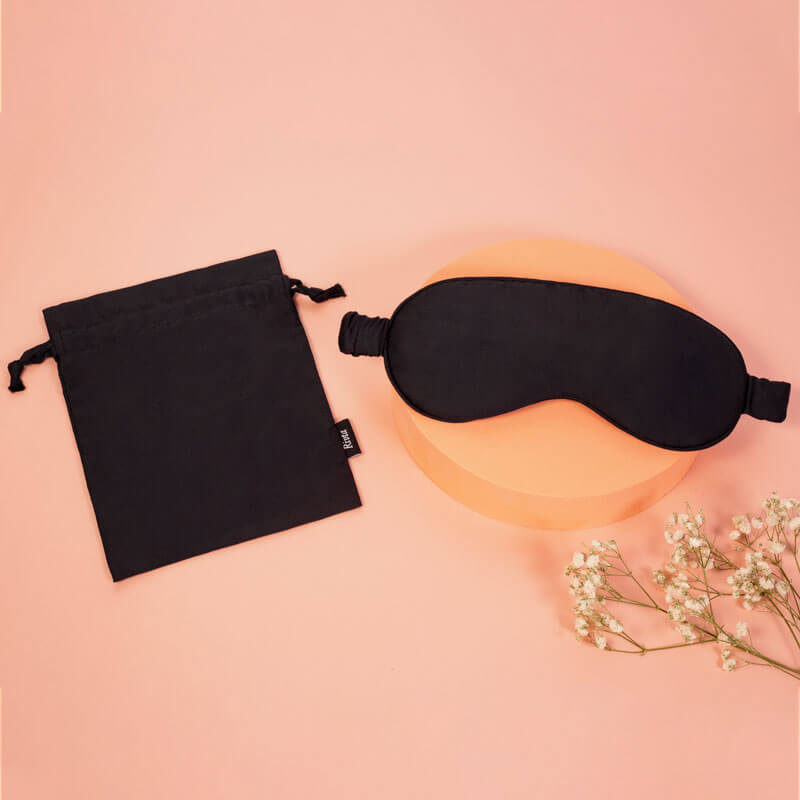
| Eye mask | Material, filling, strap, blackout direction, set packing and certificate need. | Comfort and packing file are added too late. |
| Pouch or cosmetic bag | Size, material, logo, packing hierarchy and set role. | The pouch becomes the packout container after price is fixed. |
How should target price guide the route?
Target price is one of the most useful details in the first brief because Ecorivta has many material and construction routes. A buyer who wants a premium glossy scrunchie may review silk or rPET satin. A skincare kit may need a terry or microfiber headband. A retail clip program may need existing molds before any custom shape is considered. Without target price, the first route may look good but fail internal approval.
Target price also helps the manufacturer decide what should carry the branding. A small scrunchie label may not hold fine logo details, so the backing card or pouch may need to carry the stronger mark. Custom branded beauty accessories [2] often need separate logo logic by product because clips, headbands, towels and pouches have different surface limits.
Request Route Advice for a Launch Kit
What should buyers confirm by product type?
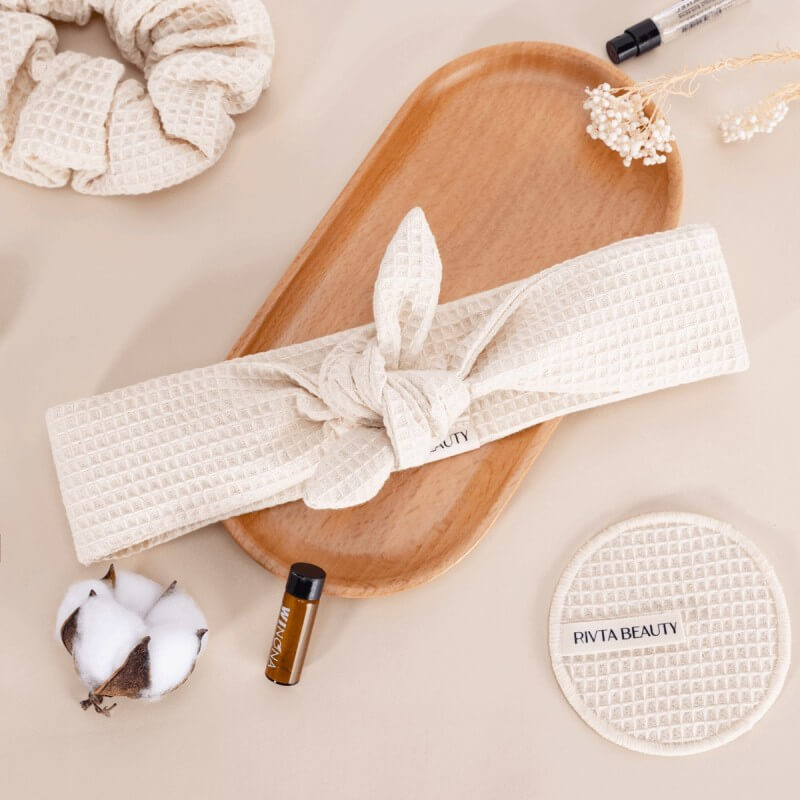
Each accessory type has a different decision point. Scrunchies need material, color, use case and logo scale. Scrunchies can be retail carded, gifted inside a pouch or paired with a headband, so the material route should be tied to the launch kit role. Headbands need material, length, elastic strength and skincare or spa use because comfort and fit affect the buyer’s approval.
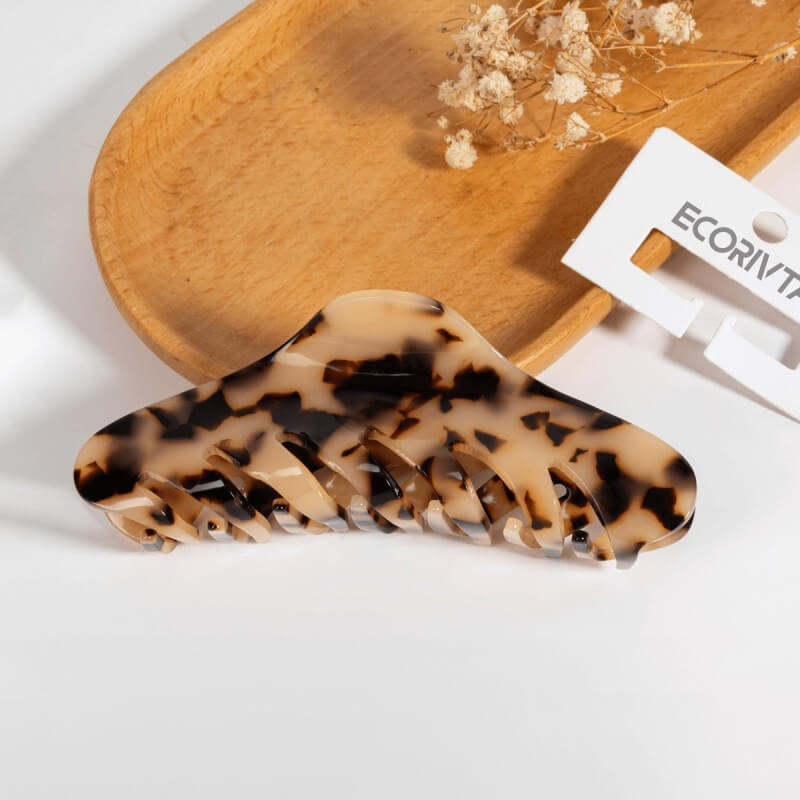
Hair clips need a clear answer on existing style versus new mold. Hair clip programs may use acetate, resin, metal or existing style routes, and the buyer should confirm logo method, color, backing card and clip quality checks before bulk planning. Hair towels need material, size, button/loop direction, absorbency review and carton packing because they occupy more space than small accessories.
| Product route | First confirmation | Approval file to prepare |
|---|---|---|
| Scrunchie | Material, color, target price and product use. | Logo label proof, backing card and packing file. |
| Headband | Material, length, elastic strength and skincare/spa use. | Size confirmation, logo proof and sample fit comments. |
| Hair clip | Existing style or new mold direction. | Artwork, color reference, card file and clip check notes. |
| Hair towel | Material, size, button/loop direction and set role. | Sample photo, packing hierarchy and carton plan. |
How do logo, packing and certificate files affect quotation?
Logo and packing files often cause re-quotation because they are added after the first price. A launch kit may need a product logo, package logo, backing card, hangtag, sleeve, individual polybag, pouch set packing, carton mark and barcode. If those files are missing, the supplier can only quote a partial route, not the real kit that the buyer will approve.
Certificate needs should also be stated before quotation. OEKO-TEX STANDARD 100 [3] relates to tested harmful substances within its own standard scope, while recycled-content and paperboard claims use different document paths. Textile Exchange standards [4] and FSC paperboard direction can be relevant when the brief includes material or backing card documentation.
How should MOQ, sample timing and bulk timing be written?
MOQ 500+ can be used as a planning range for many accessory routes, but the exact route depends on material, color, style, logo, packing and certificate needs. Sampling may take about 7-10 days depending on the process. Bulk production may take about 30-50 days depending on material availability, approval speed and packing complexity. These are planning ranges, not fixed promises.
Launch timing should be shared early because hair accessory kits often involve more than one item. A scrunchie, headband and pouch may each have separate sample decisions, while a retail pack may need barcode, card and carton approval. FSC [5] can be relevant when a buyer requests documented paperboard for cards, sleeves or displays.
What should buyers send to Ecorivta?
The best first message is a short launch kit brief, not a long unclear request. Send the product list, whether each item is for gift or retail sale, target price, launch timing, quantity split, logo files, color direction, packing scope, certificate needs and target market. If the buyer has only a concept, Ecorivta can first ask what the product is for and what target price the buyer needs, then recommend suitable existing-style adaptation or custom routes.
For small accessories, do not assume the same logo route works across the set. A scrunchie may need a small label. A headband may need embroidery or woven label. A clip may need card branding or a simple mark. A towel may need embroidery, woven label or package branding. Small accessories need separate logo decisions [6] because fabric, plastic, towel and pouch surfaces do not hold artwork in the same way.
| Brief section | What to send | Why it matters |
|---|---|---|
| Launch role | GWP, retail, PR kit, salon, subscription, spa or hospitality program. | Sets quality, packing and perceived-value expectation. |
| Component list | Scrunchie, headband, clip, towel, eye mask, pouch or set combination. | Prevents quoting one item when the kit needs several. |
| Target price | Unit target, kit target or route budget. | Controls material and logo recommendation. |
| Timing | Sample target, approval date, ship date and launch date. | Shows whether the route is realistic. |
| Files | Logo, color, packing, barcode, carton mark and certificate needs. | Prevents re-quotation and sample rework. |
What can Ecorivta deliver for hair accessory launch kit briefs?
| Buyer situation | Ecorivta can help by |
|---|---|
| Beauty brands, haircare brands, skincare brands, DTC teams, retail private label buyers, subscription programs and spa or hospitality gifting teams planning a coordinated hair accessory or beauty GWP launch kit. | Reviewing component mix, target price, launch timing, SKU split, logo route, packing files, certificate needs and sample approval sequence before quotation. |
| Programs where scrunchies, headbands, clips, hair towels, eye masks and pouches need to share color, logo, packing and shipment planning. | Recommending where existing-style adaptation is enough, where custom adjustment is needed and which packing files must be approved before sampling. |
| Single-piece buying, no-brand resale sourcing, stock-only urgent requests or price-only inquiries with no product use, target price, launch timing, logo files or packing scope. | Explaining which brief inputs are still needed before Ecorivta can support a controlled launch-kit route. |
Composite case: a 2026 Q2 UK skincare launch kit brief changed from one headband request into a multi-accessory program
Initial brief
In a 2026 Q2 UK skincare launch review, a buyer first asked for a spa headband with a soft fabric and simple logo. The request looked like a single-product quote, but the launch calendar also included a pouch, scrunchie and eye mask for different market versions. Target price, certificate needs and packing hierarchy were not included in the first message.
Problems found before quotation
The headband route could not be quoted correctly without the kit context. Once the pouch and eye mask were added, color matching became more important. The logo had to move between product label and package branding depending on item size. The buyer also needed individual polybag, backing card, carton mark and market-version split, which changed the quote structure.
Correction path
Ecorivta rebuilt the brief around launch role, component list, target price, launch timing, SKU split and approval files. The buyer kept the spa headband as the hero accessory, but moved stronger branding to the pouch and card. The scrunchie used a simpler label, and the eye mask was reviewed as a secondary gift component with separate packing notes.
Lesson
The useful brief was not longer. It was ordered differently. Product use, target price, launch date and component mix came before material and logo decisions. Once those details were clear, the manufacturer could recommend which items should use existing routes, which needed custom adjustment and which packing files had to be approved before sampling.
Anonymous feedback from launch kit accessory buyers
| Buyer role | Feedback |
|---|---|
| Launch kit project manager, names withheld | “We first asked for a headband quote, but the real program included a pouch and eye mask. Once the supplier asked for the component list and target price, our brief became easier for merchandising and packaging teams to approve.” |
| Retail private label calendar planner, names withheld | “The SKU split mattered more than expected. We had two markets and three colors, so barcode, carton mark and card files had to be included before the supplier could give a useful quote.” |
| Skincare procurement operations lead, names withheld | “Logo placement was different on every item. The headband could use a small label, the clip needed card branding, and the pouch carried the main logo. A launch kit brief helped us avoid one-size-fits-all artwork.” |
FAQ
What should a hair accessories manufacturer brief include?
A hair accessories manufacturer brief should include product use, component list, target price, launch timing, quantity split, color direction, logo files, packing scope, certificate needs and shipment target. It should also say whether the accessories are for beauty GWP, retail sale, skincare kit, haircare launch, subscription box, spa program or hospitality gifting.
Which hair accessories are most common for beauty launch kits?
Common routes include scrunchies, headbands, hair clips, hair towels, eye masks, pouches and coordinated sets. The right mix depends on the launch role. Haircare brands may use scrunchies and towels, skincare brands may use spa headbands and pouches, and sleep or wellness kits may use eye masks with soft accessories.
Why does Ecorivta ask for target price before recommending products?
Target price helps Ecorivta recommend realistic material, logo and packing routes. A premium route may look attractive but fail approval if the target price is tight. When the buyer shares price range early, the team can compare existing-style adaptation, material substitution, package branding or simplified logo routes before sampling.
Should buyers choose existing styles or full custom development?
Many launch kits can start from existing styles with color, logo, material or packing changes. Full custom development may be useful for a unique shape, mold or construction, but it usually requires more time, clearer files and higher development control. Buyers should explain the launch window and target price before choosing the route.
What causes re-quotation in hair accessory programs?
Re-quotation often happens when logo files, backing cards, barcode, carton mark, certificate needs, SKU split or target price are added after the first quote. Product use also matters. A gift item, retail item and set component can look similar in a photo but need different packing, quality checks and approval files.
Can Ecorivta help if the buyer only has a concept?
Ecorivta can review early concepts, but the team first needs to understand what the product is for and what target price the buyer needs. After that, Ecorivta can recommend existing style adaptation, material direction, logo route, packing scope and sample plan. A concept can start the conversation, but a launch-ready brief still needs core buying details.
What MOQ and lead time should buyers expect?
Many hair accessory and sewn accessory projects can be reviewed from MOQ 500+ pieces, depending on material, color, style, logo, packing and documentation. Sampling may take about 7-10 days depending on process, while bulk production may take about 30-50 days depending on material availability, approval speed and packing complexity.
Request Launch Kit Brief Review
RFQ contact options
Trademark and certification notice
OEKO-TEX, GRS, FSC, GS1, Pantone and other names mentioned in this article are trademarks or standards owned by their respective organizations. Ecorivta does not claim ownership of these marks. Certification, recycled-content, barcode, color and material documentation should be confirmed by order scope, buyer requirement and the relevant third-party documentation.
Sources
- Use Ecorivta’s beauty GWP accessories hub to compare scrunchies, headbands, clips, towels, eye masks, pouches and other launch kit components. Source ↩
- Use Ecorivta’s custom branded beauty accessories page when buyers need to compare logo routes across small accessories with different surface limits. Source ↩
- OEKO-TEX STANDARD 100 supports discussion of tested harmful substances within its own standard scope and should not be confused with recycled-content, material origin or product-performance claims. Source ↩
- Textile Exchange standards are useful when buyers need to connect recycled-content material claims to defined standard scope and supporting documentation. Source ↩
- FSC can be relevant when buyers request documented paperboard direction for backing cards, sleeves or retail display packaging. Source ↩
- Small accessories need separate logo decisions because fabric, plastic, towel and pouch surfaces do not hold artwork in the same way. Source ↩