Hardware and lining details should solve a Beauty GWP buying task, not decorate the RFQ. The buyer problem is deciding which zipper, puller, lining, label, trim and packing details improve perceived value, protect product fill and create supplier evidence without overbuilding the bag before quote.
TL;DR: Choose hardware and lining details around the campaign job. Buyers should decide whether the GWP needs better opening feel, cleaner interior presentation, stronger product protection, quieter branding or gift-ready packing, then lock RFQ inputs, supplier evidence, internal links and Contact handoff before quote.
Buyer Summary
The procurement conclusion is simple: hardware and lining details should be selected because they support a specific Beauty GWP route. A buyer should not ask for every custom detail at once. The RFQ should define product fill, bag format, zipper route, puller style, lining color, label or patch placement, trim finish, packaging scope, supplier evidence and sample approval owner. If the bag is a volume gift, reliable opening and clean lining may matter most. If it is a premium skincare pouch, a custom puller, quiet label and packed-sample review may carry more value.
Best fit
This guide is best for skincare, makeup, fragrance, haircare, wellness, travel retail and loyalty teams that already know the bag format but need to decide which details deserve RFQ space. It fits campaigns where a zipper puller, slider tone, lining color, woven label, patch, trim, insert card or sleeve can change perceived value without changing the whole product route. It is especially useful when buyers have product fill, target quantity, launch date, artwork direction and campaign tier, but still need to decide whether detail investment should support opening feel, interior visibility, product protection, brand quietness, approval clarity or packed presentation.
Less suitable
This guide is less suitable for teams still choosing the basic product category, size, outer material or campaign strategy. It is also not the right workflow for one-piece personal purchases, blank stock orders, no-brand resale projects or RFQs where no product fill, quantity band, packaging scope or sample date is available. Hardware and lining choices are useful only when the buyer can connect them to product use and approval evidence. This guide does not replace legal review, retailer review, lab testing, customs review or destination-market packaging advice where those steps are required.
How buyers should decide the route
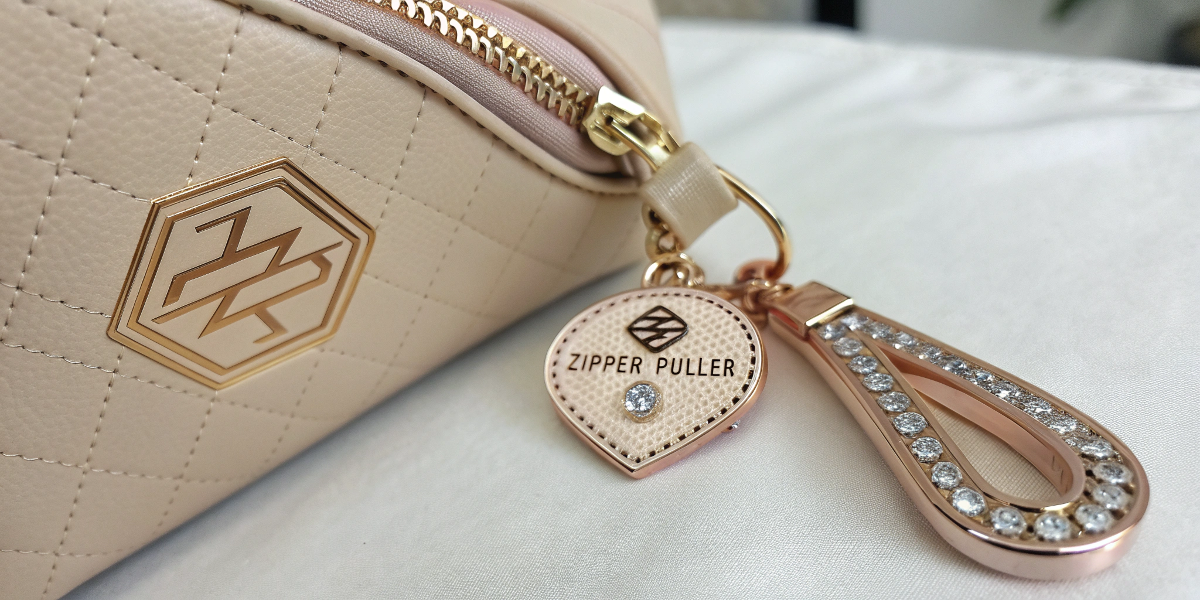
Start with the buyer problem, not the part list. A zipper puller is worth specifying when it changes opening feel or brand touch. A lining is worth specifying when it improves visibility, handfeel, odor control, stain review or product protection. A label or patch is worth specifying when it creates quieter branding than a large print. A sleeve or insert is worth specifying when it carries copy, claim wording or routine instructions better than the bag surface.
Use documented approval language for details that affect repeatability. ISO 9001 quality-management context [1] can support sample and inspection records, while ISTA transport packaging procedures [2] help buyers think about packed-sample protection. For textile linings and soft components, OEKO-TEX STANDARD 100 [3] may be relevant. If material or paper packaging wording appears on insert cards, sleeves or hangtags, buyer review can also reference FTC environmental marketing guidance [4], EU Green Claims direction [5], GRS [6] and FSC [7] when their scope matches the component.
| Situation | recommended route | linked money page |
|---|---|---|
| The gift needs a stronger first touch when opened. | Prioritize zipper puller, slider smoothness, pull strength and opening width. | Beauty GWP Solutions |
| Small skincare or makeup items disappear inside the pouch. | Prioritize lining color, interior contrast, seam finish and filled-sample photos. | Contact Ecorivta |
| Branding should feel quiet and premium. | Use woven label, patch, puller detail or subtle hardware tone instead of a large surface print. | Beauty GWP Solutions |
| Metal trim or pullers may rub during shipping. | Add packed-sample review, sleeve position, tissue, carton mark and compression check. | Contact Ecorivta |
| The team is comparing standard detail route versus custom route. | Request two RFQ lines: available-detail route and custom-detail route with timing and evidence. | Contact Ecorivta |
Sibling Diff: how this page should not compete with nearby Ecorivta pages
| Page | Primary job | This page should own |
|---|---|---|
| Beauty GWP Solutions | Plans the full campaign route across gift categories. | Detail-level choices after the campaign route is known. |
| Beauty GWP perceived value guide | Explains loyalty, reuse and gift perception across the whole GWP. | Zipper, lining, label, trim and packing details that create that value. |
| Cosmetic bag design brief guide | Structures the full bag brief from size to artwork. | Detail decisions once format and outer material are already selected. |
| Product-specific quality demand checklist | Converts buyer needs into inspection requirements. | Detail checks that should enter the QC record. |
| Beauty GWP cost framework | Separates cost drivers and MOQ assumptions. | Which detail choices deserve separate RFQ lines. |
What RFQ inputs should be ready before quote?
The RFQ should show why each detail exists. A supplier can recommend a practical route only when the buyer gives product fill, campaign tier, target quantity, launch timing and sample decision owner. Without those fields, the supplier may quote a decorative part that looks attractive but does not improve use, packing or approval.
| RFQ input | Why it matters | Buyer note |
|---|---|---|
| Product fill | Shows whether lining, zipper opening and puller strength need extra attention. | Share product dimensions, weight, count and packed order. |
| Bag format | Controls zipper length, lining construction, label placement and trim risk. | Confirm pouch, vanity bag, clear pouch, toiletry bag or tote insert role. |
| Campaign tier | Helps decide standard detail, semi-custom detail or custom component route. | State whether the gift is volume, seasonal, premium or travel retail. |
| Detail priority | Prevents too many custom parts from entering the RFQ. | Rank opening feel, interior visibility, quiet branding, trim tone and packing. |
| Supplier evidence | Turns detail requests into approval checkpoints. | Ask for filled photos, puller check, lining note, logo placement and packed sample. |
Which details change perceived value most?
| Detail | Buyer problem solved | Approval evidence |
|---|---|---|
| Zipper puller | Makes first touch feel more intentional and easier to open. | Puller style, finish, logo proof and pull check. |
| Slider and zipper tape | Controls smoothness, color match and reuse feel. | Slider tone, tape color, opening photo and sample approval note. |
| Lining color | Improves interior visibility and unboxing impression. | Lining material, color reference, seam photo and product-fill image. |
| Woven label or patch | Adds quiet branding without taking over the bag face. | Size, placement, stitch color and filled-sample alignment. |
| Metal trim | Adds a premium cue when protected by packing. | Finish note, scratch review, packed sample and carton protection. |
| Insert card or sleeve | Carries routine, claim or campaign copy outside the bag surface. | Artwork version, paper route, packed position and carton mark. |
Which detail choices should be simplified?
Not every Beauty GWP needs a new puller, special lining, patch, sleeve and metal trim. Detail planning works best when the buyer chooses the few details that support the campaign. A skincare launch kit may need lining contrast and insert card more than heavy trim. A travel retail pouch may need zipper opening and packing protection more than a decorative puller. A volume loyalty gift may need clean stitching and a reliable slider more than a custom component.
| Campaign route | Prioritize | Simplify |
|---|---|---|
| Volume loyalty gift | Reliable zipper, clean lining and efficient packing. | New mold, complex trim and multi-layer packaging. |
| Skincare launch kit | Lining color, product visibility, insert card and smooth opening. | Extra metal parts that do not help product presentation. |
| Premium pouch | Puller detail, quiet label, lining handfeel and packed protection. | Oversized branding that makes the pouch feel promotional. |
| Travel retail set | Opening width, interior wipe review, carton mark and sleeve position. | Fragile trim that may mark other items in transit. |
Composite case: when lining and puller choices changed the RFQ
A skincare team planned a medium cosmetic pouch for a seasonal Beauty GWP. The first design brief focused on the outer fabric and front logo, but the buyer wanted the gift to feel more premium after unboxing. Ecorivta reviewed the product fill and found that the dark lining hid two small samples, the standard puller felt too light, and the insert card shifted when the pouch was packed with three minis.
The team did not restart the whole design. The RFQ changed in three controlled places: a sturdier available puller, a lighter lining color and a fixed insert-card size. The supplier was asked to separate available puller route from custom puller route, show lining swatches, photograph the filled sample and confirm packed-sample protection before bulk. The buyer kept the outer fabric and logo method unchanged, which protected timing.
The second sample gave the team a clearer approval file. Marketing could see better interior presentation, procurement could compare detail lines, and operations could review carton packing with the card in place. The final handoff included product fill, lining color, puller finish, label placement, insert size, carton mark and QC checkpoints. The lesson was practical: perceived value improved because the buyer chose a few details tied to the launch job, not because every visible part became custom. That same file also helped the team brief reorder colors without reopening the full detail decision.
Anonymous buyer feedback
| Buyer type | What changed after review | Result |
|---|---|---|
| Skincare campaign manager | Switched from dark lining to a lighter interior route after product-fill photos. | Small samples became easier to see after unboxing. |
| Packaging owner | Added insert-card size and packed-sample position to the RFQ. | The card stopped shifting inside the pouch. |
| Procurement lead | Requested available-detail and custom-detail RFQ lines. | Detail value and timing were easier to compare before sampling. |
What should the Contact handoff include?
The Contact handoff should include campaign role, product fill, bag format, outer material, target quantity, launch timing, zipper route, puller preference, lining material and color, label or patch direction, trim finish, insert or sleeve scope, carton mark, sample deadline, packed-sample request and the approval evidence needed before bulk. If the buyer is unsure which details are worth specifying, send the campaign tier and product fill so Ecorivta can recommend a practical route before sampling.
Who We Don’t Take On
Ecorivta is not the right partner for one-piece personal purchases, copied artwork, no-brand resale stock, hidden product fill, unsupported claim requests or projects that add many custom details without a campaign reason. We work best with beauty teams that can share product use, approval timing and supplier evidence needs before asking for hardware, lining or packaging detail recommendations.
About the author
Lina Lv is a Brand & Product Specialist at Ecorivta. She works with beauty buyers on Beauty GWP bags, cosmetic pouches, toiletry bags, hardware detail planning, lining routes, packed sample approval and supplier-ready RFQ handoff for skincare, makeup, fragrance, haircare, wellness and travel retail campaigns.
Trademark and certification notice
All trademarks, certification names, brand names and retailer names belong to their respective owners. Ecorivta can help organize supplier evidence, product-fit notes and packaging scope for buyer review, but final marketing wording, legal approval, retailer approval and certification interpretation should be confirmed by the brand, retailer or qualified advisor for the target market.
Sources
- ISO, ISO 9001 quality management. Source ↩
- ISTA, transport packaging test procedures. Source ↩
- OEKO-TEX, STANDARD 100 textile safety scope. Source ↩
- U.S. Federal Trade Commission, environmental marketing guidance. Source ↩
- European Commission, Green Claims. Source ↩
- Textile Exchange, Global Recycled Standard. Source ↩
- Forest Stewardship Council, FSC paper sourcing context. Source ↩
FAQ
Why do hardware and lining details matter for Beauty GWP bags?
They affect opening feel, interior presentation, reuse, product protection, packed-sample approval and how premium the gift feels after unboxing.
Should buyers customize every detail?
No. Buyers should choose the few details that support the campaign route, such as zipper puller, lining color, label, trim, insert card or packed protection.
What should be checked in samples?
Check puller feel, slider smoothness, lining color, seam finish, odor, product visibility, label placement, packed sample position and QC record.
When should buyers use a broader design brief?
Use a broader design brief when the team still needs to define bag format, outer material, size, product fill, logo method, packaging and quality expectations together.
When should buyers contact Ecorivta?
Contact Ecorivta when product fill, campaign tier, target quantity, detail priorities, packaging scope and sample deadline are ready for supplier review.