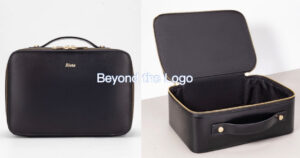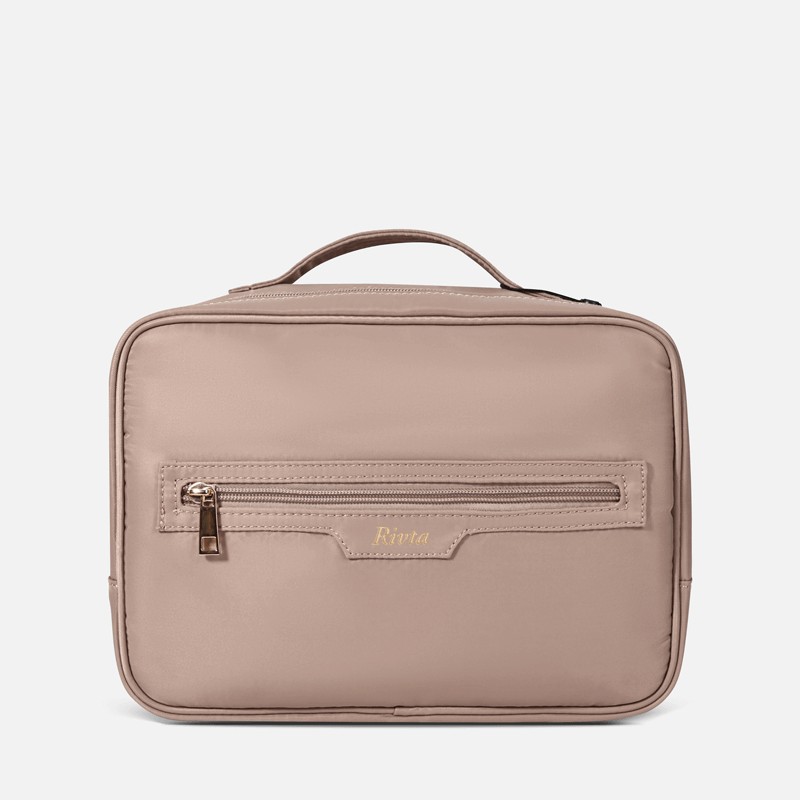
A vanity case can be structurally correct but still fail retail handoff if the sleeve, insert card, barcode, carton mark and packout photo are not approved together.
This guide is written for beauty brand sourcing, merchandising, packaging, product development and procurement teams preparing a vanity case retail packing brief. It supports the Ecorivta vanity train cases page 1 without replacing it. The product page carries the inquiry; this article explains how to prepare the packing files that help the quote and sample approval move faster.
Quick Summary
- Retail packing should be briefed before sample. Sleeve, insert card, barcode and carton mark can change artwork, packout labor and approval timing.
- A vanity case is not only a bag. Structure, insert fit, mirror notice, handle, zipper, closure and product protection should match the retail promise.
- Barcode ownership must be clear. The buyer should provide barcode file, placement, size and market version before packing approval.
- Target price and launch date shape the route. A complex sleeve and insert card route may need simplification for urgent or low-volume programs.
- Sample approval should include the packout. The approved sample should show product fit, sleeve, insert card, barcode label and carton mark format.
Why a retail packing brief matters
Vanity cases are often bought as premium beauty gifts, retail GWP items, travel retail sets or structured cosmetic organizers. The buyer may spend time on shell material, handle, zipper and interior layout, then discover late that the sleeve, insert card, barcode and carton mark were not ready. That creates rework at the point when the sample should be moving toward production.
A retail packing brief connects product, packaging and shipment data. It tells Ecorivta whether the case needs a paper sleeve, printed belly band, insert card, mirror notice, instruction card, barcode label, hangtag, inner pack, master carton label or market-specific carton mark. Without that brief, the factory can make a product sample but cannot confirm whether the retail handoff is complete.
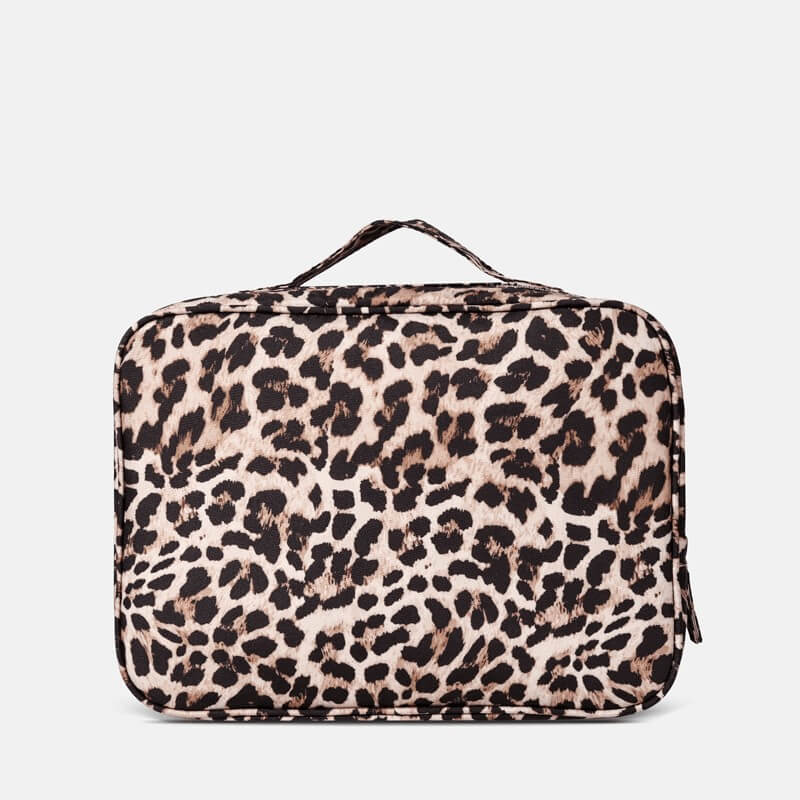
The brief also protects the buyer’s internal team. Sourcing, packaging, design, merchandising and logistics often own different files. If those files arrive one by one after product sample approval, every small change can trigger new photos, new artwork checks and new carton planning. A single brief keeps the project quotable.
If the buyer is still deciding between a structured vanity case and a softer pouch route, the broader cosmetic bag hub 2 is the better starting point. This article assumes the buyer has already chosen a vanity case or train case direction and now needs to prepare retail packing data.
Vanity case packing brief template
The buyer does not need to finalize every file before the first conversation, but the RFQ should show which packing decisions are already fixed and which need Ecorivta review. The table below can be copied into a sourcing brief.
| Brief field | Buyer input | Why it matters |
|---|---|---|
| Program use | Retail GWP, holiday gift, travel retail set, influencer kit or DTC bundle. | Use case controls packaging visibility, barcode need and carton planning. |
| Case structure | Rigid shell, semi-rigid case, soft structured case, mirror, insert or divider. | Structure affects product fit, sleeve size, protection and carton volume. |
| Sleeve route | Paper sleeve, belly band, no sleeve, printed outer wrap or sticker label. | Sleeve route affects artwork, paper choice, claim wording and packing labor. |
| Insert card | Brand story, material card, usage card, mirror notice or claim note. | Insert cards need size, paper route, language version and approval owner. |
| Barcode | Barcode file, barcode size, placement, SKU version and market owner. | Retail identification should be controlled before bulk packing. |
| Carton mark | SKU, color, quantity, gross weight, carton size and destination mark. | Carton mark supports warehouse receiving and shipment control. |
| Approval photos | Front, back, open case, sleeve, insert card, barcode and carton mark. | Photo scope prevents late disagreement before shipment. |
For larger launch kits, the vanity case may sit inside a coordinated beauty GWP program. In that situation, the buyer should also use the beauty GWP solutions page 3 to keep product, set packing, target price and timeline connected.
Sleeve and insert card decisions
A sleeve can make a vanity case feel retail-ready, but it also creates file, paper, print and packout decisions. The buyer should state whether the sleeve covers the full case, wraps only one side, sits as a belly band or works as a removable card. The exact route affects sleeve size, paper thickness, folding line, glue or sticker, barcode placement and how the product is photographed before shipment.
Insert cards are often added late because they look simple. In practice, an insert card may carry brand story, material note, care instruction, QR code, mirror notice, market language, claim wording or campaign message. Each of those points needs an owner. If the buyer has seven market versions, the card becomes a version-control issue rather than a small paper item.
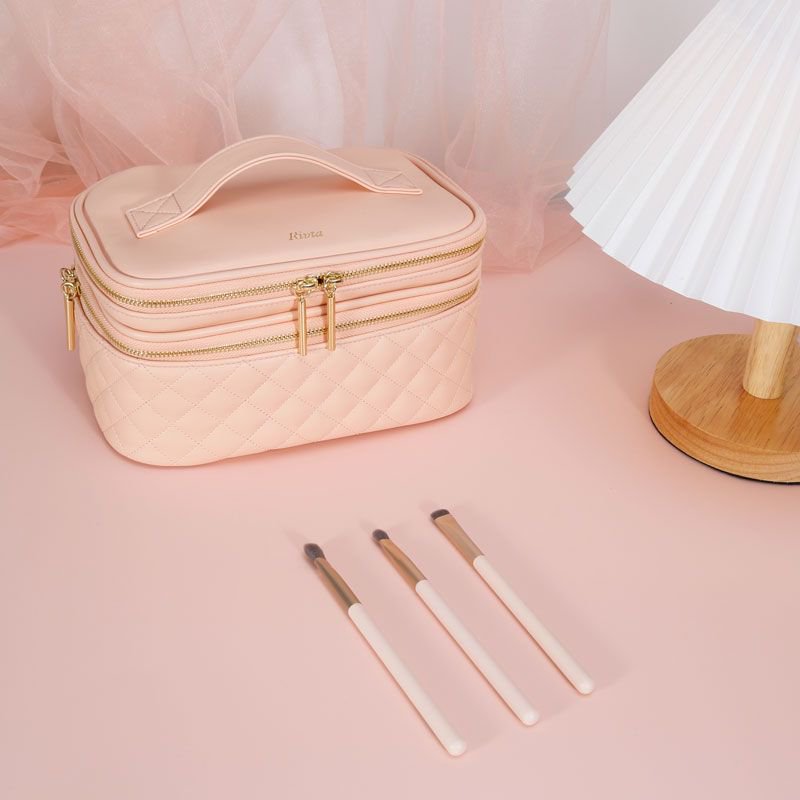
When paper-based packaging includes responsible paper claims, FSC label guidance 7 can be used as an outside reference for paper label context. When the sleeve or card uses eco, recycled, sustainable or similar wording, the FTC Green Guides 8 are useful for claim-safe thinking. Ecorivta should still review the wording by order because packaging claim scope and product material scope may not be the same.
A practical brief should include flat artwork, dieline if available, finished size, paper route, print finish, barcode location, market language and approval owner. If the buyer only sends a design screenshot, Ecorivta may need to request production-ready artwork before a packing sample can be confirmed.
Barcode and carton mark handoff
Barcode is not a decoration. It connects the retail unit to the buyer’s SKU system, warehouse receiving and market version. The buyer should provide the barcode file, barcode type, size, placement, quiet zone requirement if available and whether the barcode is printed on sleeve, card, sticker or carton label.
GS1 US barcode placement guidelines 6 are a useful reference for retail identification language. Ecorivta should not create or own the buyer’s barcode unless the buyer has explicitly agreed to a route. In most B2B cases, the buyer provides barcode data and the supplier confirms placement and print view.
Carton mark is the other half of retail packing. It should show SKU, color, quantity per carton, carton number, gross weight, net weight, carton size, destination mark and any warehouse note the buyer needs. For beauty GWP programs, carton mark can also separate campaign version, country version or retail channel version.
Late carton mark changes are common when the buyer’s logistics team joins after the product team. To avoid this, the RFQ should ask the buyer’s logistics owner to review carton mark before bulk packing. A simple carton mark template can prevent confusion when the same vanity case ships in multiple colors or market versions.
Product fit, structure and retail presentation
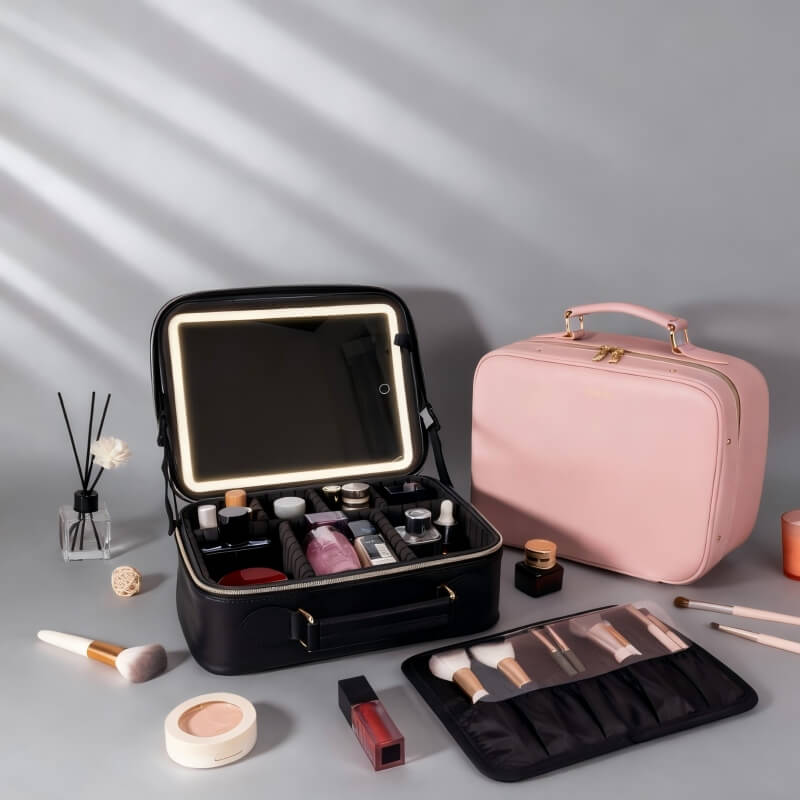
A vanity case retail packing brief should include product fit, not only outer artwork. If the case will hold bottles, jars, palettes, brushes, mini fragrance, sample cards or a full beauty routine, Ecorivta needs dimensions and expected arrangement. The interior may need divider, elastic loop, pocket, mesh, mirror, brush holder or protective insert.
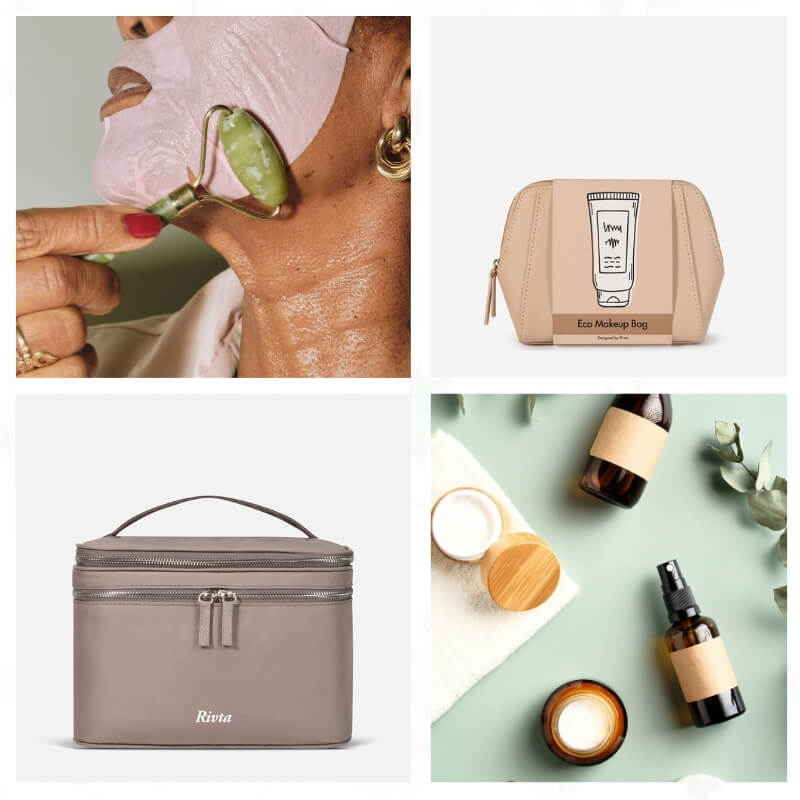
Structure affects packing. A rigid shell may protect the product but increase carton volume. A semi-rigid route may lower volume but need more attention to shape recovery. A teddy or soft textured route may look giftable but needs lint, handfeel and logo route review. A premium PU or recycled textile route may need different sleeve finish and claim wording.
The retail presentation should be approved with the product inside if possible. A flat empty case can look correct, but the full set may change how the case sits in the sleeve or carton. If the buyer wants a hero photo for internal sell-in, the packing sample should show the final fold, sleeve, insert card and open-case view.
For projects that include multiple accessories, use the beauty GWP accessories hub 4 to keep accessory routes connected. The vanity case may be the hero item, but the packout can include scrunchies, headbands, small pouches, hair clips or other sewn accessories.
If the buyer needs one branded story across the vanity case, sleeve, insert card and other accessory pieces, the custom branded beauty accessories page 5 can help connect logo, color, artwork and set presentation before files are frozen.
Material, claim and document boundaries
Retail packing often carries material language. A buyer may want to say recycled, vegan, plant-based, responsible, sustainable or low-impact. These words should not be added to a sleeve or insert card until the product route and document scope are reviewed. A vanity case can include outer fabric, lining, zipper tape, trim, handle, board, insert and paper packing, and each part may have a different evidence path.
If recycled textile material is part of the route, Textile Exchange’s Global Recycled Standard 9 can frame recycled documentation. If textile safety is part of the buyer file, OEKO-TEX STANDARD 100 10 can be used as an outside reference for textile testing context.
The key is boundary wording. A sleeve should not make a broad claim if only one component has a document. The brief should state which claim applies to which material, which document is requested, which market will receive the product and who approves final card copy. Ecorivta can review the production route, but the buyer owns brand claim approval.
Material and claim review also affects photos. If an insert card mentions recycled material, the buyer may want a photo of card copy, material label, outer fabric and carton mark before shipment. That photo list should be in the packing brief.
MOQ, target price and launch timing
Vanity cases often cost more than small soft pouches because they can include structure, padding, handle, zipper, interior divider, mirror, sleeve, card and carton protection. A buyer who shares target price early gives Ecorivta room to choose structure and packing route that fit the budget.
MOQ 500 can be used as a practical planning point for suitable B2B beauty GWP and retail gift programs, but the final route depends on material, structure, color, logo, packing and market versions. A 500-piece order with one sleeve and one barcode is different from a 500-piece order split across five colors, three card languages and different carton marks.
Launch timing matters because packaging files often involve multiple owners. Product development may approve the case. Design approves sleeve and card. Logistics approves carton mark. Retail approves barcode. If those owners join at different times, the sample can stall. The RFQ should include sample approval deadline, final artwork date, bulk production window and shipment date.
| Timeline point | What should be ready | Why it matters |
|---|---|---|
| RFQ stage | Use case, quantity, target price, case route, packing expectation. | Helps Ecorivta choose a quote route. |
| Sample stage | Material, structure, logo, sleeve draft, insert card draft. | Prevents sample approval from ignoring packing. |
| Pre-production stage | Final artwork, barcode, carton mark, color and packout photo list. | Locks production and packing information. |
| Pre-shipment stage | Product photos, sleeve photos, barcode view, carton mark and packing count. | Gives the buyer evidence before shipment. |
Sample packout approval workflow
Sample approval for a retail vanity case should include both product and packing. If the buyer approves only the case body, the sleeve, card, barcode and carton mark can still create delays. A clean approval workflow makes the final sample useful for production.
Use this process before bulk production:
- Confirm the retail route. State channel, target price, launch date, quantity, market version and packout type.
- Confirm the vanity case structure. Approve material, size, handle, zipper, insert, mirror or divider needs.
- Submit packing files. Provide sleeve, insert card, barcode, label and carton mark files with approval owner.
- Approve a packout sample. Check product fit, sleeve fit, card placement, barcode visibility and carton mark format.
- Freeze change boundaries. Any late change in structure, artwork, barcode or carton mark should trigger route review.
This workflow makes it clear what the final approved sample represents. It also gives the buyer a better basis for pre-shipment photo or video requests.
Best fit and less suitable requests
Best fit
Best fit is a beauty, skincare, fragrance, travel retail, DTC, retail chain or promotional buyer planning a vanity case with a real launch window, target price, quantity, sleeve, insert card, barcode, carton mark, product fit and sample approval owner. It is especially useful when the buyer wants the vanity case to look retail-ready, not only production-ready.
Less suitable
Less suitable requests include single-piece consumer buying, price-only stock sourcing, no launch date, no target price, no product dimensions, no packing file owner, no barcode owner or requests that ask for complex retail packing at very small quantity without flexibility. Ecorivta can still clarify the route, but the first response may need to be a brief review rather than a fixed final quote.
Composite case: barcode and sleeve fixed before bulk
Composite case: a 2026 Q2 North America beauty retail team requested 2,400 vanity cases for a holiday GWP channel. The first product sample looked acceptable, but the buyer had not confirmed the sleeve dieline, insert card copy, barcode owner or carton mark format. The project risk was not the case shape. It was the retail handoff.
Ecorivta reviewed the project as a packing brief issue. The team asked the buyer to freeze one sleeve structure, one insert card size, barcode placement on the sleeve and one carton mark template with SKU and color fields. The buyer had three color versions, but kept the same card and carton format. That reduced version-control work while preserving the holiday color story.
The packout sample then showed the closed case, open case, sleeve front, sleeve back, insert card, barcode and carton mark. The buyer could circulate one file to sourcing, design and logistics. The lesson was that vanity case retail packing should be approved as a system, not as separate late files.
Related Ecorivta pages and guides
- Vanity Train Case Manufacturer for Beauty GWP – use this as the main product and inquiry page.
- Custom Cosmetic Bag Manufacturer – use this when comparing vanity cases with softer pouch routes.
- Beauty GWP Solutions – use this when the vanity case is part of a larger GWP or launch kit.
- Beauty GWP Accessories – use this when other sewn accessories are included in the same program.
- Custom Branded Beauty Accessories – use this when branding, logo and set presentation need broader review.
FAQ
What is a vanity case retail packing brief?
It is the buyer’s shared file for sleeve, insert card, barcode, carton mark, packing count, product fit, approval photos and market version before sampling or bulk production.
Why should sleeve and insert card be discussed before sample?
Sleeve and insert card decisions can change artwork, paper route, packout labor, barcode placement, photo scope and approval timing. They should not be left until final packing.
Who should provide the barcode for a vanity case?
In most B2B projects, the buyer provides barcode data and file ownership. Ecorivta can review placement, print view and packing sample before bulk production.
What carton mark details should buyers send?
Send SKU, color, quantity per carton, carton number, gross weight, net weight, carton size, destination mark and any warehouse receiving note.
Can Ecorivta review paper sleeve and insert card claims?
Yes. Ecorivta can review wording against material route and document scope, but the buyer should approve final brand claim wording and market use.
Should product fit be part of vanity case packing approval?
Yes. The sample should show the product or dummy fill inside the case when fit affects sleeve, insert card, retail photo or carton protection.
What should buyers send before requesting a vanity case packing quote?
Send quantity, target price, launch date, case structure, sleeve route, insert card need, barcode file, carton mark template, product dimensions and approval owner.
Send the retail packing brief
Use the contact route when you need Ecorivta to review vanity case sleeve, insert card, barcode, carton mark, product fit, target price and sample packout before bulk production.
-
Use the vanity train cases product page as the main money page for vanity case, train case, retail gift and beauty GWP inquiries. ↩︎
-
Use the cosmetic bag hub when the buyer is comparing vanity cases with softer pouch or cosmetic bag routes. ↩︎
-
Use the beauty GWP solutions page when the vanity case is part of a larger launch kit, retail GWP or gift set program. ↩︎
-
Use the beauty GWP accessories hub when the project includes other sewn accessories in the same packout. ↩︎
-
Use the custom branded beauty accessories page when logo application, private label artwork and set branding need broader review. ↩︎
-
Use GS1 US barcode placement guidance when retail sleeves, insert cards, unit labels or cartons need barcode owner and placement control. ↩︎
-
Use FSC label guidance when paper sleeves, cards or cartons include responsible paper-based sourcing or label language. ↩︎
-
Use FTC Green Guides when environmental wording needs review before buyer packaging or claim language is approved. ↩︎
-
Use Textile Exchange’s Global Recycled Standard reference when recycled textile material documentation affects the vanity case route. ↩︎
-
Use OEKO-TEX STANDARD 100 as a textile safety reference when fabric, lining, label or trim testing is part of the buyer brief. ↩︎