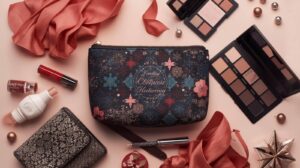
A supplier list can start research, but it should not decide a Beauty GWP program. Use this evidence-based standard to compare cosmetic bag suppliers by audit scope, product fit, material proof, sample gates, packaging capability and launch-risk control.

TL;DR
Before asking for price, buyers should prepare an RFQ file that shows the campaign type, product fill, bag format, target quantity, logo method, material route, certification scope, packaging scope, sample deadline and launch timing. The purchasing conclusion is simple: compare suppliers by the evidence they can return against the same brief, not by a public ranking list or a single unit-price line. A supplier is stronger when it can separate cost assumptions, explain sample gates, identify open risks and connect documentation to the actual order route.
| Best fit | This guide is best for beauty founders, procurement managers, packaging teams, brand marketers and compliance owners who must compare more than one cosmetic bag supplier before sampling. It fits Beauty GWP pouches, clear bags, vanity cases, travel sets, launch-kit bags and tote-plus-pouch programs where RFQ files, MOQ bands, sample timing, certification scope, packing details, quote assumptions and launch risks all affect the supplier decision. It is especially useful when the buyer needs one standard for comparing a current supplier, a new China supplier, a regional partner or a specialist factory without losing control of evidence quality, approval records or internal stakeholder alignment. |
| Less suitable | This guide is less suitable for one-off personal orders, generic marketplace resale, projects with no brand owner, or sourcing where the buyer only wants a rough catalog reference. It is also not the right workflow when the bag format, artwork, product fill, quantity, target market and launch date are still unknown. If a buyer cannot provide basic RFQ files or does not plan to review sample gates, packaging scope, claim documents or quote assumptions, supplier comparison will remain too vague for this standard to work. |
Why should buyers avoid choosing from a public ranking list alone?
Top-supplier lists are easy to read, but they rarely tell buyers whether a supplier can protect a specific Beauty GWP campaign. A list may rank companies by size, geography, search visibility or general reputation. It usually does not show whether the supplier can handle the buyer’s material claim, logo method, packaging route, carton planning, product-fill testing or launch deadline.
A stronger approach is to use a global supplier standard. Buyers still get a comparison tool, but the decision is based on evidence rather than public ranking. That evidence should show whether the supplier can make the right product, support the right documentation and control the launch risk before sampling begins.
RFQ file checklist before asking for price
| Buyer input | Supplier response | Risk if missing |
|---|---|---|
| Campaign type, target market and launch date. | Recommended supplier route, timing gate and escalation owner. | The supplier may quote a generic bag instead of a campaign-ready Beauty GWP item. |
| Bag format, size, product fill and expected use. | Similar sample evidence, fit comments and any size or construction concern. | Sampling may reveal product-fit or logo-shape issues too late. |
| Material route and certification scope needed. | Available documents, component coverage and wording boundary. | Claim language may not match the actual material, factory or order scope. |
| Logo method, artwork file and placement target. | Logo process, setup needs, sample timing and approval photos. | Quotes may omit logo complexity or brand-mark quality checks. |
| Packaging scope, carton marks and pack-out direction. | Separated packing lines, carton assumptions and receiving notes. | Unit price may look complete while retail presentation and logistics are missing. |
| MOQ, sample deadline and delivery window. | MOQ band, production slot, sample gate and inspection schedule. | The buyer may approve a supplier that cannot support the launch calendar. |
What global supplier standard works for Beauty GWP cosmetic bags?
| Standard area | What buyers should ask for | Why it matters for Beauty GWP |
|---|---|---|
| Product fit | Relevant samples across pouches, clear bags, vanity cases, train cases and launch-kit bags. | Shows whether the supplier understands beauty formats, not only generic sewing. |
| Audit evidence | Social audit, quality-system evidence and factory documentation scope. | Helps retailer and brand teams reduce compliance risk. |
| Material proof | GRS, OEKO-TEX, FSC, recycled-content documentation or market-specific warnings where relevant. | Protects sustainable and claim-sensitive campaigns. |
| Sample process | Timing, approval gates, revision rules, photo evidence and physical sample process. | Prevents late discovery of logo, color, fit or packaging problems. |
| Packaging scope | Insert card, sleeve, hangtag, carton mark, individual packing and pack-out support. | Turns the bag into a campaign-ready gift rather than a loose product. |
| RFQ transparency | Separated cost lines for bag, logo, packaging, sample, tooling and freight assumptions. | Lets buyers compare quotes fairly. |
| Launch risk control | Lead time, buffer, production checkpoints, inspection points and escalation contact. | Protects a time-bound beauty launch. |
How should the first supplier screen work?
The first screen should remove suppliers that cannot answer basic campaign questions. This protects the buyer before sample fees, artwork adaptation and internal launch meetings begin. If a supplier cannot separate bag format, material route, logo method, packaging scope and sample timing, the buyer is not comparing a real campaign quote.
| First-screen question | Good answer | Weak answer |
|---|---|---|
| Have you made this beauty bag format before? | Shows similar pouch, vanity, clear bag or launch-kit sample with specs. | Only sends a general catalog. |
| Can you quote packaging separately? | Separates insert card, sleeve, hangtag, individual packing and carton marks. | Says packaging can be added later. |
| Can you explain material claim scope? | Shows which part of the bag carries the claim and what document supports it. | Uses broad eco language without document scope. |
| Can you support filled-bag approval? | Agrees to check logo flatness, zipper opening and product fit with sample products. | Approves only empty bag photos. |
| Can you show timing by gate? | Separates artwork, sample, revision, material approval, bulk and inspection dates. | Gives only one total lead-time number. |
How should buyers compare suppliers by campaign need?
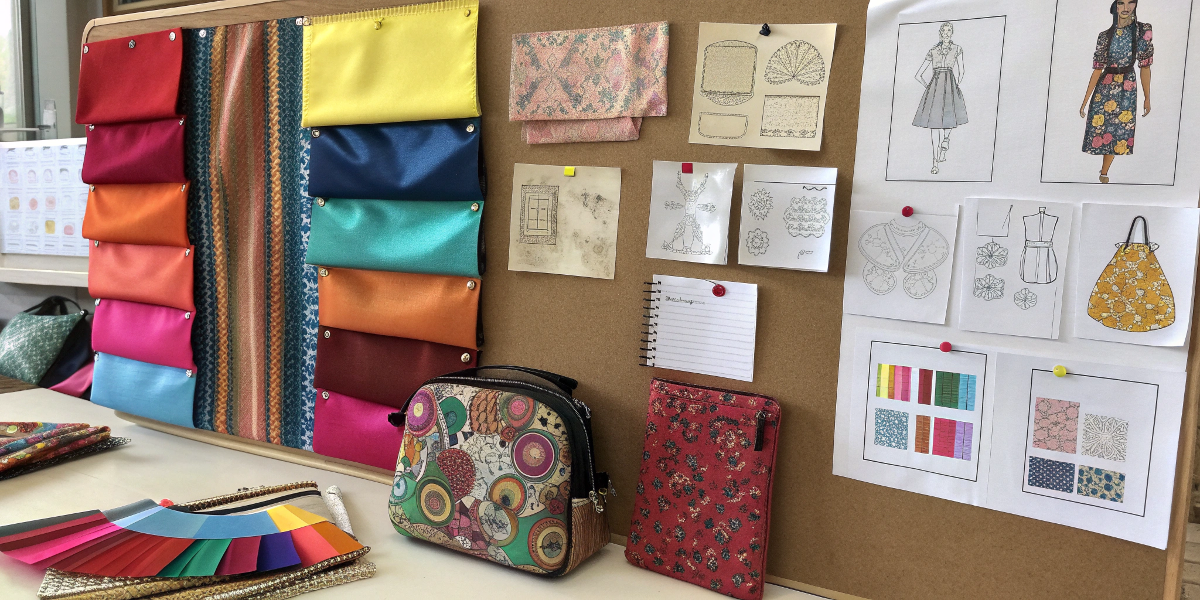
Global sourcing does not mean every region should be judged by the same cost-only lens. Different suppliers may be strong in different ways: speed, sampling, packaging, audit documentation, material sourcing or small-batch flexibility. The comparison should begin with the campaign risk, not the country label.
| Buyer need | Supplier evidence to request | Red flag |
|---|---|---|
| Premium launch kit | Filled-bag sample photos, packaging mockup and prior beauty set experience. | Only empty bag photos are provided. |
| Sustainable claim | Material certificate, claim location and packaging claim review. | Supplier uses vague eco words without document scope. |
| Fast retail campaign | Existing material route, sample timing, production slot and carton plan. | Quote ignores sample approval timing. |
| Lower-risk reorder | Previous spec sheet, approved sample record and QC history. | Supplier cannot retrieve prior approval details. |
| New shape or custom trim | Development route, tooling or pattern requirement and revision budget. | Supplier quotes as if it were a standard pouch. |
Which quote details make supplier comparison fair?
Supplier comparison fails when one quote includes only the bag and another quote includes logo, packaging, sample revision and inspection assumptions. Buyers should require the same quote structure from every candidate. This does not force every supplier to use the same route. It makes clear which quote is basic and which quote is campaign-ready.
| Quote line | What it should include | Why it changes the decision |
|---|---|---|
| Base bag | Format, size, material, lining, zipper, puller and construction details. | Prevents a low quote from hiding simpler construction. |
| Logo | Method, size, placement, color count and approval evidence. | Shows whether the brand mark is included or assumed later. |
| Packaging | Insert card, sleeve, hangtag, individual packing and carton mark scope. | Connects unit price to real launch presentation. |
| Sample | Sample fee, timing, revision policy and physical or photo approval process. | Protects the timeline before bulk production. |
| Documentation | Audit, material certificate, claim support and market warning responsibilities. | Reduces retailer or internal compliance surprises. |
| Inspection | QC points, AQL expectation, photo record and shipment gate. | Shows whether bulk risk is controlled, not guessed. |
What scorecard should buyers use before approving a supplier?
| Score area | 0 points | 1 point | 2 points |
|---|---|---|---|
| Beauty product experience | No relevant sample. | Some cosmetic pouch examples. | Relevant GWP or beauty launch examples with packaging. |
| Audit and quality system | No clear documentation. | Some documentation, unclear scope. | Clear audit or quality-system evidence and factory scope. |
| Material claim support | Vague eco language. | Some material documents. | Documented claim route with wording boundaries. |
| Sample approval process | One photo only. | Basic sample process. | Clear approval gates with filled-bag and packaging checks. |
| Packaging capability | Bag only. | Basic polybag or carton. | Insert, sleeve, hangtag, pack-out and carton mark support. |
| Quote transparency | One lump-sum quote. | Some separated lines. | Bag, logo, packaging, sample and assumptions separated. |
| Launch communication | Slow or vague. | Responsive but informal. | Clear owner, dates, decisions and escalation path. |
A supplier scoring 10 or higher may be worth sampling. A supplier below 8 needs clarification before sample payment. For high-value launches, buyers should not approve a supplier only because the unit price looks attractive.
Which related Ecorivta page should buyers use next?
| Route | Use when | Open page |
|---|---|---|
| Beauty GWP route | Supplier selection must support a campaign, not only a unit price. | Beauty GWP Solutions |
| Design brief route | Supplier comparison depends on product fill, material direction and campaign presentation. | Design brief guide |
| Quality demand route | The buyer needs sample gates, QC points and bulk approval fields before choosing a supplier. | Quality demand checklist |
| Procurement risk route | The quote looks attractive but evidence, packing or timing is unclear. | Beauty GWP Solutions |
| Cosmetic bag route | The supplier must prove product experience across pouch, clear bag, vanity and launch-kit formats. | Cosmetic bag category |
What can Ecorivta deliver for global supplier reviews?
| Capability area | Practical planning range | Boundary to state early |
|---|---|---|
| Product formats | Flat pouch, zipper pouch, vanity case, clear travel pouch, train case, drawstring pouch, tote + pouch launch-kit route. | New molds, unusual structures or highly rigid cases require extra development time. |
| Material routes | rPET, recycled polyester, cotton, canvas, TPU, EVA, PVC, vegan leather, Tyvek, FSC paper packaging routes. | Claim wording depends on document scope, market and where the claim appears. |
| MOQ bands | 500-1,000 for simple available routes; 1,000-3,000 for custom logo or trim; 3,000-5,000+ for special material, color or packaging scope. | Very low quantity plus high customization should simplify material or packaging. |
| Sample timing | 7-14 days for simple samples; 14-21+ days for custom trim, new shape, packaging sample or material claim review. | Rush launches should reduce the number of open variables. |
| Documentation | Factory audit evidence, material certificates, quote assumptions, approved-sample record and inspection points. | Documents must match the actual material, factory scope and order route. |
What does a composite supplier comparison case teach?
A composite skincare launch team compared three cosmetic bag suppliers for a reusable GWP pouch. Supplier A gave a very attractive unit price, but the quote did not separate logo cost, insert-card packing, carton marks or material documentation. Supplier B showed polished product photos, yet could not explain sample timing or who would approve revision files. Supplier C quoted a higher unit cost, but separated the bag, logo, packaging, sample timing, document scope and inspection gates. At first, the internal team worried that Supplier C looked less competitive on the spreadsheet.
The buyer then placed the three quotes into one RFQ scorecard. Supplier A had several missing assumptions, Supplier B had weak approval control, and Supplier C was the only route that showed how the launch would move from brief to sample to bulk release. During sampling, Supplier C found that the first pouch size made the front logo distort when filled with three products. The brief was adjusted before bulk approval: wider zipper opening, flatter logo panel, smaller insert card and clearer carton marks. The project did not select the quote with the smallest visible number. It selected the route with enough evidence to protect the Beauty GWP campaign. The final approval meeting was easier because each department could see the same evidence trail: design, procurement, compliance, operations and logistics were no longer debating different assumptions.
What did three anonymous buyers say after supplier comparison?
| Anonymous buyer | Before using the standard | After using the standard |
|---|---|---|
| Skincare procurement lead | The team compared three quotes with different packaging assumptions. | The RFQ scorecard exposed missing insert-card and carton-mark lines before sample payment. |
| Makeup launch manager | The buyer focused on product photos and did not ask who owned sample revision approval. | The supplier comparison added approval gates, owner names and launch-date buffers. |
| Wellness brand founder | The founder saw broad material wording but no component-level document scope. | The chosen supplier explained which bag parts were covered and where claim wording could appear. |
How is this different from related sourcing guides?
| Related guide | Main focus | How this supplier standard differs |
|---|---|---|
| Beauty GWP Solutions | Planning the overall GWP route and product family. | This page narrows the decision to supplier comparison evidence before sampling. |
| Beauty GWP route | Helping buyers connect sourcing, sampling and launch planning. | This page gives a standard for comparing multiple suppliers with the same RFQ file. |
| Quality demand checklist | Defining quality gates and sample approval fields. | This page uses quality evidence as one part of a broader supplier decision. |
| Design brief guide | Preparing bag format, material, logo and packaging details. | This page shows how suppliers should respond to that brief for fair comparison. |
When should buyers ask Ecorivta to review the comparison?
Ask for a review before sample payment when the buyer has more than one quote, when one quote is much lower than the others, or when packaging and claim wording are part of the campaign. Ecorivta can help check whether the quotes are comparing the same scope and whether the chosen supplier route fits the launch timeline.
If the project already has a shortlist, use the Ecorivta contact form to send the scorecard, product fill, material route, target quantity and launch date. A cleaner comparison at this stage often prevents avoidable sample changes.
How should buyers brief suppliers after the scorecard?
After scoring suppliers, buyers should not send a vague request for a catalog. They should send a structured brief that lets each supplier quote the same scope. This is how buyers avoid comparing one supplier’s basic bag quote against another supplier’s campaign-ready package quote.
- Campaign type.
- Target market.
- Bag format.
- Product fill.
- Target quantity.
- Required material route.
- Claim documentation needed.
- Logo method.
- Packaging scope.
- Sample deadline.
- Bulk delivery deadline.
- Audit / compliance requirement.
- Quote lines required.
- Approval photos required.
- Open risks to comment on.
Share Your Supplier Evaluation Brief
How should buyers connect supplier evidence to audit, claim and quality checks?
Supplier comparison should use documents as decision evidence, not decoration. ISO 9001 quality-management context [1], amfori BSCI social-compliance context [2] and SEDEX SMETA audit context [3] are useful only when their scope matches the supplier, factory and buyer requirement.
For broader sourcing responsibility and claim control, buyers should also separate OECD due-diligence guidance [4], FTC environmental marketing guidance [5], GRS recycled-content documentation [6] and OEKO-TEX textile safety scope [7]. The comparison should ask what each document proves, which component it covers and whether the buyer can use that evidence in the final Beauty GWP program.
Who We Don’t Take On
- Projects that want a public competitor ranking instead of a supplier evaluation standard.
- Requests that choose only by unit price while ignoring packaging, documentation and sample approval.
- Programs that require sustainability or retailer claims but cannot define where the claim appears.
- Launches where timing is fixed but sample approval, product fill and packaging scope are still undefined.
About the author
Lina Lv is a Brand & Product Specialist at Ecorivta. She works with beauty buyers on GWP bag briefs, material routes, sample approval details and supplier communication for cosmetic bags, tote bags, pouches and related beauty accessories.
Trademark notice
All third-party brand names, certification names, standards and trademarks mentioned in this article belong to their respective owners. Their use is for identification, sourcing and compliance-context discussion only, and does not imply endorsement by those owners.
FAQ: Global supplier standards for Beauty GWP cosmetic bags
Should buyers use a public ranking list to choose a Beauty GWP bag supplier?
A list can help buyers map the market, but it should not be the final decision tool. For Beauty GWP bags, supplier quality should be judged by evidence: audit scope, sample gates, material claims, packaging capability, communication speed, MOQ fit and launch-risk control.
What is a global supplier standard for cosmetic bag programs?
A global supplier standard is a practical checklist for comparing suppliers across regions. It should cover product format, materials, social audit, quality system, sample timing, packaging, claim documentation and RFQ transparency.
How is this different from a supplier audit checklist?
The supplier audit checklist is the full question set for checking one partner. This article is narrower: it helps buyers compare multiple suppliers through the same evidence standard before sampling.
Can a smaller supplier be better than a famous supplier?
Yes. A smaller supplier can be the better fit if it has the right product experience, audit evidence, sample process, packaging support and launch timing. The goal is not to choose the biggest supplier; it is to choose the supplier that protects the campaign.
When should buyers contact Ecorivta?
Buyers should contact Ecorivta when they need to compare suppliers, check whether a quote is complete, or turn campaign requirements into a supplier-ready RFQ before sampling.
Sources
- ISO 9001 Quality Management. Source ↩
- amfori BSCI. Source ↩
- SEDEX SMETA audit. Source ↩
- OECD Due Diligence Guidance for Responsible Business Conduct. Source ↩
- U.S. Federal Trade Commission, environmental marketing guidance. Source ↩
- Textile Exchange, Global Recycled Standard. Source ↩
- OEKO-TEX Standard 100. Source ↩