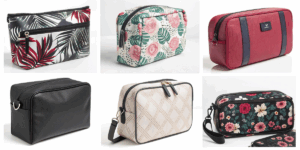
An EU textile hardware compliance handoff should not begin with the question, “Do you have one certificate for the whole pouch?” A Denmark beauty startup recently asked Ecorivta about a ruched satin pouch with a 5-6 cm x 2-2.5 cm gold-tone plaque, four corner rivets and a 100-300 piece starting quantity. A second skincare brand asked for recycled cotton or rPET pouches with GRS, OEKO-TEX and BSCI evidence. These are real sourcing questions, but neither inquiry is a completed order or proof that one document covers every component.
Quick Buyer Summary
- Textile lane: confirm fibre composition, supplier file, colour, lining, thread and the exact article covered by any certificate.
- Hardware lane: list the plaque, four rivets or studs, toggle, eyelets, zipper and coatings as separate BOM items.
- REACH lane: ask which restriction or Candidate List concern is relevant; do not request a generic “REACH certificate.”
- Label lane: approve fibre wording, responsible-party details, destination language and placement before bulk packing.
- Evidence boundary: OEKO-TEX, GRS, BSCI and a metal test answer different questions.
- Quote decision: complete the EU textile hardware compliance handoff before pricing the sample route.
Send an EU compliance file handoff
Start by Marking What Is Real, Missing and Prohibited
| Evidence state | What belongs in the brief | What it prevents |
|---|---|---|
| Existing real evidence | A 100-300 piece request with a 5-6 cm x 2-2.5 cm plaque and four rivets; a separate recycled cotton/rPET request asking for GRS, OEKO-TEX and BSCI. | Turning an inquiry into an invented completed order. |
| Needs supplement | Destination EU country, product end use, exact BOM, coating, component placement, skin-contact duration and label language. | Testing the wrong component or approving the wrong artwork. |
| Must verify | Certificate number, validity, scope, covered article, supplier declaration and any applicable hardware result. | Assuming a supplier document covers the finished GWP. |
| Forbidden claim | Do not call the pouch “REACH-certified” or imply an OEKO-TEX textile certificate automatically covers every plaque, rivet, toggle and coating. | Compliance overclaim and buyer-side approval risk. |
The Ecorivta certifications page helps buyers identify available factory and material evidence. It does not remove the need to verify each document against the selected product and component list.
Separate the Handoff Into Four Evidence Lanes
The strongest EU textile hardware compliance handoff is a short matrix, not a folder of unrelated PDFs. Give every file an owner and connect it to one decision.
| Lane | Buyer supplies | Supplier returns | Approval question |
|---|---|---|---|
| Textile | Target fibre, colour, finish, lining and skin-contact use. | Selected material specification and available scope evidence. | Does the file match the exact fabric, trim and colour route? |
| Metal hardware | Drawing, 5-6 cm x 2-2.5 cm plaque size, four-rivet layout and finish. | Component declaration, finish description and test route where applicable. | Which parts touch skin, and for how long? |
| Finished construction | Gathering, closure, lining, backing and packout reference. | Sample photos and BOM revision. | Did sampling change any material or component? |
| Market label | Destination, legal entity, language and artwork. | Confirmed fibre wording and placement proof. | Is the final packed unit ready for the destination market? |
For recycled routes, the recycled material page explains available material directions. The separate vegan GWP component brief is useful when backing, coating and trim declarations are part of the buyer’s claim. Neither page should be treated as a certificate for a new finished order.
Review the textile evidence scope
Check OEKO-TEX Scope Against the Exact Textile Article
OEKO-TEX STANDARD 100 1 addresses harmful-substance testing for textiles and related components, with requirements linked to intended skin contact. The buyer still needs to see the actual certificate, validity, product class and article description. A fabric certificate cannot be stretched to cover a finished pouch if the lining, thread, print, label or accessory falls outside its verified scope.
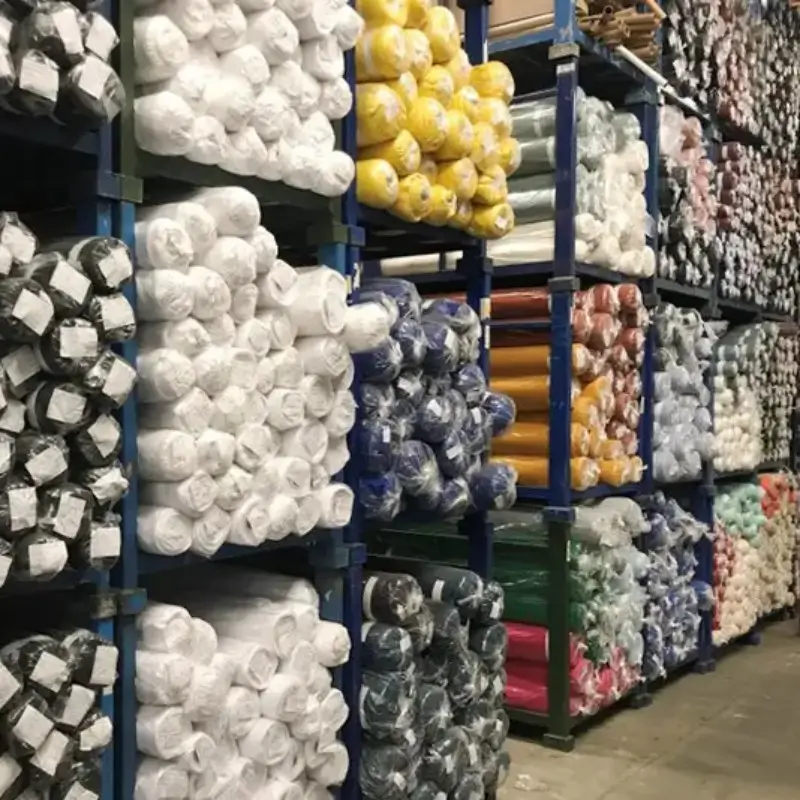
When recycled content is part of the brief, GRS addresses a different claim from OEKO-TEX. BSCI or SMETA addresses a factory or social-audit question. Keep those evidence lanes visible instead of collapsing them into “certified material.”
Map the Plaque, Rivets and Toggle Before Asking About REACH
REACH is a regulatory framework, not a single product badge. The ECHA Candidate List guidance for articles 2 explains communication duties related to Candidate List substances in articles. The handoff therefore needs the actual metal, coating, backing and assembly route, not only a photograph.

Nickel questions depend on how a metal part is used. REACH Annex XVII Entry 27 3 includes certain articles such as rivets, zippers and metal marks when they are intended for direct and prolonged skin contact, and gives a nickel-release limit of 0.5 micrograms per square centimetre per week for those uses. That does not mean every decorative plaque automatically requires the same test. First define whether the part can touch skin, its position and its intended use.
The earlier ruched satin pouch prototype brief owns gathering, drawstring and plaque construction. This article owns the file handoff that follows once those components are selected.
Update the BOM When Sampling Changes the Construction
A compliance file loses value when the sample changes but the file list does not. Replacing the lining, changing the plaque backing, adding a coated toggle or moving from print to a woven label creates a new verification question.
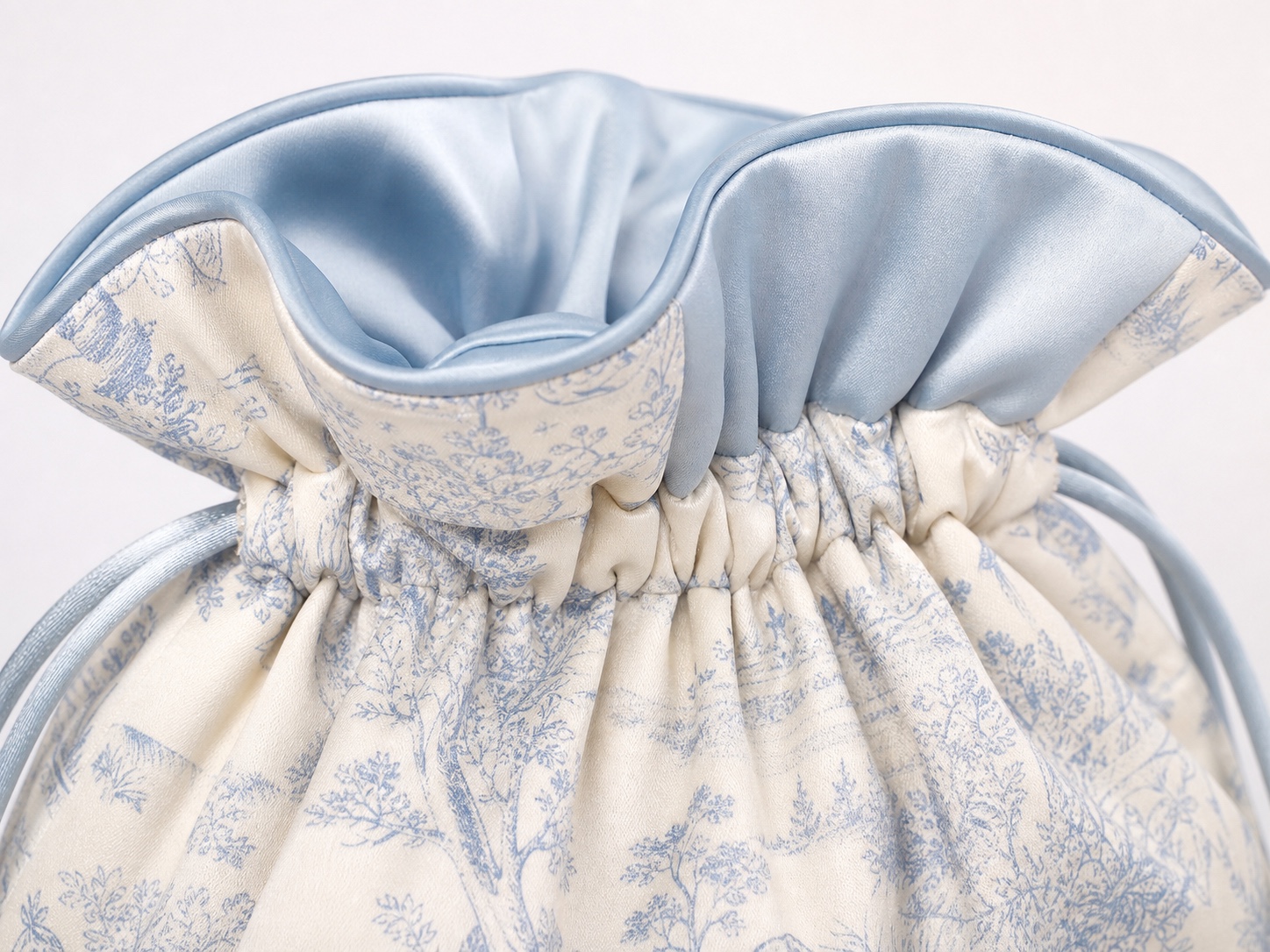
Use a revision number for the BOM and place the same revision on the sample review sheet. This gives sales, the buyer and the factory one version to check before price confirmation.
Keep EU Fibre Labelling Separate From Certificate Claims
Regulation (EU) No 1007/2011 4 establishes EU textile fibre names and related composition-labelling rules. A certificate logo is not a substitute for the required fibre description, and a marketing phrase such as “silky satin” is not the fibre composition.
The buyer should supply the destination country, responsible business details and approved language. Ecorivta can prepare an artwork proof against the confirmed material specification, but the brand or importer remains responsible for final market approval.
Six-Step EU Compliance File Handoff
- Freeze the product drawing, destination market and intended use.
- List every textile, trim, label, coating and metal component in the BOM.
- Mark direct or prolonged skin contact for each relevant part.
- Match each requested certificate or declaration to the exact covered article.
- Approve fibre wording, language, responsible-party details and label placement.
- Reconcile the final sample, BOM revision and evidence file before bulk approval.
If drawings or files are not ready, send the product reference, destination market and component list by WhatsApp.
Review the metal plaque and REACH question
A Factory Review Does Not Replace the Component File
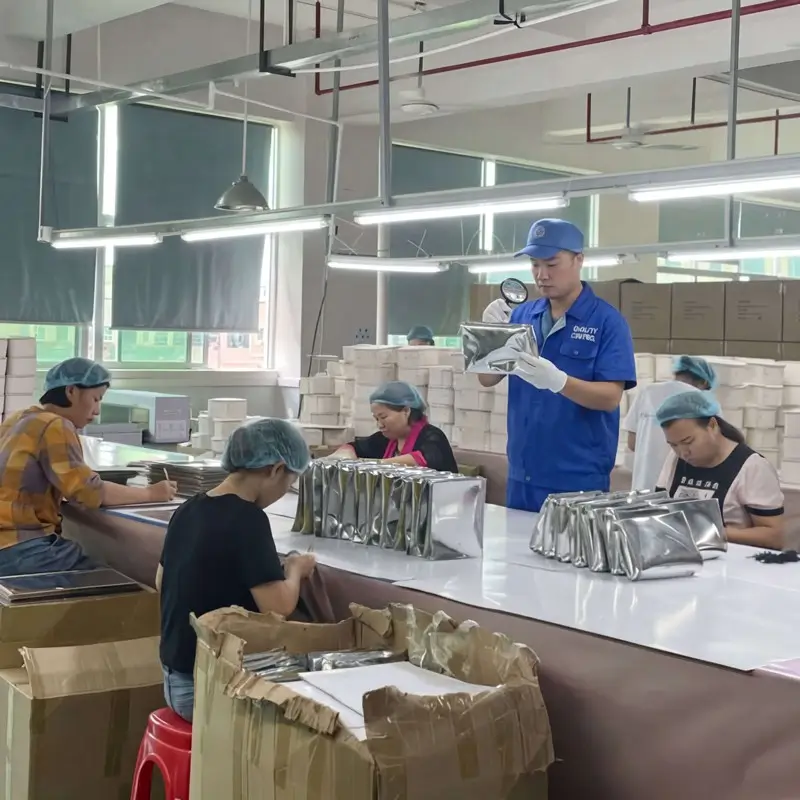
A buyer may need both factory evidence and product evidence. Keep the files separate so each one answers a procurement decision rather than creating a large folder with no traceable scope.
EU Textile and Hardware Compliance Questions
Is there one REACH certificate for an entire beauty pouch?
Not as a blanket answer. REACH obligations and restrictions depend on the article, substance, component and intended use. Build a component list and ask for the evidence relevant to each item.
Does an OEKO-TEX fabric certificate cover a metal plaque?
Do not assume it does. Check the certificate’s article description and scope. A plaque, rivet, coating, toggle, lining, print or label may need separate evidence.
Does every decorative plaque need a nickel-release test?
No automatic conclusion should be made. First verify the metal part, coating, placement and whether it is intended for direct and prolonged skin contact, then confirm the applicable requirement and test route.
What should be fixed before sample pricing?
Fix the destination, product drawing, BOM, plaque and rivet details, textile route, intended claims and evidence requests. Label artwork can be finalized after the selected material specification is confirmed.
Can GRS, OEKO-TEX and BSCI be combined into one claim?
No. They answer different sourcing questions. GRS concerns recycled content and chain of custody, OEKO-TEX addresses harmful-substance testing scope, and BSCI concerns factory social performance.
Evidence Used in This Brief
-
OEKO-TEX STANDARD 100 – Referenced for harmful-substance testing scope across textile components and accessories; the actual certificate and covered article must be checked. ↩︎
-
ECHA – Candidate List substances in articles – Referenced for REACH communication duties related to Candidate List substances in articles; no blanket REACH certificate is claimed. ↩︎
-
ECHA – REACH Annex XVII restrictions, Entry 27 Nickel – Referenced only where metal parts are intended for direct and prolonged skin contact; applicability depends on the actual component and use. ↩︎
-
Regulation (EU) No 1007/2011 on textile fibre names and labelling – Referenced for EU fibre names and composition labelling; final artwork and language requirements remain buyer-side market checks. ↩︎