Open the related Ecorivta page
A hair towel can look like a simple beauty GWP item, but bulk quality is decided by material, absorbency, color fastness, stitching, edge binding, button or loop strength, logo placement, folding and packing. For haircare brands, the problem is not only whether a microfiber or bamboo towel looks good in a sample photo. The real question is whether the production batch can match the approved sample when the launch kit is packed and ready to ship.
Ecorivta manufactures custom hair towels [1] for beauty GWP programs, haircare launch kits, spa sets, retail gifts and private label accessory lines. This checklist explains what buyers should ask a hair towel manufacturer to confirm before sampling, during bulk production and before shipment.
The goal is a practical QC route: signed standard sample, pre-production sample confirmation, incoming material checks, first-piece inspection, daily in-line patrol, finished-goods inspection, supervisor random check and pre-shipment photos or video.
Table of Contents
- Quick Summary
- What should buyers confirm before asking for a hair towel quote?
- Which QC risks matter most for hair towel GWP orders?
- How should the signed standard sample be controlled?
- What should happen during bulk production?
- What photos and videos should buyers ask for before shipment?
- How is this article different from product and solution pages?
- FAQ
Quick Summary
For a hair towel manufacturer project, buyers should not approve bulk production from material name alone. A useful RFQ should include product use, target price, launch timing, quantity, material direction, size, GSM or fabric weight, logo method, packing route and target market. The QC checklist should cover absorbency, color fastness, lint, stitching, edge binding, loop or button strength, folding, barcode, carton mark and pre-shipment evidence.
What should buyers confirm before asking for a hair towel quote?
A supplier can quote faster when the buyer explains whether the towel is a retail item, beauty GWP, salon gift, haircare launch kit, spa amenity or mixed set component. The same microfiber hair towel may need different material thickness, button strength, logo route and package presentation depending on the channel.
Target price matters because hair towels can use different material routes. Microfiber, bamboo fiber, coral fleece, waffle weave, recycled microfiber and blended fabrics do not share the same handfeel, absorbency, weight or cost. A buyer who shares target price, launch timing and product use gives the supplier a clearer way to recommend a realistic material route before sample development.
Open the related Ecorivta page
| RFQ detail | Why it matters | What Ecorivta can review |
|---|---|---|
| Use case | Retail, GWP, spa and salon channels need different perceived value and packing. | Material route, size, logo position and package route. |
| Material direction | Microfiber, bamboo, coral fleece, waffle and blended fabrics behave differently. | Handfeel, absorbency, weight, lint and sample expectation. |
| Size and structure | Turban wrap, button loop and flat towel routes need different fit checks. | Length, width, binding, loop, button position and folding method. |
| Logo and packing | Embroidery, woven label, printed logo, sleeve, insert card and barcode affect approval. | Artwork file, logo placement, folding size, pack photo and carton mark. |
Which QC risks matter most for hair towel GWP orders?
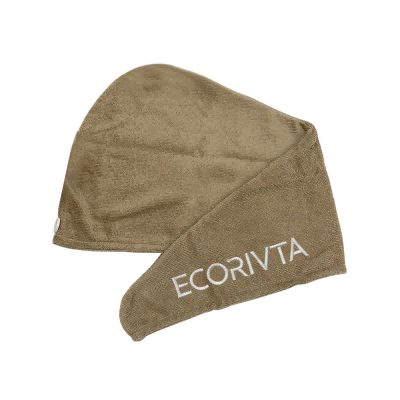
The most common QC risks are weak absorbency, color transfer, lint, uneven stitching, loose edge binding, weak button or loop attachment, size variation, poor folding and unclear logo execution. These are more important than a generic “soft towel” claim because buyers need a batch that works in a real haircare or GWP program.
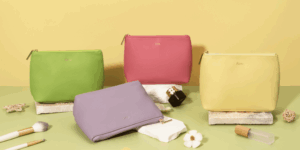
For a beauty GWP solution [2], the hair towel often sits beside cosmetic bags, scrunchies, headbands, pouches or sample products. If the towel shade, logo, sleeve, insert card or carton mark does not match the rest of the kit, the buyer sees the issue at packing stage, not only at fabric stage.
| QC area | What to check | Why it matters |
|---|---|---|
| Fabric and function | Absorbency, handfeel, fabric weight, shrinkage, lint, color fastness and towel shape. | Protects the user experience and reduces mismatch from approved sample. |
| Branding and packing | Embroidery, woven label, printed logo, folding size, sleeve artwork, insert card, barcode and carton mark. | Keeps the towel aligned with the full launch kit or retail packout. |
Open the related Ecorivta page
How should the signed standard sample be controlled?
The approved sample should become the signed standard sample for the workshop. This sample is not just for sales or the buyer. It should be kept as the physical reference for material, size, stitching, edge binding, button or loop position, logo placement, folding and package presentation.
After the signed standard sample is confirmed, the workshop should make a pre-production sample for internal confirmation. The purpose is to catch differences between the approved sample and the first production setup. For example, a different fabric batch may feel slightly different, an embroidered logo may need thread density adjustment, or the edge binding may need tension correction.
Review Hair Towel Sample Standard
What should happen during bulk production?
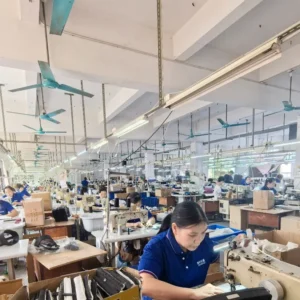
A practical hair towel QC process should start before sewing and continue through packing. Ecorivta’s broader quality control process [3] uses sample confirmation, incoming inspection, early production checks, daily line patrol, finished-goods inspection and supervisor review. For hair towels, those steps should be translated into fabric, sewing and packing checkpoints.
Open the related Ecorivta page
| QC stage | What to check | Why it protects the buyer |
|---|---|---|
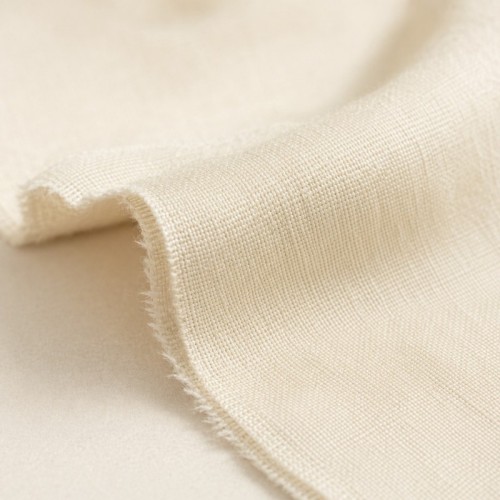
| Incoming material inspection | Fabric shade, handfeel, weight, surface, lint, button, loop, label and packing materials. | Prevents wrong material or accessory components from entering production. |
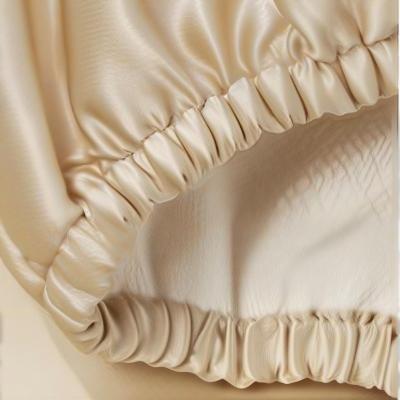
| First-piece inspection | Size, shape, edge binding, logo placement, button or loop position and fold size. | Finds setup issues before the line produces a full batch. |
| In-line patrol | Stitching consistency, loose threads, seam tension, fabric defects and logo clarity. | Reduces repeated defects across the order. |
| Finished-goods inspection | Absorbency spot check, color match, packing, barcode, carton mark and quantity. | Confirms the shipment matches the approved sample and packing file. |
What photos and videos should buyers ask for before shipment?
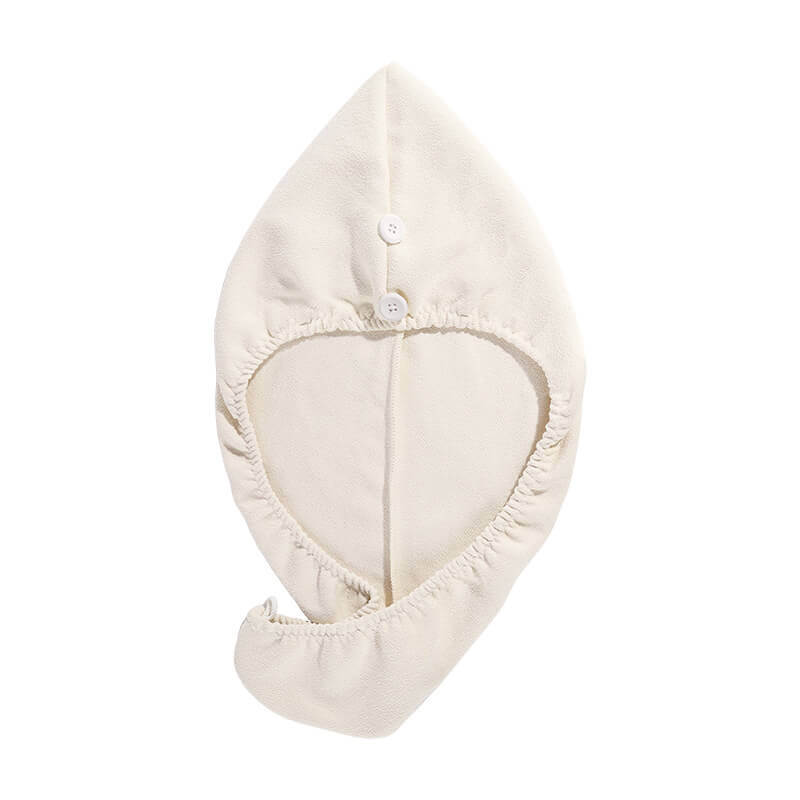
Pre-shipment evidence should show the buyer what will actually leave the factory. For hair towel orders, photos should cover finished towels, close-up stitching, edge binding, logo, button or loop, folded packing, inner packing, carton mark and quantity labels. If the order is part of a GWP set, the photos should also show how the towel coordinates with the other accessory components.
A short video can help when the buyer cares about softness, folding process, packing sequence or carton loading. Video does not replace physical QC, but it gives the buyer a clearer view of finished goods before shipment approval. For urgent launch kits, that visibility can prevent late confusion between buyer, supplier and freight handoff.
Open the related Ecorivta page
- Finished towel front and back view.
- Close-up of edge binding, stitching, button or loop.
- Logo label, embroidery or print close-up.
- Folded towel and final individual packing.
- Insert card, sleeve, barcode and carton mark if included.
- Carton quantity, carton label and overall shipment view.
- Set-packing photo if the towel is packed with pouches, scrunchies, headbands or haircare samples.
Send Hair Towel Pre-Shipment Photo Requirements
How is this article different from product and solution pages?
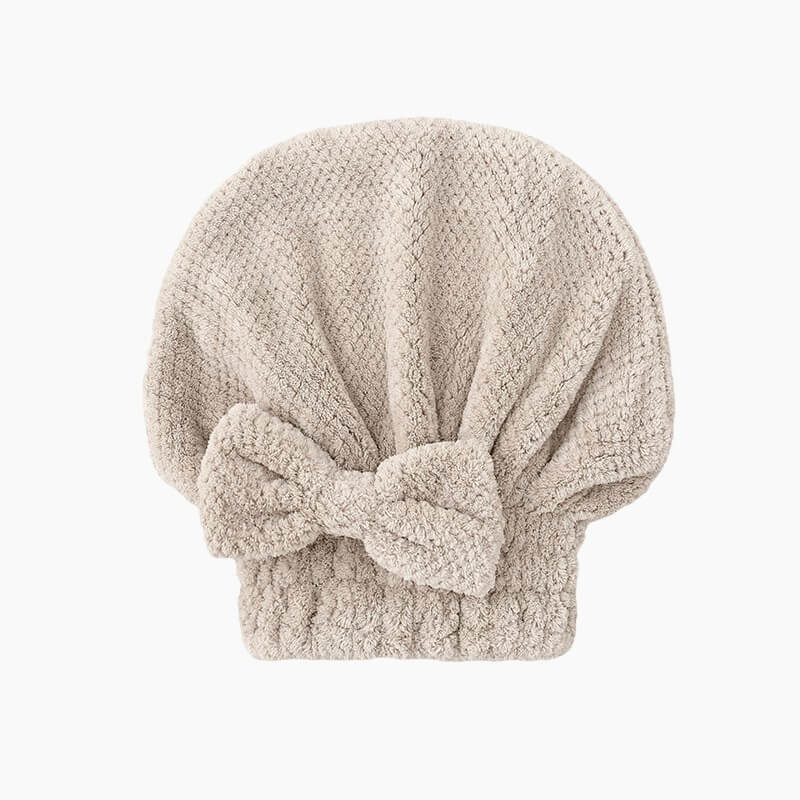
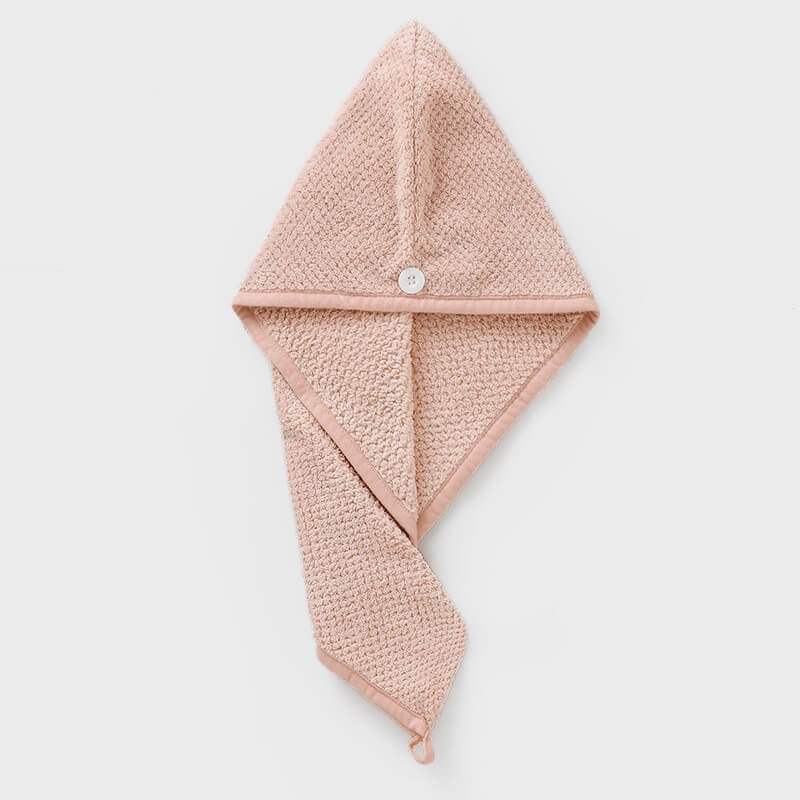
The hair towel product page [4] should carry product intent: material routes, OEM options, logo methods, MOQ and product showcase. This article is narrower. It explains how a buyer should check QC details before and during bulk hair towel production.
It is also different from the hair accessories manufacturer brief [5], which covers a broader accessory launch kit. Hair towel QC needs its own checklist because fabric absorbency, color fastness, edge binding, loop strength, folding and pre-shipment evidence are specific to towel-style products.
The quality control page explains Ecorivta’s factory process across categories. This article turns that process into a hair towel-specific buyer checklist for haircare brands, beauty GWP buyers, spa programs and retail gift planners.
What can Ecorivta deliver for hair towel QC programs?
Open the related Ecorivta page
| Buyer situation | What Ecorivta can support | What buyers should prepare |
|---|---|---|
| Haircare, beauty GWP, spa, retail gift or private label teams sourcing microfiber, bamboo, coral fleece, waffle or blended hair towels. | Material route review, sample standard control, QC checklist setup and pre-shipment evidence planning. | Use case, target price, quantity, launch timing, material direction, size and packing route. |
| Custom logo towel orders with folded packing, insert cards, barcode, carton marks or set packing. | Logo placement, folded presentation, packing file review, carton mark check and photo evidence before shipment. | Logo files, artwork, barcode data, packing scope, channel split and final shipment requirements. |
| Projects that already have a sample but need a cleaner bulk approval path. | Signed standard sample review, pre-production sample check, in-line inspection points and finished-goods checklist. | Approved sample, target market, order quantity, material request and any required buyer-side QC format. |
How Ecorivta sets a hair towel QC route before bulk shipment
- Confirm the buyer brief: Review use case, target price, launch timing, material direction, size, logo method, packing route and target market.
- Lock the signed standard sample: Keep the approved material, size, stitching, binding, button or loop, logo and folding method as the physical reference.
- Check incoming materials: Review fabric shade, handfeel, weight, lint, labels, buttons, loops and packing components before production starts.
- Inspect early production: Check first pieces against the signed sample before the full line continues.
- Run in-line patrol: Watch stitching, edge binding, logo placement, loose threads, defects and size consistency during production.
- Confirm finished goods: Review packed towels, barcode, carton mark, quantity labels and pre-shipment photos or videos before shipment approval.
Verified Production Evidence: What the 10,000-Piece Order Can Prove
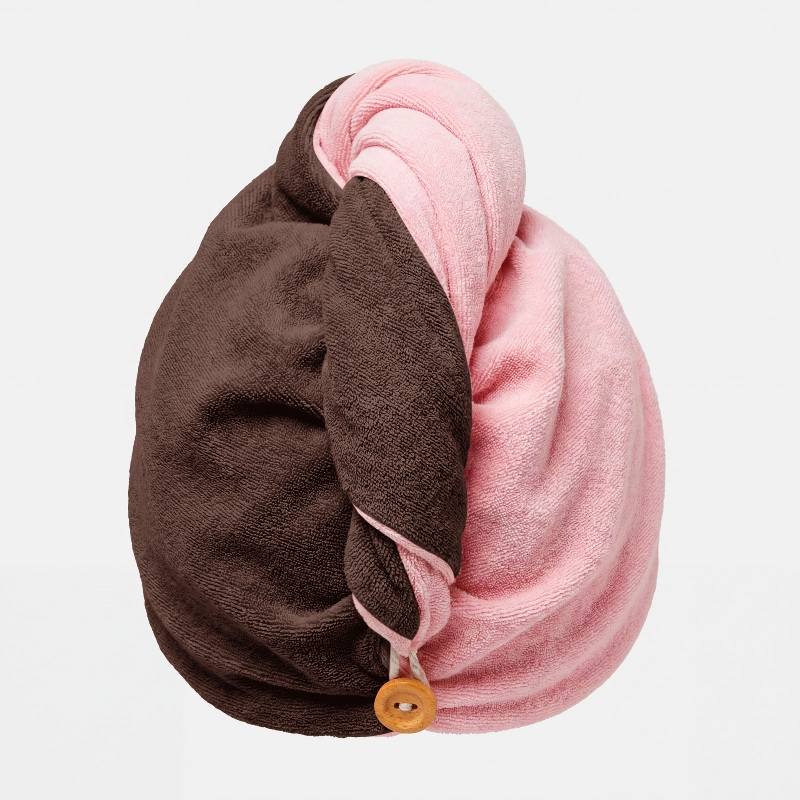
Ecorivta completed an order for 10,000 two-tone microfiber hair turbans at a finished size of 65 × 25 cm. The approved construction used a traditional button with an elastic loop and a paper sleeve. The edge logo print needed repeated tuning, so the artwork was kept simple rather than forcing a complex brand symbol onto the narrow binding.
| Evidence status | What this order supports | QC implication |
|---|---|---|
| Verified | 10,000 pieces, 65 × 25 cm finished size, microfiber, two-tone colour, button-and-elastic-loop closure, edge logo print and paper sleeve. | Check finished size, colour split, closure position, edge-logo clarity and folded packout against the approved sample. |
| Not evidenced | Wash performance and long-term durability records were not retained for this project. | Do not turn this order into a wash-performance claim. Set a separate test method when those results matter to the buyer. |
This distinction matters in a QC article. A completed order can prove the approved construction and packout route; it cannot prove every performance claim that was not recorded. Buyers should define any required wash, absorbency or durability test before bulk production rather than infer it from shipment quantity.
Open the related Ecorivta page
FAQ
What should a buyer ask a hair towel manufacturer before sampling?
The buyer should share product use, target price, launch timing, material direction, size, logo method, packing route, quantity split and target market. For GWP or retail gift programs, it also helps to explain whether the towel is sold alone, packed in a kit or used as a purchase incentive.
Which QC checks matter most for custom hair towels?
Important checks include absorbency, handfeel, lint, color fastness, size, stitching, edge binding, button or loop strength, logo placement, folded packing, barcode, carton mark and pre-shipment evidence.
Why is a signed standard sample important?
The signed standard sample gives the workshop and buyer a shared reference for material, size, logo, stitching, edge binding, button or loop position, folding and packing. Without it, bulk production can drift away from the approved sample.
Should buyers ask for pre-shipment photos or videos?
Yes. Photos and short videos help buyers see finished towels, close-up stitching, logo details, folded packing, carton marks and quantity labels before shipment. They do not replace inspection, but they improve visibility before release.
How is hair towel QC different from scrunchie or headband QC?
Hair towel QC is more focused on absorbency, fabric weight, lint, edge binding, button or loop strength, folding and towel shape. Scrunchie and headband QC focus more on elastic recovery, fit, label scale and comfort.
What MOQ and timeline should buyers plan for?
MOQ and timeline depend on material, color, logo method, packing scope, documentation and approval speed. For custom beauty GWP towel routes, buyers should share quantity and launch window early so Ecorivta can confirm a realistic sample and bulk plan.
RFQ contact options
Trademark and certification notice
Pantone, GS1, BSCI, Sedex, SMETA, GRS and OEKO-TEX names belong to their respective organizations. This supplier-side sourcing article does not claim that each product, material, order or shipment automatically carries each listed document, barcode approval, color approval or test report. Buyers should confirm current document scope, artwork ownership, barcode data, packing artwork and market rules before finalizing quotation or bulk production.

Open the related Ecorivta page
Sources
- Use Ecorivta’s hair towel page for product-specific material, logo, MOQ, OEM and product showcase context before setting a QC checklist. Source ↩
- Use Ecorivta’s beauty GWP solution page when the towel must coordinate with a broader beauty accessory or launch kit program. Source ↩
- Use Ecorivta’s quality control page for the broader factory QC workflow across samples, incoming materials, production and final checks. Source ↩
- Use the hair towel product page when buyer intent is product selection, material route, logo method or MOQ discussion rather than QC workflow. Source ↩
- Use the hair accessories manufacturer brief when the buyer needs a broader launch kit route across scrunchies, headbands, clips, hair towels and hair caps. Source ↩