Insert cards, hangtags, sleeves and stickers are small paper components, but they control how a sustainable Beauty GWP bag explains material story, care note, QR code, barcode and claim boundary.
Buyer Summary
Paper components should be treated as approval items, not small afterthoughts. The purchasing conclusion is clear: before printing, buyers should define the component type, paper route, artwork file, claim wording, QR or barcode requirement, placement, sample evidence and whether insert cards, hangtags, sleeves or stickers need separate quote lines. For sustainable Beauty GWP bags, paper wording should stay tied to the exact component and proof behind it, so an FSC paper card, recycled fabric note or reuse message does not become a broad whole-product claim.
| Best for | This guide is best for beauty brand buyers, private-label teams, sourcing managers, product marketers and GWP owners adding thank-you cards, material cards, hangtags, sleeves, stickers, QR codes, barcodes or SKU labels to cosmetic bag gift projects. It fits buyers who already have a bag route and now need to make the paper component printable, packable, quote-ready and claim-aware before bulk. It is especially useful when the buyer must separate base bag cost from paper-component cost, keep environmental wording tied to component-level proof, and approve placement in a packed sample before production, launch photography, retailer review, distributor review or warehouse handoff. |
| Less suitable | This guide is less suitable for one-piece personal orders, stock bag purchases without artwork, projects that only need a broad certification comparison, or buyers who have not yet chosen the bag style, material route, campaign message, target quantity or paper component type. It is also not a legal review, claim-copy writing service, certification manual, full retail packaging brief or logistics guide. If the buyer needs to decide between bag materials first, the paper checklist should wait until the bag route and claim scope are clearer. |
| Ecorivta reality | All four paper routes are common. Ecorivta usually lists them separately for buyers, especially for smaller quantities where printing setup cost matters. |
| Core boundary | This is a paper-component execution checklist, not a certification guide, claim-copy guide or full packaging brief. |
Why do paper components matter in a Beauty GWP bag?
A Beauty GWP bag is often judged before the buyer even opens the zipper. The thank-you card, insert card, hangtag, sleeve or sticker tells the recipient what the gift is, why the material was chosen and how the brand wants the campaign to feel. If the paper component is treated as an afterthought, the bag can look unfinished even when the stitching, logo and material are good.
For sustainable Beauty GWP bags, paper components also help keep claims controlled. A card can explain that a fabric uses recycled content, that a paper sleeve uses FSC paper, or that the bag is designed for reuse. The card should not turn a component-level fact into a whole-product promise. Environmental wording [1] should match the evidence and placement behind it.
Working logic: card type -> paper scope -> artwork -> wording -> placement -> packed sample -> separate quote line.
How is this different from claim copy, certification and packaging guides?
This article is narrow by design. It does not replace a claim-safe copy review, a certification comparison or a clear bag packaging brief. Those routes answer broader questions. This checklist answers the execution question: when a Beauty GWP bag needs an insert card, hangtag, sleeve or sticker, what exactly should the buyer approve before the paper component is printed and packed?
| Related buyer question | Better route | How this checklist helps |
|---|---|---|
| How should eco wording be written? | Send claim wording | Place approved wording on a specific card, tag, sleeve or sticker. |
| Which proof is needed? | Send proof scope | Separate paper-component proof from bag-material proof. |
| How should a clear pouch be packed? | Send packaging scope | Define insert card, hangtag, sleeve and sticker execution details. |
| What should be attached before quote? | Send RFQ fields | List paper components as separate cost and approval items. |
Which paper components do Beauty brands usually request?
In Ecorivta projects, insert cards, hangtags, sleeves and stickers are all common. The choice depends on whether the brand wants an inside message, an outside retail signal, a more gift-ready wrap or a simple label. A thank-you card is also common when the bag is part of a beauty launch kit, skincare gift set, influencer package or loyalty gift.
| Component | Best use | Main decision | Common cost note |
|---|---|---|---|
| Insert card / thank-you card | Campaign message, material story, care note, QR code or brand thank-you. | Card size, paper weight, copy and position inside the bag. | Often listed separately because artwork and printing setup matter. |
| Hangtag | Visible outside signal for material story, barcode, care note or collection message. | Hole, string, attachment position and whether it may scratch or bend. | Separate quote line helps show tag, string and labor clearly. |
| Sleeve | Gift-ready wrap, retail shelf effect or FSC paper story. | Sleeve size, folding, paper route and bag fit. | Can affect sample timing and packing labor. |
| Sticker | Simple campaign label, seal, SKU mark or box/pouch identifier. | Adhesive, size, location and whether it leaves residue. | Small items still need setup and print approval. |
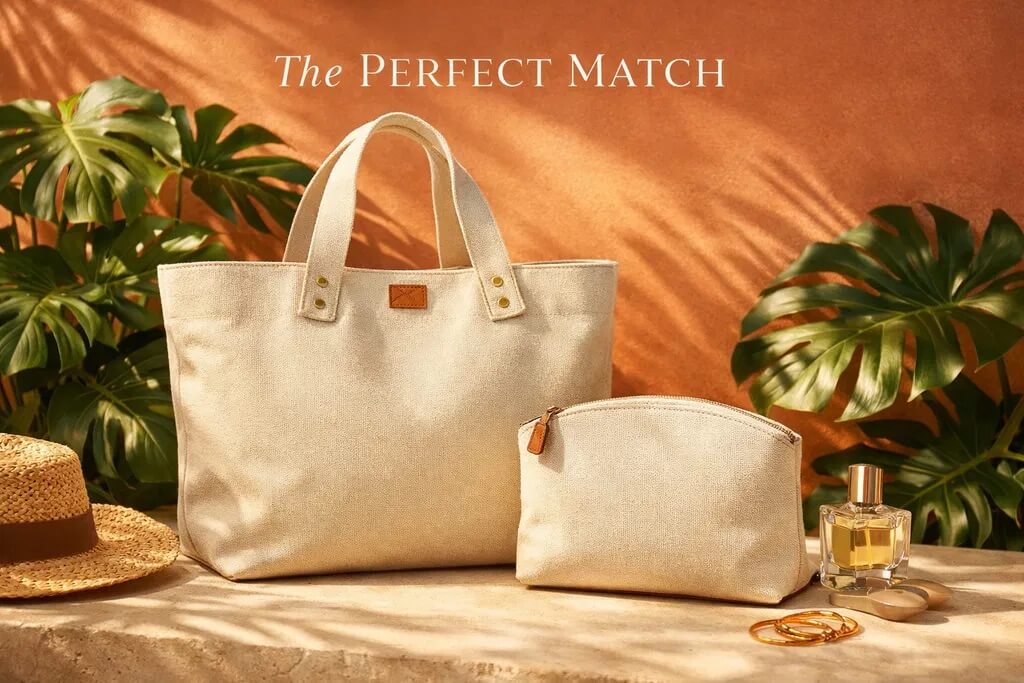 Gift-ready presentation Paper components turn a cosmetic bag into a gift-ready Beauty GWP presentation. |
 Warm launch-kit message Thank-you cards and insert cards are common when the buyer wants a warmer launch-kit message. |
What should go on an insert card versus a hangtag?
The simplest way to decide is visibility. An insert card is better for explanatory copy that the recipient reads after opening the gift. A hangtag is better for short, visible information that needs to be seen before the bag is opened. A sleeve can make the gift look more retail-ready. A sticker is better for sealing, SKU control or a simple campaign mark. If the paper component carries a barcode or product identifier, the buyer should confirm the barcode format and scan requirement [4] before print approval.
| Information type | Best placement | Why |
|---|---|---|
| Thank-you note | Insert card | Feels personal and does not crowd the bag surface. |
| Material story | Insert card or hangtag | Can explain material route without overprinting the bag. |
| Care note | Hangtag or insert card | Easy for the recipient to keep or read before use. |
| QR code | Insert card, hangtag or sleeve | Needs enough size, contrast and clean background. |
| Barcode / SKU | Hangtag, sleeve or sticker | Useful for retail, distributor or warehouse handling. |
| FSC paper note | On the paper component itself | Claim should stay with the paper item, not imply the whole bag is FSC. |
How should sustainable wording stay at component level?
A paper card can make a sustainability message clearer, but it can also create risk if the copy is too broad. A buyer may want to say sustainable gift bag, but the supplier needs to know whether the statement refers to recycled fabric, FSC paper, reusable design, lower-plastic packing or another route. This guide is supplier-side guidance, not legal advice.
If the paper component itself uses FSC paper, recycled paper or another responsible paper route, the wording should name that component. FSC label use [2] should follow FSC scope and usage rules. Recycled textile claims [3] should be checked separately from paper claims. If the card mentions skin-contact or textile safety, that wording should not be mixed with paper certification unless the supplier has reviewed the correct textile safety evidence [5].
| Buyer wants to say | Safer execution question | Where it may belong |
|---|---|---|
| Eco-friendly bag | Which component is eco and what proof supports it? | Insert card explanation after proof review. |
| FSC packaging | Is the insert card, sleeve, tag or paper box the FSC component? | On that paper component only. |
| Made with recycled material | Which fabric or part uses recycled content? | Insert card, hangtag or product page with component scope. |
| Reusable gift pouch | Does the structure, zipper and size support reuse? | Insert card or hangtag after sample review. |
| Thank you for choosing a conscious gift | Is it a campaign message rather than a technical claim? | Thank-you card with conservative wording. |
Why should paper components be quoted as separate line items?
Ecorivta often lists paper components separately for buyers. This is especially important for smaller quantities because insert cards, hangtags, sleeves and stickers may involve printing setup, machine time, artwork review, die cutting, string, folding or additional packing labor. A buyer may think the item is small, but a small paper component still creates a real production route.
Separate line items make the quote clearer. The buyer can see the base bag price, paper-card price, hangtag price, sleeve price, sticker price and packing labor if needed. This prevents a common comparison problem: one supplier hides paper components inside a vague price, while another supplier lists them clearly. Clear quote records also support a cleaner quality-management workflow [6] when artwork, paper proof and packed sample approval must be tracked by different teams.
| Quote line | Why list it separately? | Buyer decision it protects |
|---|---|---|
| Base bag | Shows the product cost without paper extras. | Bag material, size, logo and structure. |
| Insert card / thank-you card | Shows paper, print and setup impact. | Campaign story and care-note approval. |
| Hangtag | Shows tag, hole, string and attachment labor. | Visible material story and retail signal. |
| Sleeve | Shows paper wrap, folding and packing work. | Gift-ready presentation. |
| Sticker | Shows label print and placement scope. | Seal, SKU or simple campaign marking. |
| Packed sample | Shows whether the paper component is checked with the real bag. | Final presentation before bulk. |
What artwork details should be approved before printing?
Paper artwork should be approved before bulk printing, not after bag production is finished. The buyer should confirm copy, logo, QR code, barcode, language version, paper color, paper weight and print finish. If the card carries a claim, the wording should be checked before the artwork is locked. If the QR code or barcode matters, it should be tested at real printed size, not only in a digital proof.
| Artwork field | Approval question | Risk if skipped |
|---|---|---|
| Card size | Will it fit inside the bag without bending? | Card curls, folds or covers the product set. |
| Logo and brand color | Are files print-ready and color expectations clear? | Brand presentation looks weaker than the bag. |
| QR code | Can it scan after print at actual size? | Campaign link fails after bulk printing. |
| Barcode / SKU | Does retailer or distributor need a specific format? | Warehouse or retail handoff delay. |
| Claim wording | Does it match material or paper-component proof? | Late copy revision after card approval. |
| Language version | Are markets and carton versions separated? | Wrong card packed for the wrong market. |
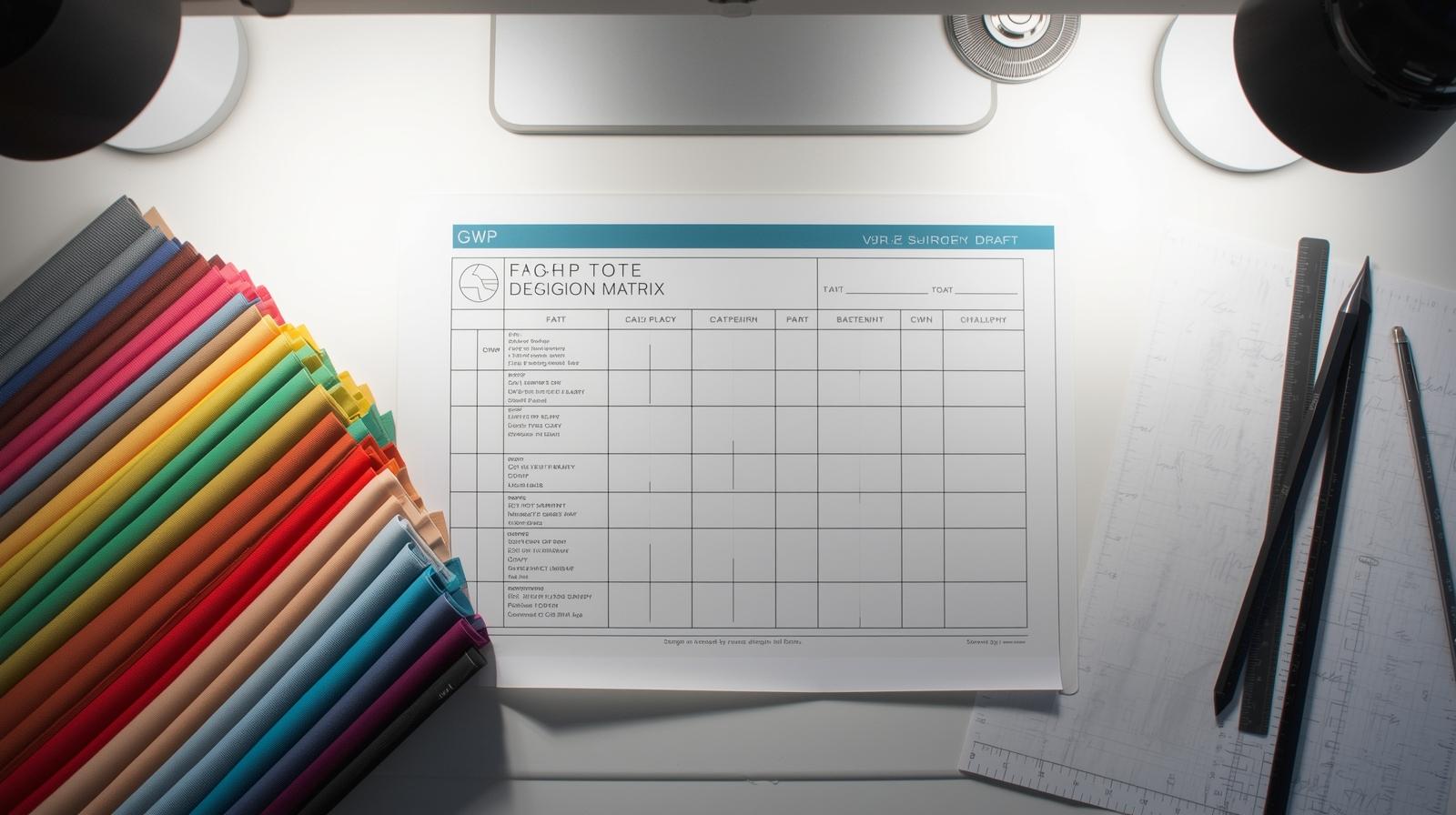 Artwork approval Artwork, paper size and material story should be checked together before printing. |
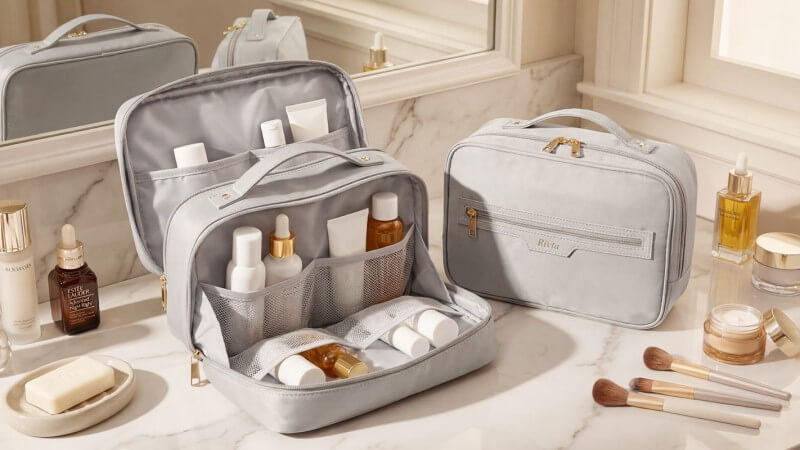 Brand presentation A paper card should support the branded cosmetic bag, not compete with it visually. |
How should market version, ingredient handoff and carton mark details be controlled?
Paper components often sit between brand artwork, product information, retailer data and warehouse receiving. That is why the approval file should not only show a pretty card or hangtag. It should also record market version, ingredient handoff, legal text handoff, carton mark needs and final barcode or QR code ownership before bulk printing.
Market version matters when one Beauty GWP bag has different language, retailer, distributor or country requirements. A thank-you card for one market may need different care wording, QR landing page, barcode, SKU label or sleeve copy in another market. If the buyer does not separate market version files, the supplier may print the right design in the wrong language or pack the wrong card with the right bag.
Ingredient handoff and legal text handoff are usually buyer-owned. Ecorivta can place approved wording on an insert card, hangtag, sleeve or sticker, but the buyer should confirm who provides ingredient wording, legal text, warning language, retailer-required text and final approval. The supplier should not rewrite regulated or claim-sensitive wording from memory.
Carton mark details should also be linked to the paper component approval file when the card, hangtag, sleeve or sticker affects SKU, market version or retail receiving. PO number, SKU, item code, destination, quantity, carton sequence and handling mark fields should be confirmed before final packing records are closed.
| Control item | Buyer should provide | Approval file should show |
|---|---|---|
| Market version | Country, language, retailer, distributor, SKU and QR landing page version. | Which card, tag, sleeve or sticker belongs to each market version. |
| Ingredient handoff | Ingredient wording owner, final text source and product or sample set reference. | Where the approved ingredient wording appears, if it appears on the paper component. |
| Legal text handoff | Warning text, claim-sensitive wording, responsible reviewer and final approval date. | Exact legal text handoff version used for printing. |
| Carton mark | PO, SKU, item number, destination, quantity, carton sequence and handling mark. | Carton mark proof linked to the same market version and SKU record. |
| Barcode / QR code | Final code data, size requirement, scan owner and landing page or SKU destination. | Printed proof or scan photo at actual size. |
How should placement be checked in a packed sample?
Even when paper components rarely cause major rework, placement should still be checked in the packed sample. A thank-you card may slide inside a pouch. A hangtag may sit in an awkward position. A sleeve may feel too tight. A sticker may cover the wrong visual area. These are simple checks, but they should be finished before bulk packing.
| Placement route | Check in sample | Decision to confirm |
|---|---|---|
| Insert card inside bag | Does it stay flat and visible after product fill? | Card size, paper weight and position. |
| Hangtag outside bag | Does it hang cleanly without scratching or hiding the logo? | Hole, string, tag size and attachment point. |
| Sleeve around bag | Does it fit without bending the bag or hiding key design details? | Sleeve width, folding and paper stiffness. |
| Sticker on bag or packing | Does it seal or label without residue concerns? | Adhesive, location and removal expectation. |
| Multi-item gift set | Does the card compete with bottles, tubes or samples? | Product fill and final packed look. |
What does a thank-you card scenario teach?
Composite anonymized scenario: A skincare buyer prepared a sustainable Beauty GWP pouch and wanted to add a thank-you card. The first request treated the card as a small extra item, but the card actually carried three important messages: a thank-you note, a short material story and a QR code for the campaign page. Ecorivta separated the card from the base bag quote because the buyer’s quantity was not high and the printing setup needed to be visible.
The next issue was wording. The buyer wanted the card to make the gift feel responsible, but the paper component, pouch fabric and campaign page had different proof routes. Ecorivta kept the environmental sentence conservative because green-claims review [7] should be tied to real component evidence, not a general mood-board description. The card wording named the material story without implying that the paper, zipper, lining and full gift set shared the same proof.
The project stayed simple. There was no major rework issue. The useful lesson was quote and approval clarity. The team confirmed card size, paper route, print side, QR code size, wording, insert position and whether the card should sit inside the pouch or outside with the sleeve. The buyer then approved the bag sample together with the card position. That made the final GWP look more complete without turning a simple paper item into a hidden cost or late-stage artwork problem. A small paper card still needs a clear owner, proof scope and packed-sample photo.
Anonymous feedback from brand buyers
These comments summarize recurring buyer-side concerns Ecorivta hears during Beauty GWP paper component planning. Names are withheld because the points are used only to explain sourcing patterns, not to identify customers, retailers, distributors or internal brand teams.
| Buyer role | Feedback pattern | Practical lesson |
|---|---|---|
| Brand marketer | The insert card message looked good in a mock-up, but the QR code was too small after printing. | Test QR and barcode size at real print scale before bulk approval. |
| Sourcing buyer | A supplier included paper cards inside a vague unit price, while another listed the card separately, making quotes hard to compare. | Ask for separate quote lines when artwork, printing setup or packing labor changes cost. |
| Product team | The sleeve looked premium, but it covered the pouch logo and made the gift harder to recognize. | Approve sleeve, tag and card placement with the actual bag and product fill. |
What should buyers avoid when adding cards and tags?
- Do not assume an FSC paper card certifies the entire cosmetic bag.
- Do not approve broad eco wording before the material or paper scope is clear.
- Do not ask suppliers to include paper cards without showing whether they are separate quote lines.
- Do not approve QR codes or barcodes only in a digital mock-up if scanning matters.
- Do not add a large hangtag without checking whether it hides the logo or scratches the bag surface.
- Do not wait until final packing to decide insert card size, sleeve size or language version.
Which related route should buyers use next?
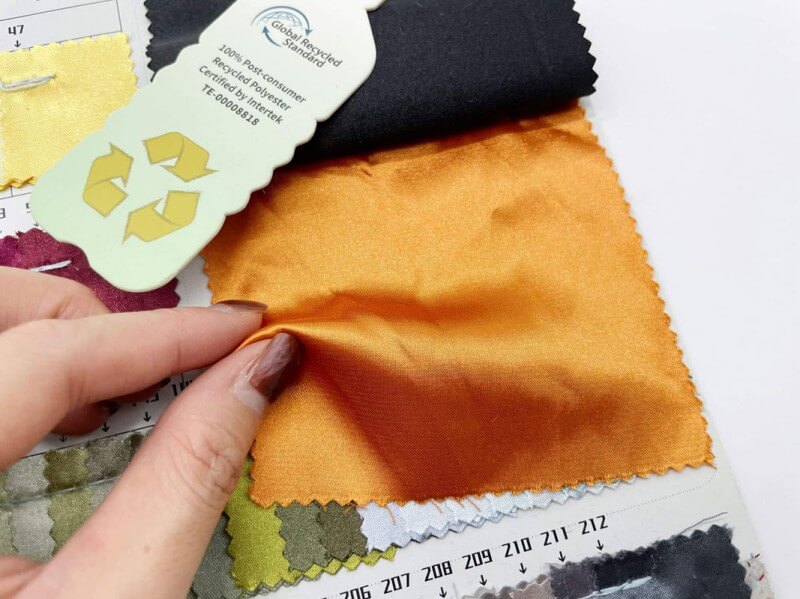
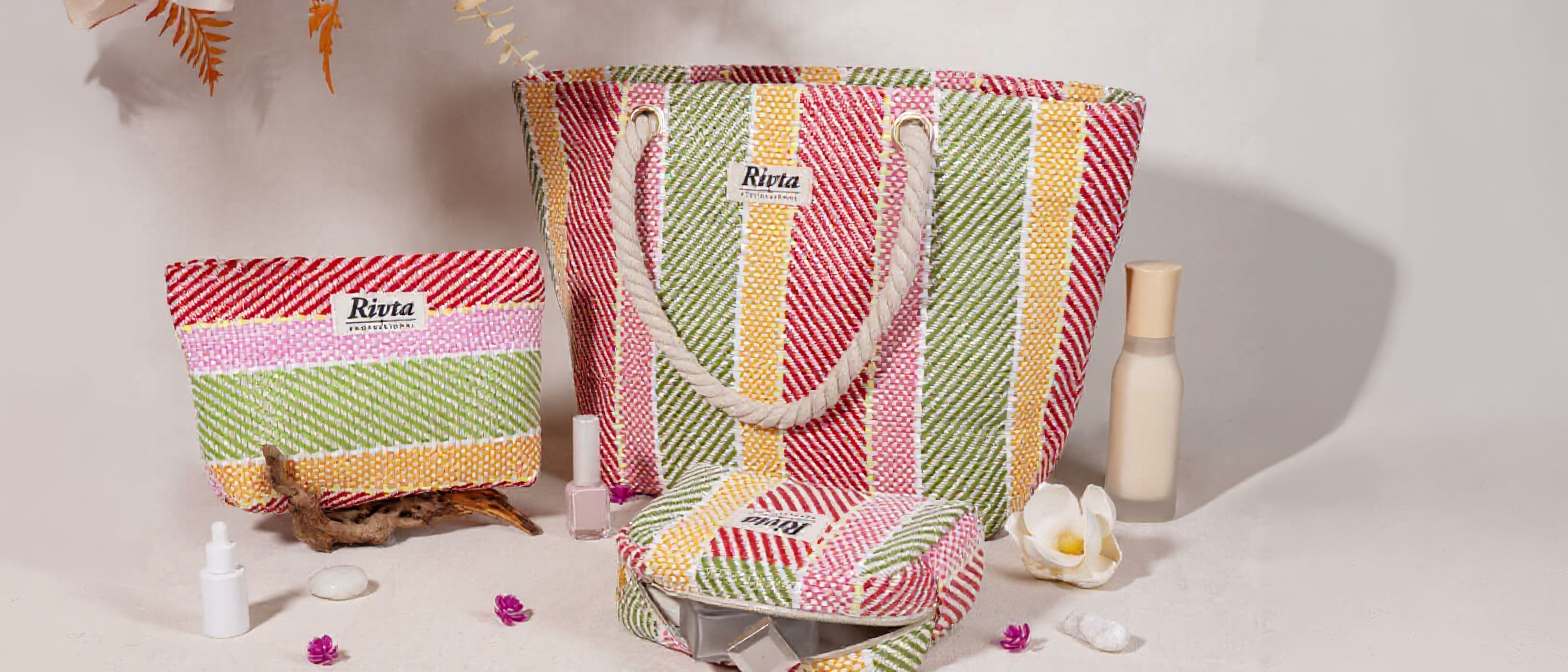 Claim wording route Use this when the buyer needs safer eco copy before the paper component is printed. |
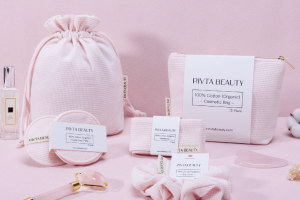
 Certification route Use this when the buyer needs to separate paper proof, material proof and audit proof. |
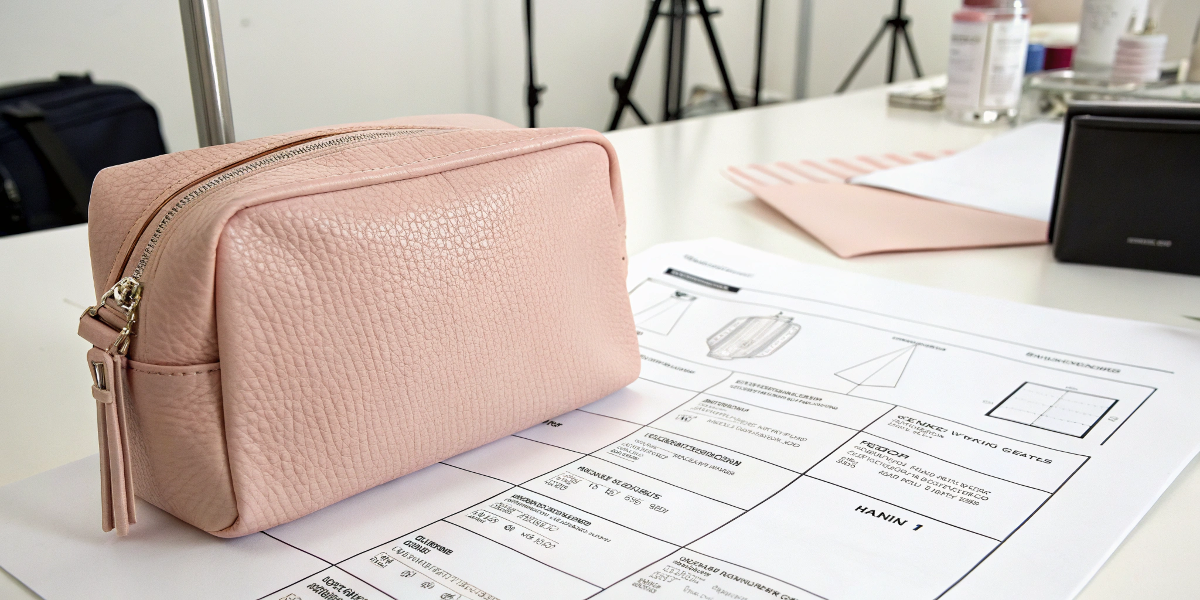
 Packaging route Use this when the clear pouch, sleeve, label and carton scope need a broader brief. |
 RFQ route Use this when paper components should be included before the first quote. |
 Timeline route Use this when card artwork, sample approval and launch timing need to be scheduled. |
 Supplier review route Send card size, artwork, paper route, quantity and packing method for quote review. |
| Buyer question | Best next step | Why |
|---|---|---|
| How should eco wording be written? | Send claim copy | Use when wording examples and claim risk need review. |
| Which certificate or proof is needed? | Send document scope | Use when paper proof, material proof and audit evidence must be separated. |
| How should a clear pouch be packed? | Send packaging brief | Use when clear pouch packing scope and travel retail details matter. |
| What should be attached before quote? | Send RFQ package | Use when the overall RFQ file package is ready. |
| Need a supplier quote? | Contact Ecorivta | Use when card, tag, sleeve or sticker fields are ready. |
Copy-ready insert card and hangtag RFQ brief
- Project type: Beauty GWP cosmetic bag / pouch / clear bag / skincare gift bag / launch kit.
- Paper component needed: insert card, thank-you card, hangtag, sleeve, sticker or combination.
- Quantity: bag quantity and paper component quantity. Confirm whether extras are needed.
- Size: card size, tag size, sleeve size or sticker size.
- Paper route: standard paper, FSC paper request, recycled paper request or buyer-specified paper.
- Artwork: AI / PDF file, logo, copy, QR code, barcode, language version and print side.
- Claim wording: exact text planned for the card, tag, sleeve or sticker.
- Placement: inside bag, attached outside, around bag, on polybag, on carton or packed with product fill.
- Quote preference: ask Ecorivta to list paper components separately from the base bag.
- Sample requirement: digital proof, paper proof, packed sample photo or physical packed sample.
Need a paper component quote for a Beauty GWP bag?
Send the bag style, quantity, card or tag artwork, paper route, claim wording, placement and sample requirement. Ecorivta can list insert cards, hangtags, sleeves or stickers clearly so the buyer can compare the base bag and paper component cost.
About the author
Lina Lv works with beauty brands and sourcing teams on custom cosmetic bags, Beauty GWP paper components, material route selection, logo methods, sample approval and production documentation. Her supplier-side work focuses on turning early campaign requirements into clear product briefs, realistic sample routes and traceable approval files before bulk production.
FAQ
Are insert cards and hangtags common for Ecorivta Beauty GWP projects?
Yes. Insert cards, thank-you cards, hangtags, sleeves and stickers are all common. The right route depends on whether the buyer needs a private message, visible outside tag, gift-ready wrap or simple label.
Should paper cards be included in the bag price?
They can be discussed with the bag, but Ecorivta often lists them separately for clarity. This is especially useful for smaller quantities because printing setup and machine costs can affect the quote.
Does an FSC card make the whole bag sustainable?
No. FSC can support the paper card, sleeve or tag when scope allows. It does not certify the cosmetic bag fabric, lining, zipper or the whole finished gift set.
What is the most common use for an insert card?
A thank-you message is common. Buyers may also use the card for material story, QR code, care note, claim explanation or campaign message.
When should the card or tag be approved?
Before bulk printing and before final packing. If the card or tag carries a claim, the wording and document scope should be checked before artwork approval.
Trademark notice
Brand, certification, retailer, barcode and standard references in this guide belong to their respective owners. References are used only to explain supplier-side paper component planning, claim placement and approval workflow. This guide is not legal or compliance advice.
Sources
- U.S. Federal Trade Commission, Green Guides environmental claims summary. Source ↩
- Forest Stewardship Council, FSC label guidance. Source ↩
- Textile Exchange, recycled standards. Source ↩
- GS1, barcode standards overview. Source ↩
- OEKO-TEX, STANDARD 100. Source ↩
- International Organization for Standardization, ISO 9001 quality management. Source ↩
- European Commission, Green Claims. Source ↩