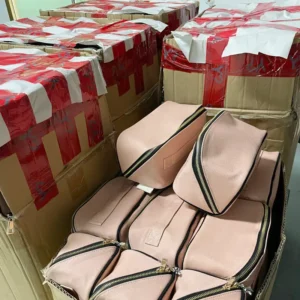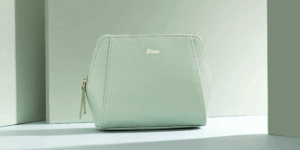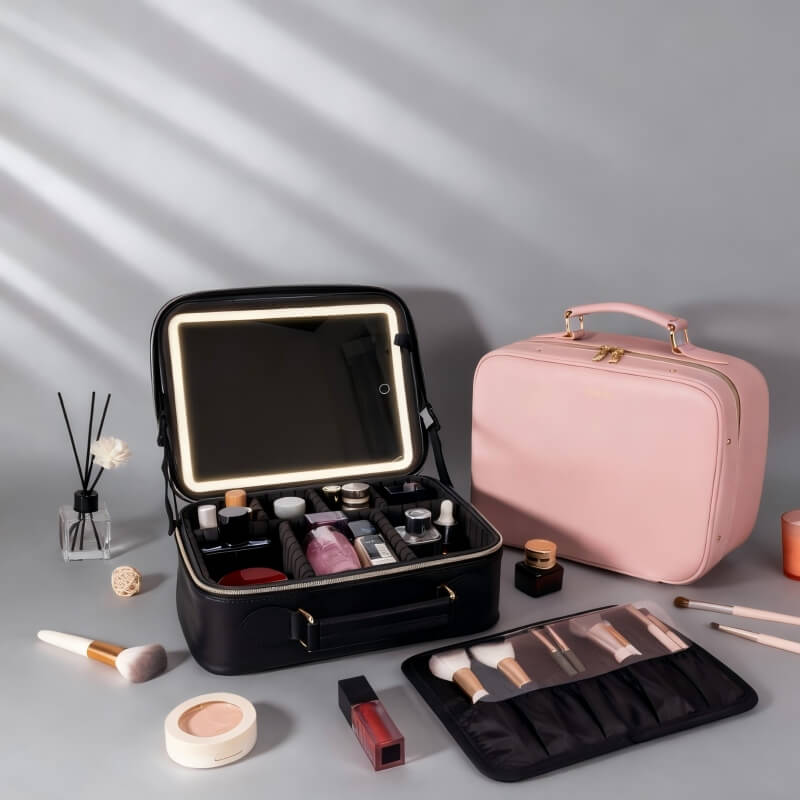
A vanity cosmetic case can look like a simple beauty bag in a photo, but the OEM spec sheet has to answer structural questions that a flat pouch does not. The buyer needs to define the shell, handle, zipper, insert, mirror, lining, hardware, logo, product fit and sample approval method before comparing supplier quotes.
This article is not a generic vanity case manufacturer checklist. It is a working spec-sheet guide for beauty GWP, retail gift set and makeup organizer projects where the case has structure and the internal layout matters.
Quick Spec Summary
- Lock the shell format first: soft vanity, semi-rigid case, rigid train case, fold-open organizer or molded interior.
- Define the product fit before decoration: bottles, jars, brushes, compact, palette, mirror, tools or empty gift presentation.
- Treat the handle, zipper and hinge points as structural decisions, not late design details.
- Specify the insert or divider route if the case must hold products in place during retail display, shipment or user opening.
- Keep color, logo, material claim and inspection wording clear enough that the sample can become the bulk reference.
Review a Vanity Case Spec Sheet
The Spec Sheet Should Start With Structure
If the buyer starts with outside appearance only, the first sample can miss the real use case. A vanity case may need to stand upright on a shelf, protect bottles, hold a mirror, carry brushes, keep a lid open, or present products in a launch kit. Those structural needs should be written before the artwork is approved.
| Spec area | What to define | Why it affects the quote |
|---|---|---|
| Shell | Soft, semi-rigid, rigid, boxy, rounded, fold-open or train-case style. | Changes material, reinforcement, cutting, sewing and sample route. |
| Interior | Open cavity, elastic straps, divider, brush slots, mirror panel or removable tray. | Changes labor, tolerance, internal measurements and testing. |
| Handle | Top handle, side handle, webbing, leather-like handle or no handle. | Changes stress points and reinforcement method. |
| Closure | Zipper, double zipper, lock, magnetic detail, hinge or flap. | Changes hardware cost and approval checks. |
| Logo | Metal plate, embroidery, deboss, woven label, print or packaging-only branding. | Changes tooling, sample timing and surface risk. |
The most useful supplier conversation is not “can you make this case?” It is “which structure can hold these products, meet this target price and still look like our brand?”
Shell, Handle and Zipper Route
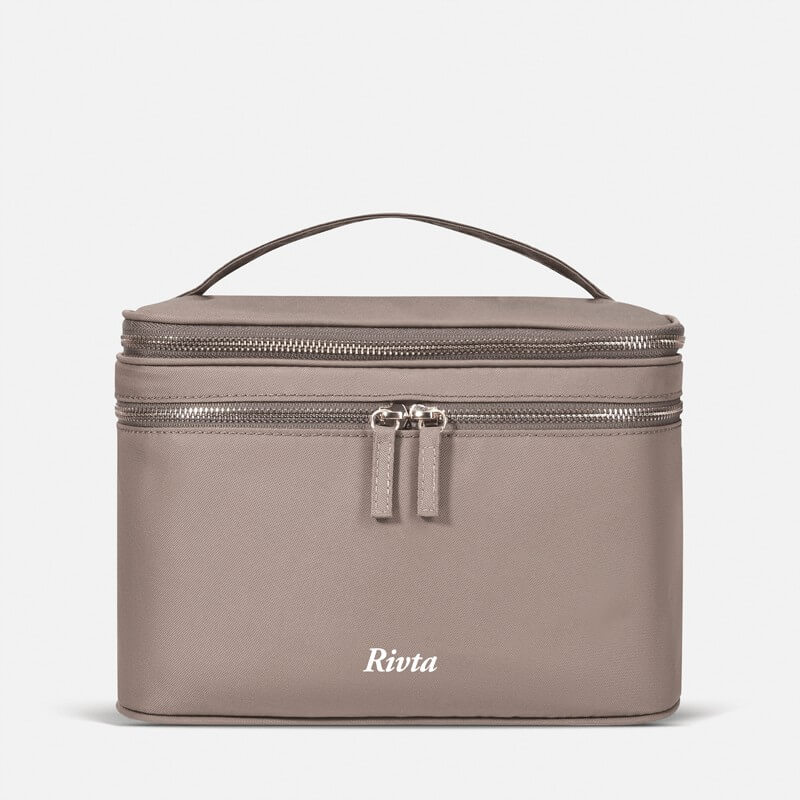
The shell decision controls the rest of the spec. A soft vanity case can be easier to pack and ship, but it may not hold a premium shape without reinforcement. A semi-rigid or rigid case can create stronger shelf presence, but the buyer needs to review added cost, carton volume and sampling complexity.
The handle should be treated as a stress point. If the buyer expects customers to carry bottles, tools or full-size products inside the case, the handle attachment and reinforcement need to match that use. A decorative handle is different from a load-bearing handle.
The zipper route also affects user experience. A double zipper may improve opening convenience, but it adds hardware and alignment checks. A fold-open case may need a smoother zipper path than a simple top-open vanity case.
Insert and Interior Fit

Interior fit is where many vanity case briefs become unclear. A buyer may show the outside case photo but forget to share the product dimensions that need to fit inside. If the case will hold actual products, Ecorivta needs the product list, sizes and orientation before the insert or divider is confirmed.
Useful inputs include:
- product names and dimensions;
- bottle or jar count;
- brush, compact, palette or mirror dimensions;
- whether products must be fixed in place or only loosely packed;
- whether the case ships filled or empty;
- whether the buyer wants removable inserts, elastic straps, dividers or open space;
- expected opening angle and display presentation.
If the product dimensions are not ready, the sample should be treated as a structure sample, not final bulk approval.
Color, Logo and Claim Wording
Color and logo look simple in a digital mockup, but the vanity case may combine shell fabric, lining, handle, zipper tape, puller, metal plate and packaging. Each part can respond differently to the same color reference. Pantone systems are commonly used for color communication in design and packaging workflows.Pantone color systems 1
If the case uses fabric, lining, velvet, RPET or other material language, the buyer should also state whether textile testing or documentation is required. OEKO-TEX STANDARD 100 is one common reference point for textile product safety testing context.OEKO-TEX STANDARD 100 2
For recycled, eco or sustainable wording, the buyer should avoid broad packaging claims unless the wording and document path are clear. The FTC Green Guides are a useful reminder that environmental marketing claims should be specific and supported.FTC Green Guides 3
Sample Approval Should Match the Spec Sheet
A vanity case sample should not be approved only because it looks close to the rendering. The approval should match the written spec sheet.
Before bulk, check:
- shell shape and standing stability;
- handle attachment and reinforcement;
- zipper path, puller and opening angle;
- insert, divider, elastic strap or tray fit;
- actual product fit if the buyer has product dimensions;
- logo placement, logo hardware and surface finish;
- color match across shell, lining, zipper, puller and packaging;
- inside cleanliness, loose threads, glue marks and edge finishing;
- packed sample if the case ships with products or retail packaging.
If the buyer uses AQL or sampling language in the inspection plan, that should be defined clearly instead of added after bulk production. ISO 2859-1 is a standard reference for sampling procedures by attributes.ISO 2859-1 4
How This Fits Ecorivta’s Vanity Case Cluster
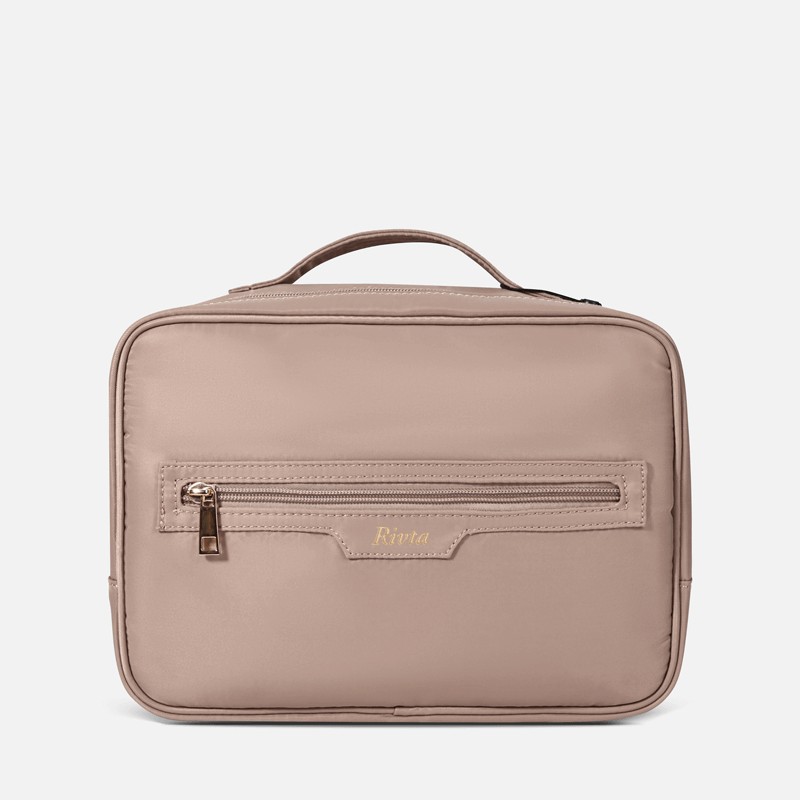
The main vanity and train cases page explains Ecorivta’s product scope: rigid shell, inserts, mirror options, logo, packaging, sample approval and QC support.
This article supports that page by turning the buyer’s idea into an OEM spec sheet. It does not replace the vanity train case manufacturer checklist, which is about supplier selection. It also does not replace the retail packing brief, which is about sleeve, insert card, barcode and carton-mark handoff.
Together, the cluster gives buyers three separate decisions:
- choose a vanity case supplier and product scope;
- define the structure and interior spec;
- hand off retail packing files after the structure is confirmed.
FAQ About Vanity Cosmetic Case OEM Spec Sheets
What should be included in a vanity cosmetic case spec sheet?
Include shell format, size, handle, zipper, interior layout, insert or divider, product-fit dimensions, lining, logo method, color reference, material claim wording, packing method and sample approval criteria.
Should the buyer confirm interior fit before the first sample?
Yes, if the case needs to hold actual bottles, jars, brushes, palettes or tools. Without product dimensions, the first sample can only confirm structure and appearance, not final fit.
Is a rigid vanity case always better than a soft vanity case?
No. A rigid case can create stronger presentation, but it may add cost, carton volume and sampling complexity. A soft or semi-rigid route may fit a GWP better when target price and packing efficiency matter.
When should logo hardware be decided?
Logo hardware should be decided before sample approval because metal plates, pullers, debossing, embroidery and labels can change tooling, surface risk and approval time.
Can Ecorivta help review a buyer’s product list for interior layout?
Yes. Send the product dimensions, expected packing orientation, case use, target price and sample deadline. Ecorivta can review whether the requested insert, divider or open-cavity route is realistic.
Send a Vanity Case Spec Sheet
If your team is building a vanity cosmetic case for a beauty GWP or retail gift set, send Ecorivta the shell idea, product dimensions, handle, zipper, interior layout, logo method, color, material claim and sample deadline. We can review whether the spec is ready for sampling.
-
Pantone color systems reference for product, lining, logo and packaging color communication. ↩︎
-
OEKO-TEX STANDARD 100 information for textile product safety testing context. ↩︎
-
FTC Green Guides for environmental claim boundaries when recycled, eco or sustainable wording is requested. ↩︎
-
ISO 2859-1 reference for sampling procedures by attributes when inspection language is included in the buyer’s approval plan. ↩︎