Choosing the wrong partner leads to low-quality products and empty promises. This can damage your brand’s reputation and credibility. Focusing on key criteria helps you find a true manufacturing partner.
A great eco-friendly tote bag manufacturer specializes in sustainable materials, holds verifiable certifications like GRS, and offers flexible customization. They should also have a robust quality control system and a proven track record, ensuring your brand partners with a genuinely committed and reliable supplier.
Selecting a manufacturer is a major decision for any brand. It goes far beyond just getting a product made; it’s about building a partnership that reflects your values and meets your standards. You need a partner who understands your vision and can bring it to life without compromising on quality or ethics. Let’s break down the essential factors to consider so you can make this choice with confidence.
Does Sustainability Drive Their Business, or Is It Just a Sideline?
Many suppliers claim to be eco-friendly. But for some, it’s just marketing language on a standard product. You deserve a partner whose entire business is built on true sustainability.
A genuinely eco-friendly manufacturer makes sustainability their core focus. Their website should offer detailed information on materials and processes. A dedicated section on sustainability, like sustainable materials library->, is a clear sign of their deep commitment and expertise.
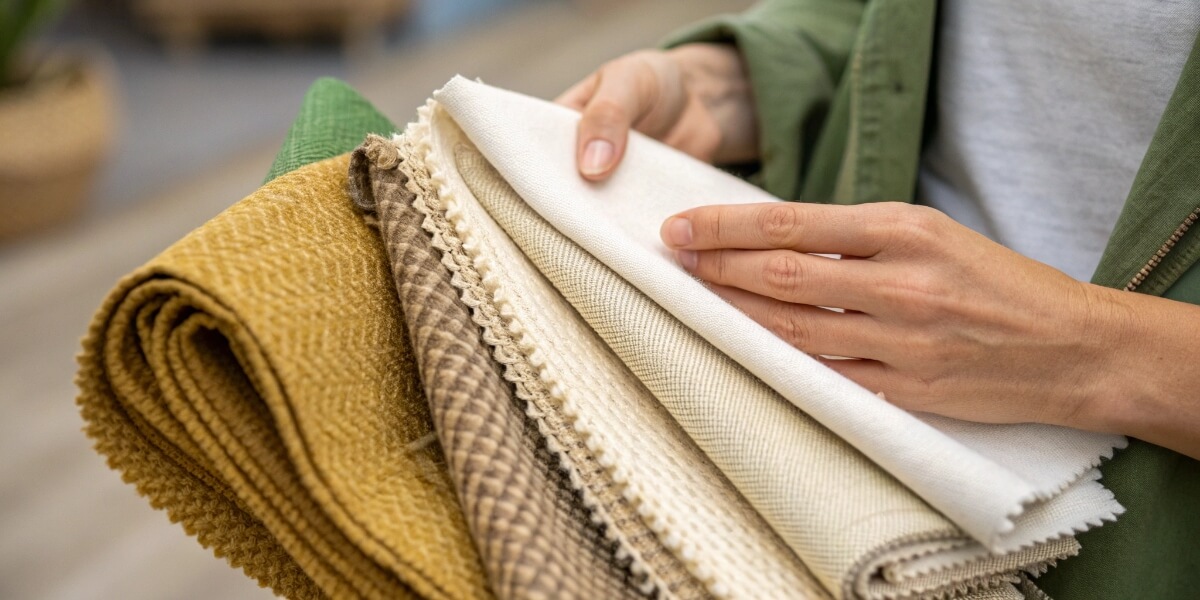
When you start your search, you’ll notice two types of suppliers: generalists and specialists. A generalist might offer a recycled polyester tote bag alongside thousands of other conventional products. For them, “eco-friendly” is often just another category. A specialist, on the other hand, lives and breathes sustainability. Their entire operation, from material sourcing to production techniques, is designed around it. They invest heavily in research and development for new eco-materials and understand the complex nuances of sustainable production.
I remember discussing a project with a potential supplier once. When I asked detailed questions about their rPET’s chain of custody, they couldn’t provide clear answers. It was an immediate red flag. A true specialist will not only have the answers but will be eager to share the details. They can explain the “why” behind their material choices and processes. This deep knowledge is what separates a true partner from a simple vendor.
Specialist vs. Generalist Manufacturer
| Feature | Sustainability Specialist | Generalist Manufacturer |
|---|---|---|
| Material Knowledge | In-depth expertise on a wide range of eco-materials | Basic knowledge of a few common options |
| R&D Investment | High, focused on new sustainable solutions | Low to none, follows market trends |
| Supply Chain | Transparent and traceable | Often complex and unclear |
| Commitment | Integrated into the core business model | Treated as an optional product category |
Do Their Customization Options and Prices Fit Your Brand’s Needs?
Rigid minimum order quantities and limited options can stop a great project before it starts. This inflexibility can be costly. Find a partner who offers the flexibility your brand needs.
A good partner provides a wide range of customization options, from materials and hardware to printing techniques. They should offer competitive pricing and flexible terms, like reasonable MOQs, tailored to the demands of beauty and wellness brands. Check out their custom tote bag capabilities-> to see their range.
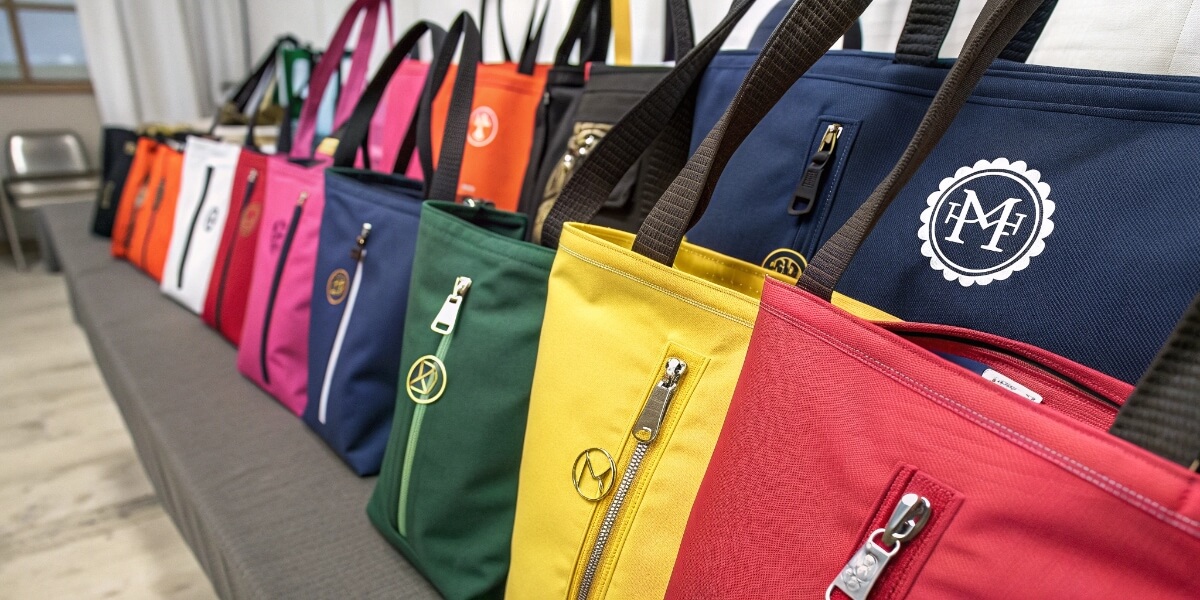
For personal care and beauty brands, a tote bag is more than just a bag; it’s an extension of the brand experience. The color needs to match your packaging perfectly, the fabric must feel right, and the size has to be practical for your customers. This is where customization becomes critical. Your manufacturing partner should function like an extension of your design team, offering a toolbox of options to bring your vision to life. This includes a diverse selection of eco-friendly materials, various printing methods like screen printing or embroidery, and different hardware choices.
Equally important are the commercial terms. A manufacturer who understands the industry knows that brands often need to test new products or launch limited editions. Extremely high Minimum Order Quantities (MOQs) can make this impossible. Look for a partner who offers reasonable MOQs and transparent pricing without hidden costs. Their willingness to work with you on terms demonstrates a commitment to a long-term relationship, not just a one-time order.
Key Customization Factors for Brands
| Factor | What to Look For | Why It Matters |
|---|---|---|
| Material Options | A wide variety of sustainable fabrics (rPET, organic cotton, etc.) | Allows for perfect alignment with brand aesthetics and values. |
| Printing & Branding | Multiple techniques (screen printing, digital, embroidery) | Ensures your logo and designs are rendered with high quality. |
| MOQ | Flexible and reasonable quantities | Enables product testing and reduces upfront financial risk. |
| Lead Time | Clear and reliable production and shipping timelines | Crucial for planning marketing campaigns and product launches. |
Can They Prove Their Materials Are Genuinely Eco-Friendly?
Greenwashing is a real problem in our industry. Brands are unknowingly sold products with false claims. This damages trust and undermines your genuine efforts to be sustainable and responsible.
An honest manufacturer provides verifiable third-party certifications for their materials. For instance, if you’re using recycled polyester (rPET), they must provide a Global Recycled Standard (GRS) certificate. Traceable documentation for all —recycled materials->__ is not just a bonus—it’s an absolute necessity.
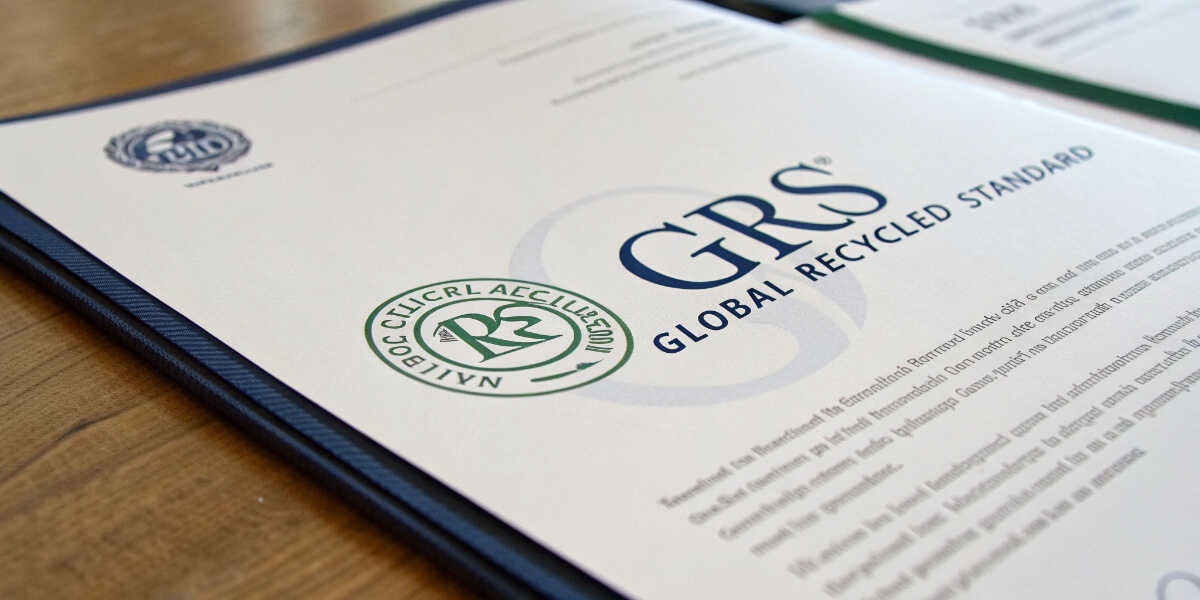
Certifications are your brand’s shield against greenwashing. They are independent verifications that a material meets specific environmental and social criteria. Without them, a supplier’s “eco-friendly” claim is just words. A trustworthy manufacturer will be transparent about their certifications and willing to share the documentation with you. They should be able to provide a transaction certificate (TC) for your specific order, proving the materials used in your products are certified.
For example, the Global Recycled Standard (GRS) is one of the most important certifications in our field. It doesn’t just verify the recycled content in a fabric; it also ensures that the production process meets strict social and environmental standards. It tracks the material from the recycler to the final product, creating a transparent chain of custody. Asking a potential manufacturer for their GRS scope certificate upfront is a simple yet powerful way to vet their legitimacy. A hesitant or defensive response is a major red flag.
Essential Eco-Material Certifications
| Certification | What It Verifies | Importance for Your Brand |
|---|---|---|
| GRS | Recycled content, chain of custody, social & environmental practices | Guarantees the authenticity of recycled materials like rPET. |
| GOTS | Certified organic fibers, eco-friendly processing from farm to factory | Ensures cotton is grown and processed without harmful chemicals. |
| FSC | Paper products from responsibly managed forests | Confirms that paper-based tags or packaging are sustainable. |
Do They Have the Experience and Stability You Can Rely On?
Partnering with a new or unstable factory is a huge risk. They might lack experience, causing production delays. Or worse, they could disappear overnight, leaving your order unfulfilled and your money lost.
Choose a manufacturer with a long history and a solid reputation. A company with decades of experience, a sizable facility, and complete social responsibility audits is a much safer bet. Information on why a manufacturer is a reliable choice-> should be easy to find, showcasing their stability and expertise.
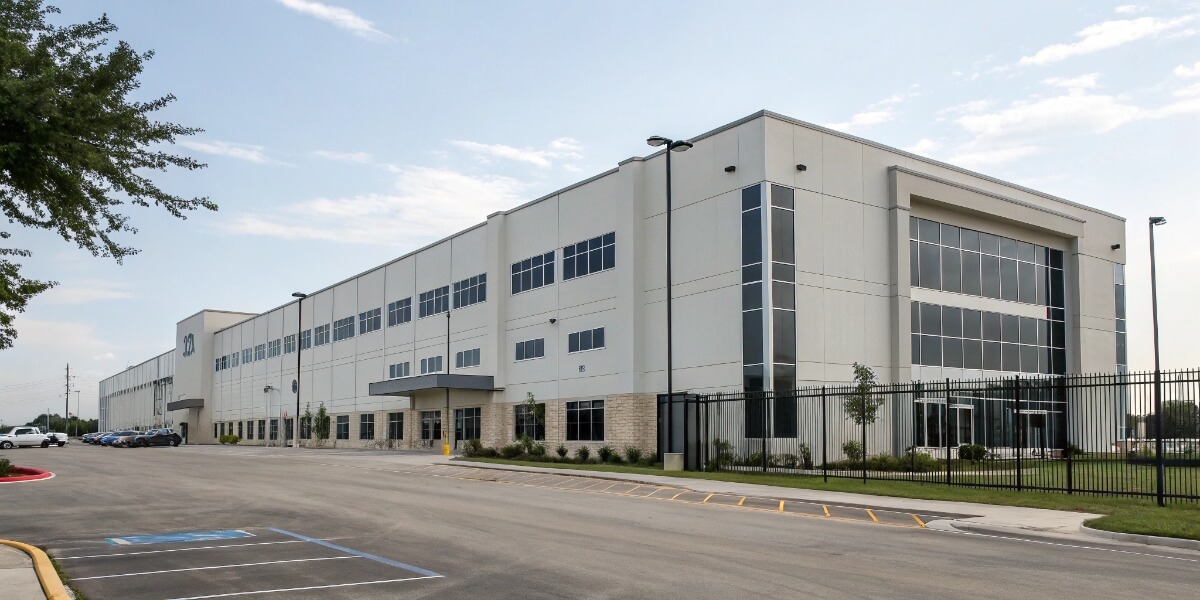
Experience in manufacturing is not just about how long a company has been in business; it’s about the accumulated knowledge gained over the years. An established partner has navigated supply chain disruptions, solved complex production challenges, and refined their processes for maximum efficiency and quality. They have long-standing relationships with raw material suppliers, which often translates to better pricing and priority access during shortages. This depth of experience is invaluable. A company that has been operating for 30 years, like we have, has a proven track record of reliability.
Furthermore, look for evidence of social responsibility, such as SA8000 or BSCI audits. These certifications show that the manufacturer treats its workers fairly and operates ethically. Your brand’s reputation is tied to your entire supply chain, and partnering with a socially compliant factory is non-negotiable for protecting your brand image. A company’s scale—its facility size and number of skilled workers—also indicates its capacity to handle large orders and meet deadlines consistently.
How Do They Guarantee the Quality of Every Single Bag?
Inconsistent quality can ruin a product launch. Receiving a shipment where some bags are perfect and others are defective is a nightmare. It creates waste, frustrates customers, and tarnishes your brand image.
A top-tier manufacturer has a strict, multi-stage quality control (QC) system. This process should cover everything from incoming raw materials to final product inspection before shipping. Ask for details about their QC process and their acceptable quality limit (AQL) standards for assurance.
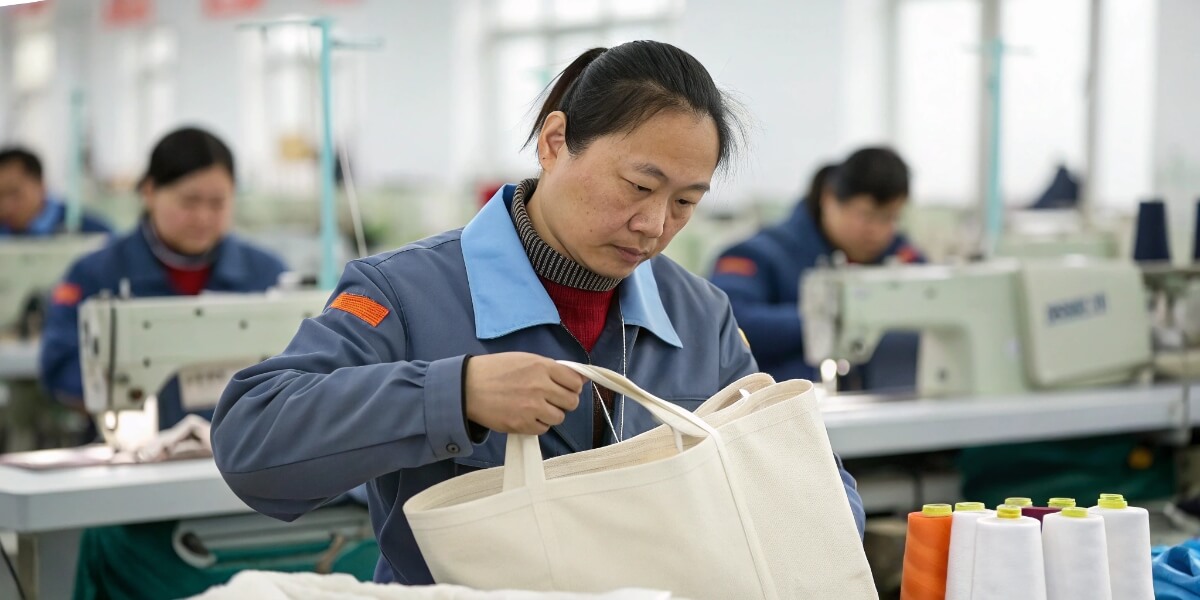
Quality control shouldn’t be a final step; it must be integrated into the entire production process. A reliable manufacturer doesn’t just inspect the finished goods. They start by inspecting the raw materials as soon as they arrive. Is the fabric color correct? Is the material thickness consistent? This prevents problems before they even begin. Then, they conduct in-line inspections at multiple stages of production. For example, after the cutting stage, pieces are checked for accuracy. After sewing, seams and stitching are examined. This systematic approach catches potential issues early, saving time and resources.
The final inspection is the last line of defense. This is typically done using a statistical sampling method known as the Acceptable Quality Limit (AQL). Ask a potential partner what AQL level they use (e.g., AQL 2.5/4.0 is a common standard). A manufacturer who can confidently explain their entire QC system, from start to finish, is one that takes quality seriously. This commitment ensures that every tote bag you receive meets your brand’s high standards.
Conclusion
Finding the right eco-friendly manufacturer is about verifying their sustainability claims, customization flexibility, certifications, experience, and commitment to quality. This ensures a successful partnership built on trust and shared values.