A custom hair clip manufacturer route should be chosen before the buyer asks for a final quote. Existing mold and new mold routes can both support beauty GWP, retail gift and private label programs, but they create different decisions around shape, target price, sample timing, logo method, card packing and bulk approval.
For Ecorivta, the practical starting point is simple: does the buyer need a new shape, or can an existing style be adapted with color, logo, material, card and packing changes? Many beauty programs do not need full new mold development. They need a reliable existing route with clear artwork, product use, target price and launch timing.
This article is written for beauty brands, haircare brands, DTC teams, retail private label buyers and GWP programs that need a defined bulk-order target and sample-first approval.
Quick Summary
Choose an existing hair clip mold when the buyer needs faster sampling, clearer cost control and style adaptation through color, logo and packing. Choose a new mold only when the launch needs a unique shape that existing routes cannot support. Ecorivta reviews product use, target price, launch timing, logo size, backing card, sample file, bulk quantity and quality checks before quotation.
Send Your Hair Clip Route Brief
Why choose the hair clip route before quotation?
Hair clips look simple in a reference photo, but the route changes the quote. An existing style may only need color, logo and packing adaptation. A new mold route may need shape drawings, tooling discussion, sample iteration and more approval time. Ecorivta’s hair clip page 1 covers acetate, resin, metal, fabric and recycled-plastic directions, so the first brief should tell the supplier which route to evaluate.
The buyer should not start by asking “how much is a custom clip?” without saying what custom means. Custom may mean existing claw clip with a new color. It may mean a small logo on a backing card. It may mean a new shape. These are different RFQ paths. Product use, target price and launch timing should come before the manufacturer recommends mold work.
| Buyer signal | Useful route comparison | Needs more detail first |
|---|---|---|
| Project type | Beauty GWP, private label, retail gift or launch kit. | One-piece buying or no-brand resale request. |
| Planning detail | Route-dependent quantity, launch window and sample-first review. | Price-only sourcing without logo, packing or use case. |
| Customization meaning | Color, logo, card, packing, existing style adaptation or new shape. | “Custom” with no shape, artwork or approval direction. |
How do existing mold and new mold routes compare?
| Route | Best use | Buyer benefit | Limit to check | RFQ file needed |
|---|---|---|---|---|
| Existing mold / existing style | Beauty GWP, retail gift, private label reorder, launch kit color story. | Faster review, lower development complexity, easier sample planning. | Shape is limited to available styles. | Reference style, color, logo, card, packing and target price. |
| Existing style adaptation | Brand wants a familiar shape with custom color or package. | Good balance of presentation and timing. | Logo size and placement must fit the surface. | Vector logo, Pantone direction, backing card and barcode need. |
| New mold route | Unique silhouette, campaign icon, exclusive retail design. | Shape can be built around the brand idea. | More time, more files, mold cost and more approval points. | Shape drawing, size, material, target price, launch date and approval owner. |
When should buyers use an existing hair clip mold?
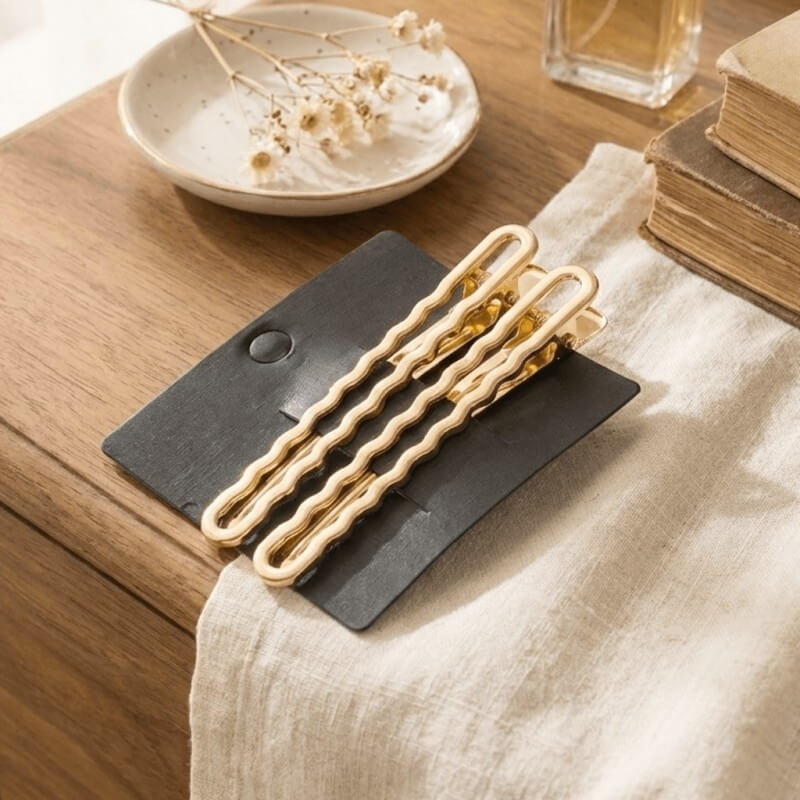
Use an existing mold when the buyer can accept an available claw clip, barrette, comb, banana clip or similar route and customize the appearance through color, logo, finish, card and packing. This is often the best first path for beauty GWP programs because launch timing and target price usually matter as much as shape.
Existing style does not mean generic. The buyer can still confirm acetate color, tortoise pattern, metal finish, card artwork, hangtag, sleeve, polybag, carton mark and barcode. For small accessories, custom branded beauty accessories 2 often need package branding or simplified product marks because fine logo details may not read clearly on a small clip.
When does a new mold route make sense?
A new mold route makes sense when the shape itself is part of the launch idea. This may be a brand icon, exclusive silhouette, special teeth layout, unusual curve, custom decorative surface or retail design that cannot be achieved through an existing style. The buyer should expect more decisions, not only a different price.
The new mold brief should include shape drawing, size, material direction, color reference, logo plan, target price, launch timing and approval owner. It should also say whether the buyer can accept a close existing shape if the timeline becomes tight. This keeps the project practical and avoids building a new shape when color, card and packing would have solved the brand need.
Ask Ecorivta to Compare Mold Routes
How do logo and card packing affect the route?
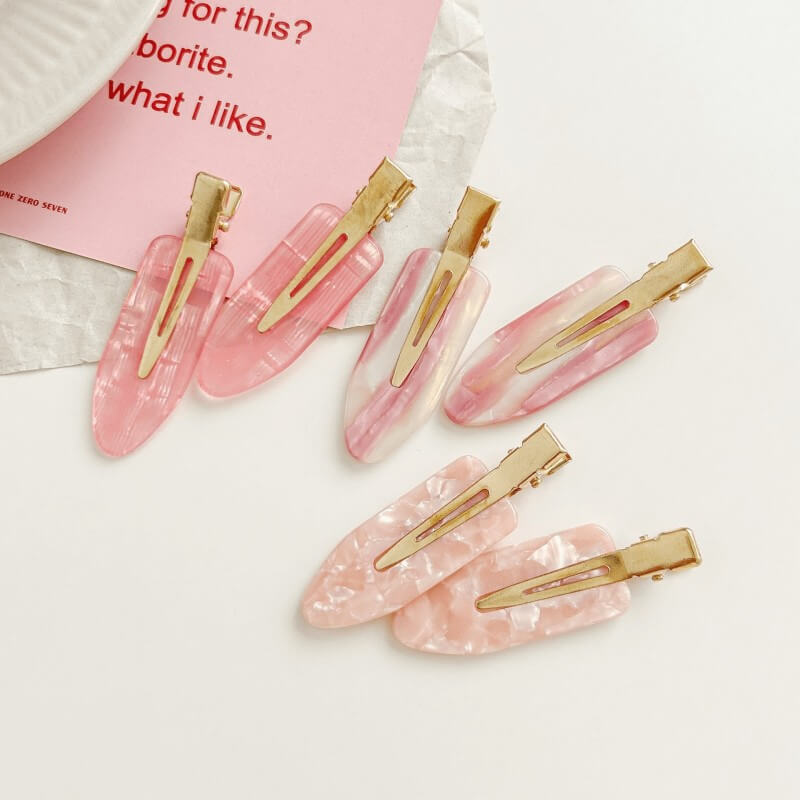
Logo size often decides whether the product or the backing card should carry the main branding. A small clip surface may not show fine artwork clearly. If the logo has small letters, thin strokes or an “@” detail, the buyer should approve a simplified mark, card logo or package logo before sampling. Product logo, card logo and carton mark should not be added after the first quote.
Packing scope also affects route selection. A retail-ready clip may need backing card, hangtag, sleeve, polybag, barcode and carton mark. A GWP clip inside a pouch may use a simpler packout. FSC paperboard direction 3 can be reviewed when a buyer requests documented card material scope. Barcode and carton mark should be prepared before final artwork approval.
What quality checks should be planned before bulk?
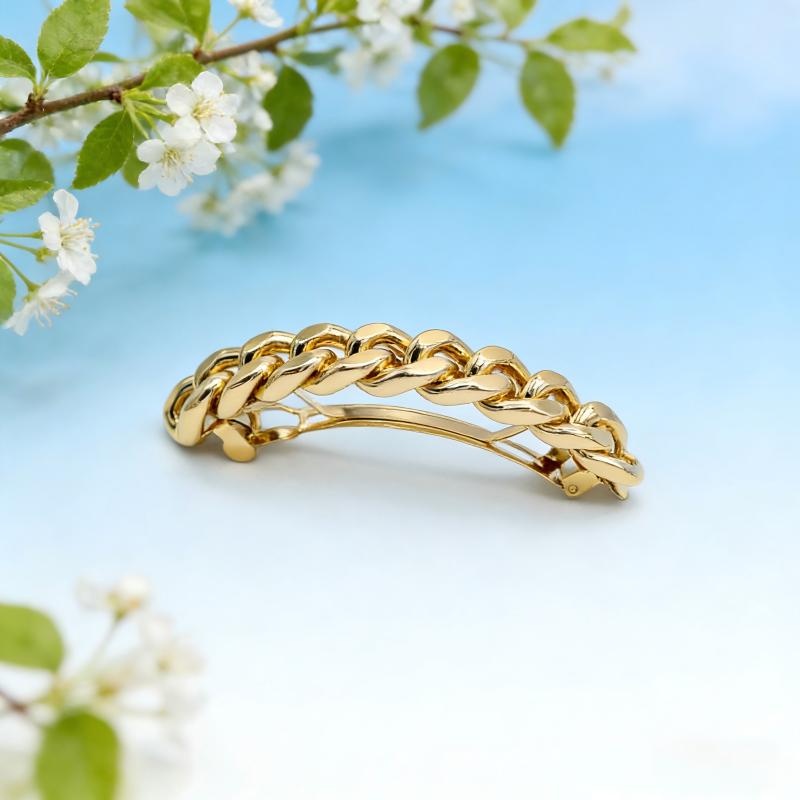
Before bulk, the buyer and supplier should review color, surface, scratches, teeth, hinge, spring, clip force, logo, card packing, carton mark and set packing. Ecorivta can follow a standard internal inspection route, while third-party testing or additional checks can be arranged when the customer standard requires it. The key is to define the check before bulk approval, not after shipment planning.
For inspection planning, buyers may reference AQL sampling principles 4 when they need a structured lot inspection conversation. Material or safety documentation should also be named before quotation. OEKO-TEX STANDARD 100 5 relates to tested harmful substances within its own standard scope and should not be confused with mold, clip-force or product-performance claims.
What should buyers send to Ecorivta?
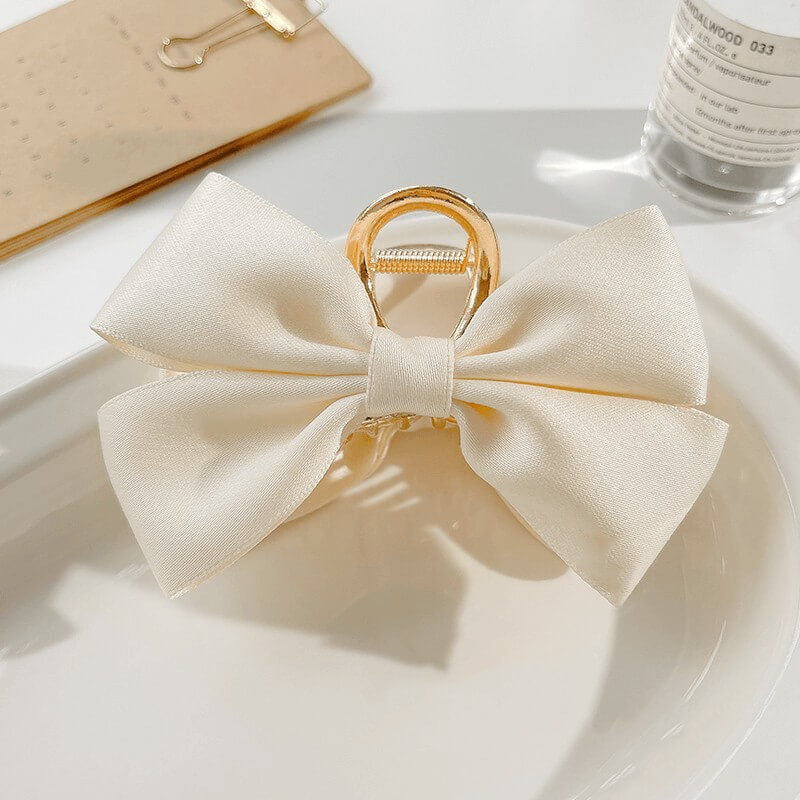
The first message should send product use, target price, launch timing, quantity, color, existing style reference or new shape idea, logo file, card packing, barcode, carton mark, certificate need and sample target. Logo and packing decisions 6 should be confirmed before sampling because product surface, card design and carton handoff affect the final quote. If the buyer only has a concept, Ecorivta can first ask what the product is for, then recommend whether an existing route or new mold route makes sense.
Do not use one MOQ or lead time for every hair clip route. Existing-style and new-mold quotations must confirm quantity, development, sample, artwork, packing and approval timing separately.
| Brief field | What to send | Why it matters |
|---|---|---|
| Route direction | Existing style reference or new shape idea. | Separates adaptation from mold development. |
| Product use | Beauty GWP, retail carded item, launch kit or gift set. | Controls quality and packing expectation. |
| Target price | Unit target or route budget. | Prevents recommending a route that cannot be approved. |
| Logo and packing | Vector logo, card, hangtag, barcode, carton mark and polybag need. | Prevents re-quotation after artwork review. |
| Timing | Sample target, approval date, ship date and launch window. | Shows whether a new mold route is realistic. |
What can Ecorivta deliver for hair clip mold route decisions?
| Buyer situation | Ecorivta can help by |
|---|---|
| Beauty brands, haircare brands, DTC teams, retail private label buyers and GWP launch programs planning branded custom hair clip projects. | Comparing existing style adaptation and new mold development against product use, target price, launch timing, logo scale, packing scope and bulk approval needs. |
| Retail carded programs where logo, barcode, backing card, carton mark and market versions affect the quote. | Recommending whether the brand story can be carried by color, card and simplified logo on an existing style before adding mold complexity. |
| Single-piece buying, no-brand resale sourcing, urgent stock-only requests or price-only inquiries with no target price, product use, launch timing, logo files or packing scope. | Explaining which route inputs are still needed before Ecorivta can recommend a controlled custom hair clip path. |
Verified Order Case: Existing Mold Chosen After a New-Shape Brief
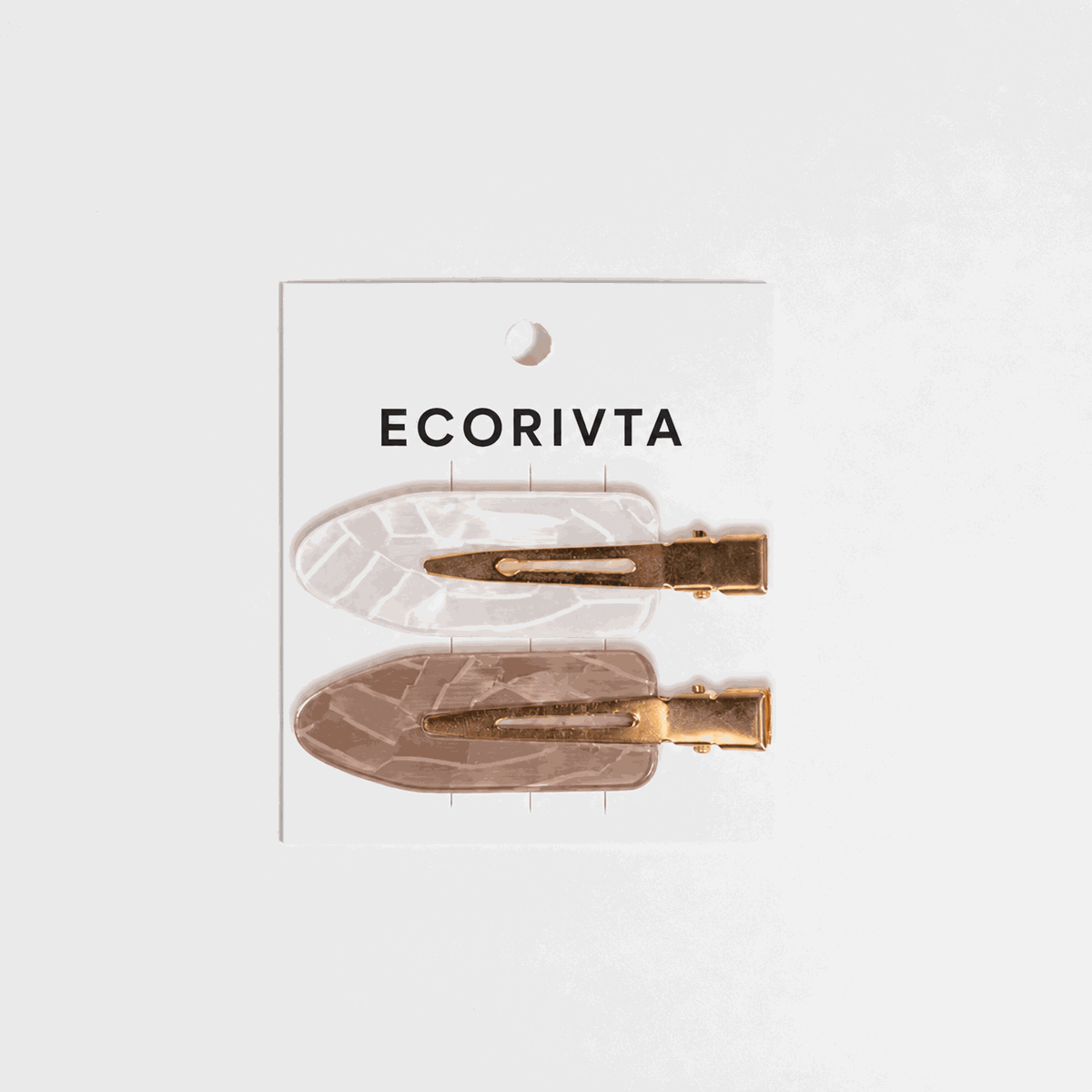
Verified anonymous order example: a close existing acetate hair clip mold was selected after comparison with a new-shape brief.
Evidence status: completed order with repeat orders. Customer and original branding are withheld. Mold cost and internal development timing are not published.
Initial brief
A Canadian beauty customer planned a 2,000-set acetate hair clip order. The buyer supplied reference and dimension drawings for an exclusive new shape at approximately 6 x 8 cm, so the first route considered was a new mold.
Why the route changed
During route review, an existing mold was found with dimensions close to the requested size. The buyer selected the existing mold because it could support faster production while keeping the requested product direction. The product shape was not presented as exclusive after this decision.
What was customized
The existing shape was adapted through the requested color and logo. One sample round was completed before bulk production. The public order threshold for this case was 1,000 sets; the exact mold cost and internal production timing remain confidential.
Result and buyer lesson
The 2,000-set order was completed, the customer was satisfied with the delivered quality and the program was reordered twice. This case does not prove that an existing mold is always better. It shows that buyers should compare the nearest available shape against a new-mold route before committing to tooling, especially when the available dimensions are already close and the launch schedule matters.
Before quotation, send the reference drawing, target dimensions, material, acceptable shape tolerance, logo, color, packing scope, quantity and required ship window. Ecorivta can then state whether the existing route is sufficiently close or whether a genuinely new silhouette needs separate mold development.
Route Side Combs and Banana Clips by Structure, Not by Name
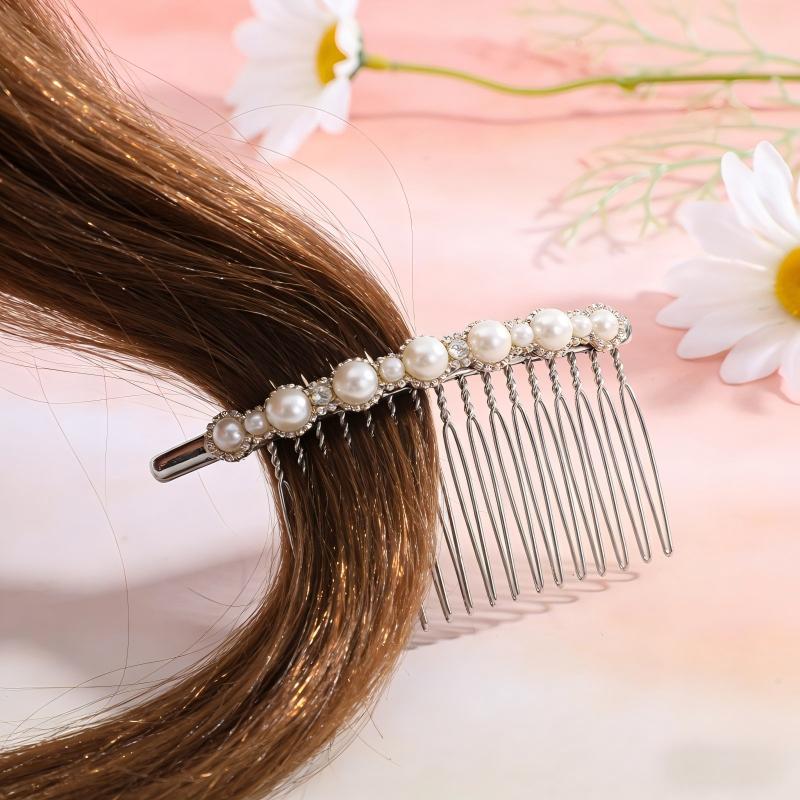
An existing-style route can still serve two distinct buyer tasks. Use the Side Combs and French Twist Combs page when the brief depends on comb curvature, tooth spacing, insertion direction and hold after the comb is pushed into the hairstyle. Use the Banana Clips and Ponytail Holders page when the buyer needs to approve spine length, tooth alignment, closure action and the contour around a ponytail.
These links do not mean that one style can substitute for the other. They give the buyer the correct product page after the broad existing-mold versus new-mold decision has been made.
FAQ
What is the difference between an existing mold and a new mold hair clip route?
An existing mold route uses an available style and customizes color, logo, finish, card and packing. A new mold route develops a new shape or structure. Existing routes are usually better for faster review and cost control, while new mold routes are useful when the shape itself is part of the brand idea.
When should beauty brands choose an existing hair clip style?
Beauty brands should choose an existing style when the available shape already fits the launch idea and the brand can create difference through color, material, logo, card, hangtag or set packing. This route is often practical for beauty GWP, retail gifts and first private label runs with a clear launch window.
When is a new mold hair clip route worth reviewing?
A new mold route is worth reviewing when the buyer needs a unique silhouette, special teeth layout, custom curve, campaign icon or exclusive retail design that existing styles cannot support. The buyer should send shape drawings, size, target price, launch timing, material direction and approval owner before asking for final quotation.
Can logo size change the recommended route?
Yes. A small clip surface may not show fine logo details clearly, especially thin letters, small marks or complex symbols. If the logo is too detailed for the product, Ecorivta may recommend a simplified product mark and stronger backing card branding. This can affect quote, artwork proof and sample approval.
What packing files should be sent before hair clip quotation?
Buyers should send backing card, hangtag, sleeve, polybag, barcode, carton mark and set packing requirements if they are needed. Packing can change labor, artwork, carton planning and final cost. Adding card or barcode after quotation often causes re-quotation and may require a revised sample or approval file.
What quality checks matter before hair clip bulk production?
Important checks include color, surface, scratches, teeth, hinge, spring, clip force, logo, card packing, carton mark and set packing. Some buyers accept internal checks, while others require third-party review by their own standard. The check route should be confirmed before bulk approval, not after shipment planning.
What MOQ and lead time should buyers expect?
The supplier should confirm MOQ and timing after the buyer selects an existing-style or new-mold route and defines color, logo, packing and approval scope.
Request Hair Clip Route Review
About the author
By Lina Lv, Sales Manager at Ecorivta | Updated July 19, 2026
Lina reviews buyer briefs for branded beauty accessories and writes practical guidance on product route, logo, packing, sample approval and RFQ handoff. This article does not claim a customer result unless a traceable inquiry, sample or order record has been approved for publication.
Trademark and certification notice
OEKO-TEX, ISO, FSC, GS1, Pantone and other names mentioned in this article are trademarks or standards owned by their respective organizations. Ecorivta does not claim ownership of these marks. Certification, barcode, color, inspection and material documentation should be confirmed by order scope, buyer requirement and relevant third-party documentation.
-
www.ecorivta.com – Use Ecorivta’s hair clip page to review acetate, resin, metal, fabric, recycled-plastic and private label hair clip routes before RFQ ↩︎
-
www.ecorivta.com – Use Ecorivta’s custom branded beauty accessories page when buyers need to compare logo routes across small products with different surface limits ↩︎
-
fsc.org – FSC can be relevant when buyers request documented paperboard direction for backing cards, sleeves or retail display packaging ↩︎
-
www.iso.org – ISO 2859-1 is commonly referenced for sampling procedures when buyers discuss lot inspection frameworks ↩︎
-
www.oeko-tex.com – OEKO-TEX STANDARD 100 supports discussion of tested harmful substances within its own standard scope and should not be confused with mold, clip-force or performance claims ↩︎
-
www.ecorivta.com – Logo and packing decisions should be confirmed before sampling because product surface, card design and carton handoff affect the final quote ↩︎