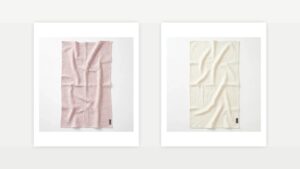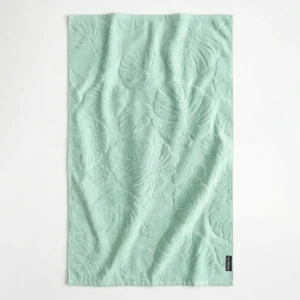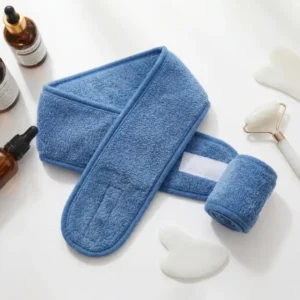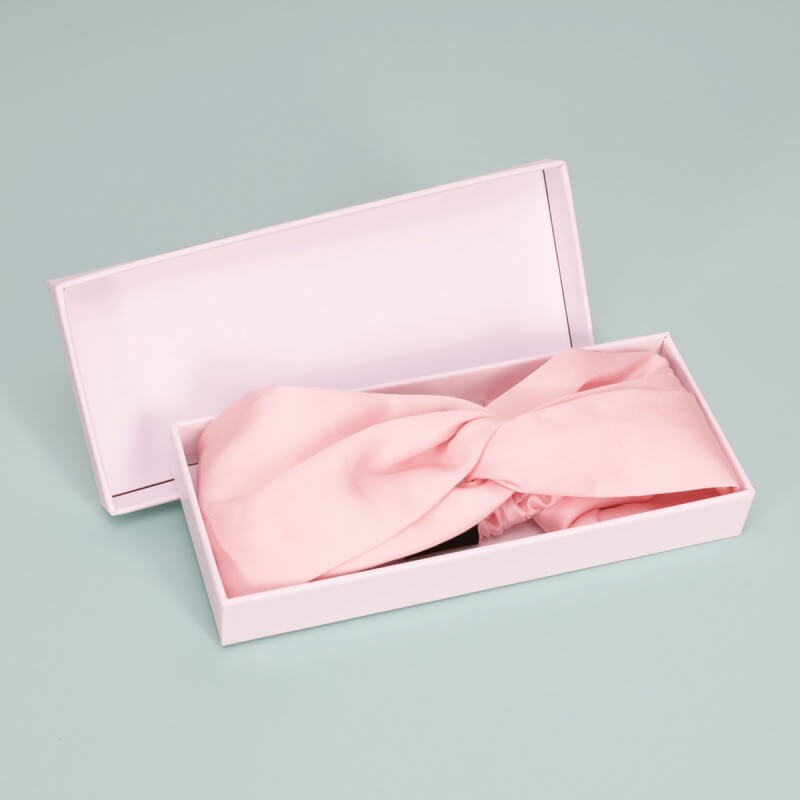
A spa headband quote is rarely controlled by one number. Fabric choice, elastic feel, width, logo method, color route, packing, barcode, carton mark and launch timing all decide whether the first quote is usable.
This guide is written for beauty brand sourcing, product development and procurement teams preparing an OEM headband RFQ for skincare GWP, spa retail, facial treatment, haircare launch or beauty kit programs. It supports the Ecorivta headbands product page 1 without replacing it. The product page carries the inquiry; this article explains why the same total quantity can produce different cost routes.
Quick Summary
- Headband cost is route-driven. Fabric, width, elastic, logo, color and packing should be reviewed before Ecorivta gives a serious OEM quote.
- Target price matters early. A buyer who shares target price and launch date gives the supplier room to simplify or upgrade the route before sample.
- MOQ 500 is a planning anchor. Some simple pilot projects may be reviewed lower, but complex fabric and packing choices can move MOQ and cost upward.
- Fit approval is part of cost control. Width, head circumference range, elastic recovery and closure route should be approved before bulk production.
- Packing can change the quote. One polybag, paper card, hangtag, insert card, barcode and carton mark are not the same cost route.
Why cost drivers matter before a headband RFQ
Many buyers ask for “a custom spa headband” and expect a unit price immediately. The problem is that a spa headband can be a simple terry band in one polybag, a satin-lined skincare band on a retail card, a bamboo route with a material claim, or an adjustable waffle band inside a facial kit. Those are not the same project.
A useful RFQ should describe the commercial use first. Is the headband a free beauty GWP, a spa back-bar item, a retail gift set item, a haircare launch component or a travel retail accessory? A GWP may prioritize target price and packout speed. A retail set may need card copy, barcode, color control and shelf presentation. A spa treatment program may care more about absorbency, comfort and wash feel.
This article is different from the headband size, elastic and logo approval sheet 2. That guide is about approving size and logo details. This one is about the cost drivers that should be named before the quote starts. When the buyer gives those drivers early, Ecorivta can recommend a route instead of guessing from a mood board.
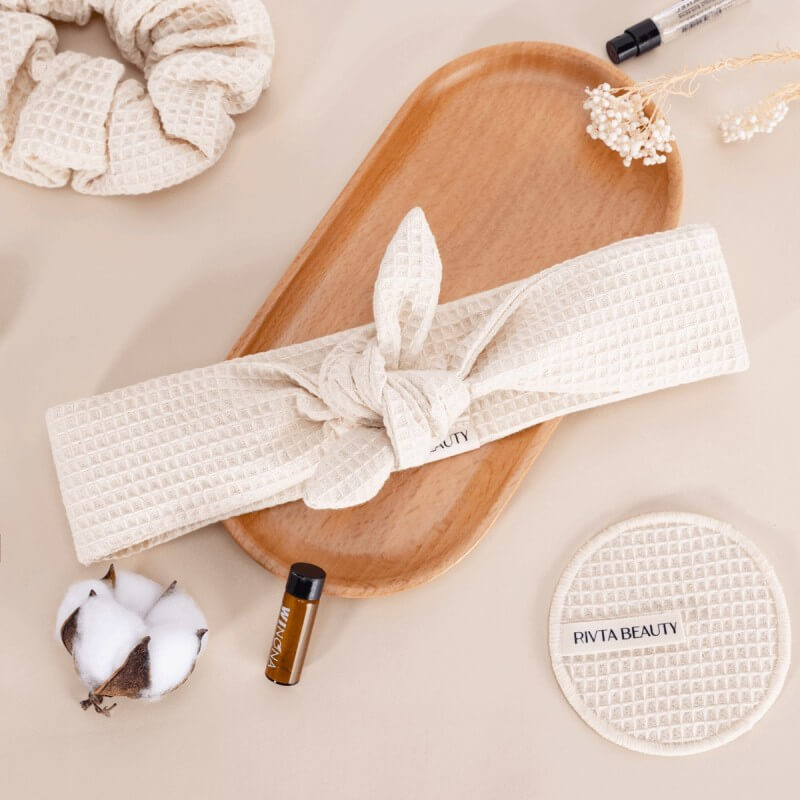
The buyer does not need to have every point finalized. A draft route is useful enough: target price range, launch date, expected quantity, usage, fabric preference, color count, logo idea and packing expectation. Ecorivta can then review what is practical, what should be simplified and what should be sampled first.
Headband OEM cost driver map
The map below gives buyers a practical way to prepare a headband RFQ. It is not a fixed price list. It is a way to identify which decisions should be made before sampling and which can remain flexible until the first route is reviewed.
| Cost driver | Buyer decision | Why it changes the quote |
|---|---|---|
| Fabric route | Terry, microfiber, bamboo/modal blend, satin, waffle or other route. | Fabric affects handfeel, absorbency, color, claim wording, sourcing and cutting yield. |
| Elastic route | Fixed elastic, adjustable closure, turban style, button option or wide stretch band. | Elastic changes fit range, sewing time, comfort and sample checks. |
| Width and shape | Narrow fashion band, spa facial band, wide skincare band or shaped turban route. | Width changes fabric consumption, edge binding and fit approval. |
| Logo method | Woven label, embroidery, small print, card-only logo or no product logo. | Logo setup can change sample time, file requirements and unit cost. |
| Color count | One hero color, multiple brand colors, seasonal colors or printed pattern. | Color count affects fabric purchase, dye route, color approval and SKU control. |
| Packing route | Polybag, hangtag, paper card, pouch set, insert card, barcode or carton mark. | Packing adds artwork, file approval, packout labor and retail handoff requirements. |
When a buyer sends only a photo, the factory can quote only a rough route. When the buyer sends the cost driver map, the supplier can explain where money is being spent. That makes it easier to keep the brand effect while removing cost that does not matter to the launch.
If the headband is only one part of a larger sewn accessory program, the hair accessories manufacturer brief 4 should be used to keep scrunchies, hair clips, headbands, towels, pouch sets and packing files in one project view.
Fabric route: terry, microfiber, bamboo, satin and waffle
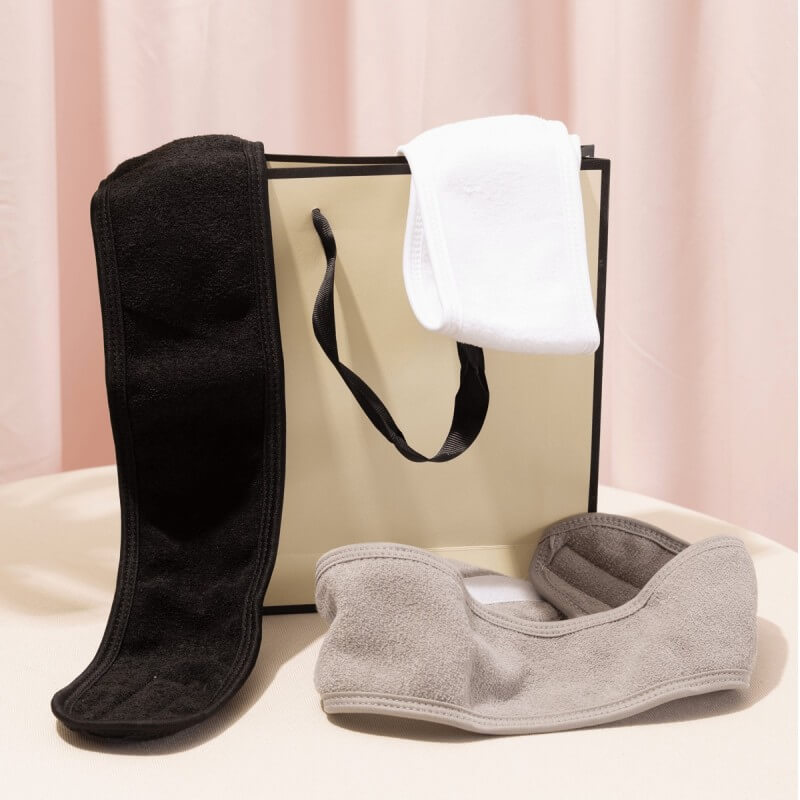
Fabric is usually the first cost driver because it controls handfeel, absorbency, color, thickness, edge finish and claim wording. A terry headband may be right for facial cleansing or spa use. A microfiber route may fit quick-dry or lightweight programs. A bamboo or modal blend may support a softer skincare story. Satin can look more retail and haircare-led. Waffle texture can support spa treatment or gift set positioning.
The spa headband material and packing routes guide 3 is the better reference when the buyer needs a full material comparison. Here, the key point is cost control. A buyer should not choose material by name only. The same fabric family can have different weight, stretch, color, handfeel and sourcing reality.
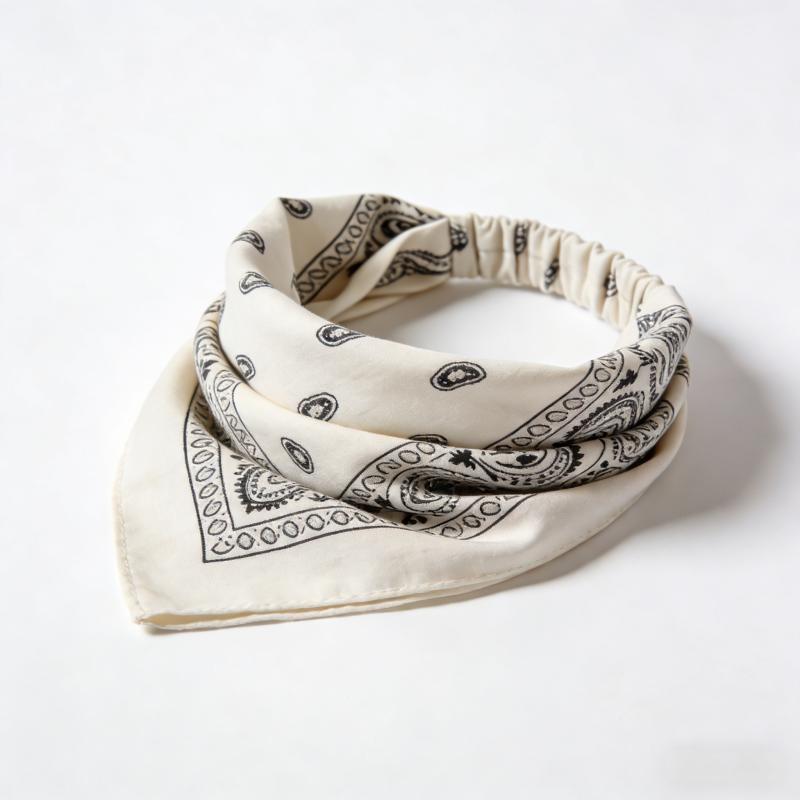
If textile safety is part of the buyer file, OEKO-TEX STANDARD 100 6 can be used as an outside reference for textile testing context. If a recycled route is requested, Textile Exchange’s Global Recycled Standard 7 can help frame what recycled documentation means. Ecorivta still needs to review document scope by material and order, because a claim on a card must match the actual approved route.
The most practical way to control cost is to ask for two routes: a target price route and a preferred feel route. If the buyer says “we want a soft spa feel under this budget,” Ecorivta can compare terry, microfiber or a blend. If the buyer says only “premium,” the first sample may overshoot the budget before the buyer has enough information to decide.
Elastic, size range and fit approval
Elastic is a quiet cost driver. Buyers often focus on the fabric surface and logo, but the wearing experience is controlled by stretch, recovery, tension, width and how the elastic is sewn into the band. A headband that looks good in a flat photo can still feel too tight, too loose or unstable during facial treatment.
For a spa or skincare GWP program, the RFQ should include target user group, head circumference range if known, desired tightness, whether the band should hold hair firmly, and whether the product is used dry, near water or during product application. If the buyer wants an adjustable route, that should be named before sample because closure, stitching and material consumption can change.
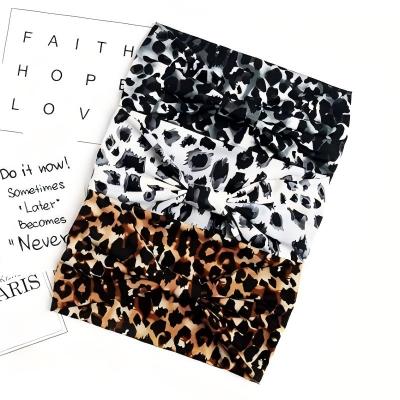
Elastic approval should be done with a real sample, not only a photo. The buyer should check stretch after wearing, seam comfort, edge pressure and whether the headband returns to shape after use. If a brand plans to place the headband inside a facial kit, the fit check should happen before packing card approval. Otherwise, a beautiful card can be approved while the product still needs a fit change.
Cost control here does not mean choosing a weak elastic. It means choosing the right route for the use case. A disposable-feeling band may hurt brand perception. A heavy elastic route may be unnecessary for a single promotional kit. A balanced brief tells Ecorivta what experience the buyer wants and what budget boundary should be respected.
Width, shape and construction decisions
Width and shape affect fabric usage, sewing time and how the product appears in a beauty kit. A narrow fashion headband is different from a wide facial headband. A turban style band, twist-front band or adjustable waffle band needs more construction review than a simple flat band. The buyer should decide whether the headband is meant to be worn during skincare, displayed as a gift item or used as a practical spa accessory.
For beauty GWP, width is also a brand signal. A wider band can look more spa-led and visible in product photos. A narrow band may fit lower unit cost or a small kit box. A shaped band may look more giftable but can add stitching, folding, edge binding or symmetry checks. The RFQ should state the preferred width or give a reference range, then allow Ecorivta to check whether the width works with the selected fabric.
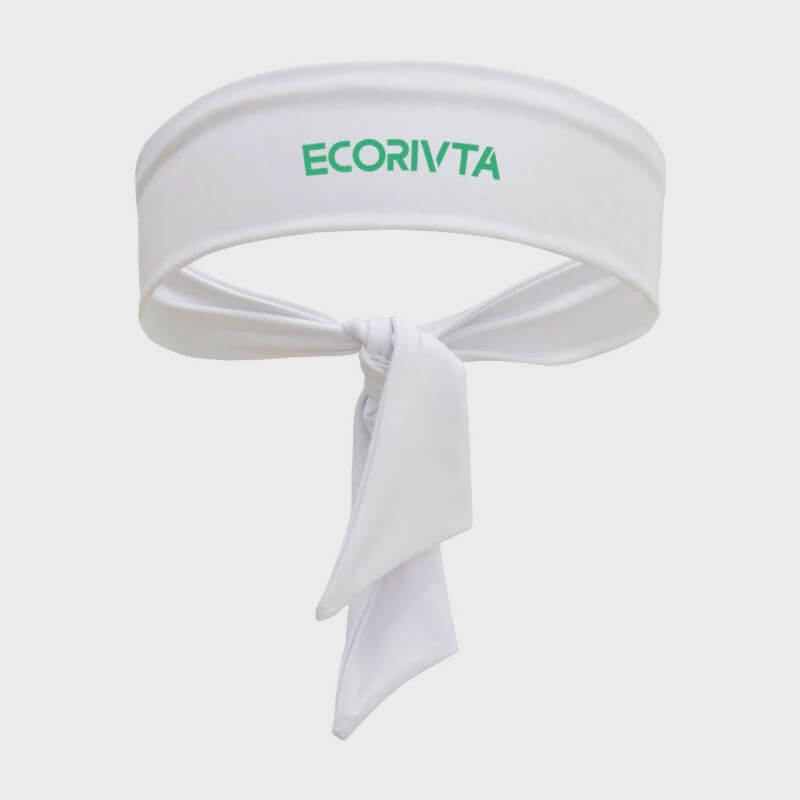
Construction decisions should be frozen before bulk production. If the buyer changes width after approving the logo placement, the logo may no longer sit correctly. If the buyer changes fabric after approving width, the stretch and handfeel may change. This is why size, elastic, logo and material should be reviewed together instead of in separate conversations.
Logo, color and artwork handoff
Logo method can move a headband from simple OEM to a more controlled private label project. Common routes include woven label, embroidery, small screen print, heat transfer, card-only logo or no product logo. A small woven label may be the cleanest route for many spa headbands, while embroidery can feel more premium on some fabrics. Print can be useful, but it should be checked against fabric texture and stretch.
If the main problem is file readiness, use Ecorivta’s hair accessory logo and packing file guide 5. A proper file handoff should include AI or vector logo file, color reference, logo size, placement, label direction, card file, barcode if needed and carton mark format. A JPG logo may look fine on a screen but can create poor print or label results.
Color should be treated as a production decision, not only a creative decision. A buyer can use Pantone color systems for graphic design 10 as a communication reference, but real fabric color should still be checked on the chosen material. Terry, satin, bamboo blend and waffle texture may show the same color differently.
When color count is high, the buyer should ask whether the total quantity can support the desired split. Five colors at 100 pieces each is not the same as one color at 500 pieces. Color split affects fabric purchase, cutting plan, packing count and possible barcode versions.
Packing, barcode and carton mark decisions
Packing is often the hidden cost driver. One piece in one polybag is a different route from hangtag, paper card, insert card, retail sleeve, pouch set, barcode label and carton mark. For spa programs, simple packing may be enough. For retail gift sets, packaging may carry the brand story and sales channel requirement.
Barcode ownership and placement should be decided early. GS1 US barcode placement guidelines 8 are useful as an outside reference when a buyer needs retail identification or carton control. The supplier should not be asked to guess barcode size or ownership during final packing.
Environmental wording on cards also needs discipline. If the card says recycled, eco, sustainable or plant-based, the claim should match material route and document scope. The FTC Green Guides 9 are useful for claim-safe thinking in the US market. Ecorivta should review claim wording by order rather than treating it as simple design text.
For a smoother RFQ, the buyer should send one packing view with the product. It should show whether the headband is folded, rolled, carded, packed flat, packed with a pouch or combined with another item. Packing view can change carton volume, labor, barcode placement and pre-shipment photo requirements.
MOQ, target price and launch timing
MOQ and target price should be discussed together. A buyer may ask for 500 pieces, but the practical answer depends on fabric, color count, logo method, packing and sample timing. A simple one-color route may fit one planning path. A multi-color retail carded route may need a different path.
For suitable B2B beauty GWP and spa programs, MOQ 500 is a practical starting point. High-potential 200-300 piece pilot projects can be reviewed case by case when the route is simple, the buyer has a real launch plan and future repeat potential is clear. However, if a low-volume request includes special fabric, multiple colors, custom logo, custom card, barcode and separate carton marks, the route may need simplification or a different budget.
Launch timing also changes cost decisions. If the buyer needs a fast sample, use available fabric and a simple logo route. If the buyer has more time, custom color, special material or more polished packing may be reviewed. The most useful brief includes sample approval date, bulk delivery expectation and shipment destination.
| Buyer situation | Cost-sensitive action | What to send Ecorivta |
|---|---|---|
| New spa launch with tight target price | Start with one fabric, one color and simple packing. | Target price, quantity, use case, logo idea and launch date. |
| Retail gift set with visible branding | Budget for label, card, barcode and sample approval. | Card file, barcode owner, color reference and packout view. |
| Premium skincare kit | Compare handfeel and width before finalizing material. | Reference sample, target handfeel, width range and approved sample deadline. |
| Sustainability-led campaign | Review material route and claim wording before artwork lock. | Material preference, claim wording, document needs and market. |
Sample approval and cost boundary
Sample approval should protect both the buyer and the supplier. The approved standard should cover fabric, handfeel, color, width, elastic feel, seam, logo, label, packing, barcode and carton mark. If any of these points remain open after sample approval, the order may need extra review before bulk.
Use this process before moving from quote to bulk production:
- Confirm the commercial route. State use case, target price, launch date, total quantity and target channel.
- Choose the material and construction route. Compare fabric, width, elastic and shape before logo approval.
- Send artwork and packing files. Provide logo, color reference, label, card, barcode and carton mark files.
- Approve a physical sample. Check fit, stretch, handfeel, color, logo position, seam and packing view.
- Freeze change boundaries. Any late change in fabric, width, color, logo or packing should trigger route review.
This process does not slow sourcing. It prevents a buyer from approving a pretty photo while hidden cost drivers are still undecided. A clear approval boundary also helps Ecorivta decide which pre-shipment photos or videos should be prepared for the buyer.
Best fit and less suitable requests
Best fit
Best fit is a beauty, skincare, spa, haircare, travel retail or retail gift buyer planning a custom headband with a real launch window, target price, quantity, material preference, logo or packing need and sample approval owner. It is especially useful when the buyer wants to compare terry, microfiber, bamboo blend, satin or waffle routes before choosing a final route.
Less suitable
Less suitable requests include single-piece consumer buying, no-brand resale sourcing, price-only stock hunting, unclear launch timing, no target price, no material preference, no size or fit expectation, or requests that ask for many colors and complex packing at very small quantity without flexibility. Ecorivta can still clarify the route, but the first answer may need to be a planning review rather than a final quote.
Verified project lesson: embroidery quality is part of the cost route
In an anonymized August 2025 project for a U.K. skincare brand, the approved specification covered 10,000 hook-and-loop headbands in a 25 x 9 cm finished size. The buyer’s two priorities were cost control and tidy embroidery.
The selected route used a polyester textured fabric and an embroidered logo. The sample moved forward without a recorded correction before the limited-gift order was completed. No repeat order is claimed, and the packing route is not stated here because the available records need reconciliation before that detail can be published.
The useful cost lesson is not that the lowest unit price automatically wins. The quotation has to preserve the embroidery result the buyer will accept at bulk scale. Fabric, finished size, logo stitchability and the approved sample therefore need to stay tied to the same quotation route.
Related Ecorivta pages and guides
- Custom Spa Headband Manufacturer for Beauty GWP – use this as the main product and inquiry page.
- Headband Size, Elastic and Logo Approval Sheet – use this when fit and logo approval are the main handoff concerns.
- Spa Headband Material and Packing Routes – use this for broader fabric and packing route comparison.
- Hair Accessories Manufacturer Brief – use this for multi-category hair accessory launch kits.
- Hair Accessory Logo and Packing File Guide – use this when logo, card, barcode and carton mark files need review.
FAQ
What are the main cost drivers for OEM spa headbands?
The main cost drivers are fabric route, width, elastic feel, size range, logo method, color count, packing route, barcode, carton mark, target price and launch timing.
Why does headband fabric change the quote?
Fabric affects handfeel, absorbency, weight, stretch, cutting yield, color result and document scope. Terry, microfiber, bamboo blend, satin and waffle routes should be reviewed before sample.
Should buyers send target price before sample?
Yes. Target price helps Ecorivta recommend the right route before the buyer spends time on a sample that may not fit the budget.
Does headband width affect OEM cost?
Yes. Width can change fabric consumption, edge finish, fit, logo placement and packing size. The buyer should give a preferred width or reference range before sample.
Can a small 200 or 300 piece headband project be reviewed?
A simple high-potential pilot can be reviewed case by case, especially with one fabric, one color and simple packing. Complex low-volume customization may need route simplification.
What packing details should be included in the RFQ?
Include polybag, hangtag, paper card, insert card, barcode, carton mark, folding view, packing count and any retail or GWP packout requirement.
What should buyers approve before bulk headband production?
Buyers should approve fabric, color, width, elastic feel, seam, logo, label, packing view, barcode, carton mark and any pre-shipment photo or video requirement.
Send the headband cost driver brief
Use the contact route when you need Ecorivta to review headband fabric, elastic, width, logo, packing, barcode, carton mark, target price and launch timing before sampling. A clear cost driver brief helps sales recommend a route that fits the project instead of guessing from a photo.
-
Use the headbands product page as the main money page for spa headband, skincare headband, logo and OEM inquiries. ↩︎
-
Use the headband size, elastic and logo approval sheet when fit, stretch, logo position and approval photos are the main concerns. ↩︎
-
Use the spa headband material and packing routes guide when fabric route and packing route need a deeper comparison before RFQ. ↩︎
-
Use the hair accessories manufacturer brief when a buyer is sourcing multiple sewn hair accessory categories in one launch kit. ↩︎
-
Use the hair accessory logo and packing file guide when AI logo files, label files, backing cards, barcodes or carton marks need review. ↩︎
-
Use OEKO-TEX STANDARD 100 as a textile safety reference when fabric, elastic, label or trim testing is part of the buyer brief. ↩︎
-
Use Textile Exchange’s Global Recycled Standard reference when a recycled yarn, fabric or trim claim affects the headband route. ↩︎
-
Use GS1 US barcode placement guidance when carded headbands, retail packs or cartons need barcode owner and placement control. ↩︎
-
Use FTC Green Guides when environmental wording needs review before buyer packaging or claim language is approved. ↩︎
-
Use Pantone color systems for graphic design when fabric color, logo color, card color and carton artwork need a shared color language. ↩︎