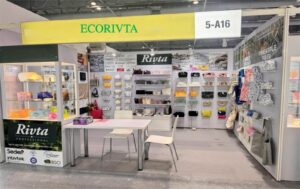
A headband size, elastic and logo approval sheet helps a spa or skincare buyer turn a soft accessory idea into a quote-ready production file. For headbands, the details most often missing from the first inquiry are target price, certificate needs and launch timing. Those three gaps make it hard for the supplier to recommend a route that fits the buyer’s budget, approval file and campaign calendar.
Headbands look simple, but fit is not simple. A buyer should approve the head circumference range, width, length, elastic strength, material route, logo method and packing route before sample or bulk production. If the headband is too tight, too loose or branded in the wrong place, the product may fail even when the fabric looks correct.
This checklist is written for qualified beauty brands, spa programs, skincare launch kits, DTC teams, retail private label buyers and GWP programs that need MOQ 500+ production with sample-first approval.
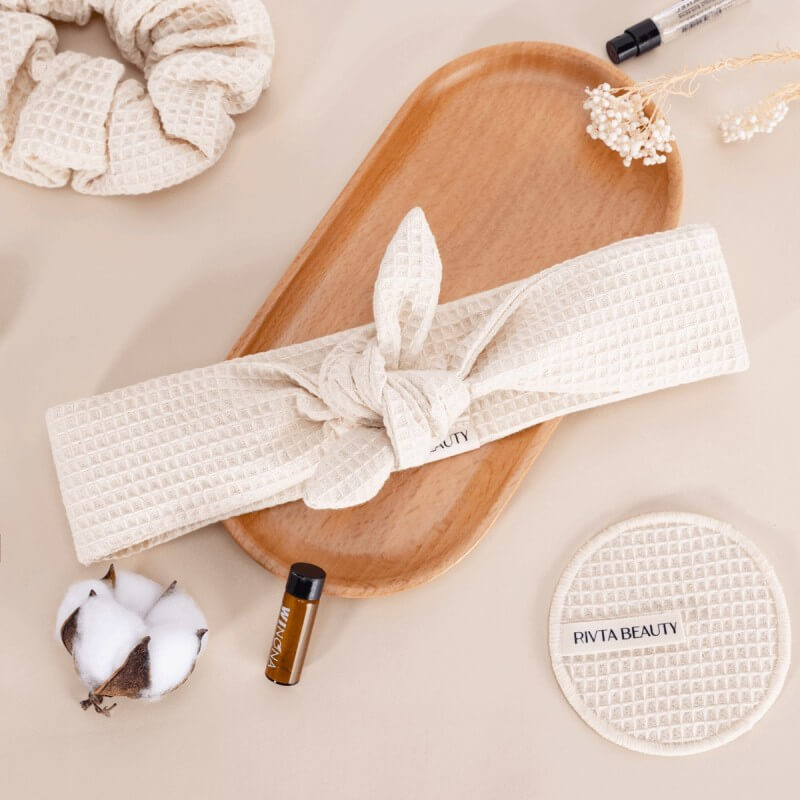
Table of Contents
- TL;DR
- What is a headband size, elastic and logo approval sheet?
- How should head circumference range and elastic strength be approved?
- Which material routes should be compared before quotation?
- How should woven label or printed label be approved?
- What packing details should be confirmed?
- What should be sent to Ecorivta before sampling or bulk?
- What can Ecorivta deliver for headband approval?
- Real production lesson: pre-check logo stitchability
- Sample-stage lesson: check logo position on an actual wearer
- FAQ
TL;DR
Before approving spa or skincare headbands, confirm target price, certificate needs, launch timing, head circumference range, width, length, elastic strength, material route, logo method, individual polybag and any hangtag or paper card requirement. All major material routes can be reviewed, but fit and stretch should be approved before bulk. MOQ 500+, 7-10 day sampling and 30-50 day bulk timing are planning ranges, not fixed promises.
Send Your Headband Approval Sheet
What is a headband size, elastic and logo approval sheet?
A headband approval sheet is the buyer’s working file for fit, stretch, logo and packing decisions before sample or bulk approval. It should show what is final, what is pending and where Ecorivta should recommend options. Ecorivta’s headbands page 1 covers spa headbands, skincare headbands, logo routes, material options, MOQ, samples, lead time and bulk QC support.
The approval sheet is not a mood board. A mood board can show the feeling of a spa set. The approval sheet tells the supplier what to quote and what to produce: head circumference range, elastic strength, fabric route, logo label route, individual polybag, hangtag or paper card, certificate needs, quantity split and launch window.
| Approval area | What the buyer should confirm | Why it affects quote or sample |
|---|---|---|
| Target price | Target range, retail position or route budget direction. | Supplier can choose material, logo and packing routes realistically. |
| Fit | Head circumference range, width, length, closure and elastic strength. | Controls comfort, stability and sample approval risk. |
| Material | Terry, microfiber, satin, velvet, elastic fabric, rPET, bamboo or other route. | Controls handfeel, absorbency, color, certificate discussion and cost. |
| Logo | Woven label, printed label, size, position and color. | Branding must stay visible without making the headband uncomfortable. |
| Packing | Individual polybag, hangtag, paper card, carton mark or barcode. | Packing changes labor, artwork proof, presentation and shipment handoff. |
How should head circumference range and elastic strength be approved?
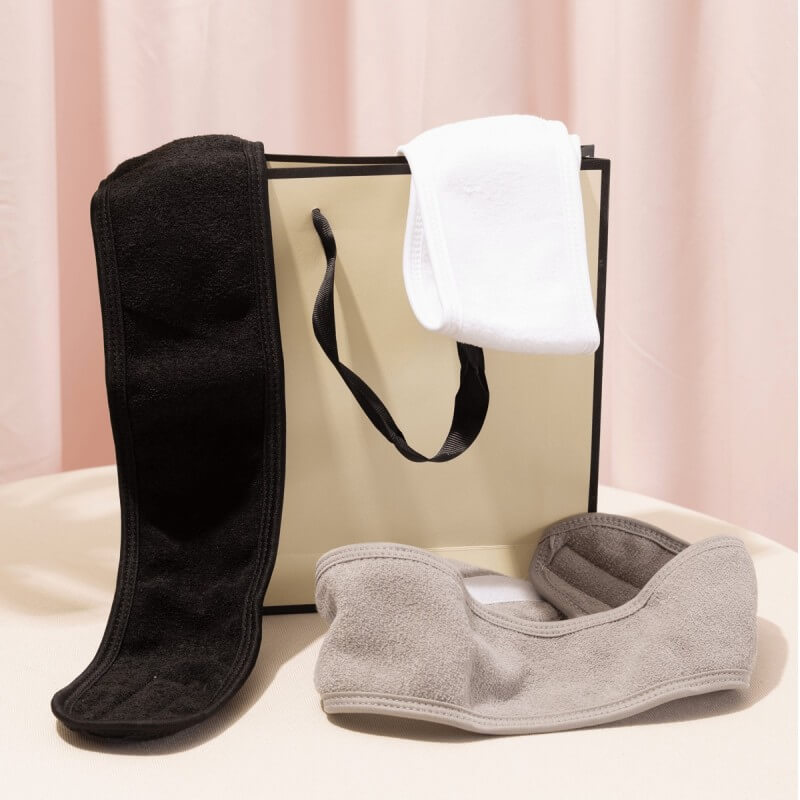
Size and elastic are the two details most likely to trigger rework. A headband can look acceptable in photos but still feel too tight after several minutes, too loose during facial use or unstable when packed with a skincare set. The buyer should approve head circumference range, relaxed length, stretched length, width, closure route and elastic recovery before bulk planning.
For spa and skincare use, the approval sheet should state whether the headband is used for face washing, facial treatment, salon service, retail gift, subscription box, launch kit or hotel spa amenity. The same visual style can require different elastic strength depending on the channel. If a buyer needs a wide fit range, the supplier may need to adjust elastic strength, fabric thickness or closure design.
| Fit item | What to write | Approval risk if missing |
|---|---|---|
| Head circumference range | Target wearer range or sample reference. | Sample fits one person but not the intended buyer group. |
| Relaxed and stretched length | Flat measurement and stretch target. | Elastic route cannot be checked consistently. |
| Width | Narrow, standard, wide or exact cm/inch. | Buyer expects spa coverage but receives a slimmer fashion fit. |
| Elastic strength | Soft, medium or firm stretch with use case. | Headband slips, feels tight or changes after repeated use. |
| Closure route | Elastic back, hook-and-loop, tie or fixed band. | Factory quotes a different construction from the buyer’s expectation. |
Which material routes should be compared before quotation?
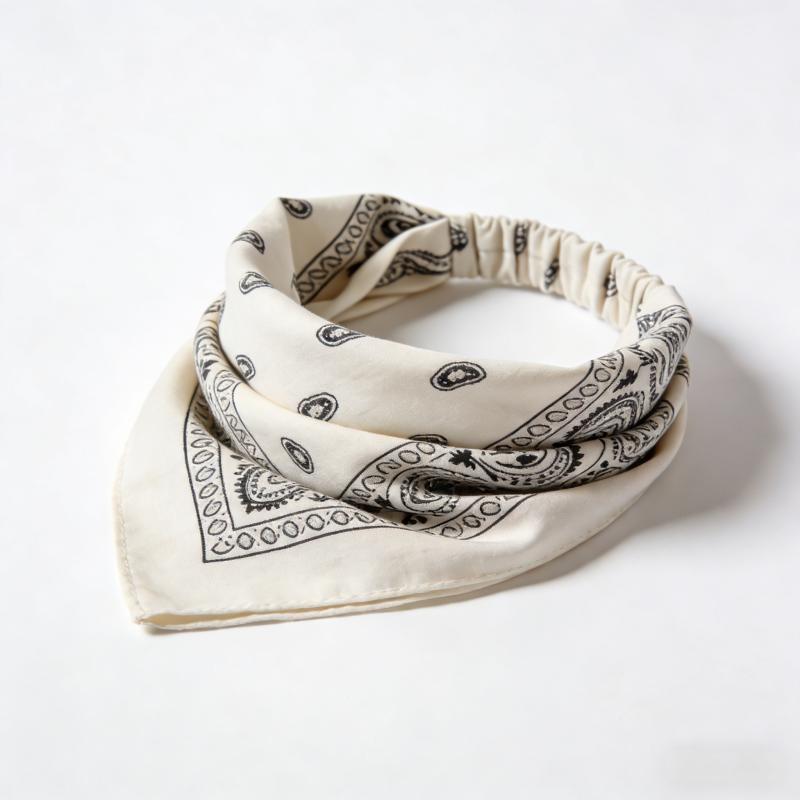
For this product route, all major material options can be reviewed. That means the first decision is not simply which fabric looks best. The buyer should connect material to target price, use case, certificate need, handfeel, absorbency, logo route, color and launch timing. Terry, microfiber, satin, velvet, elastic fabric, rPET or recycled fabric and bamboo or plant-based options can all be relevant when the project brief is clear.
For recycled-material discussion, Textile Exchange standards 2 define material-related standard scope, so any recycled claim should be tied to current documentation instead of general marketing wording. For harmful-substance testing, OEKO-TEX STANDARD 100 3 has its own testing scope and should not be mixed with recycled-content or factory-audit claims.
| Material route | Best use | Approval point |
|---|---|---|
| Terry cotton | Spa, salon, facial treatment or skincare routine. | Confirm absorbency, thickness, width and logo route. |
| Microfiber | Soft skincare feel, face washing or lighter packout. | Confirm handfeel, color, lint expectation and elastic strength. |
| Satin | Softer beauty set, sleep-spa route or premium gift look. | Confirm sheen, backing, fit and packaging presentation. |
| Velvet | Seasonal retail, winter gift or boutique campaign. | Confirm texture, color depth and label visibility. |
| rPET / recycled fabric | Programs with recycled-material documentation needs. | Confirm material scope and certificate wording before quote. |
| Bamboo / plant-based route | Natural texture, spa positioning or soft skincare concept. | Confirm certificate need, color and target price. |
How should woven label or printed label be approved?
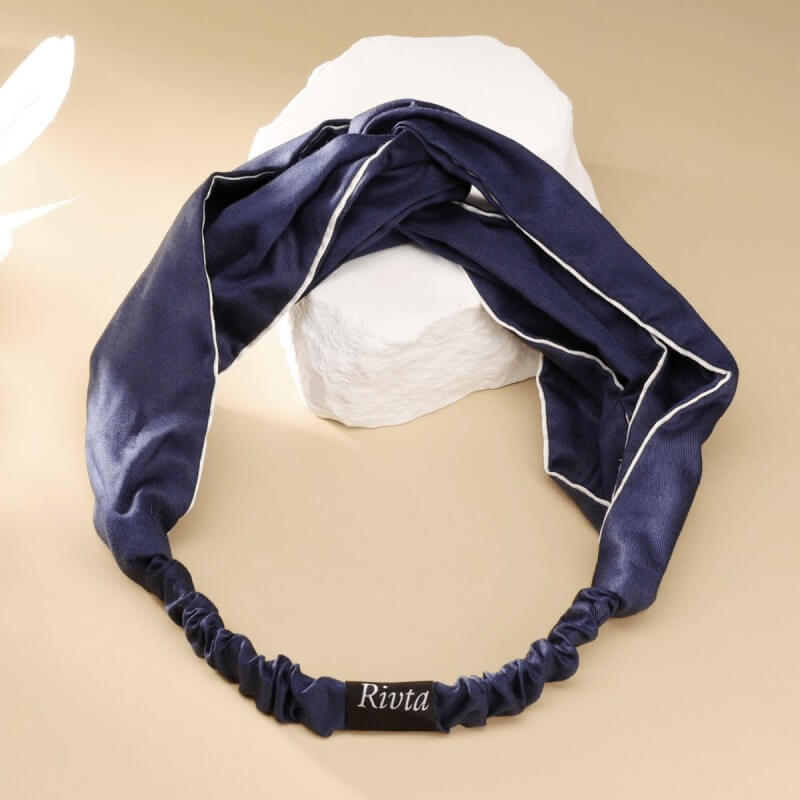
Woven label and printed label are the two most common logo routes for this kind of headband project. The buyer should approve logo size, label position, logo color, label fold, seam position and packed visibility before sampling. A label that looks good on a pouch or towel may not work on a headband because the product stretches, bends and sits close to the face.
If the buyer does not want product-level branding, the approval sheet should say whether branding belongs on the hangtag, paper card, sleeve, belly band, polybag sticker or carton mark. That prevents the supplier from quoting a plain product while the buyer expects retail-ready branded presentation. Ecorivta’s custom branded beauty accessories page 4 is the broader route when the buyer is comparing headbands with scrunchies, hair clips, pouches or packed beauty sets.
| Logo route | What to approve | Common problem |
|---|---|---|
| Woven label | Label size, fold, position, color and seam location. | Label feels stiff, sits in the wrong place or disappears when worn. |
| Printed label | Print method, size, color, placement and durability expectation. | Logo loses clarity on textured or stretch fabric. |
| Hangtag / paper card logo | Card size, hole position, artwork, barcode and market version. | Buyer expects product branding but only packing was quoted. |
| Package-only branding | Polybag sticker, sleeve, belly band or carton wording. | Factory sample looks plain because product logo was not required. |
What packing details should be confirmed?
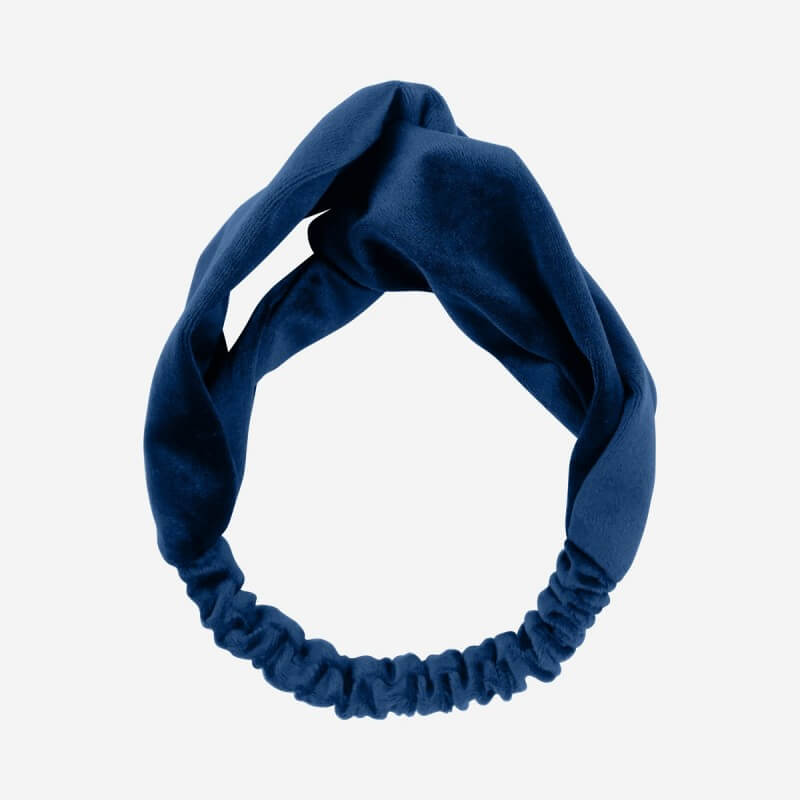
The basic route is often one headband in one polybag. Some buyers also need hangtag plus paper card depending on the channel, retail review or gift-set presentation. Packing should be confirmed before quotation because it affects artwork proof, paper goods, labor, carton planning and final packout evidence.
For spa orders, packing is not only protection. It explains the product, supports shelf or gift presentation and helps the buyer’s warehouse identify color, SKU and market version. If the buyer is still deciding between plain polybag and retail card, the approval sheet should ask Ecorivta for separate product and packing options instead of adding card requirements after the sample is approved.
| Packing item | Buyer approval | Why it matters |
|---|---|---|
| Individual polybag | One piece per bag, bag size and sticker if needed. | Controls protection, warehouse handling and basic packout. |
| Hangtag | Artwork, material, size, string or attachment point. | Adds print proof and labor before shipment. |
| Paper card | Card size, hole position, barcode and brand hierarchy. | Controls retail or gift presentation. |
| Set packing | Headband with pouch, scrunchie, towel or skincare kit. | Changes labor, inspection and final carton plan. |
| Carton mark / barcode | SKU, color, market, barcode and carton wording. | Supports warehouse receiving and shipment handoff. |
What should be sent to Ecorivta before sampling or bulk?
Send one approval file plus an artwork folder. Ecorivta’s contact page 5 asks buyers to send product, quantity, materials, logo, packaging, certificates and delivery information before quotation or project review. For spa headbands, the file should make fit, elastic, logo and packing visible before sampling or bulk approval.
- Target price or route budget direction.
- Product use: spa, skincare, face washing, retail gift, GWP, launch kit, subscription box or salon service.
- Head circumference range, width, relaxed length and stretched length.
- Elastic strength: soft, medium or firm, with use case.
- Material route: terry, microfiber, satin, velvet, elastic fabric, rPET, bamboo or supplier recommendation.
- Color reference: Pantone, brand palette, stock color or physical sample.
- Logo route: woven label, printed label, hangtag/card logo only or package-only branding.
- Logo size and position, with temporary artwork if final file is not ready.
- Packing: individual polybag, hangtag, paper card, set packing, carton mark or barcode.
- Quantity split by color, size, SKU, market and packing version.
- Certificate or test requirement if the buyer needs it for onboarding or market approval.
- Sample date, final artwork date, bulk approval date, shipment date and launch window.
Request Headband Fit and Logo Review
How is this approval sheet different from Ecorivta headbands product page?
This approval sheet focuses on what buyers should confirm before quotation, sample approval or bulk approval. The headbands product page is useful when buyers need product-level supplier information for spa, skincare, sports and fashion headbands. Custom branded beauty accessories is useful when the buyer is comparing broader accessory routes across headbands, scrunchies, hair clips and packed beauty sets.
What can Ecorivta deliver for headband approval?
| Buyer situation | Ecorivta can help by |
|---|---|
| Beauty brands, skincare brands, spa programs, DTC teams, retail private label buyers and procurement teams sourcing MOQ 500+ headband programs. | Reviewing target price, size range, elastic strength, material route, logo route, packing route, certificate needs and launch timing before sample or bulk approval. |
| Projects with fit concerns, elastic requirements, woven or printed labels, individual polybag, hangtag, paper card, carton mark, certificate review or set-packing needs. | Recommending a headband route that can balance comfort, logo visibility, packing presentation, channel expectations and timing. |
| Single-piece buying, no-brand resale sourcing, urgent stock-only requests or price-only inquiries with no sample approval process. | Explaining which approval inputs are still needed before Ecorivta can support a controlled branded production route. |
Real production lesson: pre-check logo stitchability
In one completed headband order, embroidery was the original logo route, but the pre-production sample did not reproduce the artwork cleanly. Two issues were visible: the available embroidery-machine route could not hold the required detail, and the customer’s artwork used thin lettering and small elements that were difficult to stitch clearly.
Ecorivta showed the actual sample result to the buyer instead of approving an embroidery promise that the sample could not support. Because the project also had a tight budget, heat transfer was proposed and tested as an alternative. It reproduced the logo more accurately, the buyer approved the change, and bulk production proceeded.
The approval lesson is to check stroke width, letter size, detail density, fabric surface and machine capability before treating embroidery as a confirmed specification. When the sample shows that embroidery will lose important artwork detail, the buyer should compare a suitable transfer or print route before bulk approval rather than forcing the original method.
Sample-stage lesson: check logo position on an actual wearer
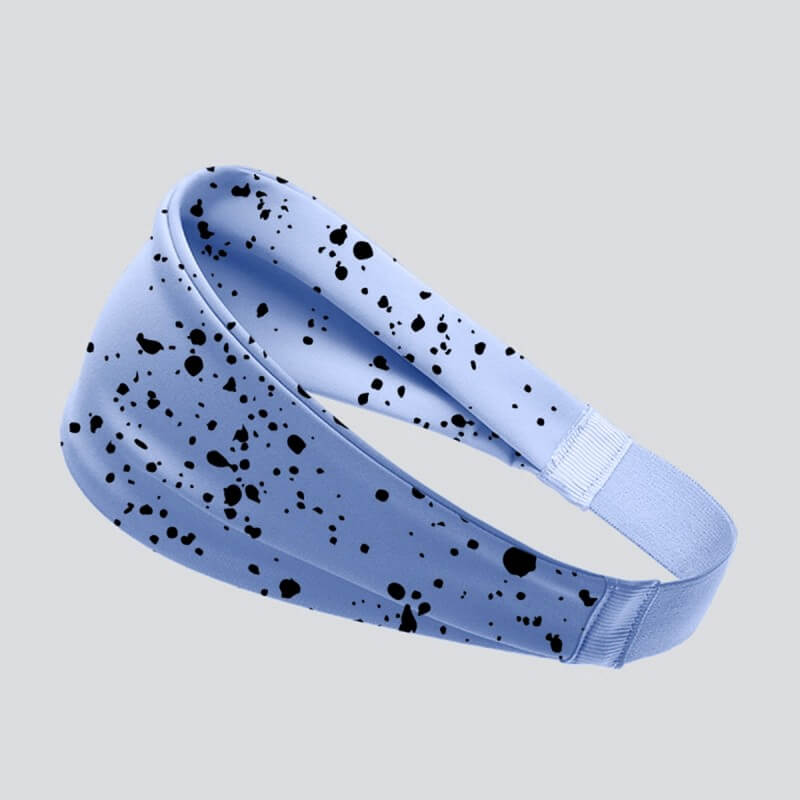
In a June 2026 sample project for an anonymized U.S. startup, the planned program covered 1,000 silicone non-slip sports headbands. The first sample used a 75% nylon / 25% spandex fabric at 230 GSM, a 17-18 x 1 inch finished size, a silicone strip and an embroidered logo.
While confirming logo size, Ecorivta also reviewed the position on an actual wearer. The buyer’s acceptance boundary was practical: the logo should not be hidden by the ear. The material, size and retention structure did not need to change; only the logo scale and placement required confirmation. This remains sample-stage evidence and no bulk order is claimed.
For similar programs, logo placement should be checked on an actual wearer rather than only on a flat sample. Tension should also be reviewed across more than one head size before bulk approval, because a logo can move closer to the ear as the band stretches.
FAQ
What should a headband approval sheet include?
A headband approval sheet should include target price, product use, head circumference range, width, length, elastic strength, material route, color reference, logo route, logo size, packing route, quantity split, certificate or test requirement, sample date and launch timing. It should also show whether the buyer needs individual polybag, hangtag, paper card, carton mark or barcode.
Why are size range and elastic strength so important?
Size range and elastic strength decide whether the headband feels comfortable and stays in place during skincare, facial, spa or gift-set use. A sample can look correct on the table but still feel too tight, too loose or unstable on the head. Buyers should approve fit, stretch recovery and closure route before bulk production.
Which materials can Ecorivta use for spa headbands?
Ecorivta can review terry cotton, microfiber, satin, velvet, elastic fabric, rPET or recycled fabric, bamboo and other plant-based routes depending on the buyer brief. The best material depends on target price, handfeel, absorbency, color, certificate requirement, logo route, packing style and launch timing, not only on visual preference.
What logo routes are most common for spa headbands?
Woven label and printed label are common routes for spa and skincare headbands because they can keep branding clear without making the product feel heavy. Buyers should confirm label size, label position, logo color, seam position and visibility when packed. If branding belongs only on hangtag or paper card, that should be stated before quotation.
What packing details should be confirmed before quotation?
The basic packing route is often one headband in one polybag. Some buyers also need hangtag plus paper card, sleeve, belly band, carton mark or barcode depending on channel and market. Packing should be confirmed early because paper goods, print proof, labor and final packout can affect quotation, sample timing and shipment handoff.
What MOQ and timing should buyers expect?
Many custom headband projects can be reviewed from MOQ 500+ pieces, but the final route depends on material, color, logo, size range, elastic, packing and certificate needs. Sampling may take about 7-10 days depending on process, while bulk production may take about 30-50 days depending on material availability and approval speed. Rush projects can be reviewed case by case.
Which buyers are not a good fit for this approval sheet?
This approval sheet is not designed for single-piece buying, no-brand resale sourcing, urgent stock-only requests or price-only inquiries with no sample approval process. It is most useful for branded beauty, spa, skincare, retail private label or GWP programs that need approved fit, elastic, logo, packing, certificate scope and repeatable bulk production before launch.
About the author
By Lina Lv, Brand & Product Specialist at Ecorivta | Updated May 23, 2026
Lina writes for Ecorivta with input from the sales and sourcing team, focusing on buyer-side questions around custom cosmetic bags, hair accessories, clear pouches and sewn beauty GWP programs. Her articles translate RFQ briefs, material confirmation, fit approval, logo label sizing, packing scope, certificate review, QC evidence and shipment handoff into practical checklists for beauty brands and procurement teams. Ecorivta is operated by Rivta Culture Equipment and backed by a Dongguan factory group with long-term experience in sewn bags and beauty accessories.
If your team is preparing a spa headband approval file, send target price, size range, elastic strength, material route, logo, packing, certificate needs and launch timing through the Ecorivta contact page.
Talk to Lina About Headband Approval
Trademark and certification note
BSCI, Sedex, SMETA, GRS, OEKO-TEX, ISO and other certification, audit or standard names belong to their respective organizations. This article is a supplier-side sourcing guide and does not claim that every product, material, order or shipment automatically carries every listed certification or test result. Buyers should confirm current document validity, certificate scope, material coverage, label artwork, packing artwork and market rules before finalizing quotation or bulk production. Factory-audit programs such as amfori BSCI 6 have their own defined scope and should be checked separately from product material or testing claims.
Sources
- Use Ecorivta’s headbands page to understand spa headband, skincare headband, logo, material, MOQ and bulk QC context. Source ↩︎
- Textile Exchange standards are useful when buyers need to connect recycled-material claims to defined standard scope and documentation. Source ↩︎
- OEKO-TEX STANDARD 100 supports discussion of harmful-substance testing within its own standard scope and should not be confused with recycled-content claims. Source ↩︎
- Use Ecorivta’s custom branded beauty accessories page when buyers need the broader accessory route around headbands, scrunchies, hair clips and packed beauty sets. Source ↩︎
- Use Ecorivta’s contact page to send product route, quantity, material, logo, packaging, certificate and delivery information before quotation or approval review. Source ↩︎
- amfori BSCI is referenced as a factory-audit program with its own scope; buyers should confirm current audit documents separately from product material claims. Source ↩︎