For spa and skincare GWP orders, a headband sample is not only a “looks good” item. The buyer needs to know whether the headband fits the intended user, holds hair back during skincare use, feels right on skin, carries the brand mark correctly and can be packed as the campaign requires.
This is why Ecorivta treats sample approval as a short decision file. The sample should answer practical buyer questions before bulk production starts: size, elastic strength, material hand feel, logo label, packing, barcode, carton mark and final RFQ scope.
Use a Sample Approval Scorecard, Not a One-Line Approval
A one-line approval such as “sample approved” is too weak for a spa or skincare GWP headband. A better approval record separates the product checks from the packaging checks. This gives the buyer, supplier and brand team the same reference when bulk production begins.
| Approval item | What to check | Decision to record |
|---|---|---|
| Fit and size | Head circumference range, width, stretch, pressure feel | Approved size or size revision |
| Elastic | Stretch recovery, tightness, comfort after wearing | Keep, loosen or strengthen elastic |
| Material feel | Softness, absorbency or skincare-use comfort | Approved material route |
| Logo label | Label size, sewing position, logo readability | Approved branding placement |
| Packing | Individual bag, card, set pack, barcode and carton mark | Approved packing route |
Send Headband Sample Approval Brief
Fit and Elastic Should Be Tested Before Logo Approval
Logo placement matters, but fit comes first. A headband that looks premium in a flat photo may still feel too tight, too loose, too narrow or too wide when used in a skincare routine. For spa and skincare programs, the buyer should approve width, circumference range, elastic strength and how the headband sits around the hairline.
If the project uses an adjustable closure or special shape, approve the closure position and tension together. This is especially important for GWP sets because the final user may not be the same person who reviewed the flat product image.
Material Feel, Label Wording and Documentation Should Match
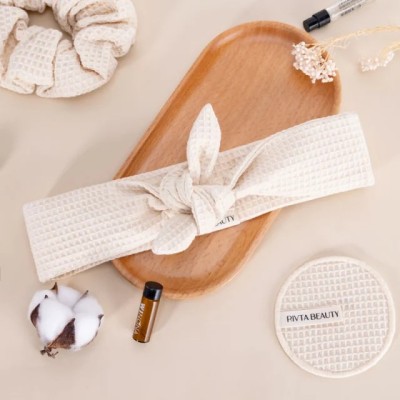
For skincare use, the buyer should review hand feel, softness, absorbency expectation and whether the material feels suitable against skin. If the package or label mentions bamboo, cotton, modal, microfiber, recycled, eco or tested textile wording, those claims should match the actual material route and available documents.
Textile testing references such as OEKO-TEX STANDARD 100 1 can be relevant when buyers need tested textile documentation. For fiber or clothing-related wording, the FTC clothing and textile guidance 4 is a useful reminder that material wording should match the real product.
Logo Label and Color Approval Need Real Placement Photos
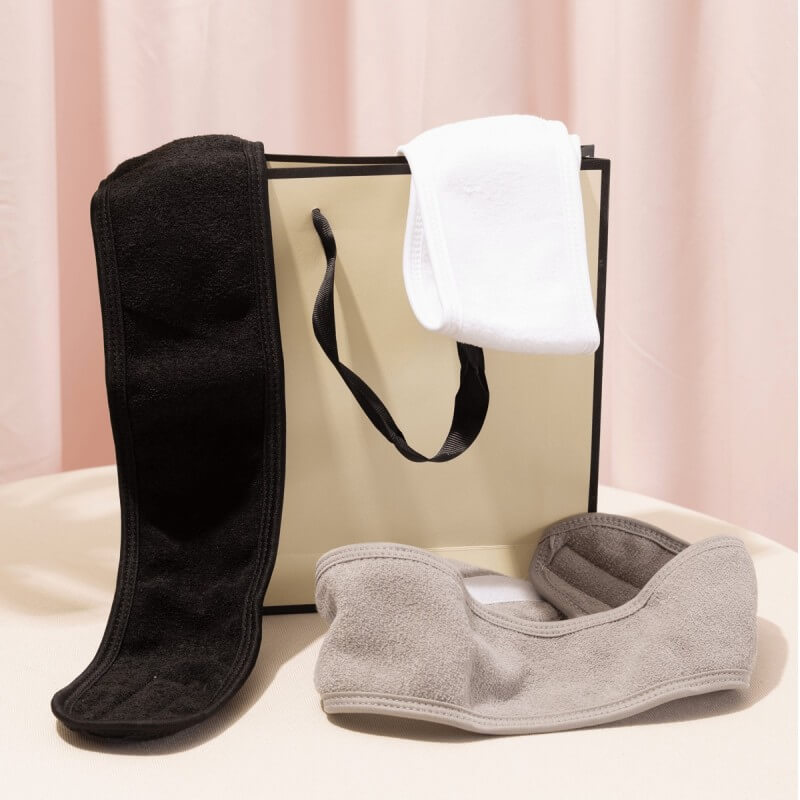
For a headband, logo label approval should be based on real placement photos, not only an artwork file. Ask for front, side and close-up views. The buyer should confirm whether the label is visible when worn, whether it irritates the skin, whether the stitch color is acceptable and whether the label is aligned with the packaging view.
When the headband color, label color, logo color and card color must match a skincare brand campaign, use a shared color reference. Pantone color systems help teams communicate color choices across fabric, label and packaging artworkPantone color systems 2.
Packing, Barcode and Carton Mark Are Part of the Sample
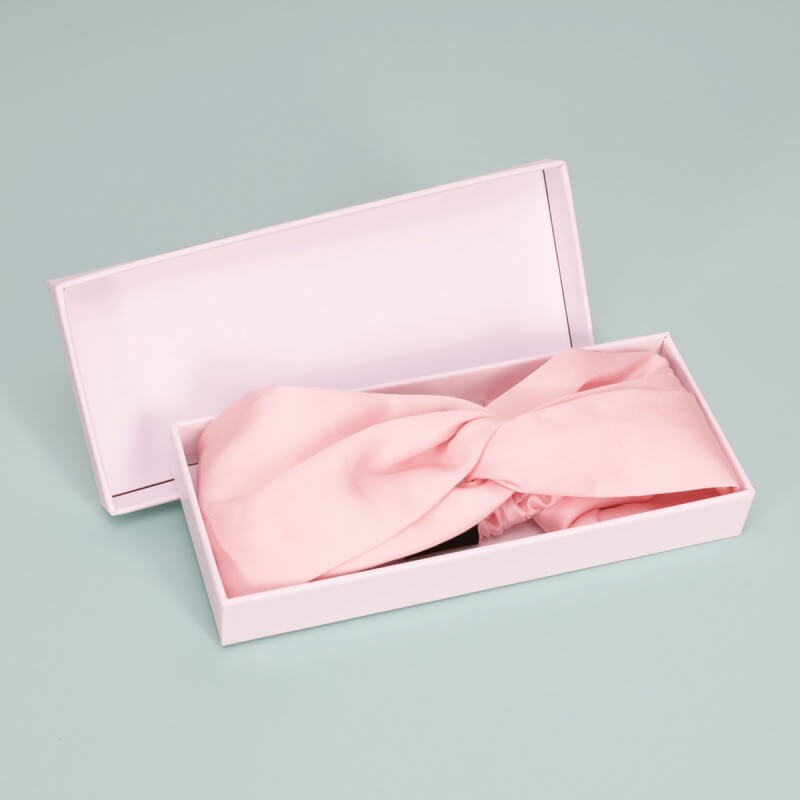
If the headband will be packed into a skincare set, the sample should show the unit packing route. A loose headband sample does not confirm the final handoff. The buyer should approve individual bag, backing card, insert card, set pack, carton quantity and carton mark if these affect the campaign.
Barcode planning is not needed for every GWP, but it matters when the headband is sold, scanned, tracked as a SKU or handled by a retailer. GS1 US gives practical guidance on barcode placement for products and packagingGS1 barcode placement guidance 3.
What Sample Photos Should Be Sent Back
For faster approval, ask the supplier to return a small photo set instead of one beauty shot. The photos should make the buyer’s decision easier and reduce back-and-forth before the final sample is approved.
- Flat front view with size reference.
- Worn or shaped view to show fit and width.
- Logo label close-up and stitch detail.
- Material close-up for texture and color check.
- Unit packing photo, including card or individual bag.
- Carton mark draft if the order has retailer, PO or destination requirements.
RFQ Handoff: Send the Approval Standard Early
The first RFQ should not only ask for a price. It should include the intended use, quantity, color split, headband size, material route, elastic expectation, logo label route, packing route, barcode need, carton mark need, target price and launch timing. This tells the supplier what the sample must prove.
If the buyer is still comparing routes, ask for two sample scopes: a cost-controlled GWP route and a more retail-ready route. This is more useful than asking for a generic “best price” and changing the approval standard later.
Short FAQ
Should a spa headband sample include packing?
Yes, if packing affects the final campaign. For skincare GWP orders, card, bag, set pack, barcode or carton mark details can change both cost and approval standards.
What should be checked before approving the logo label?
Approve fit, elastic and wearing comfort first. Then check label size, stitch position, logo readability and whether the label is visible in the intended packing view.
Can one sample approval compare two routes?
Yes. Buyers can compare a simple GWP route and a more retail-ready route before choosing the final sample standard.
What causes late sample changes?
Late changes usually come from missing approval details: elastic strength, label placement, card artwork, barcode area, carton mark or target price. These should be part of the first approval checklist.
Related Ecorivta pages and guides
- Custom Spa Headbands for Beauty GWP – main product page for skincare and spa headband programs.
- Beauty GWP Accessories – hub page for multi-product beauty gift and launch kit planning.
- Headband Size Elastic and Logo Approval Sheet – supporting guide for fit, elastic strength and logo approval details.
-
OEKO-TEX STANDARD 100 is a textile testing reference buyers may consider when tested textile documentation is relevant to headband materials. Back ↩︎
-
Pantone color systems help teams communicate color references across fabric, logo label and packaging artwork approval. Back ↩︎
-
GS1 US barcode placement guidance is useful when a headband becomes a retail or trackable SKU. Back ↩︎
-
FTC clothing and textile guidance is relevant when buyers prepare material or fiber wording for labels, cards and packaging. Back ↩︎