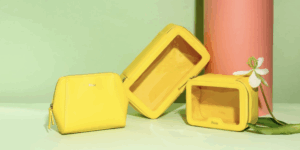
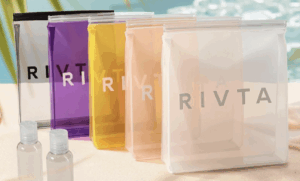
Clear cosmetic bags are no longer only simple transparent pouches. For Beauty GWP campaigns, the design choice should balance product visibility, color, material route, logo placement, closure, packaging and claim-safe wording.
TL;DR
Clear cosmetic bag design should be chosen by campaign fit, not by a mood-board image alone. Buyers should match product visibility, product fill, material route, logo zone, closure, packaging, sample approval, market review and RFQ handoff before asking for quote. The purchasing conclusion is simple: choose the design idea that makes the GWP easier to see, pack, approve and explain, then test it with real products before bulk production.
| Route filter | Procurement conclusion |
|---|---|
| Best fit | This guide is best for beauty founders, brand teams, private-label buyers and sourcing managers choosing a clear cosmetic bag, clear pouch, transparent travel pouch, sunscreen kit bag or retail-ready Beauty GWP bag with a real brand, target launch window and expected order around MOQ 500+ or higher. It fits projects where product visibility, logo contrast, material feel, frosted or tinted finish, insert card, sleeve, barcode, sample approval and destination-market review affect the final design decision. It is especially useful when marketing has several design ideas but procurement needs one RFQ-ready direction before sampling. It also helps teams compare visibility, packing and approval risk without losing the campaign concept. |
| Less suitable | This guide is less suitable for single-piece personal orders, generic marketplace resale, no-brand projects, one-off event favors without production files or price-only sourcing where the buyer only wants a visible pouch. It is also not the right workflow when the team has no product fill, no logo file, no packaging plan, no sample approval owner and no plan to review material, warning text, claim wording or carton packing before bulk production. If the buyer cannot share real product dimensions, label colors or launch market, design review will stay too abstract. |
Why should clear cosmetic bag design move beyond basic PVC?
The old clear pouch idea was simple: transparent body, zipper closure, printed logo. That still works for some programs, but Beauty GWP buyers now need more than basic visibility. They need a bag that protects the product set, photographs well, feels brand-right and can be explained safely to procurement and marketing teams.
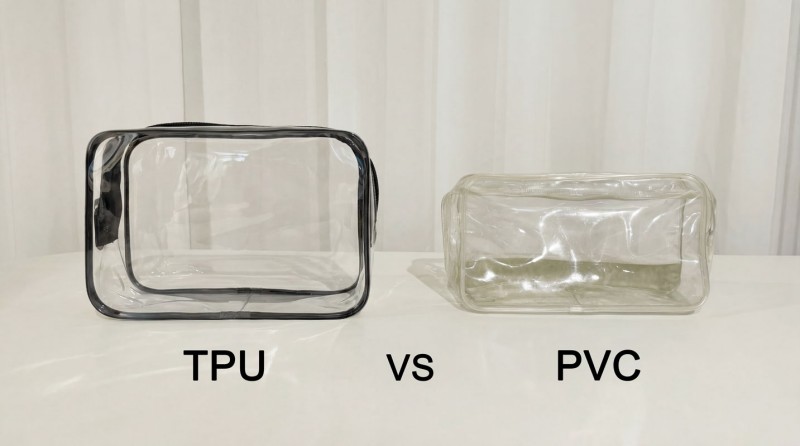
This article should own design trends, not material chemistry. Material comparison belongs in the PVC vs EVA vs TPU guide. Supplier quality belongs in the clear bag quality checklist. Here, the buyer question is: which design direction makes the clear bag feel campaign-ready?
Which clear cosmetic bag design routes fit Beauty GWP campaigns?
| Trend | Best use | RFQ detail to lock |
|---|---|---|
| Frosted or soft transparency | Skincare, wellness and premium sample kits where full visibility feels too clinical. | Transparency level, color cast, logo contrast and surface scratch tolerance. |
| Tinted clear color | Seasonal GWP, sunscreen, fragrance minis and playful makeup campaigns. | Pantone target, material tint, MOQ and color consistency. |
| Structured vanity silhouette | Gift sets that need shelf presence or product protection. | Panel shape, gusset, zipper opening, handle and product fill. |
| Modular pouch set | Launch kits with multiple SKUs, travel-size sets or routine-based products. | Set count, size logic, nesting, packaging and SKU separation. |
| Premium hardware accent | Campaigns that need perceived value without full custom structure. | Zipper puller, slider color, label, rivet, patch or charm. |
| Clean logo window | Clear bags where products inside may visually compete with the logo. | Logo panel, print method, placement tolerance and contrast. |
| Retail-ready sleeve or card | GWP programs distributed through stores, counters or kits. | Insert card, barcode, sleeve fit, carton mark and packing direction. |
| Claim-safe alternative route | Programs comparing PVC, EVA, TPU or other clear alternatives. | Material name, claim wording, safety review and documentation limit. |
Which campaign situation is this idea suitable for?
Each clear bag idea should answer a buyer situation. The design direction is useful only when it improves product presentation, campaign handling or approval control. Use the table below to turn design inspiration into a supplier-ready decision.
| Idea | Use case | Material or packing decision | RFQ detail |
|---|---|---|---|
| Crystal-clear pouch | Product labels, colors and mini sizes should be visible. | Material clarity, odor review, scratch tolerance and product-fill order matter most. | Send product-fill photo, target size, zipper opening and logo position. |
| Frosted clear pouch | Skincare or wellness kits need a softer, more curated look. | Transparency level and logo contrast must be sampled with real products. | Ask for frosted level, logo opacity, insert card position and packing protection. |
| Tinted clear bag | Seasonal launches, sunscreen kits or playful color campaigns need a color cue. | Color consistency, MOQ, material thickness and lighting review become important. | Share Pantone direction, product-label colors and approval light source. |
| Structured vanity format | The GWP needs shelf presence, shape retention or higher perceived value. | Panel thickness, gusset, zipper curve, handle and carton support affect cost and QC. | Request size drawing, packed-sample review and carton orientation. |
| Retail sleeve or insert card | The bag must look organized at counter, store, kit assembly or warehouse handoff. | Card, sleeve, barcode, claim wording and carton mark should be quoted separately. | Send artwork, barcode need, paper route, pack count and destination market. |
Less suitable fit
Clear bag design is less suitable when the product fill is visually messy, labels compete with the logo, the team cannot provide real product dimensions, or the campaign depends on public claims that have not been reviewed. It is also a weak route when the buyer wants a retail-ready result but has no insert card, barcode, sleeve, carton mark or packed-sample approval plan. In those cases, a semi-clear, lined, opaque-panel or cosmetic pouch route may give the brand more control than a fully transparent bag.
How should buyers choose between frosted, tinted and crystal-clear looks?
The finish should follow the campaign job. Crystal-clear material shows the product and feels practical. Frosted material softens the look and can make a sample kit feel more curated. Tinted transparency adds campaign color but can reduce product visibility and complicate color approval.
| Route | Use when | Open page |
|---|---|---|
| Comparison route | Material feel, clarity, tint, cost and market fit need to be compared before sampling. | Open guide |
| Clear product route | The campaign needs a product page or category route for clear cosmetic bags. | Open page |
| Soft clear route | The buyer wants a softer, frosted or semi-clear look for wellness or sunscreen sets. | Open guide |
| Premium clear route | Softness, clarity, flexibility and premium finish matter enough to support a higher material route. | Open guide |
| Campaign route | Design trend, product fill, packaging and launch timing must be planned together. | Open page |
| Travel-size route | Clear bag design connects to travel-size products, sunscreen or resort campaigns. | Open RFQ |
Which logo and branding choices work best on clear bags?
Clear bags create a branding challenge because the product inside becomes part of the visual field. A logo that works on a canvas pouch may disappear on a transparent bag, especially when colorful bottles or labels sit behind it. Buyers should define a logo zone before sampling.
| Branding trend | Best use | Quality demand |
|---|---|---|
| Opaque logo panel | Clear bag with busy product fill. | Panel material, placement, size and color contrast. |
| Minimal one-color print | Clean skincare or fragrance kits. | Print opacity, scratch resistance and placement tolerance. |
| Woven or rubber label | Reusable pouch with tactile detail. | Label stitching, edge finish and alignment. |
| Custom zipper puller | Premium detail without changing full structure. | Puller material, plating, logo depth and durability. |
| Insert card branding | Budget-sensitive or claim-sensitive campaigns. | Card size, artwork, barcode, material statement and packing position. |
How should packaging make a clear bag feel retail-ready?
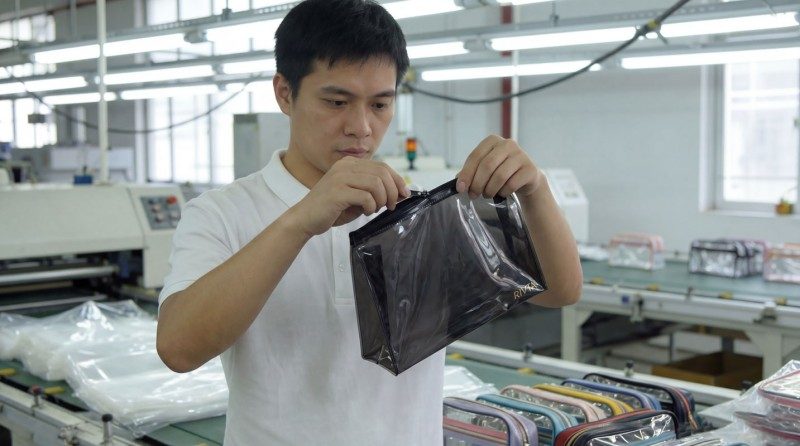
Clear bags reveal the product, but packaging still controls the first impression. In Beauty GWP, the clear pouch may be handed out at a counter, placed inside a launch kit or shipped to a retailer warehouse. If packaging is treated as an afterthought, the bag can arrive scratched, flattened or visually messy.
| Packaging trend | Best use | RFQ detail to lock |
|---|---|---|
| Insert card behind the logo zone | When product labels create visual noise inside a clear bag. | Card size, placement, paper, print, barcode and claim wording. |
| Retail sleeve | When the clear bag should feel like a sellable item, not only a giveaway. | Sleeve fit, scuff risk, opening direction and carton packing. |
| Individual polybag | When clear material may scratch during shipment. | Bag thickness, warning text if needed and packing count. |
| Set packing | When the clear pouch ships with minis, sunscreen, fragrance or accessories. | Product order, divider, fill direction and carton orientation. |
Which design trends create the most sample risk?
Some clear bag trends look easy in a mood board but need more careful sample control. The buyer should flag these early so the supplier can quote realistic sample rounds and material options.
| Trend | Sample risk | How to reduce risk |
|---|---|---|
| Custom tint | Color may shift by material thickness and light source. | Approve color with the final material and product fill. |
| Frosted finish | Logo contrast may weaken. | Test logo opacity and background product colors. |
| Structured clear vanity | Panels may wave or distort if material is too soft. | Confirm thickness, seam method and packing support. |
| Large logo print | Print may scratch or look uneven on curved panels. | Define logo area, print test and reject criteria. |
| Clear set pouch | Products inside may collide, scuff or hide the brand mark. | Test with real product fill and insert card. |
How do design trends affect material claims and compliance review?
Clear bag design often touches material claims, destination-market rules and restricted-substance review. A buyer should avoid broad environmental, product-safety, wellness or airport-acceptance wording unless the claim is reviewed and supported. Environmental claims need specific evidence [1] and clear scope, and green claims [2] should be substantiated. Clear plastic materials may also require REACH restriction review [3] or California Proposition 65 review [4] depending on the destination and product use.
| Design phrase | Safer wording | Needs review |
|---|---|---|
| Environmental clear bag | Clear pouch material options available; documentation reviewed by route. | Any broad environmental claim. |
| Airport-ready bag | Travel-size clear pouch or designed around 3-1-1 packing expectations. | Any airport acceptance promise. |
| broad chemical safety claims | Material and destination-market requirements to be reviewed before artwork. | Health and safety claims without testing scope. |
| Premium TPU | TPU route for soft handfeel and clarity, subject to sample and quote. | Durability or sustainability claims beyond material name. |
What can Ecorivta deliver for clear bag design routes?
For clear cosmetic bag design, the practical boundary starts with material route, visibility goal and product fill. Ecorivta is a better fit when the buyer can share the product set, target size, preferred clear material, logo method, packaging scope, quantity band, destination market and launch date.
| Capability area | Practical planning range | What still needs confirmation |
|---|---|---|
| Clear formats | Flat pouch, zipper pouch, vanity bag, clear travel pouch, toiletry bag, set pouch and retail-ready sleeve format. | Dimensions, gusset, product fill, zipper opening, handle and packing method. |
| Material routes | PVC, EVA, TPU or hybrid clear material route depending on clarity, handfeel, cost and market expectations. | Thickness, odor, color cast, restricted-substance review and claim wording. |
| Design details | Frosted finish, tinted clear color, logo panel, zipper puller, label, insert card and sleeve. | MOQ, sample timing, logo tolerance and packaging cost impact. |
| Indicative MOQ band | Often 500-1,000 pcs for available clear models and simple logo work; 1,000-3,000 pcs for custom color, special trim or structured clear format; 3,000-5,000+ pcs for exclusive clear material, tooling or complex set packing. | Exact MOQ depends on material stock, thickness, color, hardware, logo method and packaging scope. |
| Sample timing band | Often 7-14 days for simple adaptations after complete artwork; 14-21+ days for new structure, custom tint, special zipper or complex packaging. | Material availability, sample rounds, artwork approval and launch deadline. |
| Quality and supplier evidence | ISO 9001 [5], Sedex SMETA [6] or amfori BSCI [7] evidence may be discussed when buyer channels require it. | Exact audit scope, site, validity, document availability and whether the project requires formal review. |
How should design choices connect to cost and MOQ?
Clear cosmetic bag design changes can look small but change the quote. A tinted material, custom zipper puller, printed insert card or retail sleeve may each trigger a different MOQ or sample step. For detailed commercial planning, use the Beauty GWP cost framework. Here, the key is to identify design features that change cost before the sample is approved.
| Design choice | Cost / MOQ impact | Question to ask |
|---|---|---|
| Custom clear tint | May require higher MOQ or longer material lead time. | Is the color stock, tinted-to-order or quoted as a special run? |
| Custom zipper puller | May add tooling, plating, mold or sample cost. | Can the supplier offer an existing puller option first? |
| Opaque logo panel | May add a second material or extra sewing operation. | Is the panel included in the quoted unit price? |
| Retail sleeve | May require separate print MOQ and packing labor. | Is sleeve cost included or quoted separately? |
| Structured vanity format | May require thicker material, reinforcement or more packing protection. | Does the quote include carton protection for shape retention? |
What does an anonymized clear bag design case teach?
An anonymized sunscreen campaign planned a crystal-clear pouch because the buyer wanted three travel-size products to show through at a summer counter event. The first sample looked bright in an empty-bag photo, but the real product labels created visual noise behind the front logo. The white print lost contrast against a yellow tube, the zipper puller felt too basic for the campaign price point, and the clear body made packing scratches more visible than the marketing team expected. The supplier had priced the bag as a simple transparent pouch, while the buyer actually needed a retail-ready GWP with organized product fill, barcode handling and carton protection.
Before bulk approval, the design changed to a lightly frosted front panel with a small opaque logo zone, a stronger zipper puller and a printed insert card behind the products. The RFQ was also revised to separate material route, logo method, insert card, individual packing, scratch tolerance and carton orientation. The second sample was reviewed with the real sunscreen tubes inside, not as an empty bag. That changed the decision: the team accepted slightly softer visibility because the brand mark became readable and the set looked more intentional. The lesson is that clear design should be tested as a filled GWP system. Transparency works only when the buyer controls what customers see through the pouch.
What did three anonymous buyers say after design review?
| Role | Before review | After review |
|---|---|---|
| Founder | The team chose a clear look because it felt simple and photogenic. | The final RFQ connected the clear look to product fill, logo contrast and packaging control. |
| Procurement lead | Supplier quotes mixed material route, sleeve, logo and packing assumptions. | The comparison table made every supplier price the same design and sample approval fields. |
| Marketing manager | The first logo placement disappeared when real products were placed inside. | The approved sample used an opaque logo zone and insert card to protect brand visibility. |
How is this different from related clear bag guides?
This article is the design-decision route. It helps buyers turn clear bag ideas into campaign fit, material choice, logo placement, packaging and RFQ fields. Related pages answer narrower questions, but they should not replace this design framework when a Beauty GWP team is choosing the first sample direction.
| Sibling guide | Use that guide when | Use this guide when |
|---|---|---|
| PVC vs EVA vs TPU guide | The main decision is clear material feel, odor, clarity, cost or destination-market fit. | The team needs to choose a design direction before material trade-offs are finalized. |
| Clear bag supplier quality checklist | The buyer is screening supplier QC, production behavior and clear bag defects. | The buyer is deciding which design idea should enter sampling. |
| Beauty GWP Solutions | The team is planning the full campaign route and related GWP formats. | The clear cosmetic bag is already the chosen format and needs an RFQ-ready design brief. |
| Cosmetic bag product route | The buyer wants broader cosmetic bag formats beyond clear pouches. | The buyer needs to compare clear, frosted, tinted, structured and retail-ready options. |
How should buyers brief clear bag design choices for RFQ?
- Campaign type: skincare, makeup, fragrance, sunscreen, wellness, resort, travel retail or loyalty gift.
- Product fill: dimensions, weight, label colors and whether products should be visible.
- Clear look: crystal-clear, frosted, tinted, semi-clear or opaque-panel route.
- Material route: PVC, EVA, TPU or undecided; ask supplier to recommend based on market and use.
- Logo method: print, label, patch, puller, insert card or sleeve branding.
- Packaging: insert card, sleeve, barcode, polybag, carton mark and display requirement.
- Quality checks: scratches, odor, color cast, weld/seam, zipper, logo placement and packing marks.
- Commercial inputs: quantity range, sample deadline, launch date and destination market.
What should buyers send for a clear bag design route review?
Clear bag design review is fastest when the buyer sends the real products that will sit inside the pouch, not only a style reference. A supplier can recommend a better finish, color or logo zone when the internal product colors and labels are visible.
| Input | Why it matters | Example |
|---|---|---|
| Product fill photo | Shows label colors and visual noise inside the clear bag. | Three sunscreen tubes, one lip item and one sample sachet. |
| Desired visibility | Controls crystal-clear, frosted, tinted or panel route. | Show products clearly but soften the logo background. |
| Logo file and placement idea | Prevents contrast problems on transparent material. | One-color white print on front panel or rubber label at top edge. |
| Packaging route | Controls insert card, sleeve, barcode and carton packing. | Retail sleeve plus individual polybag. |
| Market and claim wording | Shows whether material, warning or travel wording needs review. | Travel-size clear pouch for US sunscreen promotion. |
Send these inputs through Ecorivta Contact / RFQ before sampling. The first review should turn a clear bag design idea into material, logo, packing and inspection decisions.
That early review also helps decide whether the design should stay as a simple clear pouch or move into a structured vanity, travel pouch or retail sleeve route.
Who We Don’t Take On
- Projects that ask for a clear bag trend but provide no product fill or visibility goal.
- Programs that want broad environmental, product-safety or airport-acceptance claims without review.
- Orders that choose clear material only by unit price and ignore odor, clarity, scratches, zipper and packaging.
- Requests that need retail-ready clear bags but provide no barcode, insert card, sleeve or carton requirements.
Need a clear cosmetic bag design route for a Beauty GWP campaign?
Send your product fill, preferred clear look, logo route, packaging idea, quantity and launch date. Ecorivta can help translate design choices into a practical RFQ.
Request a Clear Bag Design Review
About the author
Lina Lv works with beauty brands on custom cosmetic bags, Beauty GWP clear pouches, material routes, logo methods, packed samples and supplier-ready RFQ files. Her writing focuses on practical sourcing decisions that help buyers turn design ideas into sample-ready specifications before bulk production.
Trademark notice
Brand names, certification names, retailer names and standard names mentioned in this article belong to their respective owners. They are used for buyer education and sourcing context only. Ecorivta does not claim ownership of third-party trademarks, and buyers should confirm current trademark, certification and labeling requirements with the relevant owner, certifier, retailer or legal advisor before using marks or claim wording in public packaging, inserts or campaign materials.
FAQ
Should this article focus only on PVC?
No. PVC may still fit some programs, but Beauty GWP buyers should also compare EVA, TPU and other clear routes by design goal, market, cost and claim limits.
Is frosted clear better than crystal clear?
Not always. Frosted clear can look softer and premium, while crystal clear works when product visibility matters. Test both with real product fill.
Can clear bags be used for travel retail GWP?
Yes, but wording should stay conservative. Do not promise airport approval; define size, material, product fill and packing use.
What is the most common clear bag design mistake?
The most common mistake is approving an empty clear bag sample without testing the actual products, logo contrast and packaging marks.
Sources
- U.S. Federal Trade Commission, Green Guides environmental claims summary. Source ↩
- European Commission, Green Claims. Source ↩
- ECHA, REACH restriction information. Source ↩
- California OEHHA, Proposition 65. Source ↩
- International Organization for Standardization, ISO 9001 quality management. Source ↩
- Sedex, SMETA audit. Source ↩
- amfori, BSCI platform. Source ↩