A Beauty GWP tote should be checked as a filled, packed campaign item, not only as an empty bag. This checklist turns QC into visible evidence for product fit, logo flatness, stitching, material claims, packaging and carton handling.
TL;DR
Buyers should not approve a Beauty GWP tote from verbal assurance, team size or a single front-view sample photo. The practical purchasing conclusion is clear: approve the tote only after the supplier shows filled-sample photos, logo flatness on the final material, stitching and handle stress checks, packing direction, carton marks, inspection timing and claim-document scope. If those records are not visible, the project still has bulk-production risk even when the empty tote looks acceptable.
| Best fit | This guide is best for beauty brand teams, GWP planners, sourcing managers and packaging owners who need a tote bag to work as a campaign item, not as a generic empty bag. It fits skincare sets, makeup kits, fragrance minis, wellness bundles, counter gifts and retail promotions where product fill, logo appearance, insert card, hangtag, sleeve, carton marks and launch timing all affect approval. It is especially useful when a buyer must compare supplier evidence, define major defects, align material wording with document scope and protect the packed presentation before bulk production starts. It also helps teams that need one shared checklist for marketing, procurement, compliance, retail operations and logistics. |
| Less suitable | This guide is less suitable for one-piece personal shopping, marketplace resale, simple event giveaways with no branded approval owner, or projects where the buyer only wants a visible tote image without confirming product fill, packaging or receiving details. It is also not the right workflow for price-only sourcing, undefined artwork, unconfirmed product dimensions, missing launch timing or orders where the supplier is expected to proceed without sample records, carton assumptions or claim-document review. If the tote will never be packed with beauty products or reviewed by a campaign team, this checklist may be heavier than needed. |
Why should tote QC start with the filled Beauty GWP set?
An empty tote can pass a basic visual check and still fail a beauty campaign. Skincare bottles, makeup palettes, fragrance minis and wellness items change how the bag hangs, how the logo panel looks and how the carton should be packed. QC should therefore begin with product-fill evidence, not only a front-view bag photo.
Factory capacity matters when it creates repeatable inspection evidence. For Beauty GWP campaigns, the stronger quality message is a clear set of sample checks, in-line checks, packed-sample photos and approval records.
What evidence should buyers approve before bulk production?
| Issue | Evidence to request | RFQ note |
|---|---|---|
| Product-fill distortion | Filled tote photos from front, side and top, using the intended beauty set or a size-matched dummy set. | List product dimensions, total weight and whether the tote must stand, hang or fold. |
| Logo flatness | Final logo method on final material, checked after the tote is filled and handled. | Confirm logo size, placement, Pantone or artwork file, and allowed tolerance. |
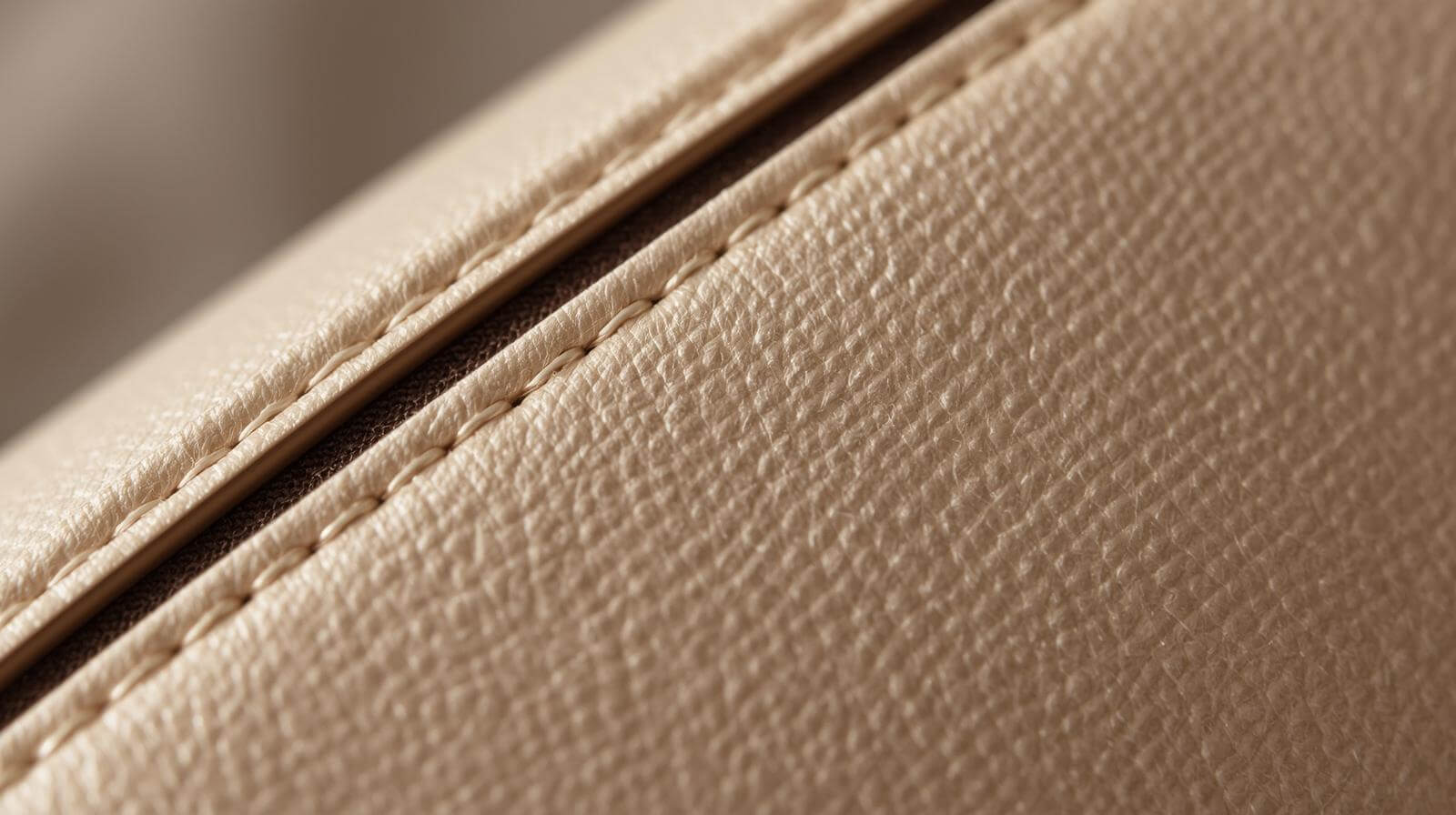
| Stitching and handle stress | Close-up photos of handle stitching, side seams, bottom stress points and trimmed thread. | State carry use, target load and any counter-display or travel-retail handling need. |
| Material claim scope | Material route, document scope and wording location for tag, insert card, sleeve or product page. | Ask the supplier to connect claim wording to order scope rather than broad wording. |
| Packing and receiving | Individual pack, insert card, hangtag, sleeve, carton quantity, carton marks and compression check. | Define who approves the packed sample and when carton evidence is due. |
Which QC points matter most for Beauty GWP tote campaigns?
| QC point | What to check | Why it matters |
|---|---|---|
| Product-fill fit | Filled tote photo, side view and gusset behavior. | Confirms the tote works with the actual beauty set. |
| Logo flatness | Logo panel after the tote is filled. | Prevents a nice empty-bag logo from wrinkling in use. |
| Stitching and seams | Handle stitching, side seams, bottom stress points and thread trimming. | Protects perceived value and repeat use. |
| Handle drop | Comfort with product weight and retail use case. | Controls carry experience for sampling, counter pickup or travel retail. |
| Material surface | Color, handfeel, odor, lint, fabric weight and claim route. | Supports premium perception and claim-safe communication. |
| Packaging scope | Insert card, hangtag, sleeve, individual pack and carton marks. | Makes the tote arrive as a campaign-ready GWP. |
| Carton handling | Pack quantity, compression risk and outer carton label. | Protects shape and retail receiving accuracy. |
What should buyers ask before approving the pre-production sample?
| Question | Evidence to request | Risk if skipped |
|---|---|---|
| Was the tote checked with product fill? | Filled sample photos from front, side and top. | Size and logo issues appear only after packing. |
| Was the logo checked on the final material? | Final logo method on the final material surface. | Color, texture or embroidery density may shift. |
| Was packaging included in the sample review? | Insert card, sleeve, hangtag or individual pack photo. | The GWP may look unfinished on arrival. |
| Were claim documents aligned? | Material route and wording location. | Eco or recycled wording may not match order scope. |
| Was carton packing simulated? | Carton quantity, stacking direction and compression photo. | Shape drift or label mismatch can occur in bulk. |
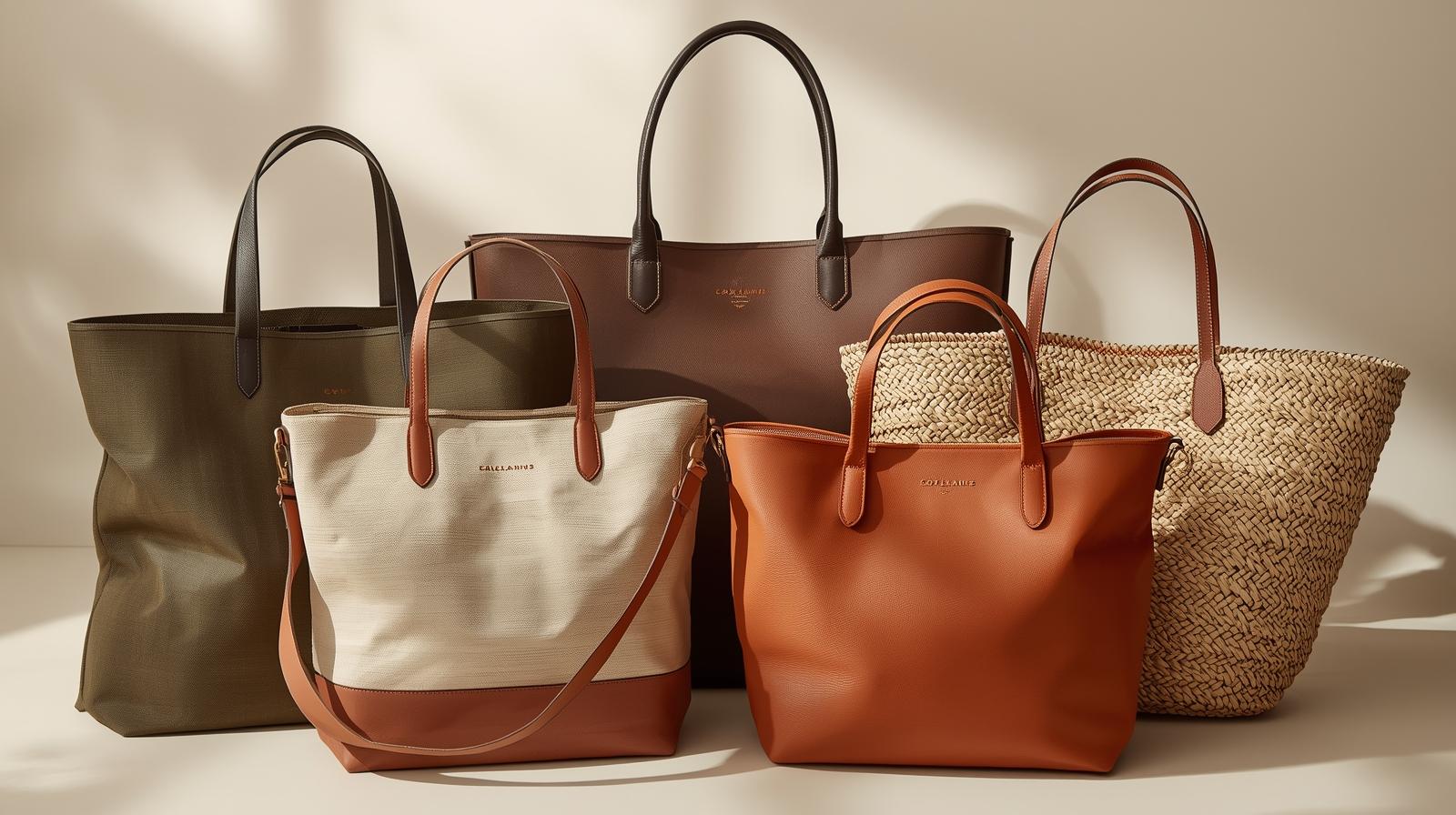
For Beauty GWP, a tote is approved only when the filled sample, logo panel, packing route and carton assumptions are visible together.
Which route helps define the QC focus?
| Route | Use when | Open page |
|---|---|---|
| Tote GWP design route | QC needs to protect the intended launch-kit look and the approval owner must compare tote formats before sampling. | Tote GWP design guide |
| Tote size route | Product fill, handle drop, carton quantity and receiving setup decide whether the tote format works. | Tote size guide |
| Material route | Fabric route, recycled-content documentation, texture and claim wording must be checked together. | Tote material guide |
| Logo method route | Print, embroidery, label, patch or mixed-logo execution needs a practical quality checkpoint. | Logo method guide |
| Launch-kit pairing route | The tote, pouch, product set and unboxing materials must be approved as one campaign presentation. | Launch-kit pairing guide |
| RFQ / QC route | Buyers need Ecorivta to review campaign QC requirements before sampling or bulk preparation. | Contact Ecorivta |
What approval record prevents QC drift during bulk preparation?
QC drift usually happens when the approved sample is not specific enough. A buyer may approve the front look, while the supplier prepares bulk goods using a different packing direction, a slightly different logo size or an undefined carton quantity. The approval record should make those details visible before bulk preparation.
| Approval record | Must show | Owner |
|---|---|---|
| Front-view record | Logo size, logo placement, color and panel flatness. | Brand / design |
| Filled-sample record | Product set inside the tote, gusset behavior and handle position. | Marketing / operations |
| Material record | Fabric route, lining, trim and claim wording location. | Procurement / compliance |
| Packaging record | Insert card, hangtag, sleeve and individual pack direction. | Retail / GWP team |
| Carton record | Pack quantity, carton marks and compression check. | Logistics |
| Inspection record | Checkpoints for stitching, logo, size, odor, stains and packing. | Supplier QC / buyer review |
How should QC be split across sample, in-line and final stages?
A single final inspection cannot protect every Beauty GWP risk. Tote campaigns usually need three layers: sample approval before materials are locked, in-line checks while the order is being prepared, and final packing checks before shipment. The point is to catch the type of issue at the stage where it can still be corrected.
| QC stage | Best checkpoint | Issue it catches early |
|---|---|---|
| Sample approval | Filled sample, logo method, material surface, packaging mockup. | Wrong tote size, logo distortion, material mismatch or weak campaign presentation. |
| Pre-production confirmation | Final fabric, logo placement, trim, label, insert card and carton mark. | Differences between approved sample and bulk setup. |
| In-line check | Stitching, handle position, seam stress, thread trimming and logo consistency. | Repeated workmanship issues before the full lot is completed. |
| Packed-sample check | Actual product fill, individual packing, insert card, sleeve and carton direction. | Presentation problems that do not appear on an empty tote. |
| Final check | Size, color, odor, stains, logo, carton marks and quantity. | Shipment-level defects and receiving problems. |
Which defects should be treated as major for a Beauty GWP tote?
Not every defect has the same impact. A loose thread may be easy to trim, while a wrinkled logo panel on a filled tote can damage the campaign look. Buyers should define major and minor defects before bulk preparation, especially when the tote will be photographed, displayed at a counter or bundled with premium beauty products.
| Defect type | Major when… | Minor when… |
|---|---|---|
| Logo issue | Placement, color, size or flatness changes the visible brand impression. | A tiny edge imperfection is outside the main logo view and within agreed tolerance. |
| Stitching issue | Handle stitching, bottom seam or side seam affects use or appearance. | Loose thread can be trimmed without affecting structure. |
| Material issue | Odor, stain, color shift or fabric damage is visible before use. | Small texture variation is expected for the chosen material route. |
| Size issue | The filled product set no longer fits or changes the tote shape. | Measurement is within the approved tolerance and does not affect product fit. |
| Packaging issue | Insert card, sleeve, hangtag or carton mark is missing or wrong. | Minor pack direction difference does not affect retail or receiving use. |
What can Ecorivta deliver for Beauty GWP tote QC checks?
| QC support area | Practical review range | What buyers should not assume |
|---|---|---|
| Product-fit QC | Beauty GWP totes, skincare sets, makeup sets, fragrance minis, wellness bundles and retail promotions. | Do not approve a tote only from an empty front-view photo. |
| Sample timing | 7-14 days for simple logo routes; 14-21+ days when new material, trim, logo or packaging must be checked. | Do not compress QC by skipping packed-sample review. |
| MOQ planning | 500-1,000 simple route; 1,000-3,000 custom trim or packaging; 3,000-5,000+ special route or multi-SKU campaign. | Do not expect the same QC workload for each quantity band. |
| Claim review | Fabric, tag, insert card, sleeve and product page wording should match the actual material route. | Do not use broad eco wording without document scope. |
| Inspection focus | Logo flatness, handle stitching, seam stress, odor, stains, color and pack-out. | Do not treat QC as a final photo check only. |
What does a composite tote QC case teach?
A composite makeup-and-skincare launch prepared a canvas tote for counter gifting, but the first approval round focused on empty-bag photos. The logo looked centered, the fabric color matched the artwork file and the handle drop seemed comfortable. When the buyer later placed the cleanser, serum box, mini fragrance and insert card inside the tote, the product fill pushed against the front panel and made the logo area look uneven. The packed carton also placed the insert cards against the fold line, so some samples arrived with bent corners.
The project team paused bulk release and rebuilt the approval file. They asked the supplier for a filled-sample photo set, side-gusset view, handle stress photo, insert-card packing photo, carton mark, carton quantity and compression check. They also moved claim wording from broad artwork notes into a material-scope line tied to the actual fabric route. The tote design did not need a full redesign, but the approval evidence became much stronger. Marketing could see the campaign look, procurement could compare supplier response quality, compliance could review wording scope and logistics could confirm carton handling. The lesson for Beauty GWP buyers is that QC should prove the finished campaign item, not just the empty tote. Product fill, logo flatness, packing direction and carton handling must be reviewed together before the order moves into bulk preparation.
What did three anonymous buyers say after tote QC review?
| Anonymous buyer | Before QC review | After QC review |
|---|---|---|
| Skincare launch manager | The team approved an empty tote photo and assumed the serum set would sit correctly. | Filled-sample photos showed the front panel needed a firmer packing direction before bulk release. |
| Makeup retail planner | The buyer focused on logo color but had not checked insert card position or carton marks. | The approval file added packaging photos and receiving labels, which reduced internal rework. |
| Wellness GWP sourcing lead | The supplier shared general workmanship photos without product-fill context. | The buyer requested handle stress, side-gusset and packed-carton evidence tied to the actual launch kit. |
How is this different from related tote and Beauty GWP guides?
| Related guide | Main focus | How this QC checklist differs |
|---|---|---|
| Tote GWP design guide | Choosing tote formats and campaign design routes. | This page checks whether the chosen tote can pass filled-sample, logo, stitching and packing approval. |
| Tote size guide | Matching tote dimensions to GWP value and product fit. | This page turns size choice into sample evidence, tolerance notes and carton handling checks. |
| Logo method guide | Comparing screen print, embroidery and other branding methods. | This page checks whether the selected logo method stays flat and consistent on the filled tote. |
| Beauty GWP solutions | Planning the broader GWP program route. | This page narrows the workflow to tote QC evidence before sample approval and bulk preparation. |
How can buyers send a copy-ready tote QC brief?
- Campaign type.
- Product fill.
- Target tote size.
- Logo method.
- Material route and claim wording.
- Packaging scope.
- Packed-sample photos needed.
- Carton mark and pack quantity.
- Critical defects to check.
- Acceptable tolerance notes.
- Sample approval deadline.
- Bulk inspection timing.
- Launch date.
Send this through the Ecorivta contact form when the team needs help turning a tote idea into a QC-ready GWP brief. Include product dimensions, logo method and packaging scope so the review can focus on campaign risk.
Which evidence should support a tote QC checklist?
QC planning should connect to ISO 9001 quality-management context [1] and ISTA distribution-test context [2] when buyers define inspection records, carton handling and repeatable checkpoints. For material and claim-sensitive campaigns, buyers should also consider OEKO-TEX textile safety scope [3], GRS recycled-content documentation [4] and FTC environmental marketing guidance [5].
For supplier responsibility and buyer requirements, amfori BSCI social-compliance context [6] and Sedex SMETA audit context [7] can be useful when their scope matches the actual factory, order route and customer requirement.
Who We Don’t Take On
- Projects that ask for absolute defect-free wording but skip product-fill, packed-sample or carton approval.
- Buyers who approve only a front-view photo when the tote must carry skincare, makeup or fragrance products.
- Orders using material or sustainability claims without matching document scope and artwork location.
- Launches where QC timing is removed from the schedule even though packaging, logo and product fill are still changing.
About the author
Lina Lv is a Brand & Product Specialist at Ecorivta. She works with beauty buyers on GWP bag briefs, material routes, sample approval details and supplier communication for cosmetic bags, tote bags, pouches and related beauty accessories.
Trademark notice
All third-party brand names, certification names, standards and trademarks mentioned in this article belong to their respective owners. Their use is for identification, sourcing and compliance-context discussion only, and does not imply endorsement by those owners.
FAQ: Tote bag QC for Beauty GWP campaigns
What should a Beauty GWP tote QC checklist cover?
It should cover product-fill testing, tote size, logo flatness, stitching, handles, material claim scope, packaging, carton marks and approval records.
Why is tote QC different for Beauty GWP campaigns?
A Beauty GWP tote is judged as part of a launch kit. It must look right when filled, protect the product set and arrive with the right packaging evidence.
Should buyers rely on team size alone?
No. Team size can support capacity, but buyers should ask for inspection points, packed-sample photos, approval records and carton checks.
What should be checked before bulk preparation?
Before bulk preparation, buyers should check the filled sample, final material, logo method, packaging scope, carton marks and claim wording location.
When should buyers contact Ecorivta?
Buyers should contact Ecorivta when they need a tote QC checklist tied to product fill, logo method, packaging scope and launch timing.