Acetate hair clip bulk approval is the step where a beauty buyer confirms that the approved sample can move into repeat production. The approval should cover more than the clip shape. It should also cover color, surface finish, teeth, hinge, spring, clip force, logo size, backing card, hangtag, polybag, carton mark, barcode and launch timing.
Many hair clip projects start with a style choice. The risk comes later, when logo size, card artwork, packing method or inspection requirement is added after the first quote. That creates re-quotation, sample changes and approval delays. This checklist helps buyers freeze the right information before bulk production starts.
For Ecorivta, the buyer-side rule is simple: existing style and custom mold projects still need the same approval discipline. The shape may be different, but the bulk file still needs color, logo, function, packing and QC evidence before production.
Quick Buyer Summary
Before bulk production of acetate hair clips, confirm the approved style, color, surface finish, teeth, hinge, spring, clip force, logo size, logo position, backing card, hangtag, polybag, carton mark, barcode, quantity split and launch timing. If the buyer requires third-party testing, say so before bulk approval. If internal inspection is enough, state the check points clearly. Confirm MOQ, sample timing and bulk timing against the selected style, mold, finish, logo and packing route before approval.
Send Your Hair Clip Bulk Approval File
What is bulk approval for acetate hair clips?
Bulk approval is the buyer’s confirmation that the supplier can move from sample or route sample into repeat production. For an acetate hair clip, this does not mean “the buyer likes the look.” It means the buyer has approved the product route, color, finish, logo method, functional check points, packing file and shipment evidence needed for the order.
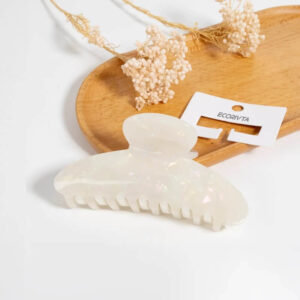
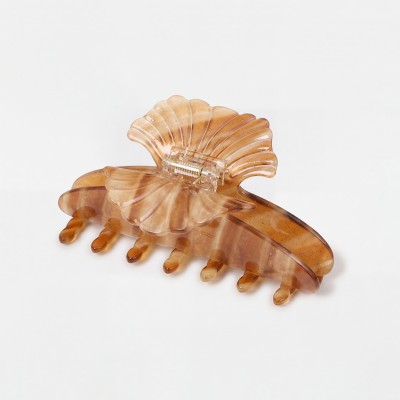
Ecorivta’s hair clip page 1 positions custom acetate hair clips and claw clips for beauty GWP campaigns, logo options, packaging and bulk QC review. The claw clip page 2 shows existing routes such as jumbo acetate claw clips, curved jaw clips, strong spring clips and custom logo clips. These product choices should be reflected in the approval file.
A good approval file keeps open decisions visible. If logo artwork is pending, mark it pending. If barcode is not final, mark it pending. If the buyer’s retailer or brand team requires appointed lab testing, say it before production planning. Hidden open decisions create the rework.
What belongs in the bulk approval file?
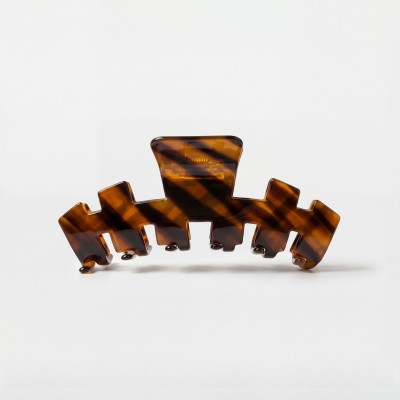
The bulk approval file should be short enough for a buyer to use, but complete enough for the factory to produce from it. It should not mix final information with assumptions. Color, logo and packing are especially important because each can change price, sample review and production sequence.
| Approval area | What to confirm | Why it matters before bulk |
|---|---|---|
| Style route | Claw clip, barrette, French clip, banana clip, side comb, existing style or custom mold. | Controls mold or tooling expectation, component route and sample record. |
| Color and surface | Approved color, tortoise effect, matte or gloss finish, pattern and visible defect limit. | Prevents shade and surface arguments after production. |
| Functional parts | Teeth, hinge, spring, opening feel, clip force and edge comfort. | Confirms the clip works for the intended use. |
| Logo | Size, position, method, color, card logo and approval owner. | Logo route depends on logo size and placement. |
| Packing | Backing card, hangtag, sleeve, polybag, carton mark, barcode and set packing. | Packing changes labor, paper goods and shipment handoff. |
| Quantity split | Pieces by style, color, SKU, market and packing version. | Makes MOQ, carton and barcode approval usable. |
| Evidence | Photos, measurements, internal check, third-party test if required and pre-shipment record. | Gives the buyer a record for approval and launch files. |
For qualified programs, the buyer should also state launch timing and target price before final route approval. Ask Ecorivta to confirm MOQ, sample timing and bulk timing after the style, material, logo and packing route are defined; these values are quotation inputs, not universal promises.
How should logo size and position be approved?
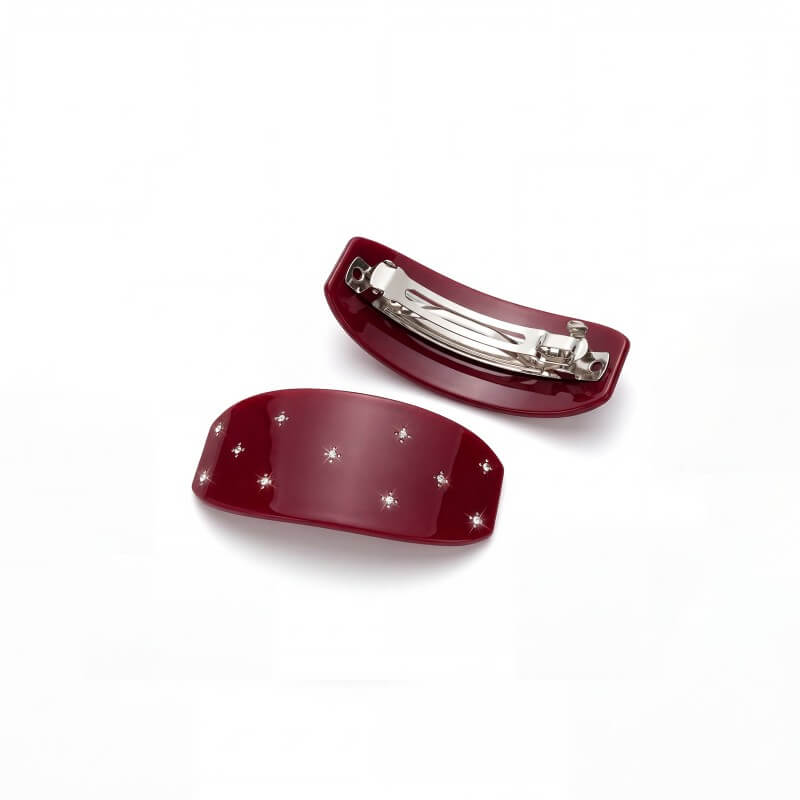
Logo approval starts with size. A large logo, small logo, card logo, metal detail, printed mark or no product logo leads to different production decisions. The buyer should not only say “add logo.” The file should show where the logo sits, how large it is, what color it uses and whether the logo belongs on the clip, card, tag, sleeve, carton or full set.
For acetate hair clips, logo placement should be checked against shape and visual space. A curved clip may not hold the same logo size as a flat card. A product logo may need to be smaller than a backing card logo. If the buyer wants both product logo and card logo, those should be treated as two approval items.
| Logo route | Approval needed | Common risk |
|---|---|---|
| Logo on product | Size, position, method, color and sample view. | Logo is too small, too large, off-center or unsuitable for curve. |
| Logo on backing card | Artwork file, card size, hole position and print approval. | Card is approved after product quote and changes cost. |
| Logo on hangtag or sleeve | Paper stock, print file, attachment method and version. | Packaging detail appears after sample approval. |
| No product logo | Confirm whether card, carton or set still carries brand identity. | Supplier assumes no logo cost, but buyer expects branded packing. |
If the logo is not final, the buyer should still tell Ecorivta the expected logo route before quotation and bulk approval. A temporary layout is better than a verbal note because it shows the expected size and position.
What packing details should be confirmed?
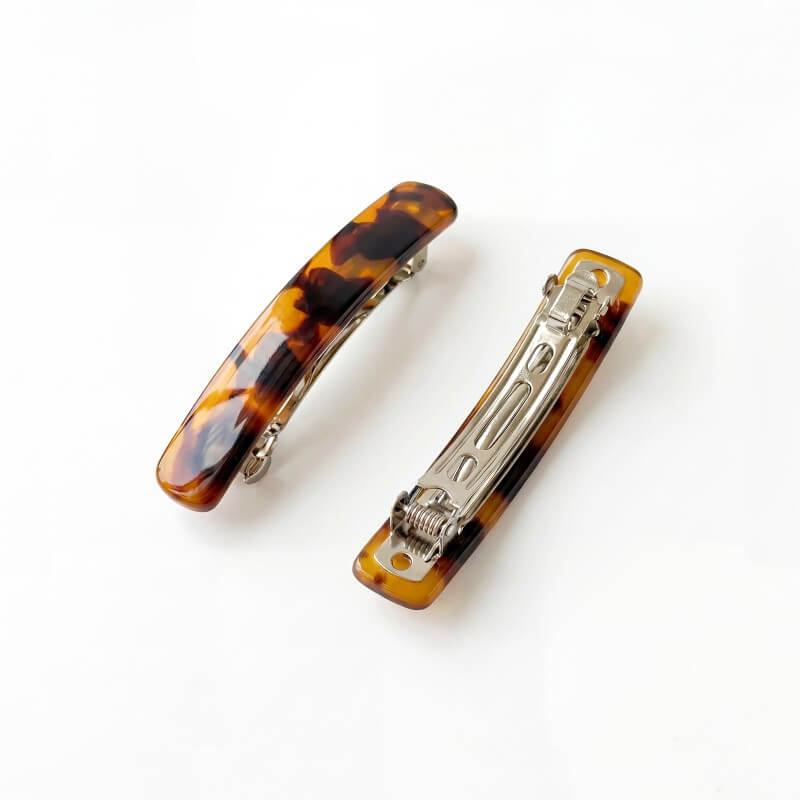
Packing approval is often where hair clip projects become more complex. A clip sold or gifted on a backing card is not the same as a loose clip in bulk packing. A beauty GWP clip may also sit inside a pouch, launch kit, PR mailer or carton with other accessories. Packing affects unit labor, paper goods, barcode, carton volume and photo evidence.
For retail and private label programs, barcode and identification details should be treated as part of the approval file. GS1 barcode resources 3 explain the role of barcodes in product identification across supply chains, which is why barcode handoff should not be left to the last carton step.
| Packing item | What the buyer should approve | Why it affects launch |
|---|---|---|
| Backing card | Card size, hole position, artwork, logo, barcode and clip orientation. | Controls retail presentation and packing labor. |
| Hangtag or sleeve | Artwork, paper type, attachment point and market version. | Can add print lead time and approval steps. |
| Polybag | Individual bag, bulk bag, buyer-required warning text if applicable, and set packing. | Changes unit packing and warehouse handling. |
| Carton mark | SKU, quantity, market, barcode, item name and buyer wording. | Prevents warehouse and shipment handoff issues. |
| Set packing | Whether the clip packs with pouch, scrunchie, headband, towel, eye mask or insert card. | Changes labor, carton space and approval evidence. |
If the buyer does not yet know the final packing, the approval file should split product approval from packing approval. That lets the product route move forward while keeping packing decisions visible.
How should pull test, clip force, hinge and teeth be handled?
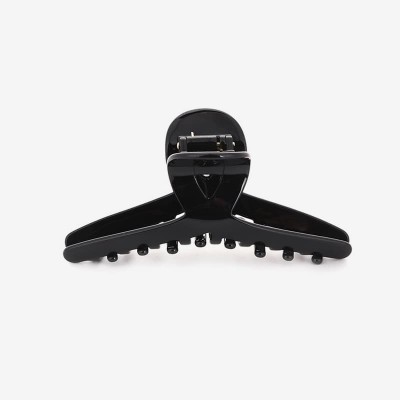
Functional checks should match the buyer’s requirement. Some buyers accept Ecorivta internal inspection for clip force, hinge movement, spring feel, teeth edge and opening or closing feel. Other buyers require third-party testing or an appointed lab because of retailer, market or internal compliance rules. The approval route should be chosen before bulk, not assumed after production starts.
A safe approval file names the check method. It can say “supplier internal check with photo/video record,” “buyer standard to be followed,” or “third-party lab test required before shipment.” ISO describes ISO 9001 4 as a quality management standard focused on consistently meeting customer and regulatory requirements; for hair clips, that principle means the buyer’s stated check points should be built into the supplier’s approval flow.
| Function check | Internal approval wording | When to escalate |
|---|---|---|
| Clip force | Check opening and closing feel and holding performance against approved sample. | Escalate if buyer has a numeric force standard or appointed test. |
| Hinge and spring | Check smooth movement, spring return and obvious looseness. | Escalate if retailer requires cycle or mechanical testing. |
| Teeth and edges | Check visible burrs, rough edge, broken teeth and comfort risk. | Escalate if buyer has safety or market-specific review. |
| Surface finish | Check scratches, dents, glue marks, color variation and finish consistency. | Escalate if brand has cosmetic defect limits. |
| Packing protection | Check card holding, polybag, carton layout and sample shipment condition. | Escalate if shipment test or drop test is required. |
The key is to write the route before bulk. If a buyer only needs internal inspection, the factory can record the agreed check points. If the buyer needs a third-party lab, the timeline should include that step before shipment.
Is existing style approval different from custom mold approval?
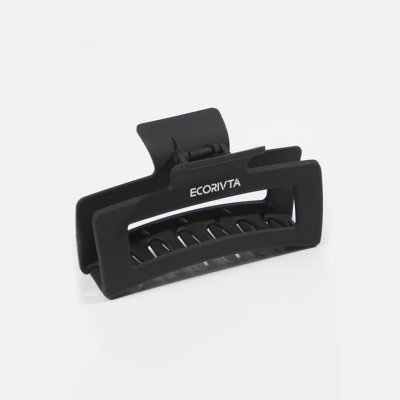
From the buyer’s bulk approval perspective, existing style and custom mold routes are not completely different. The shape route changes, but the final approval still covers color, finish, function, logo, packing, carton and evidence. The main difference is how early the shape is fixed.
With an existing style, the buyer usually approves from a known clip shape and then confirms color, logo and packing. With a custom mold, the buyer also needs to approve the shape route before moving into color and logo. Once the shape is approved, both routes still need the same bulk discipline.
| Route | Extra early decision | Same bulk approval items |
|---|---|---|
| Existing style | Choose the closest available shape and size. | Color, surface, clip force, logo, backing card, carton and QC. |
| Existing style with customization | Decide color, logo and packing changes. | Sample record, artwork, packing proof and quantity split. |
| Custom mold route | Approve shape direction before logo and color lock. | Function, surface, logo, packing, carton and inspection evidence. |
What should be sent to Ecorivta before bulk?
Send one approval file and one artwork folder. The approval file should say what is final, what is pending and who owns each decision. Ecorivta’s contact page 5 asks buyers to send product, quantity, materials, logo, packaging, certificates and delivery information before quotation or project review.
- Approved clip route: claw clip, barrette, French clip, banana clip, side comb, existing style or custom mold.
- Color and finish: approved color, tortoise effect, matte or gloss, pattern and surface expectations.
- Function check: teeth, hinge, spring, clip force, edge comfort and approved sample reference.
- Logo route: size, position, method, color, product logo, card logo or no product logo.
- Packing route: backing card, hangtag, sleeve, polybag, carton mark, barcode and set packing.
- Quantity split: pieces by color, style, SKU, market and packing version.
- Test route: internal inspection, buyer standard, appointed lab or third-party test if required.
- Timeline: sample approval, final artwork, bulk approval, testing if needed, shipment and launch window.
If your team is still deciding between routes, mark that clearly. Ecorivta can review existing style, color, logo and packing options before bulk approval, but late logo or backing card changes should not be hidden until production is ready.
Request Hair Clip Bulk Approval Review
How is this article different from Ecorivta hair clip product pages?
This checklist focuses on the bulk approval task. The hair clip page is useful when buyers are choosing the broader hair accessory route. The claw clip page is useful when the project centers on claw clip manufacturing options. The barrettes and French clips page 6 is useful when the buyer needs barrette-specific product and backing-card context. This page explains what buyers should approve before bulk production.
What can Ecorivta deliver for acetate hair clip bulk approval?
| Buyer situation | Ecorivta can help by |
|---|---|
| Beauty brands, haircare brands, DTC teams, retail private label buyers and procurement teams sourcing branded acetate hair clip, claw clip or barrette programs. | Reviewing whether an existing style, customized style or custom mold route can support the approved look, function and launch timing before bulk production. |
| Programs with logo, backing card, barcode, packing file, retailer review, internal QC evidence or third-party test requirements. | Building a bulk approval file that separates style, color, logo, function, packing, quantity split, testing route and shipment evidence. |
| Single-piece buying, no-brand resale sourcing, urgent stock-only requests or price-only inquiries with no sample approval process. | Explaining which information is still needed before Ecorivta can support a controlled branded production route. |
Approve the Style Before Adding Logo and Retail Packing
Freeze the clip shape, material route, dimensions, spring or barrette mechanism and finish before approving logo artwork or a backing card. A later change to the clip body can move the printable area, alter the card die line and force a second artwork approval. Treat style approval and packing approval as two linked gates, not one combined sign-off.
Questions to Record in the Approval Log
- Sample version and approval date
- Approved color and material reference
- Dimensions and mechanism
- Logo method, location and size
- Backing card die line and barcode status
- Approver and approval date
- Any unresolved item before bulk production
Evidence status: this section is a buyer-decision framework. It does not claim a completed customer order. A traceable Ecorivta order or sample record will be added only after Jolian confirms what can be published.
Add Product-Specific Function Checks for Combs and Banana Clips
The bulk approval file should name the exact product route. For side combs and French twist combs, record curvature, tooth spacing, insertion direction, edge finish and hold after placement. For banana clips and ponytail holders, record spine length, tooth alignment, closure action, contour and opening consistency.
These checks belong beside color, logo and packing approval. They keep a generic hair clip checklist from hiding the structural decision that actually determines whether the selected style works for the buyer’s program.
FAQ
What should be approved before bulk production of acetate hair clips?
Before bulk production, buyers should approve clip route, color, surface finish, teeth, hinge, spring, clip force, logo size, logo position, backing card, hangtag, polybag, carton mark, barcode, quantity split and launch timing. The file should also state whether internal inspection is enough or whether the buyer requires third-party testing or an appointed lab.
Is logo approval only about artwork?
No. Logo approval should cover size, placement, method, color, surface suitability and whether the logo appears on the clip, backing card, hangtag, sleeve, carton or set packing. Logo size decides what route is practical. If final artwork is not ready, buyers should still send a temporary layout with approximate size and position.
What packing details matter for hair clip orders?
Packing details include backing card size, card artwork, hole position, hangtag, sleeve, polybag, carton mark, barcode, market version, set packing and shipment evidence. These details can affect quote, print lead time, labor, carton size and warehouse handoff. If packing is not final, the buyer should separate product approval from packing approval.
How should clip force or pull test requirements be written?
Write the requirement according to the buyer’s standard. Some buyers accept internal inspection against the approved sample, including opening feel, spring return, hinge movement, teeth edge and holding performance. Other buyers require a third-party lab or appointed test. The approval file should name the route before bulk production so the schedule includes the right step.
Is a custom mold hair clip harder to approve than an existing style?
The custom mold route requires earlier shape approval, but the final bulk approval items are similar. Both existing style and custom mold hair clips still need color, surface, function, logo, packing, carton and QC evidence approval. The buyer should not skip packing or function review just because the shape has already been approved.
What MOQ and timing should buyers expect?
MOQ and timing depend on the selected style, material, color, logo, packing and test route. Ask for written confirmation after the sample and approval scope are defined.
Which buyers are not a good fit for this checklist?
This checklist is not designed for single-piece buying, no-brand resale sourcing, urgent stock-only requests or price-only inquiries with no sample approval process. It is most useful for branded beauty, haircare, retail private label or GWP programs that need approved logo, packing, function checks, carton evidence and repeatable bulk production before launch.
About the author
By Lina Lv, Sales Manager at Ecorivta | Updated July 19, 2026
Lina writes for Ecorivta with input from the sales and sourcing team, focusing on buyer-side questions around custom cosmetic bags, hair accessories, clear pouches and sewn beauty GWP programs. Her articles translate RFQ briefs, bulk approval, sample confirmation, logo placement, packing scope, certificate review, QC evidence and shipment handoff into practical checklists for beauty brands and procurement teams. This article is reviewed against Ecorivta’s current buyer-facing pages and should not be read as evidence for an unverified order, test or production claim.
If your team is preparing acetate hair clip, claw clip or barrette bulk approval, send product route, target price, color, logo, quantity, packing, test requirement and launch timing through the Ecorivta contact page.
Talk to Lina About Hair Clip Bulk Approval
Trademark and certification note
BSCI, Sedex, SMETA, GRS, OEKO-TEX, ISO, GS1 and other certification, audit or standard names belong to their respective organizations. This article is a supplier-side sourcing guide and does not claim that every product, material, order or shipment automatically carries every listed certification or test result. Buyers should confirm current document validity, certificate scope, test requirements, logo rights, packing artwork and market rules before finalizing quotation or bulk production.
-
www.ecorivta.com – Use Ecorivta’s hair clip page to understand the beauty GWP hair clip supplier route and how logo, packing and bulk QC fit the product page ↩︎
-
www.ecorivta.com – Use Ecorivta’s claw clip manufacturer page for product-route examples such as jumbo acetate claw clips, ergonomic jaw clips, strong spring clips and custom logo clips ↩︎
-
support.gs1.org – GS1 barcode resources are useful when buyers need product identification, barcode and market-version handoff for retail packing ↩︎
-
www.iso.org – ISO 9001 quality management information supports the principle that customer requirements and consistent processes should guide inspection and approval flow ↩︎
-
www.ecorivta.com – Use Ecorivta’s contact page to send product route, quantity, material, logo, packaging, certificate and delivery information before quotation or bulk review ↩︎
-
www.ecorivta.com – Use Ecorivta’s barrettes and French clips page when buyers need barrette-specific product route and backing card approval context ↩︎