China sourcing can work well for Beauty GWP tote programs when the brief controls material claims, logo method, sample approval, packing and launch timing. The risk is treating the project like a generic tote order instead of a beauty campaign asset.
TL;DR
Before asking for price, buyers should prepare an RFQ file that states product fill, target market, tote format, material route, certification scope, logo method, packaging scope, sample deadline, carton requirements and launch timing. The purchasing conclusion is clear: China sourcing risk drops when suppliers respond to the same evidence-based brief, not when buyers compare a loose photo request. The best route is the one that can explain MOQ, sample gates, claim boundaries, packing details and production timing before the buyer pays for samples or approves bulk.
| Best fit | This guide is best for beauty founders, procurement teams, packaging managers, brand marketers and operations owners preparing a tote-based Beauty GWP campaign with a China sourcing route. It fits canvas totes, recycled polyester totes, rPET routes, cotton blends, foldable totes, tote-and-pouch launch kits and retail-ready promotional totes where RFQ files, MOQ, sample timing, certification scope, packing details, cost risks and supplier evidence all affect the decision. It is especially useful when the buyer needs to compare supplier responses, control claim wording, define sample gates and keep the launch calendar visible across design, sourcing, compliance and logistics teams before internal approval. |
| Less suitable | This guide is less suitable for one-piece personal orders, generic marketplace resale, simple event tote giveaways with no beauty product fill, or sourcing where the only request is a rough catalog reference. It is also not the right workflow when the buyer has no target quantity, no launch date, no product dimensions, no artwork direction and no plan to review material documents, sample photos, packing evidence or carton details. In those cases, supplier comparison will stay too vague for controlled Beauty GWP sourcing. |
Why should China tote sourcing be treated as a Beauty GWP risk process?
Beauty GWP tote programs have a different risk profile from ordinary shopping totes. The tote may sit beside skincare, makeup, fragrance minis, hair accessories or a cosmetic pouch. It may carry a sustainability message, a launch color, a retail display role or a loyalty-program value statement. If sourcing starts only with bag size and unit price, the finished campaign can lose value even when the tote itself is technically acceptable.
A better sourcing process starts with the campaign brief. The buyer should define what the tote must do in the beauty journey: carry the product set, support the material story, present the logo cleanly, survive handling, fit the carton plan and arrive before the launch date. Once those decisions are visible, China sourcing becomes a controlled procurement process rather than a broad supplier search.
The strongest sourcing partner is not the one that sends the fastest quote. It is the one that can convert the Beauty GWP brief into material evidence, sample gates, packaging checks and production-ready details before the buyer commits to bulk.
RFQ file checklist before asking for price
| Buyer input | Supplier response | Risk if missing |
|---|---|---|
| Campaign type, target market and launch date. | Recommended sourcing route, timeline gates and responsible contact. | The supplier may quote a generic tote instead of a Beauty GWP campaign item. |
| Product fill, approximate weight and tote dimensions. | Fit comments, filled-sample evidence plan and size or handle suggestions. | The tote may look acceptable empty but weak, crowded or unstable when packed. |
| Material route and certification scope needed. | Available fabric options, document scope and claim wording boundary. | Sustainability wording may not match the actual component, factory or order route. |
| Logo method, artwork status and color reference. | Recommended print, embroidery, label or mixed route with sample timing. | Logo quality, color accuracy or approval timing may be mispriced. |
| Packaging scope, carton marks and receiving needs. | Pack-out plan, carton quantity, carton mark and damage-risk notes. | Retail presentation and warehouse receiving may be added too late. |
| Target quantity, sample deadline and delivery window. | Route-based MOQ, production slot, sample gate and inspection timing. | The buyer may choose a route that cannot support the launch calendar. |
Which sourcing risks matter most for Beauty GWP tote programs?
| Risk area | What can go wrong | How to control it before sampling |
|---|---|---|
| Product fill | The tote looks premium empty but weak, crowded or unstable after bottles, jars and cartons are loaded. | Share product dimensions, approximate weight, insert card size and desired pack-out before the first sample. |
| Material claim | The campaign says recycled, organic or natural without matching documentation or clear claim location. | Define whether the claim belongs to fabric, lining, trim, label, hangtag, sleeve or insert card. |
| Logo method | The logo method chosen for cost does not support color accuracy, premium feel or durability. | Compare screen printing, embroidery, woven label and hangtag routes before artwork approval. |
| MOQ and timing | The buyer requests a custom route with a quantity or deadline that fits only a stock route. | Ask for route-specific MOQ, sample timing and bulk lead time before locking design direction. |
| Packing and freight | The tote shape, handle and carton method raise shipping volume or damage the presentation. | Request folded size, carton quantity, carton marks and pack-out photos with the sample review. |
| Market warning | The tote uses clear plastic, metal trim, coatings or claims that need market-specific checks. | Flag destination markets and retailer requirements before the RFQ is priced. |
For deeper tote idea planning, connect this sourcing checklist with the tote GWP designs guide. For material-specific decisions, use the tote materials guide.
How should buyers screen a China sourcing partner before sampling?
The first screening question is not whether the supplier can make tote bags. It is whether the team can translate a beauty campaign into production evidence. A capable partner should ask about product fill, material story, logo method, packaging role, claim wording, target market and launch date before quoting as if every tote were the same.
| Screening question | Strong signal | Weak signal |
|---|---|---|
| Can they show Beauty GWP-related tote formats? | Examples include canvas launch totes, recycled polyester foldable totes, retail-ready boxed totes, tote-and-pouch sets and gift-kit carriers. | Only generic shopping bag photos with no product-fill or campaign context. |
| Can they explain material claim limits? | They separate fabric content, lining, trim, label, hangtag and packaging claim wording. | They use broad eco language without documentation or scope boundaries. |
| Can they manage logo method trade-offs? | They compare print, embroidery, woven label, patch and mixed route by fabric and quantity. | They quote one logo method without asking about fabric, artwork size or color standard. |
| Can they control sample gates? | They define proto sample, fit/fill sample, logo sample, packing sample and golden sample approval. | They treat one photo sample as enough for bulk approval. |
| Can they discuss export packing? | They give folded size, carton quantity, carton mark, polybag or paper sleeve route and damage-risk notes. | They provide unit price only, with no pack-out plan. |
Which China sourcing route fits each Beauty GWP campaign type?
| Route | Use when | Open page |
|---|---|---|
| Material-risk route | The campaign claim depends on recycled, organic, natural or premium material language that must be backed by documentation. | Tote material guide |
| Logo-risk route | Print color, embroidery texture, woven label or mixed logo methods could change perceived value and sample timing. | Logo method guide |
| Product-fill route | The tote must hold skincare, makeup, fragrance minis, hair accessories or a pouch without looking empty or crowded. | Tote size guide |
| Supplier-evidence route | The buyer needs sample gates, quality checkpoints, carton marks and export timing controlled before approval. | Supplier standard guide |
| Launch-kit route | The tote is part of a retail gift set with pouch, insert card, sleeve, hangtag or display packaging. | Beauty GWP Solutions |
How should material, logo and size decisions be locked before RFQ?
A useful China sourcing RFQ should not begin with a vague photo and “quote this tote.” It should convert the beauty campaign into fields a sourcing team can price and test. When the buyer defines material, logo and size early, the supplier can quote a route instead of guessing through multiple sample rounds.
| Decision | Minimum brief field | Why it matters | Related guide |
|---|---|---|---|
| Material route | Canvas, recycled polyester, rPET, cotton blend, Tyvek, vegan leather, clear material or mixed route. | Material controls claim language, MOQ, handfeel, logo method and lead time. | Tote material guide |
| Logo route | Screen print, embroidery, woven label, patch, hangtag, sleeve or hybrid route. | Logo method controls perceived value, color accuracy, durability and sample cost. | Logo method guide |
| Size route | Target width, height, gusset, handle drop, product-fill dimensions and total packed weight. | Size controls campaign value, freight volume and whether the gift looks intentional. | Tote size guide |
| Packaging route | Folded pack, sleeve, hangtag, insert card, individual bag, carton mark and display need. | Packaging controls retail readiness and whether sustainability or care claims can be placed safely. | Beauty GWP Solutions |
Which claim language should buyers control before sourcing?
Beauty brands often want the tote to carry a sustainability or premium message. That can be useful, but only when the wording is tied to a verifiable part of the product. A safer sourcing brief separates what can be said on the tote, what should move to a hangtag, and what should stay out of campaign copy until documentation is confirmed.
| Claim area | Safer wording | Risky wording without evidence | Where to place it |
|---|---|---|---|
| Recycled content | Made with recycled polyester, subject to documentation review. | Fully sustainable tote. | Hangtag, insert card or product detail page. |
| Organic cotton | Organic cotton route available when certification scope is confirmed. | Certified organic gift tote without scope check. | Hangtag or sleeve after document review. |
| Reusable value | Designed for reuse after the Beauty GWP campaign. | Zero-waste or planet-safe tote. | Insert card or campaign copy. |
| Premium feel | Structured canvas, upgraded handle or textured logo route. | Luxury material unless the brand defines a premium spec. | Product description and sales sheet. |
How should buyers control sample approval from China?
Sample approval should be a sequence, not a single yes-or-no photo check. A tote can pass visual approval and still fail product-fill, logo flatness, handle comfort, carton packing or claim placement. For Beauty GWP campaigns, the sample process should show how the tote behaves with the actual campaign set.
| Sample gate | What to approve | What evidence to request |
|---|---|---|
| Concept route | Material family, rough size, logo route and packaging direction. | Reference image, swatch photo, estimated MOQ and sample timing. |
| Physical sample | Handfeel, stitching, handle, lining, zipper if any and basic construction. | Front, side, inside and detail photos plus measurement sheet. |
| Logo sample | Logo scale, color, edge quality, placement and durability route. | Artwork file, Pantone reference, method note and close-up images. |
| Fill sample | How the tote holds real products and whether the gift looks balanced. | Loaded sample photos, product list, weight estimate and stability notes. |
| Packing sample | Folded shape, sleeve or hangtag fit, carton quantity and shipping protection. | Pack-out photo, carton spec, carton mark and damage-risk comment. |
How do MOQ, timing and packaging create sourcing risk?
MOQ is not only a price question. It is a route question. A stock-size tote with simple screen print can sit in a lower planning band. A custom size, special fabric, premium handle, certification claim or retail packaging route usually needs more quantity and more lead time. Buyers should ask for route-based numbers instead of one flat MOQ.
| Route | Indicative MOQ planning band | Typical sample timing | Risk note |
|---|---|---|---|
| Simple canvas or cotton tote with basic logo | 500-1,000 units when materials and size are available | 7-14 days | Best for tight launch timing and low customization risk. |
| Custom color, handle, lining or logo combination | 1,000-3,000 units | 14-21 days | Needs color, trim and construction approval before bulk. |
| Certified recycled or claim-sensitive route | 1,000-3,000+ units depending on material scope | 14-21+ days | Requires documentation and claim wording review. |
| Retail-ready gift kit with sleeve, insert card or paired pouch | 3,000-5,000+ units | 21+ days | Needs pack-out testing and carton planning. |
These ranges are indicative planning bands, not final pricing commitments. Final MOQ and timing depend on material availability, artwork, destination market, packaging scope and seasonal capacity.
What positive sourcing capability boundary should Ecorivta communicate?
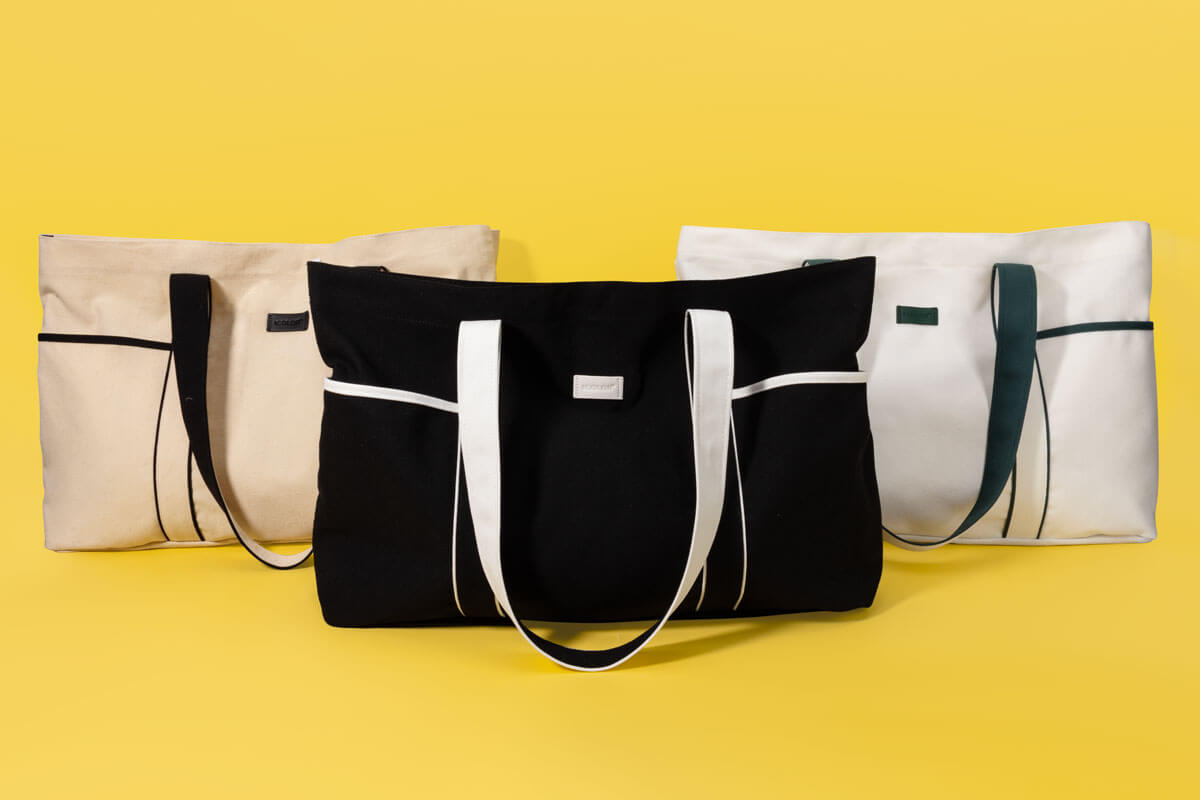
Ecorivta is a strong fit when the buyer needs a Beauty GWP tote program planned around campaign use, not only a bag photo. Practical sourcing support can cover canvas totes, recycled polyester totes, rPET routes, cotton blends, foldable totes, launch-kit totes, tote-and-pouch sets and retail-ready promotional totes.
| Capability area | Practical planning range | Boundary to state early |
|---|---|---|
| Formats | Flat tote, gusset tote, foldable tote, canvas tote, recycled tote, beach tote, tote-and-pouch set, launch-kit carrier. | Very structured luggage-style bags or rigid cases should be assessed separately. |
| Materials | Cotton canvas, recycled polyester, rPET, cotton blends, natural fiber blends, vegan leather accents, woven labels, paper hangtags. | Claim wording must match material documentation and market requirements. |
| MOQ bands | 500-1,000 for simpler available routes; 1,000-3,000 for custom details; 3,000-5,000+ for complex packaging or claim-sensitive programs. | Low quantity plus high customization may need a route change. |
| Sample timing | 7-14 days for simple routes; 14-21+ days for new material, logo, size or packaging combinations. | Final timing depends on swatch approval, artwork readiness and seasonal capacity. |
| Campaign support | Material shortlist, logo route, size route, product-fill check, packaging note, carton planning and RFQ preparation. | Ecorivta should use claim wording only when documents support the actual scope. |
What does a composite sourcing-risk case teach?
A composite skincare launch began with a request for a premium tote from China. The first brief included a reference photo and a target quantity, but it did not define product fill, logo method, insert card, claim wording or carton quantity. The buyer received several unit prices, yet the quotes were not comparable because each supplier assumed a different fabric weight, handle, print method and packing route. One supplier priced a simple stock canvas bag, another assumed a custom dyed fabric, and a third included sleeve packing but did not separate that cost line.
The project moved forward only after the team rebuilt the brief around sourcing risk. They added skincare bottle dimensions, target packed weight, preferred canvas route, logo size, hangtag claim location, individual packing and launch deadline. The shortlist dropped from vague quotes to two practical routes: a simple canvas tote with screen print for speed, and a recycled-material route with hangtag-based claim wording for stronger communication. The buyer also asked each supplier to mark sample timing, carton quantity, packing owner and open assumptions in the same RFQ table for buyer review. The lesson is simple: China sourcing becomes reliable when the buyer compares evidence, not just price. For Beauty GWP, a better RFQ can prevent three common failures: empty-looking gifts, unsupported material claims and late packaging surprises.
What did three anonymous buyers say after China sourcing review?
| Anonymous buyer | Before RFQ review | After RFQ review |
|---|---|---|
| Skincare procurement lead | The team sent only a tote reference photo and a target quantity. | The revised brief added product dimensions, logo route, carton marks and sample gates. |
| Makeup launch planner | The buyer compared quotes without checking whether packing was included. | The supplier table separated tote, logo, insert card, sleeve and carton assumptions. |
| Founder-led beauty brand | The founder wanted a sustainability message but had not assigned claim location. | The final route moved wording to a hangtag and tied it to document review. |
How is this different from related tote and supplier guides?
| Related guide | Main focus | How this sourcing-risk guide differs |
|---|---|---|
| Global supplier standard | Comparing suppliers by RFQ files, MOQ, sample timing and evidence. | This page narrows that supplier standard to China tote sourcing risks. |
| Tote material guide | Choosing tote material routes and claim boundaries. | This page shows how material choices affect China RFQ, MOQ and sample timing. |
| Tote size guide | Matching size to product fill and campaign value. | This page connects size decisions to sourcing risk, packing and carton planning. |
| Beauty GWP Solutions | Planning the broader GWP product route. | This page focuses on supplier evidence before China tote sampling and bulk approval. |
How can buyers write a copy-ready China sourcing brief?
- Campaign type.
- Target market.
- Launch date.
- Target quantity.
- Product fill list.
- Approximate product dimensions and packed weight.
- Preferred tote format.
- Material preference.
- Sustainability or compliance claim needed.
- Logo method.
- Logo size and artwork status.
- Color reference.
- Packaging route.
- Carton mark or retailer requirement.
- Sample deadline.
- Bulk delivery deadline.
- Decision priority: cost, speed, perceived value, claim support or retail readiness.
Send this brief through the Ecorivta contact form when you want the sourcing discussion to start from campaign evidence rather than a generic quote request.
Share Your Tote Sourcing Brief
What should buyers check before approving bulk production?
| Approval item | Buyer check | Why it protects the launch |
|---|---|---|
| Golden sample | Confirm size, fabric, handle, logo, stitching, label, packing and product-fill photos. | Prevents bulk production from following an incomplete sample. |
| Material and trim list | Lock fabric, lining, thread, zipper or closure, label, hangtag and sleeve specifications. | Stops invisible substitutions after cost negotiation. |
| Packaging file | Approve insert card, sleeve, hangtag, polybag or paper wrap artwork and placement. | Protects the retail-ready look and claim wording. |
| Carton plan | Review carton quantity, carton mark, folded shape and damage risk. | Reduces freight surprises and warehouse rejection risk. |
| Final launch calendar | Confirm sample approval date, material cut date, production window and delivery target. | Keeps the Beauty GWP campaign aligned with the retail or launch calendar. |
How should buyers connect sourcing evidence to claim and quality checks?
For U.S.-bound programs, sourcing discussions may need to consider forced-labor due diligence expectations [1] when product, material or supply-chain risk calls for review. Quality-system evidence such as ISO 9001 quality management [2], paper-related claims such as FSC responsible forestry scope [3], and social-audit references such as SEDEX SMETA audit context [4] should be tied to the specific factory, component and buyer requirement.
For recycled or textile-safety language, buyers should separate GRS recycled-content documentation [5], FTC environmental claim wording [6] and OEKO-TEX textile safety scope [7]. The question is not whether a certificate name sounds useful. The question is whether the document supports the exact component, claim and market use in the Beauty GWP program.
Who We Don’t Take On
- Projects that need only a generic tote unit price with no campaign, quality or packaging brief.
- Requests that require unsupported sustainability claims without material documentation or claim review.
- Orders that expect custom materials, custom size and retail packaging under unrealistic timing without sample gates.
- Programs where the buyer cannot share product fill, target quantity, destination market or launch timing.
About the author
Lina Lv is a Brand & Product Specialist at Ecorivta. She works with beauty buyers on GWP bag briefs, material routes, sample approval details and supplier communication for cosmetic bags, tote bags, pouches and related beauty accessories.
Trademark notice
All third-party brand names, certification names, standards and trademarks mentioned in this article belong to their respective owners. Their use is for identification, sourcing and compliance-context discussion only, and does not imply endorsement by those owners.
FAQ: Beauty GWP tote sourcing in China
Should a Beauty GWP brand source tote bags from China?
China can be a practical sourcing base when the buyer needs material options, logo methods, sample iteration, packaging coordination and export handling in one program. The risk is not the country itself. The risk is sending a vague brief, approving an empty sample and leaving material claims, packing and carton details unresolved until production.
What is the biggest risk in sourcing Beauty GWP totes from China?
The biggest risk is approving a tote that looks acceptable alone but fails the campaign brief after product fill, logo placement, insert card, hangtag, carton packing and shipping timing are added. Beauty GWP sourcing should test the finished gift route, not only the empty tote.
How early should a buyer lock the tote material and logo method?
For a simple canvas or recycled polyester route, material and logo method should be locked before sampling. For GRS, organic, premium handle, special lining or packaging claims, the buyer should confirm certification scope, logo artwork and claim wording before the first paid sample.
Can Ecorivta support low-volume Beauty GWP tote sourcing?
Simple tote programs may start from lower MOQ bands, while custom size, special fabric, premium trim, certified materials or retail packaging usually need higher planning quantities. Buyers should share target quantity, launch date and product fill first so the route can be screened before sampling.
What should be included in a China sourcing RFQ for Beauty GWP totes?
A useful RFQ should include campaign type, target market, product fill, tote dimensions, material preference, logo method, color standard, packaging route, compliance or claim needs, target quantity, sample deadline, bulk delivery date and any retailer or market warning requirements.
Sources
- U.S. Customs and Border Protection, UFLPA guidance. Source ↩
- ISO 9001 Quality Management. Source ↩
- Forest Stewardship Council responsible forestry. Source ↩
- SEDEX SMETA audit. Source ↩
- Textile Exchange, Global Recycled Standard. Source ↩
- U.S. Federal Trade Commission, environmental marketing guidance. Source ↩
- OEKO-TEX Standard 100. Source ↩