A TPU clear pouch QC evidence sheet helps a beauty buyer confirm the visible and shipment-related details before bulk release. For clear pouch orders, the buyer usually cares most about odor, clarity, yellowing and scratches. These checks matter because a clear pouch shows the material surface, the product inside and the packing condition more directly than an opaque fabric bag.
Ecorivta follows the approved standard sample and performs comprehensive inspection according to the confirmed project requirements. This checklist explains what evidence a qualified buyer should ask for before sample approval, bulk production or shipment: odor review, clear appearance, seam or edge condition, logo, product-loaded photos, packing and carton marks.
This checklist is written for qualified beauty brands, travel retail teams, DTC launch kits, retail private label buyers and GWP programs that need MOQ 500+ production with sample-first approval.
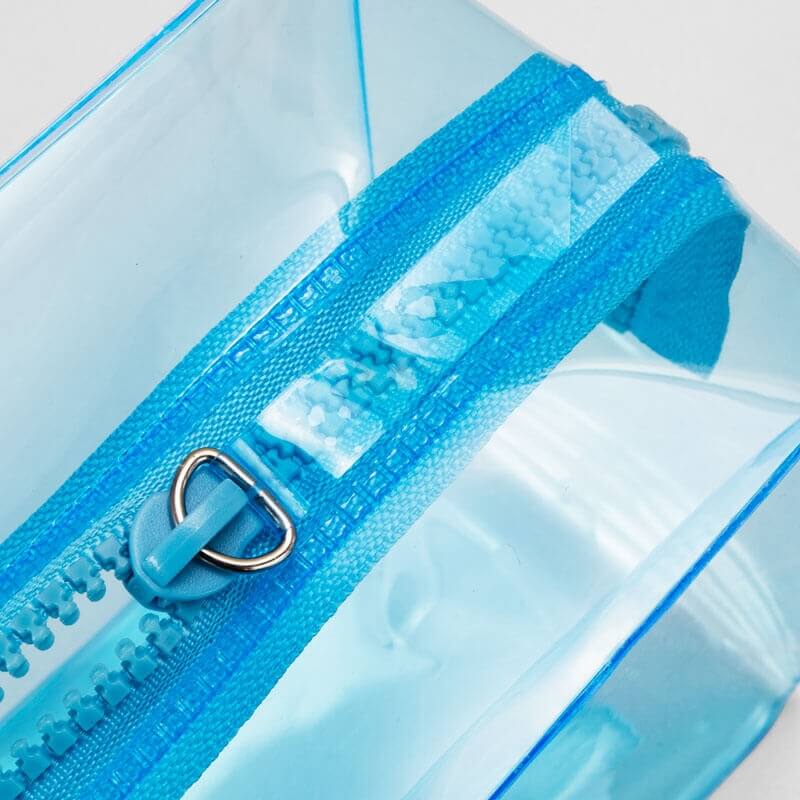
Table of Contents
- TL;DR
- What is a TPU clear pouch QC evidence sheet?
- How should odor evidence be checked?
- How should clarity, yellowing and scratches be reviewed?
- What seam, edge and zipper evidence should be included?
- How should packing, product-loaded photos and carton marks be confirmed?
- What should be sent to Ecorivta before QC review?
- What can Ecorivta deliver for TPU clear pouch QC evidence?
- Composite case: clear pouch approval changed after packed photos and carton marks were missing
- FAQ
TL;DR
Before approving TPU clear pouch bulk production or shipment, confirm odor, clarity, yellowing risk, scratches, seam or edge condition, zipper, logo print, size, product-loaded appearance, individual packing, carton mark, barcode and SKU split. TPU odor is usually acceptable for current customers, but it should still be checked against the approved sample and buyer requirement. MOQ 500+, 7-10 day sampling and 30-50 day bulk timing are planning ranges, not fixed promises.
Send Your Clear Pouch QC Brief
What is a TPU clear pouch QC evidence sheet?
A TPU clear pouch QC evidence sheet is the buyer’s shared file for what must be checked, photographed and confirmed before bulk release. Ecorivta’s TPU clear cosmetic pouch page [1] shows clear pouch routes across TPU, PVC and EVA options, plus product examples for custom clear bags and cosmetic pouches.
The evidence sheet should not repeat every product feature. It should say which details are checked against the standard sample, which details need buyer confirmation and which details are still pending. For TPU clear pouches, the most useful evidence usually covers odor, clarity, yellowing, scratches, seam or edge condition, zipper, logo print, size, packing and carton marks.
| QC area | What to check | Why it affects buyer approval |
|---|---|---|
| Odor | Internal smell check against approved sample and buyer requirement. | Prevents late concern before shipment. |
| Clarity | Transparency, haze, yellow tone, loaded appearance and batch consistency. | Clear material makes visual differences easy to notice. |
| Surface | Scratch, dent, crease, pressure mark and handling mark. | Surface defects are visible on clear pouches. |
| Structure | Seam, edge, zipper, puller, corner shape and size. | Confirms that the simple product route still matches the approved sample. |
| Packing | Individual packing, product-loaded photo, carton mark, barcode and SKU. | Supports warehouse receiving and shipment handoff. |
How should odor evidence be checked?
Odor should be written carefully. TPU odor is usually acceptable for current customers, but that does not mean the supplier should promise an absolute odor-free result. The safer rule is to check odor against the approved sample and the buyer’s requirement, then record whether the result is acceptable for that project.
The QC evidence sheet can include internal smell check, ventilation review if needed and third-party testing only when the buyer requests it. If a buyer has a strict onboarding rule, the requirement should be named before bulk planning. If no special rule is provided, Ecorivta can still document the standard sample comparison so the buyer understands what was checked before shipment.
| Odor checkpoint | How to write it | What not to overpromise |
|---|---|---|
| Internal check | Checked against approved sample and buyer requirement. | Do not claim every pouch has no odor. |
| Ventilation review | Used when the buyer asks for a second review window. | Do not treat it as a universal testing standard. |
| Third-party test | Only if buyer requires a named lab or method. | Do not add testing after price and timing are locked. |
| Final record | Record sample, batch, date and reviewer. | Do not rely on informal comments only. |
How should clarity, yellowing and scratches be reviewed?
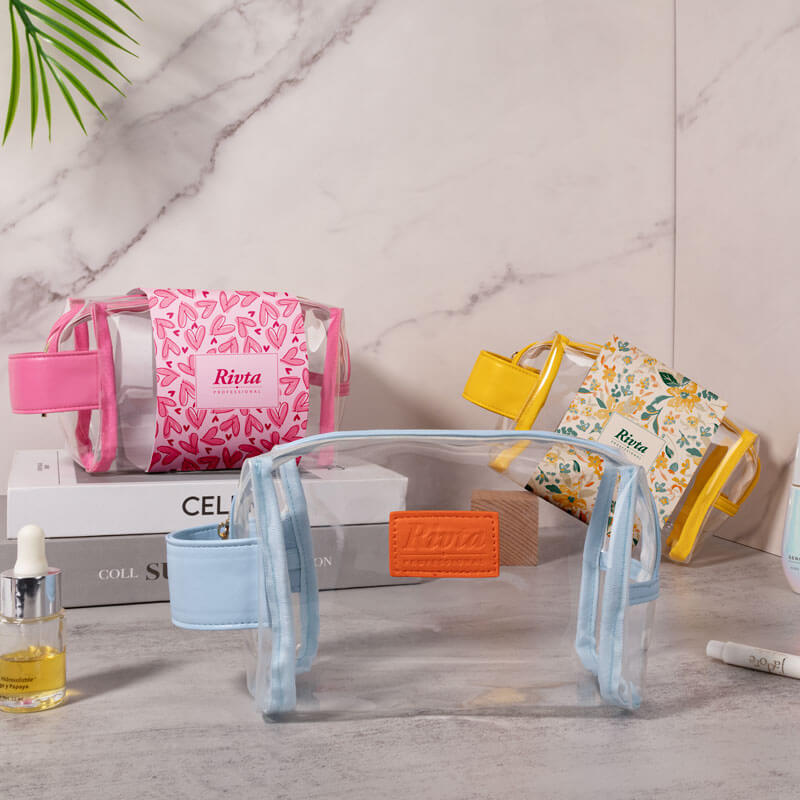
Clarity is the main visual promise of a clear pouch. The buyer should review empty-pouch clarity, product-loaded clarity and surface condition. A pouch can look fine when empty but show haze, yellow tone, pressure marks or scratches after product loading, packing or storage. For beauty GWP or travel retail programs, this visual difference can affect buyer approval quickly.
Clear TPU material can yellow when stored too long or placed improperly. Colored TPU is usually more stable in this respect because yellowing is less visible. The evidence sheet should record material condition, storage expectation and shipment timing. If the buyer needs long storage before launch, that timing should be discussed before bulk production rather than after cartons are finished.
| Visual item | Evidence to request | Buyer decision |
|---|---|---|
| Clarity | Photo of empty pouch and product-loaded pouch. | Approve appearance under realistic use. |
| Yellowing | Material review, storage note and batch comparison. | Decide if clear or colored TPU is safer. |
| Scratches | Surface photo under normal inspection light. | Confirm acceptable handling and packing standard. |
| Pressure marks | Photo after packing or stacking if relevant. | Decide whether packing route needs adjustment. |
| Batch difference | Comparison photo across colors or lots. | Confirm consistency before shipment. |
What seam, edge and zipper evidence should be included?
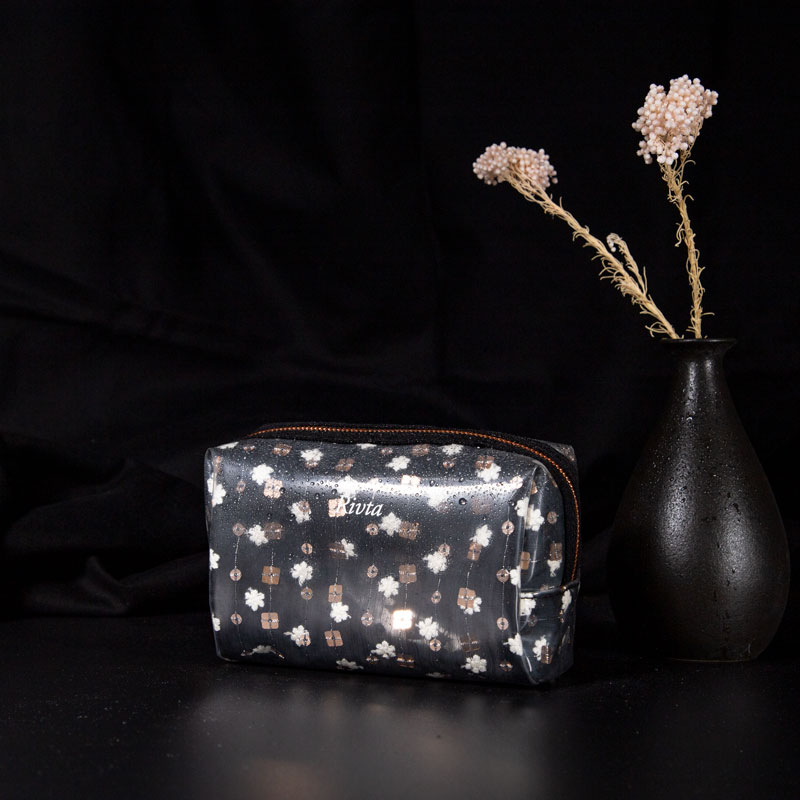
TPU clear pouches are a relatively simple product route, and Ecorivta’s quality control should make seam and edge issues manageable. The evidence sheet still needs to show that the bulk goods match the approved sample. Simplicity is not a reason to skip records; it is a reason to make the records clear and fast.
Useful evidence includes seam straightness, edge pressure, stitching or welding consistency, zipper movement, puller attachment, corner shape and size measurement. The buyer does not need a long technical report for each project, but the QC file should show that the factory checked the same visible areas the buyer will notice when opening cartons.
| Structure item | Evidence | Why it matters |
|---|---|---|
| Seam / edge | Close photo of side seam, bottom edge and corners. | Confirms the pouch keeps the approved shape. |
| Zipper / puller | Open-close check and puller photo. | Prevents late complaints about function or branding. |
| Size | Flat measurement photo or record. | Confirms fit for skincare, makeup or travel items. |
| Logo print | Artwork position, color and clarity check. | Ensures branding is not shifted or unclear on clear material. |
| Corner shape | Photo after packing or loading if needed. | Shows whether the pouch deforms under use. |
How should packing, product-loaded photos and carton marks be confirmed?
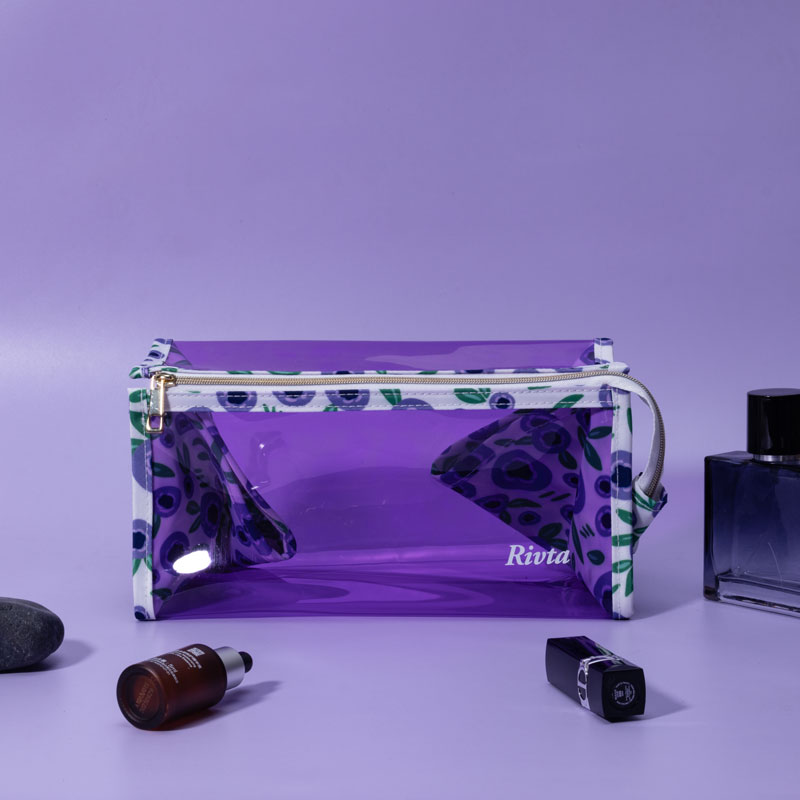
Packing evidence is often where a clear pouch project becomes operational. The buyer may approve the empty pouch but later discover that the product-loaded pouch looks different, the SKU split is unclear or the carton mark was not provided in time. Carton marks are often late, so Ecorivta can prepare a carton mark draft and send it to the buyer for confirmation.
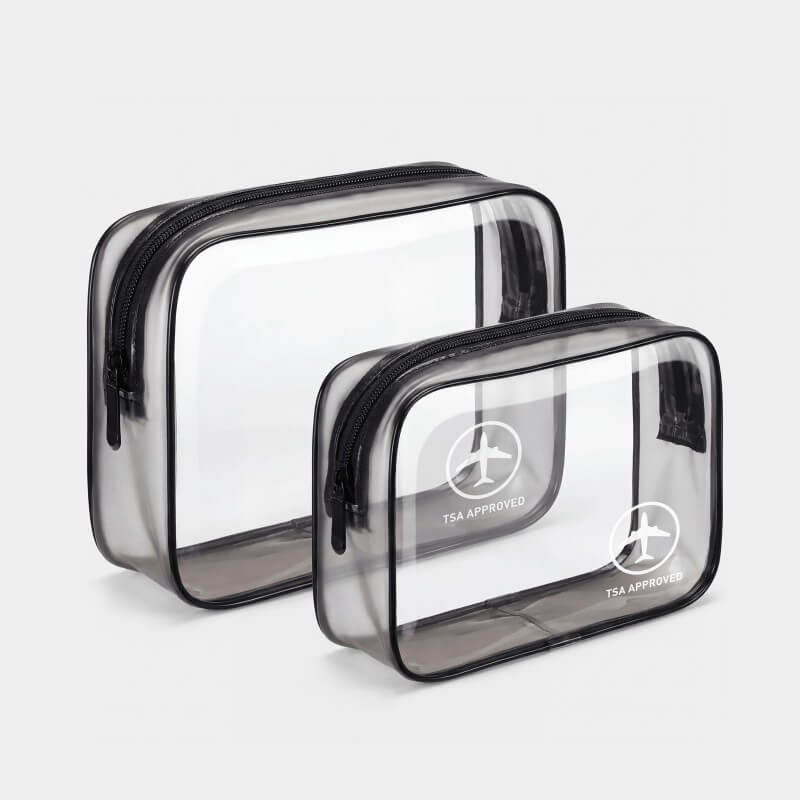
For clear pouches, product-loaded photos are useful when the pouch is made for skincare bottles, makeup sets, amenity kits, launch kits or travel retail programs. The photo helps the buyer see clarity, shape, pressure marks and packed appearance before bulk shipment. If the buyer needs travel liquid-bag context, use precise compliance wording and avoid unsupported approval claims. Ecorivta’s travel clear bag page [3] is useful only when the buyer brief is specifically about travel liquid-bag use cases.
| Packing item | What to confirm | Owner |
|---|---|---|
| Individual packing | One pouch per polybag, set packing or nested set. | Buyer plus Ecorivta. |
| Product-loaded photo | Appearance after buyer product or sample filler is loaded. | QC plus project team. |
| Carton mark | SKU, market, barcode, color, quantity and warehouse wording. | Ecorivta prepares, buyer confirms. |
| Barcode | Barcode file, market version and placement. | Buyer provides, Ecorivta checks. |
| Carton evidence | Carton photo, label photo and final packing record. | QC before shipment. |
What should be sent to Ecorivta before QC review?
Send one QC evidence request plus the approved sample reference. Ecorivta’s contact page [2] asks buyers to send product, quantity, materials, logo, packaging, certificates and delivery information before quotation or project review. For TPU clear pouch QC, the file should make odor, clarity, yellowing, scratches, seam, logo, packing and carton mark expectations visible before bulk release.
- Target price or route budget direction.
- Product use: beauty GWP, skincare set, makeup pouch, travel retail, launch kit or retail private label.
- Material route: clear TPU, colored TPU, PVC, EVA or supplier recommendation. Textile Exchange standards [6] are relevant only when buyer claims or documents involve defined material standard scope.
- Approved standard sample reference, including date or version.
- Odor requirement: internal check, ventilation review or buyer-specified third-party test if needed.
- Clarity requirement: empty pouch, product-loaded photo, haze, yellow tone and batch consistency.
- Surface review: scratches, dents, creases and pressure marks.
- Structure review: seam, edge, zipper, puller, corner shape and size.
- Logo artwork, logo position, logo color and print approval if required.
- Packing: individual polybag, set packing, nested set, carton mark, barcode and SKU split.
- Certificate or test requirement if the buyer needs it for onboarding or market approval. OEKO-TEX STANDARD 100 [5] supports harmful-substance testing discussion within its own standard scope when a buyer requires product testing.
- Sample date, final artwork date, bulk approval date, shipment date and launch window.
Request TPU Clear Pouch QC Evidence
How is this QC sheet different from Ecorivta TPU clear pouch product page?
This QC sheet focuses on evidence before bulk release or shipment. The TPU clear cosmetic pouch product page is useful when buyers need product-level supplier information for custom clear bags, TPU, PVC and EVA options. The travel clear bag page is a separate product route for travel liquid-bag use cases.
What can Ecorivta deliver for TPU clear pouch QC evidence?
| Buyer situation | Ecorivta can help by |
|---|---|
| Beauty brands, skincare brands, travel retail teams, DTC teams, retail private label buyers and procurement teams sourcing MOQ 500+ TPU clear pouch programs. | Providing QC records for odor, clarity, yellowing, scratches, seams, zipper, logo, product-loaded photos, packing and carton marks before bulk approval or shipment. |
| Projects with several SKUs, markets, packout versions, carton marks, barcode requirements or shipment evidence needs. | Separating material appearance, surface checks, structure checks and packing confirmation so open decisions are visible before release. |
| Single-piece buying, no-brand resale sourcing, urgent stock-only requests or price-only inquiries with no approval process. | Explaining which QC and handoff inputs are still needed before Ecorivta can support repeatable branded bulk shipment. |
Composite case: clear pouch approval changed after packed photos and carton marks were missing
Initial brief
A beauty launch team asked for a clear TPU pouch for a skincare mini set. The buyer approved the sample shape and liked the transparent look. The first message included target quantity and rough logo direction, but it did not include carton mark wording, barcode, final product-loaded layout or a specific odor review requirement.
Problems found before shipment
Before bulk release, the buyer asked for product-loaded photos and noticed that the clear pouch looked different once bottles were placed inside. The team also had not provided carton mark wording on time. QC could check the pouch surface, seam, zipper and scratches, but the shipment file was incomplete because Ecorivta still needed buyer confirmation on carton labels.
Correction path
The supplier separated the evidence file into material appearance, odor review, surface check, structure check and packing confirmation. Ecorivta prepared a carton mark draft with SKU, color, quantity and barcode placeholder, then sent it to the buyer for approval. QC added product-loaded photos so the buyer could approve clarity, shape and pressure marks before shipment.
Lesson
The buyer changed its approval process. Future clear pouch projects included target price, standard sample reference, odor expectation, product-loaded photo requirement, carton mark wording and launch timing before bulk release. The supplier could still keep the QC process efficient, but the final shipment no longer waited for carton information that should have been confirmed earlier.
Anonymous feedback from clear pouch buyers
| Buyer role | Feedback |
|---|---|
| Travel retail operations lead, names withheld | “The empty pouch photo is not enough for our approval. We need to see the pouch after products are loaded because clarity, shape and pressure marks can change the final look.” |
| Beauty launch QC coordinator, names withheld | “Odor should be checked against the approved sample and our actual requirement. We do not need dramatic claims; we need a clear record before bulk release.” |
| Retail warehouse handoff manager, names withheld | “Carton marks need to be confirmed before the packing team finishes. If SKU and barcode wording arrive late, the product may be ready but the shipment file is still blocked.” |
FAQ
What should a TPU clear pouch QC evidence sheet include?
A TPU clear pouch QC evidence sheet should include odor check, clarity review, yellowing risk, scratch inspection, seam or edge review, zipper and puller check, logo print review, size check, product-loaded photo if needed, packing route, carton mark, barcode, SKU split and buyer approval status before bulk shipment.
How should odor be described for TPU clear pouches?
Odor should be checked against the approved sample and buyer requirement, not described as an absolute promise. TPU is usually acceptable for current Ecorivta customers, but the buyer should still confirm whether internal smell check, ventilation review or third-party testing is required before bulk planning.
Why can clear TPU material turn yellow?
Clear TPU material can yellow when it is stored too long, exposed to unsuitable storage conditions or handled without proper protection. Colored TPU is usually more stable in this respect because yellowing is less visible. Buyers should approve material condition, storage expectation and shipment timing before large-volume production.
What clarity issues should buyers check before bulk?
Buyers should check whether the pouch looks clear enough when empty and when loaded with the intended product. Haze, yellow tone, batch difference, thickness, surface scratches and packaging pressure can change the final appearance. Clear pouch approval should include photos or samples under realistic packout conditions.
What seam and edge evidence is useful for this product?
TPU clear pouches are a relatively simple product route, but seam and edge evidence is still useful for bulk approval. Buyers can review straightness, edge pressure, stitching or welding consistency, corner shape, thread trimming and whether the pouch keeps its intended form after packing.
Why are carton marks often a problem?
Carton marks are often provided late because the buyer is still confirming SKU, barcode, market version or warehouse wording. Ecorivta can prepare the carton mark draft and send it to the buyer for confirmation so the packing team does not wait until the shipment stage to correct carton information.
Which buyers are not a good fit for this QC sheet?
This QC sheet is not designed for single-piece buying, no-brand resale sourcing, urgent stock-only requests or price-only inquiries with no approval process. It is most useful for branded beauty, travel retail, retail private label or GWP programs that need repeatable QC evidence before bulk shipment.
If your team is preparing a TPU clear pouch QC evidence file, send target price, sample reference, material route, logo, packing, carton mark, certificate needs and launch timing through the Ecorivta contact page.
Talk to Lina About Clear Pouch QC
Trademark and certification note
BSCI, Sedex, SMETA, GRS, OEKO-TEX, ISO and other certification, audit or standard names belong to their respective organizations. This article is a supplier-side sourcing guide and does not claim that every product, material, order or shipment automatically carries every listed certification or test result. Buyers should confirm current document validity, certificate scope, material coverage, label artwork, packing artwork, carton mark wording and market rules before finalizing quotation or bulk production. For factory-audit context, amfori BSCI audit requests [4] have their own process and scope.
Sources
- Use Ecorivta’s TPU clear cosmetic pouch page to understand TPU, PVC, EVA and clear pouch product context. Source ↩
- Use Ecorivta’s contact page to send product route, quantity, material, logo, packaging, certificate and delivery information before quotation or approval review. Source ↩
- Use Ecorivta’s travel clear bag page only when the buyer brief is specifically about travel liquid-bag use cases. Source ↩
- amfori BSCI is referenced as a factory-audit program with its own scope; buyers should confirm audit documents separately from product QC evidence. Source ↩
- OEKO-TEX STANDARD 100 supports harmful-substance testing discussion within its own standard scope when a buyer requires product testing. Source ↩
- Textile Exchange standards are relevant when buyer claims or documents involve defined material standard scope, not general clear-pouch appearance. Source ↩